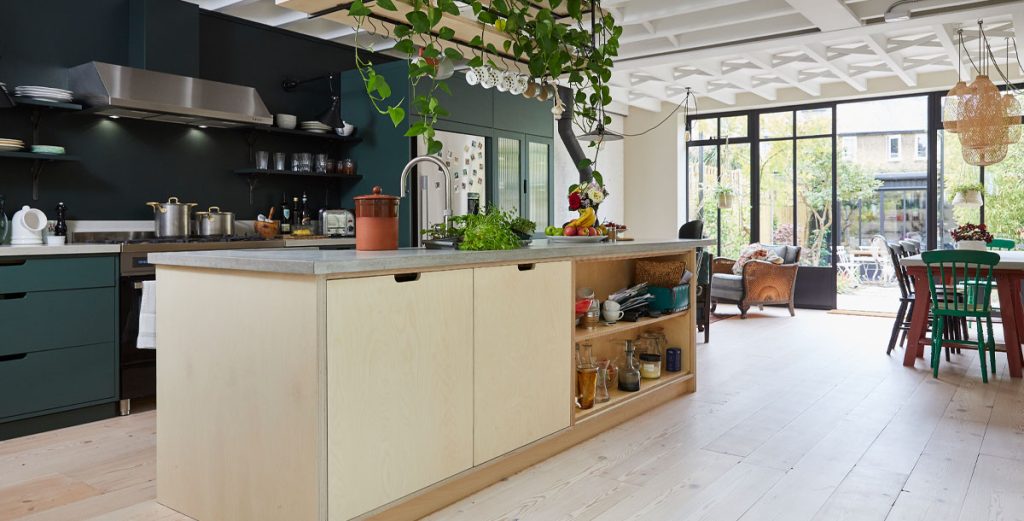
Imagine stepping into your kitchen and feeling not only the warmth of a beautifully designed space but also the satisfaction of knowing it’s kind to the planet. That’s the magic of sustainable kitchen design.
You deserve a kitchen that doesn’t just cater to your culinary needs but also aligns with your values for a greener planet. We’ll unlock the secrets to creating a kitchen that’s both stylish and sustainable. From selecting eco-friendly materials to maximizing energy efficiency, we’ll guide you through every step.
Ready to transform your kitchen into a sustainable haven? Let’s dive in and explore how you can make a difference, starting right from your own home.
Eco-friendly Materials
Sustainable kitchen design embraces eco-friendly materials like bamboo, recycled glass, and reclaimed wood. These choices reduce waste and lower environmental impact. A greener kitchen promotes a healthier planet.
Designing a sustainable kitchen starts with choosing the right materials. Eco-friendly materials not only reduce your carbon footprint but also enhance the beauty and functionality of your kitchen. When you opt for sustainable options, you’re making a conscious choice to protect the environment while creating a stylish, modern space. Have you ever considered the impact of your kitchen materials on the planet? By selecting eco-friendly materials, you contribute to a healthier earth and potentially improve the air quality in your home. Let’s dive into some practical choices for sustainable kitchen design.Sustainable Countertops
Countertops are a major component of your kitchen’s design. Choosing sustainable materials for countertops can significantly impact the environment. Options like recycled glass, bamboo, and reclaimed wood offer durability and style. Recycled glass countertops provide a unique, colorful aesthetic. They are made from post-consumer glass and can be a conversation starter at your next dinner party. Bamboo, known for its rapid growth, is another great choice. It’s sturdy, renewable, and gives your kitchen a warm, organic feel.Recycled Flooring Options
Flooring is another area where you can make eco-friendly choices. Have you ever thought about walking on recycled materials? Options like reclaimed wood, cork, and recycled tiles offer sustainable choices without compromising on style. Reclaimed wood flooring gives your kitchen a rustic, vintage look. It’s sourced from old buildings, barns, and warehouses, reducing the need for new resources. Cork, harvested from the bark of cork oak trees, is soft underfoot and naturally resistant to mold and pests.Natural Wood Cabinets
Cabinets often dominate the visual space in your kitchen. Choosing natural wood cabinets not only looks beautiful but can also be an environmentally friendly option. Opt for wood from sustainably managed forests, like FSC-certified materials. Natural wood cabinets bring warmth and elegance to your kitchen. Consider finishes that are free from toxic chemicals to maintain indoor air quality. Have you noticed how a simple change in materials can transform the entire feel of your kitchen? Do you find yourself drawn to eco-friendly kitchen design? By choosing sustainable materials, you’re not only creating a healthier home but also making a positive impact on the environment. So, what will you choose for your next kitchen renovation?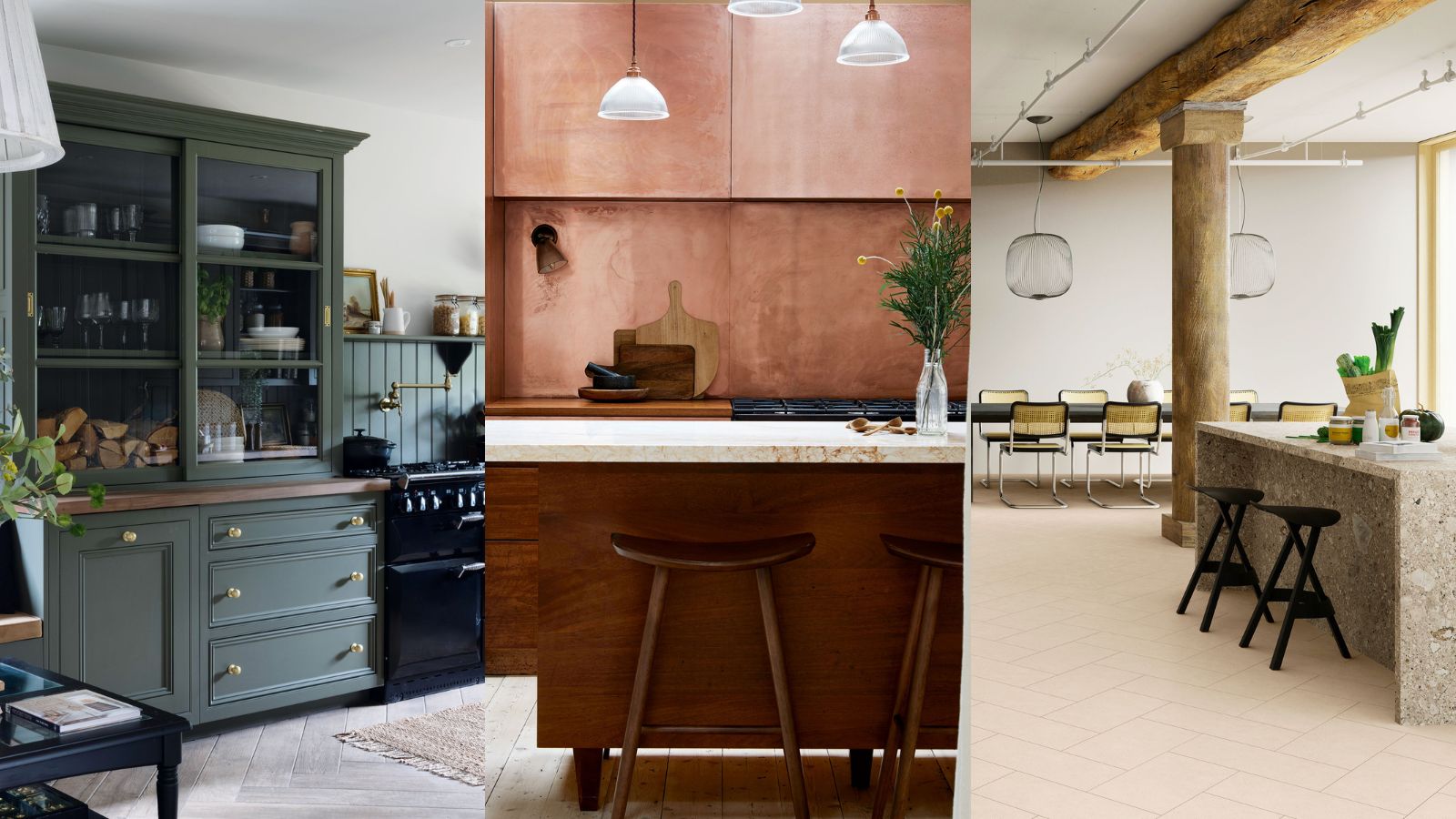
Credit: www.homesandgardens.com
Energy-efficient Appliances
Energy-efficient appliances are essential for sustainable kitchen design. They reduce energy use and lower bills. Choosing the right appliances can save money and help the environment. Let’s explore how to make your kitchen energy-efficient.
Choosing Energy Star Rated
Energy Star appliances use less energy than standard ones. They meet strict efficiency guidelines set by the government. Choosing Energy Star helps reduce carbon footprint. Look for the blue label when shopping.
Energy Star refrigerators, ovens, and dishwashers save electricity. They work efficiently without sacrificing performance. They often come with modern features. These appliances are a smart choice for a green kitchen.
Smart Kitchen Technology
Smart technology connects appliances to your phone. It allows remote control and monitoring. Smart ovens can preheat while you’re away. Smart fridges track food inventory. They help reduce waste and energy consumption.
Smart dishwashers adjust settings based on load size. They use water and power wisely. These devices offer convenience and efficiency. Incorporating smart technology makes kitchens more sustainable.
Low-consumption Lighting
Lighting impacts energy use in a kitchen. Low-consumption LED lights save energy. They last longer than traditional bulbs. LEDs come in various styles and colors.
Installing dimmers further reduces energy consumption. Natural light can be used during the day. Position windows to maximize sunlight. This reduces the need for artificial lighting.
Water Conservation Techniques
Imagine stepping into your kitchen, where every drop of water is used wisely. Sustainable kitchen design isn’t just about aesthetics; it’s about making mindful choices that save resources. Water conservation is a crucial part of this. You might be wondering how you can make a real impact in your own kitchen. Let’s explore some practical techniques that not only help the planet but also lower your water bills.
Efficient Faucet Fixtures
Efficient faucet fixtures are an easy way to conserve water without compromising on functionality. Have you ever noticed how much water flows through your taps? By installing aerators, you can reduce the flow without sacrificing pressure. Many modern faucets come with built-in technology to limit water use, saving gallons over time. Think about the satisfaction of knowing that each time you wash your hands, you’re doing your bit for the environment.
Greywater Systems
Greywater systems offer a sustainable way to reuse water from sinks and dishwashers. You might be surprised at how much water can be repurposed instead of going down the drain. These systems treat and redirect greywater for purposes like irrigation. It’s a smart choice if you have a garden or lawn. Can you imagine reducing your water footprint by turning waste into a resource?
Water-saving Dishwashers
Water-saving dishwashers are a game changer in sustainable kitchen design. Older models can be water hogs, but newer ones use advanced technology to clean efficiently with minimal water. Have you ever wondered if hand washing dishes is more eco-friendly? In fact, a modern dishwasher can use less water than washing by hand. Choosing a water-efficient model means taking a significant step towards conservation.
Are you ready to transform your kitchen into a sustainable hub? These techniques can make a big difference. Which one will you try first?
Waste Reduction Strategies
Designing a sustainable kitchen involves clever waste reduction strategies. Efficient storage solutions minimize food waste. Composting systems turn scraps into valuable resources, promoting eco-friendly practices in everyday cooking.
Designing a sustainable kitchen is more than just a trend; it’s a commitment to reducing waste and embracing eco-friendly practices. Waste reduction strategies are essential in achieving a kitchen that not only looks good but also contributes positively to the environment. By implementing thoughtful solutions, you can turn your kitchen into a hub of sustainability. Let’s dive into some practical methods to reduce waste in your kitchen.Composting Solutions
Composting is a simple yet effective way to reduce kitchen waste. Setting up a compost bin in your kitchen allows you to turn food scraps into nutrient-rich soil. You don’t need a big garden to start composting—compact indoor compost bins are perfect for small spaces. I started composting a year ago, and it’s surprising how much waste I’ve diverted from the trash. Imagine reducing your garbage output by half just by composting! Consider using compostable bags to make the process even easier. What could be more satisfying than knowing your leftovers are helping nourish the earth?Recycling Stations
Creating a dedicated recycling station in your kitchen can streamline waste management. Set up separate bins for paper, plastics, and metals, clearly labeled for easy sorting. This system encourages everyone in the household to recycle effectively. I found that having a color-coded system made recycling a breeze for my family. It’s amazing how a simple change can lead to a significant reduction in waste. Are your recycling efforts as effective as they could be?Minimalist Storage Ideas
Minimalist storage solutions can minimize clutter and reduce waste in your kitchen. By storing only what you need and using see-through containers, you reduce the chance of forgetting and wasting food. Less clutter also means a more efficient cooking space. Try keeping a “use-first” bin in your fridge for items that are close to expiring. I’ve saved countless ingredients from being thrown away by adopting this practice. How often do you find expired food hidden at the back of your fridge? These strategies not only promote sustainability but also enhance the functionality of your kitchen. By making small, intentional changes, you can create a space that supports both your lifestyle and the planet. What steps will you take today to make your kitchen more sustainable?Indoor Air Quality
Designing a sustainable kitchen involves creating a healthy environment. Indoor air quality plays a crucial role in this. Poor air quality affects health and well-being. Improving air quality enhances comfort and reduces risks. Let’s explore some ways to achieve this in your kitchen.
Non-toxic Paints
Using non-toxic paints improves air quality significantly. These paints contain fewer volatile organic compounds. VOCs release harmful chemicals into the air. Choose paints labeled as low-VOC or no-VOC. They are safer for both humans and the environment. Opting for non-toxic paints reduces exposure to harmful substances. It ensures a safer kitchen space for all.
Air-purifying Plants
Introducing air-purifying plants enhances indoor air quality. Plants naturally filter and clean the air. They remove toxins and increase oxygen levels. Common air-purifying plants include spider plants and peace lilies. These plants are easy to care for and thrive indoors. Adding them to your kitchen creates a fresher and healthier atmosphere. They offer a natural solution to improve air quality.
Ventilation Improvements
Good ventilation is essential for maintaining healthy air. It reduces moisture and eliminates cooking odors. Install exhaust fans or range hoods to boost ventilation. These systems remove pollutants and excess heat. Ensure windows can open easily for fresh air flow. Proper ventilation reduces the buildup of harmful particles. It keeps the kitchen environment clean and breathable.
Sustainable Cooking Practices
Sustainable cooking practices focus on minimizing the environmental impact of our kitchens. They emphasize reducing waste and making mindful choices. Embracing these practices helps create a healthier planet. Let’s explore some ways to cook sustainably.
Locally Sourced Ingredients
Using locally sourced ingredients reduces the carbon footprint. Buying from local farmers supports the community. It also ensures fresher produce. Seasonal foods are typically cheaper and tastier. They require less energy to transport.
Energy-saving Cooking Methods
Choose energy-efficient cooking methods like steaming or pressure cooking. They use less energy than conventional ovens. Microwaves can also be energy savers. Cover pots to retain heat and reduce cooking time. Boiling only the needed amount of water saves energy too.
Eco-friendly Cookware
Eco-friendly cookware is made from sustainable materials. Look for pots and pans with non-toxic coatings. Cast iron and stainless steel are durable choices. They last longer and reduce waste. Avoid plastic and non-recyclable materials.
Renewable Energy Integration
Sustainable kitchen design embraces renewable energy integration. This approach combines eco-friendly practices with modern living. By using renewable energy, you reduce your carbon footprint. It also lowers utility bills. Three popular methods include solar panels, wind energy, and geothermal heating. Each offers unique benefits for a sustainable kitchen.
Solar Panel Installations
Solar panels convert sunlight into electricity. They are a popular choice for homes. Installing panels on your roof maximizes sunlight capture. This provides clean energy for your kitchen appliances. Solar panels require minimal maintenance. They also increase property value. Over time, they pay for themselves through energy savings.
Wind Energy Utilization
Wind energy offers another renewable option. Small turbines can be installed on properties. These capture wind and convert it to electricity. Wind energy is ideal in windy areas. It complements solar energy, providing power day and night. This dual approach ensures a constant energy supply. Wind energy is clean and sustainable, reducing reliance on fossil fuels.
Geothermal Heating Options
Geothermal systems use the Earth’s heat for energy. This method is efficient and eco-friendly. Geothermal heating can warm your kitchen and home. It works by circulating fluid through underground pipes. The system transfers heat from the ground to your home. This reduces the need for conventional heating methods. Geothermal energy is stable and reliable, even in winter.

Credit: www.designcafe.com
Smart Design Layouts
Creating a sustainable kitchen starts with smart design layouts. These layouts enhance functionality and promote eco-friendly living. They focus on efficient use of space while incorporating green elements. Let’s explore some key aspects of smart kitchen design layouts.
Maximizing Natural Light
Natural light reduces energy consumption and brightens the space. Large windows and skylights are great additions. They allow sunlight to flood the kitchen. Position the kitchen where it gets maximum sunlight during the day. Use reflective surfaces to bounce light around the room. This makes the space feel larger and more inviting.
Open Concept Spaces
Open concept spaces create a seamless flow. They connect the kitchen with dining and living areas. This design encourages social interaction. Walls are minimized or removed. This allows for unobstructed views and a sense of spaciousness. Open layouts also improve air circulation, contributing to a healthier environment.
Functional Flow Designs
Functional flow designs ensure efficient movement. Arrange appliances and workstations logically. This reduces unnecessary steps and saves time. The triangle layout is a popular choice. It connects the fridge, stove, and sink. This layout minimizes effort and maximizes productivity. Efficient designs lead to a smoother cooking experience.

Credit: delilahhome.com
Frequently Asked Questions
What Is Sustainable Kitchen Design?
Sustainable kitchen design uses eco-friendly materials and energy-efficient appliances. It minimizes waste and optimizes resources. Recycled materials, efficient layouts, and LED lighting are key elements. Focus on durability and low environmental impact for a greener kitchen. Prioritize natural light and water-saving fixtures to enhance sustainability.
What Is The Golden Rule For Kitchen Design?
The golden rule for kitchen design is the “work triangle. ” This concept connects the sink, stove, and refrigerator. Ensure these elements are positioned in a triangular layout to enhance efficiency and flow. This design maximizes space and minimizes unnecessary movement, creating a seamless cooking experience.
How Can You Be Sustainable In The Kitchen?
Reduce food waste by planning meals and using leftovers creatively. Choose reusable containers and cloth instead of plastic. Opt for energy-efficient appliances and LED lighting. Compost kitchen scraps to enrich soil. Support local farmers by buying seasonal produce.
What Are The 4 Features Of Sustainable Design?
Sustainable design features include energy efficiency, resource conservation, waste reduction, and long-term environmental impact. These elements ensure minimal harm to the planet while promoting responsible use of resources. Sustainable design aims to create spaces and products that are both eco-friendly and efficient, contributing positively to the environment and society.
Conclusion
Creating a sustainable kitchen benefits both the planet and your wallet. Small changes can make a big impact. Choose energy-efficient appliances. Use recycled materials for cabinets and countertops. Install LED lighting to save electricity. Composting reduces kitchen waste and enriches the soil.
Water-saving fixtures help conserve precious resources. A well-planned design enhances functionality and aesthetics. Consider natural light to reduce energy use. Every step towards sustainability counts. Your choices can inspire others to follow. Embrace a greener lifestyle today. A sustainable kitchen is a smart investment for the future.
Start making eco-friendly choices now.