Imagine you’re preparing a delightful meal for your family or friends, and you want to serve something both healthy and delicious. Salmon, with its rich flavor and numerous health benefits, is a great choice.
However, cooking it to perfection can be tricky. If you’ve ever wondered about the best temperature to bake salmon in the oven, you’re not alone. Getting it just right ensures your dish is moist, flaky, and full of flavor, rather than dry or undercooked.
We’ll reveal the ideal oven temperature for salmon, so you can impress your guests with a dish that’s cooked to perfection every time. Ready to discover the secrets that will elevate your culinary skills and make you the hero of your kitchen? Let’s dive in!

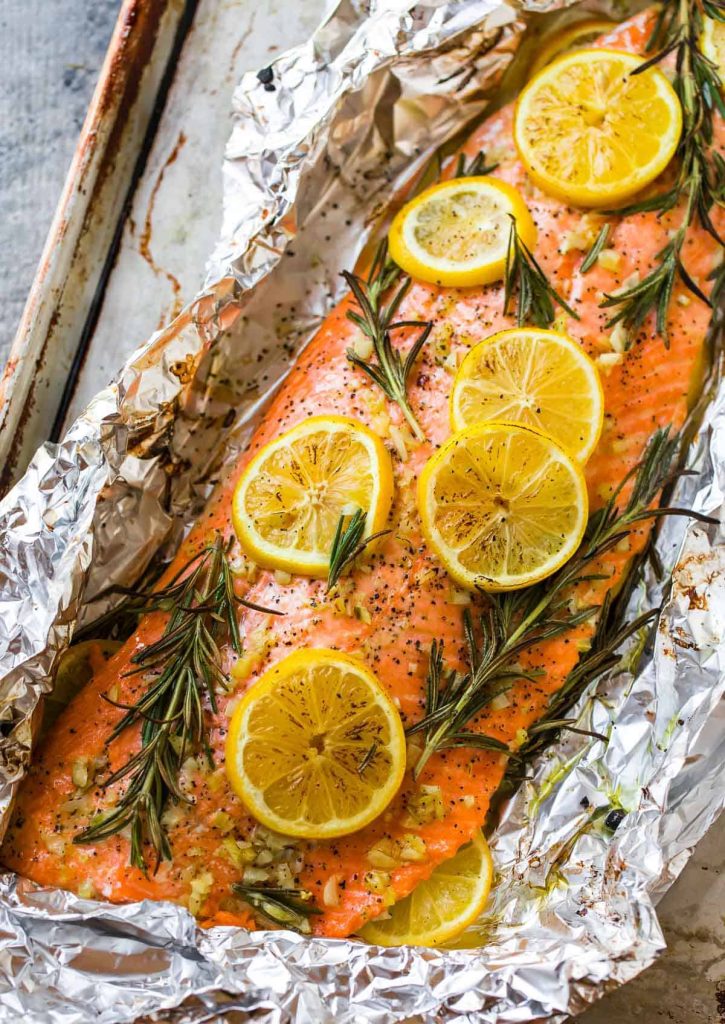
Credit: tastefullygrace.com
Ideal Oven Temperature
Baking salmon at 400°F ensures a juicy, flavorful result. This temperature cooks the fish evenly without drying it out. A perfect balance for tender, mouthwatering salmon.
When you’re preparing salmon in the oven, getting the temperature just right is crucial. It ensures that your fish is cooked to perfection—flaky, moist, and bursting with flavor. A misstep in temperature can lead to dry or undercooked salmon, missing out on its potential culinary delight.What Temperature Is Best For Baking Salmon?
Most chefs agree that baking salmon at 375°F (190°C) achieves the best results. This temperature allows the fish to cook evenly without drying out. It’s hot enough to give you that deliciously crispy skin if you’re cooking it with the skin on.Why Does 375°f Work So Well?
At 375°F, salmon cooks through without losing its natural juices. It’s a balance between speed and tenderness. You might think higher temperatures will cook it faster, but they can dry out the fish. On the other hand, too low, and you’re left waiting for a meal that lacks texture.How Long Should You Bake Salmon At 375°f?
Typically, salmon should bake for about 12 to 15 minutes at 375°F. Of course, this can vary depending on the thickness of your fillet. A thicker piece might need a few extra minutes. To be sure, check if the salmon flakes easily with a fork.Should You Cover The Salmon?
Covering your salmon with foil can help retain moisture, especially for thicker cuts. It creates a steaming effect, keeping the fish tender. However, if you’re after a crispy top, leave it uncovered for the last few minutes of baking.Personal Insights From My Kitchen
I once baked salmon at 350°F, thinking it would be juicier. It ended up slightly undercooked, which led me to adjust my approach. Switching to 375°F made all the difference, giving me that perfect balance of a tender interior and a crispy, flavorful exterior. Have you found your perfect oven temp for salmon? Or is there a trick you swear by? Experimenting can lead to delicious discoveries.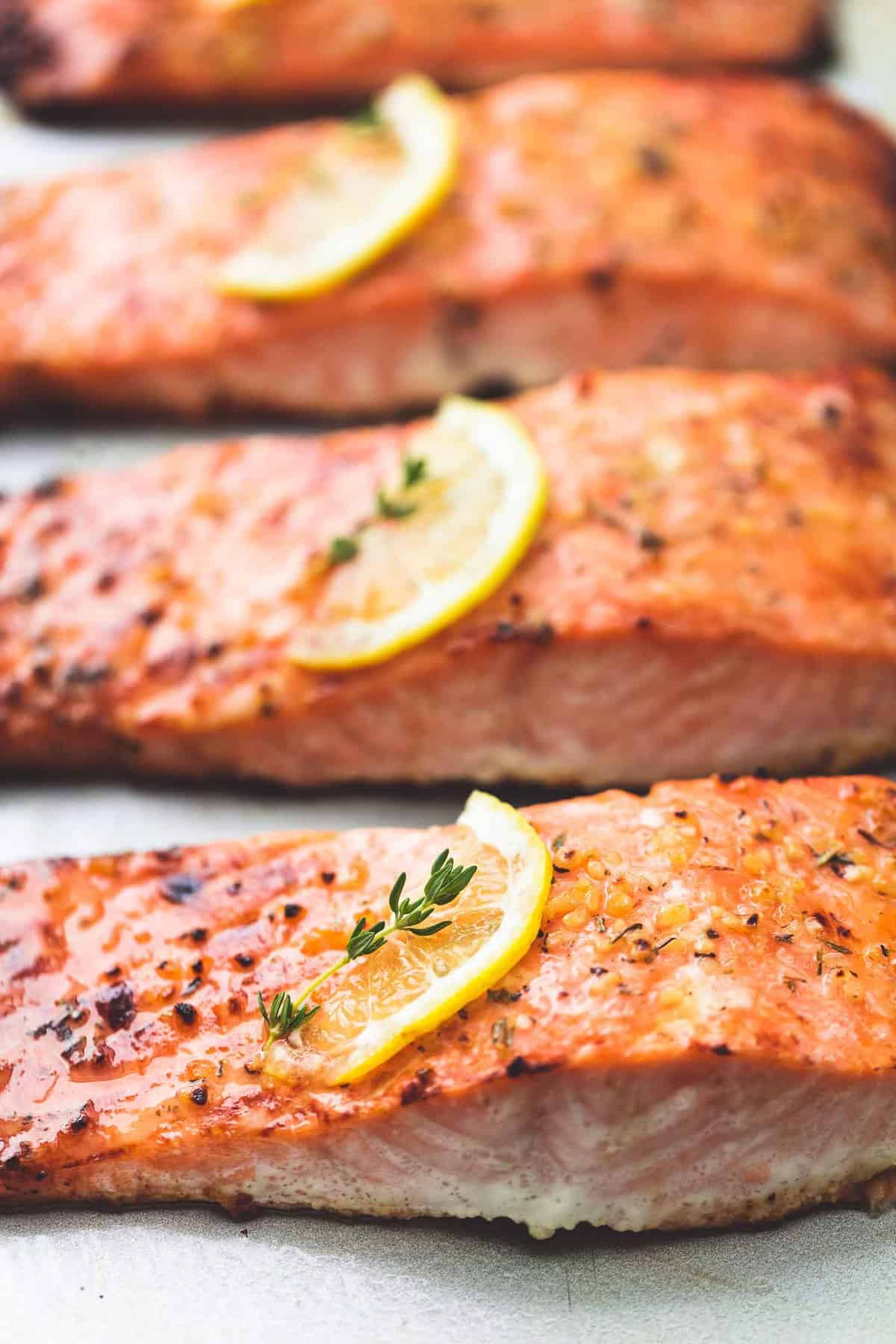
Credit: www.lecremedelacrumb.com
Benefits Of Baking Salmon
Salmon is a versatile fish that can be cooked in various ways, but baking stands out for its simplicity and health benefits. Baking salmon in the oven helps retain its natural flavors while allowing you to season it just the way you like. It’s a method that brings out the best in salmon, making it a favorite for both novice cooks and seasoned chefs alike. If you’re looking for a way to enjoy a delicious, nutritious meal, baking salmon might be the answer.
Baking salmon in the oven preserves its nutritional value. Unlike frying, which can add unnecessary fats and calories, baking keeps the fish lean and healthy. You get the full benefits of omega-3 fatty acids without any guilt.
Ever tried baking salmon with a simple lemon and dill seasoning? The oven’s even heat allows these flavors to penetrate deeply, creating a rich taste that’s hard to achieve with other methods. It’s the perfect way to impress guests without spending hours in the kitchen.
Baking salmon can be a stress-free cooking experience. Have you ever found yourself juggling multiple pans on the stove? With baking, you set the temperature, place the salmon in the oven, and let it cook. This frees up your time to prepare side dishes or simply relax.
Does Baking Salmon Save Time?
You might think that baking takes longer than other methods, but it actually saves time overall. While the salmon cooks in the oven, you can attend to other tasks or prepare a salad. It’s multitasking at its finest.
Consider the cleanup. Baking salmon often requires just a single baking sheet lined with foil or parchment paper. This means fewer dishes to wash, making post-dinner cleanup a breeze.
Is Baked Salmon More Flavorful?
Many people find baked salmon to be more flavorful than grilled or pan-fried. The consistent oven heat allows the fish to cook evenly, enhancing its natural taste. Adding herbs, spices, or a glaze before baking can further elevate the flavor.
Ever wondered why restaurants often bake salmon? It’s because baking delivers a moist, tender texture that’s hard to achieve with other cooking methods. Try it at home, and you might find yourself skipping your usual takeout.
How Does Baking Affect Salmon’s Texture?
Baking results in a tender texture that many prefer over the slightly firmer feel of grilled fish. The gentle heat prevents the fish from drying out, offering a melt-in-your-mouth experience.
Think about your last meal with baked salmon. Did it feel like a special treat? The oven’s ability to lock in moisture makes each bite succulent and satisfying.
Next time you’re thinking of how to cook salmon, consider baking it. You might discover a new favorite way to enjoy this nutritious fish. What’s stopping you from trying it today?
Prepping Salmon For The Oven
Cooking salmon perfectly involves preheating the oven to 375°F. This temperature ensures even cooking and maintains moisture. Baking at this heat for 12-15 minutes results in tender, flavorful salmon, ideal for a healthy meal.
Cooking salmon in the oven is a delightful way to enjoy this flavorful fish. Knowing how to properly prepare your salmon can make all the difference between a good meal and a great one. Whether you’re hosting a dinner party or cooking for your family, taking the time to prep your salmon correctly ensures it stays moist and delicious.Choosing The Right Cut
Selecting the right salmon cut is crucial. Should you go for fillets or steaks? Fillets are often preferred for their uniformity and ease of cooking. They cook evenly and are easier to handle. Steaks, on the other hand, offer a robust texture but might require more careful attention to ensure they cook evenly. Consider the source of your salmon. Fresh is always best, but frozen can be just as good if you choose wisely. Look for bright, firm flesh and a pleasant smell to ensure quality.Seasoning Tips
Seasoning salmon is an art in itself. You can start with the basics: salt and pepper. They enhance the natural flavors without overwhelming them. Adding herbs like dill or thyme can elevate the taste. Lemon zest or juice adds a refreshing tang that complements the fish’s richness. Think about your personal taste. Do you prefer a spicy kick? Try adding a bit of paprika or cayenne. For a sweeter profile, a touch of honey or maple syrup can do wonders. How do you usually season your salmon? Experimenting with different flavors can lead to delicious discoveries. Remember, the key to a perfect salmon dish is balancing flavors to suit your palate. Your creativity can turn a simple oven-baked salmon into a culinary masterpiece.Step-by-step Cooking Guide
Cooking salmon in the oven can be a delightful experience. This guide helps you achieve the perfect salmon. Follow these steps to ensure juicy and flavorful results.
Setting The Oven
Start by preheating your oven. Set it to 400°F (200°C). This temperature works best for baking salmon. It ensures even cooking throughout the fish. A good preheat takes about 10 minutes.
Baking Duration
Place the salmon on a baking sheet. Bake it for 12 to 15 minutes. Check the salmon’s internal temperature. It should reach 145°F (63°C). The fish should flake easily with a fork. This means it is perfectly cooked and ready to serve.
Checking Salmon Doneness
Cooking salmon to the right temperature ensures perfect texture and flavor. Aim for 145°F in the oven for ideal doneness. This temperature keeps the fish moist and flaky, enhancing its delicious taste.
Cooking salmon to perfection can be a delightful journey. But how do you ensure your salmon is cooked just right in the oven? Knowing when your salmon is done is crucial to enjoying its rich flavor and tender texture. Let’s dive into some practical tips for checking salmon doneness, so you can confidently serve a delicious meal to your family and friends.Visual Indicators
Visual cues can be your best friend in the kitchen. When salmon is cooked, its color changes from a translucent pink to a more opaque, light pink. The edges may appear lighter and slightly curled. Another indicator is the texture. Gently press the thickest part of the salmon with a fork or your finger. If it flakes easily, it’s likely done. Just be careful not to overcook it, as it can become dry and lose its flavor.Using A Thermometer
A kitchen thermometer can be a lifesaver for ensuring perfectly cooked salmon. Insert the thermometer into the thickest part of the fish. You’re aiming for an internal temperature of 145°F (63°C) for safe consumption. However, some chefs prefer pulling it out at around 135°F (57°C) and letting it rest for a few minutes. This approach can yield a slightly moister and more tender result. Do you find yourself guessing the doneness of your salmon often? A thermometer can eliminate the guesswork and make you feel more confident in your culinary skills. — How do you check your salmon for doneness? Are you relying on visual cues or is a thermometer your go-to tool?Common Mistakes To Avoid
Choosing the wrong oven temperature can ruin salmon’s texture. Stick to 350°F for moist and flavorful results. Overcooking leads to dryness and loss of taste, so monitor cooking time carefully.
Cooking salmon in the oven can be a delightful experience, but there are common mistakes that can turn your perfect dish into a culinary mishap. Understanding these pitfalls can save you from a dry or undercooked meal. Let’s explore how to avoid these mistakes for the best salmon every time.Overcooking The Salmon
One of the most frequent errors is overcooking. Salmon cooks quickly, and even a few extra minutes can lead to a dry texture. Always keep a close eye on the cooking time. Use a timer and check for doneness a couple of minutes before the recommended time.Not Using A Meat Thermometer
Relying solely on visual cues can be misleading. Using a meat thermometer ensures accuracy. Aim for an internal temperature of 145°F (62.8°C) for perfectly cooked salmon. This simple tool can be your best friend in the kitchen.Skipping The Resting Period
Allowing salmon to rest after cooking might seem unnecessary, but it’s crucial. Resting helps the juices redistribute, enhancing flavor and texture. Give it about five minutes before serving.Forgetting To Season Properly
Salmon is naturally flavorful, but it benefits greatly from seasoning. A simple mix of salt, pepper, and lemon can elevate its taste. Experiment with herbs like dill or parsley for added zest.Using The Wrong Baking Dish
The type of baking dish matters. A heavy-duty, oven-safe dish ensures even cooking. Avoid using thin or flimsy pans that can cause uneven heat distribution.Ignoring The Skin
Don’t neglect the skin, whether you plan to eat it or not. Cooking with the skin on helps retain moisture. It can easily be removed after cooking if you prefer it skinless. When you prepare salmon, consider these common mistakes. How can these insights change your cooking approach? Share your thoughts or any additional tips you might have in the comments below.Serving Suggestions
Salmon baked to perfection deserves thoughtful serving suggestions. Enhance its flavors. Choose sides and garnishes that complement the fish.
Pair With Fresh Vegetables
Roasted asparagus or steamed broccoli are great choices. They add a vibrant color and fresh taste to your plate. For a more colorful dish, try a medley of bell peppers and zucchini. Lightly season them with olive oil, salt, and pepper.
Consider A Flavorful Sauce
A lemon butter sauce can enhance the salmon’s natural taste. It adds a creamy texture and zesty flavor. Alternatively, a dill yogurt sauce provides a cool, tangy contrast. Make it with Greek yogurt, fresh dill, and a squeeze of lemon.
Serve With A Grain Side
Quinoa or wild rice offer a nutty flavor that pairs well with salmon. These grains provide a hearty base and are easy to prepare. Add herbs or a sprinkle of lemon zest for extra flavor.
Garnish With Fresh Herbs
Top your salmon with fresh herbs like parsley or cilantro. They add a pop of color and freshness. Use them sparingly to avoid overpowering the salmon’s taste.
Add A Citrus Touch
Lemon or lime wedges can brighten your dish. A light squeeze over the salmon before serving enhances its flavor. The citrus adds a refreshing note that complements the fish.
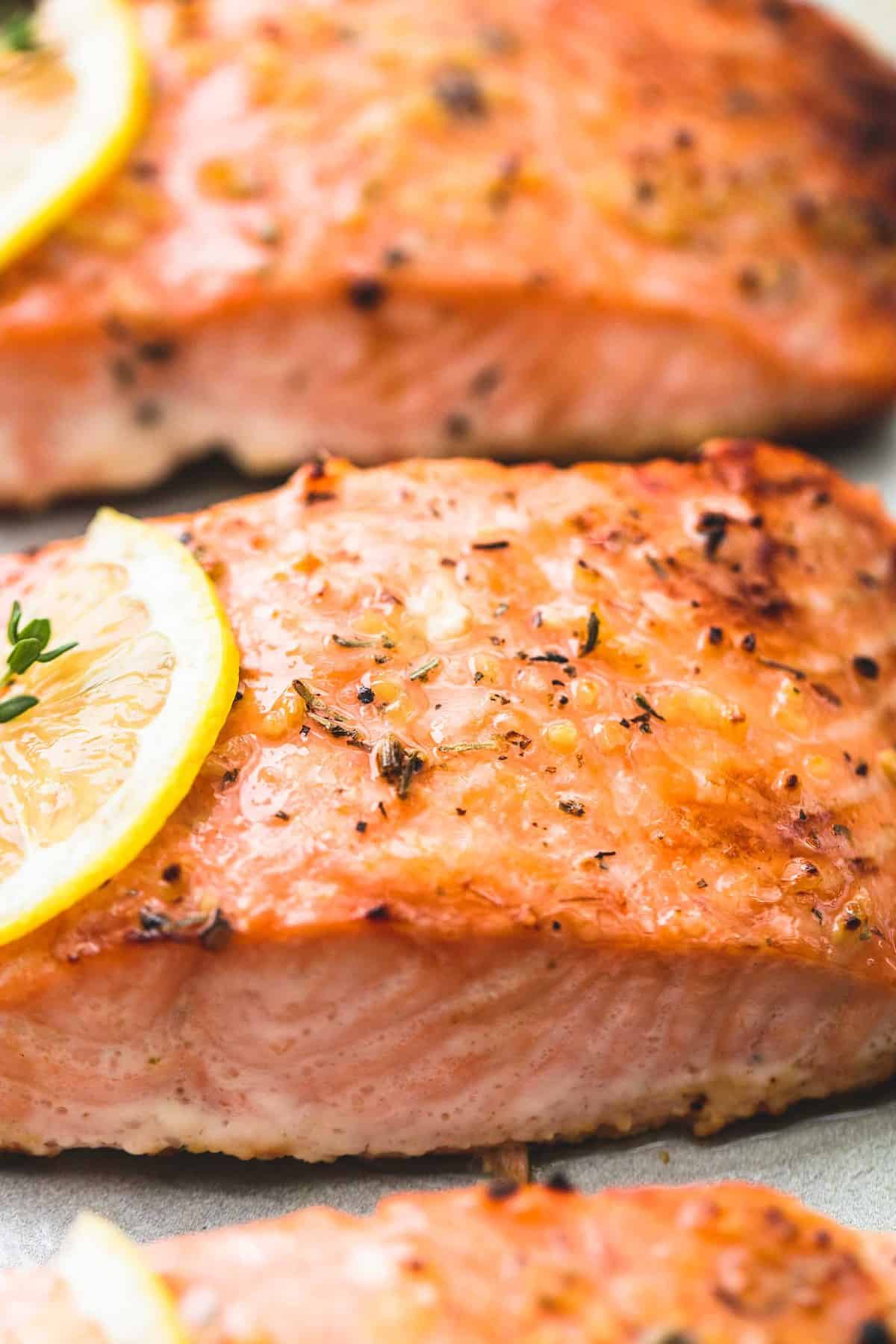
Credit: www.lecremedelacrumb.com
Storing And Reheating Tips
Storing and reheating salmon properly ensures it remains delicious and safe. Freshly cooked salmon deserves careful handling to preserve its flavor and texture. Follow these tips to enjoy your salmon leftovers without compromising on taste.
Storing Cooked Salmon
Cool the salmon before storing it in the fridge. Use airtight containers to lock in freshness. This prevents odors from spreading. Store salmon for up to three days in the fridge. For longer storage, consider freezing.
Freezing Salmon
Wrap salmon tightly in plastic wrap or aluminum foil before freezing. Label with the date for easy tracking. Salmon can last up to three months in the freezer. Thaw in the fridge overnight for best results.
Reheating Salmon
Reheat salmon in the oven at a low temperature. This helps retain moisture. Set the oven to 275°F and heat for 15 minutes. Avoid microwaving as it can dry out the salmon. Sprinkle a bit of water or broth before reheating to keep it moist.
Maintaining Flavor
Add a squeeze of lemon before serving reheated salmon. A dash of olive oil can enhance richness. These simple steps make reheated salmon delightful.
Frequently Asked Questions
Is It Better To Bake Salmon At 350 Or 400?
Baking salmon at 400°F gives a crispy exterior and juicy interior. It takes about 12-15 minutes. At 350°F, salmon stays tender and moist, requiring 20-25 minutes. Choose 400°F for a quicker, crispier result, or 350°F for a softer texture.
How Long Does It Take For Salmon To Cook At 400 Degrees?
Salmon cooks in 12-15 minutes at 400 degrees Fahrenheit. Thickness affects cooking time. Ensure the internal temperature reaches 145°F for safe consumption. Check for flakiness, which indicates doneness. Cooking time may vary slightly depending on the oven and salmon size.
Always monitor closely to avoid overcooking.
What Is The Ideal Temperature For Baking Salmon?
The ideal temperature for baking salmon is 400°F (204°C). This temperature ensures the salmon cooks evenly and retains moisture. Baking at this temperature typically takes 12-15 minutes, depending on the thickness. This method results in a tender, juicy fillet with a deliciously flaky texture.
How Do You Know When Salmon Is Done?
Salmon is done when it reaches an internal temperature of 145°F (63°C). You can check this using a meat thermometer. The flesh should appear opaque and separate easily with a fork. Avoid overcooking to maintain its moist and tender texture.
Conclusion
Cooking salmon in the oven requires the right temperature. A perfect temp ensures juicy, flavorful results. Always preheat your oven for best results. Aim for 400°F (200°C) for optimal cooking. This temperature cooks salmon evenly and quickly. Remember to check for doneness with a fork.
Flaky salmon means it’s ready. Experiment with herbs and spices for added flavor. Cooking times may vary with thickness. Keep an eye on your salmon to avoid overcooking. Enjoy your delicious, oven-baked salmon with friends and family. A simple, tasty meal for everyone.