Affiliate Disclosure: This post may contain affiliate links. If you purchase through links on our site, we may earn an affiliate commission at no extra cost to you.
Choosing the right salt for cooking can be a game-changer in your kitchen. You might not think much about it, but the type of salt you use can elevate your dishes from ordinary to extraordinary.
Imagine the satisfaction of serving a meal that leaves your guests wondering what your secret ingredient is. It’s all about the salt! Different salts bring unique flavors and textures to your dishes, and knowing which one to use can make all the difference.
Are you curious about which salt will give your cooking that extra edge? Let’s dive into the world of salts and discover which one is the best fit for your culinary adventures.
Varieties Of Salt
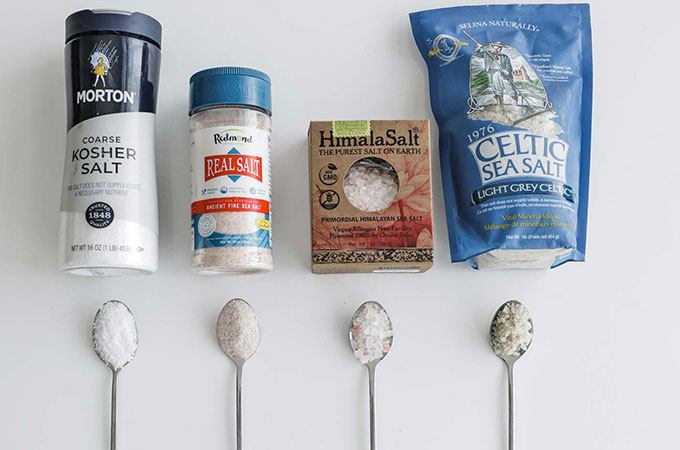
Salt is a fundamental ingredient in cooking. It enhances flavors and preserves food. Yet, not all salt is the same. Different types bring unique qualities to dishes. Understanding these varieties can elevate your culinary game.
Table Salt
Table salt is the most common salt in kitchens. It is finely ground and often contains anti-caking agents. This makes it easy to pour. Some brands add iodine for health benefits. It’s ideal for baking due to its fine texture.
Sea Salt
Sea salt comes from evaporated seawater. It retains trace minerals, adding a complex flavor. The crystals are larger than table salt. This gives a pleasing crunch. Use it for finishing dishes or in recipes where texture matters.
Kosher Salt
Kosher salt has a coarse grain. It’s named for its role in koshering meat. Cooks love it for its clean taste and easy handling. The large flakes make it perfect for seasoning meat. It’s also good for recipes that require pinches or handfuls.
Himalayan Pink Salt
Himalayan pink salt is mined from ancient sea beds. Its pink hue comes from trace minerals. It offers a unique and subtle taste. Often sold in block form for cooking or serving. It can be used in grinders for a fresh sprinkle.
Fleur De Sel
Fleur de Sel translates to “flower of salt.” It’s harvested by hand from salt marshes in France. Known for its delicate, moist crystals. It is a finishing salt, enhancing the final touch of dishes. Sprinkling it on food adds a gourmet touch.
Factors To Consider
Choosing the right salt for cooking isn’t just about taste; it’s about texture, flavor, and even the mineral content that can transform your dish. Have you ever wondered why a pinch of one type of salt can make your stew taste heavenly, while another might leave it bland? Let’s dive into the factors to consider when selecting salt for your culinary adventures.
Texture And Grain Size
Imagine sprinkling a fine dust of salt over your salad, only to find it dissolved too quickly and left uneven flavors. The texture and grain size of salt can dramatically affect how it interacts with food. Fine grains dissolve faster, making them ideal for baking, where you need an even distribution. Coarse grains, on the other hand, add a delightful crunch to dishes. They’re perfect for finishing touches on a juicy steak or fresh veggies.
Flavor Profile
Does your salt have a personality? You’d be surprised. Some salts carry subtle hints of sweetness, while others might offer a sharp, briny kick. Think of Himalayan pink salt with its mild taste compared to the intense sea salt. A pinch of the right salt can enhance your dish’s natural flavors. What kind of taste experience are you aiming for?
Mineral Content
Not all salts are created equal. Some come packed with minerals that can add depth to your dishes. Take Himalayan salt, rich in minerals like potassium and magnesium. These can elevate your meal both in taste and nutritional value. Are you looking for a healthier option or aiming to boost flavor complexity? Consider the mineral content in your choice.
Cooking Application
Think about what you’re cooking. Different salts serve different purposes. Table salt is versatile for most home cooking needs, while kosher salt works wonders in brining meats. If you’re crafting delicate pastries, you might opt for a fine salt to ensure even flavor. What’s your dish today? Choose a salt that complements its cooking process and final taste.
Choosing the right salt can be the secret ingredient to your culinary masterpiece. Next time you’re in the kitchen, ask yourself—how can the right salt make your dish shine?
Salt For Baking
When baking, the type of salt you choose can make or break your masterpiece. Have you ever wondered why some cookies taste better than others, or why your bread didn’t rise as expected? It might be the salt. Each kind of salt has its unique properties that can affect the flavor and texture of your baked goods. Let’s dive into the world of salt specifically for baking.
Fine-grained Options
In baking, fine-grained salts like table salt or fine sea salt are preferred for their ability to dissolve quickly. This is crucial because uneven salt distribution can lead to pockets of saltiness. Fine-grained salts mix seamlessly into doughs and batters, ensuring a uniform taste.
Consider this: you’re baking a cake for a loved one’s birthday. You want every bite to be perfect. Using fine-grained salt ensures that the flavor is consistent throughout the cake, making every slice as delightful as the last.
Impact On Dough And Batter
Salt does more than just enhance flavor; it plays a vital role in the structure and rise of your dough and batter. Salt strengthens gluten, the protein that gives dough its elasticity. A balanced amount can make your bread chewy and your cake light.
Think about the last time your bread dough turned out sticky or didn’t rise well. It could have been the salt. Too much or too little can throw off the chemistry, leaving you with less-than-perfect results. Next time, pay attention to the salt, and watch how it transforms your baking.
Have you ever experimented with different salts in baking? Try switching up your salt choice next time and observe the changes. You might find a new favorite that enhances your baking in unexpected ways.
Salt For Seasoning
Salt is essential for cooking. It brings out the flavors in food. Selecting the right salt can elevate your dish. Different salts offer unique textures and tastes. Understanding their use is key for delicious meals.
Enhancing Natural Flavors
Salt enhances the natural flavors in food. Its crystals dissolve and penetrate the ingredients. This process intensifies the taste. Use coarse salt for meats. It helps in tenderizing and seasoning evenly. Fine salt works well in soups and stews. It dissolves quickly and mixes evenly. Always taste as you add salt. This prevents over-seasoning and ensures balanced flavors.
Finishing Salts
Finishing salts add texture and flavor to your dishes. They are sprinkled just before serving. This gives a burst of flavor in every bite. Flaky sea salt is a popular choice. It melts on the tongue, enhancing the dish. Try smoked salt for a unique taste. It adds a rich, smoky flavor to grilled foods. Use sparingly for the best effect. The right finishing salt can transform a simple dish.
Health Implications
Choosing the right salt can impact your health significantly. Salt plays a crucial role in our diet. Understanding its effects on health is important. Each type of salt offers unique benefits and drawbacks. Let’s explore these aspects.
Sodium Content
Sodium is essential for body functions. It helps maintain fluid balance. Different salts contain varying sodium levels. Table salt has the highest sodium content. Sea salt and Himalayan salt have slightly less sodium. Lower sodium intake can reduce high blood pressure risks.
Minerals And Trace Elements
Besides sodium, salt contains important minerals. Sea salt contains magnesium and potassium. Himalayan pink salt has iron and calcium. These minerals support bone health and blood circulation. The minerals vary in different salts. Always check labels for mineral content.
Credit: twokooksinthekitchen.com
Sustainability And Sourcing
Sustainability and sourcing are crucial when choosing the best salt for cooking. Many consumers now want to know where their salt comes from. They care about how it is harvested and its impact on the environment. Understanding these factors helps make better choices in the kitchen. Let’s dive into the key aspects of sustainability and sourcing.
Ethical Harvesting
Ethical harvesting of salt means using fair labor practices. Workers should be treated with respect and paid fairly. Some salt producers focus on community welfare. They invest in local infrastructure and education. This helps improve the quality of life for workers. Ethical producers often work with small communities. They ensure sustainable practices are followed. This approach supports long-term development and fair trade.
Environmental Impact
The environmental impact of salt production matters a lot. Some methods can harm ecosystems and wildlife. Sea salt production can affect marine life if not managed well. Mining salt can lead to land degradation. It can also cause water pollution. Sustainable producers use methods that minimize harm. They avoid over-extraction and pollution. They often focus on renewable energy and waste reduction. Choosing environmentally friendly salt helps protect the planet.
Popular Brands
Choosing the right salt enhances your dishes. Brands like Morton and Diamond Crystal offer great options for cooking. Sea salt and kosher salt are popular for their texture and flavor.
When it comes to selecting salt for your culinary adventures, the choice of brand can significantly influence the outcome of your dishes. While some prefer the reliable consistency of commercial brands, others lean toward the unique flavors offered by artisan producers. Understanding the popular brands available can help you make informed decisions that elevate your cooking.
Artisan Salt Producers
Artisan salt producers craft salts that are as much about the experience as they are about the taste. Brands like Maldon and Jacobsen have garnered attention for their distinctive textures and flavors. Maldon Sea Salt, with its delicate flakes, is perfect for finishing dishes, adding a satisfying crunch and a subtle brininess. Jacobsen Salt Co., harvested from the pristine waters of the Oregon coast, offers a clean, briny taste that can transform even the simplest dish. I once sprinkled Jacobsen’s salt on a chocolate chip cookie, and the contrast of sweet and salty was a delightful surprise. Are you adventurous enough to try Himalayan Pink Salt? This salt is mined from ancient sea beds, and its mineral content adds a unique flavor profile that can enhance anything from grilled meats to roasted vegetables.
Commercially Available Options
For those who prefer a more traditional approach, commercially available salts like Morton and Diamond Crystal remain popular choices. Morton’s iodized salt is a pantry staple for many, providing consistency and reliability in seasoning. Its fine granules dissolve quickly, making it ideal for baking. Diamond Crystal Kosher Salt, favored by chefs, offers a coarser texture that allows for more controlled seasoning. Its larger flakes are easy to pinch and sprinkle, making it perfect for seasoning meats and vegetables. Have you ever tried using table salt and wondered why your steak didn’t have that restaurant-quality flavor? Switching to kosher salt might be the key. Its larger crystals allow for better flavor distribution, creating a more savory bite. Choosing the right brand of salt can turn a good dish into a great one. Whether you opt for the artisanal touch or the tried-and-true commercial options, understanding what each brand offers will enhance your culinary creations. Which brand will you experiment with next?
Frequently Asked Questions
What Is The Healthiest Salt To Use For Cooking?
Sea salt or Himalayan pink salt are considered healthier options for cooking. They contain trace minerals beneficial for health. Use them in moderation to enhance flavor without overloading sodium intake. Both salts can add depth to dishes while supporting a balanced diet.
What Kind Of Salt Do Most Chefs Use?
Most chefs prefer using kosher salt due to its coarse texture and clean taste. It dissolves quickly, enhancing flavors without overpowering dishes. Its larger grain size makes it easy to control seasoning, making it ideal for cooking and finishing. Kosher salt is a staple in professional kitchens worldwide.
Is It Better To Cook With Sea Salt Or Iodized Salt?
Sea salt offers minerals and a mild flavor, while iodized salt ensures iodine intake. Choose based on nutritional needs and taste preference. Cooking with either salt depends on individual health requirements and culinary choice. Both salts serve distinct purposes in enhancing dishes.
Is Sea Salt Or Himalayan Salt Better For Cooking?
Himalayan salt contains more minerals, offering a unique flavor. Sea salt is coarser and retains more moisture. Both can enhance dishes, but personal preference dictates choice. Use Himalayan for a mineral-rich taste and sea salt for a traditional flavor. Experiment to find your preferred taste in cooking.
Conclusion
Choosing the right salt enhances your cooking. Each type offers unique flavors. Sea salt adds a natural taste. Kosher salt is great for seasoning. Himalayan pink salt provides minerals. Table salt dissolves quickly in dishes. Experiment with different salts. Find what suits your taste best.
Remember, salt impacts health. Use it wisely in meals. Taste and adjust as needed. Enjoy the journey of discovering flavors. Cooking becomes more enjoyable with the right salt. Your dishes will shine with balanced seasoning. Happy cooking!