Are you ready to transform your next meal into a succulent masterpiece? Knowing the best temperature for cooking a chuck roast in the oven is your secret weapon.
Imagine the aroma wafting through your home, promising a tender, juicy roast that melts in your mouth. But here’s the catch: achieving that perfect roast isn’t just about time—it’s all about the right temperature. Get this wrong, and your dinner might end up dry and disappointing.
But get it right, and you’ll impress not just your taste buds, but everyone around your table. So, what’s the magic number to set your oven to? Keep reading to uncover the optimal temperature that guarantees a chuck roast that’s nothing short of perfection. Your culinary reputation depends on it!
Choosing The Right Oven Temperature
Choosing the right oven temperature is crucial for a perfect chuck roast. Each temperature range offers unique benefits for cooking. The roast’s tenderness and flavor depend on your chosen method. Let’s explore the best temperature options for chuck roast in the oven.
Low And Slow Cooking
Low and slow cooking involves temperatures around 225°F to 250°F. This method allows the roast to cook gently over time. The meat becomes tender, soaking in its juices. This results in a flavorful and moist roast.
Patience is key with this method. Cooking can take several hours. The reward is melt-in-your-mouth tenderness. This is ideal for those who appreciate a rich taste.
Medium Heat Methods
Medium heat methods use temperatures between 300°F and 350°F. This range balances cooking time and tenderness. The roast cooks faster than low and slow. It retains much of its juicy goodness.
This method suits those with limited time. You still get a delicious, tender roast. It’s a practical choice for weeknight dinners.
High Heat Techniques
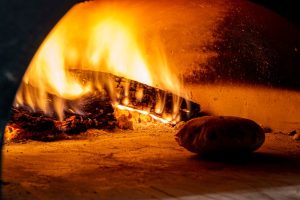
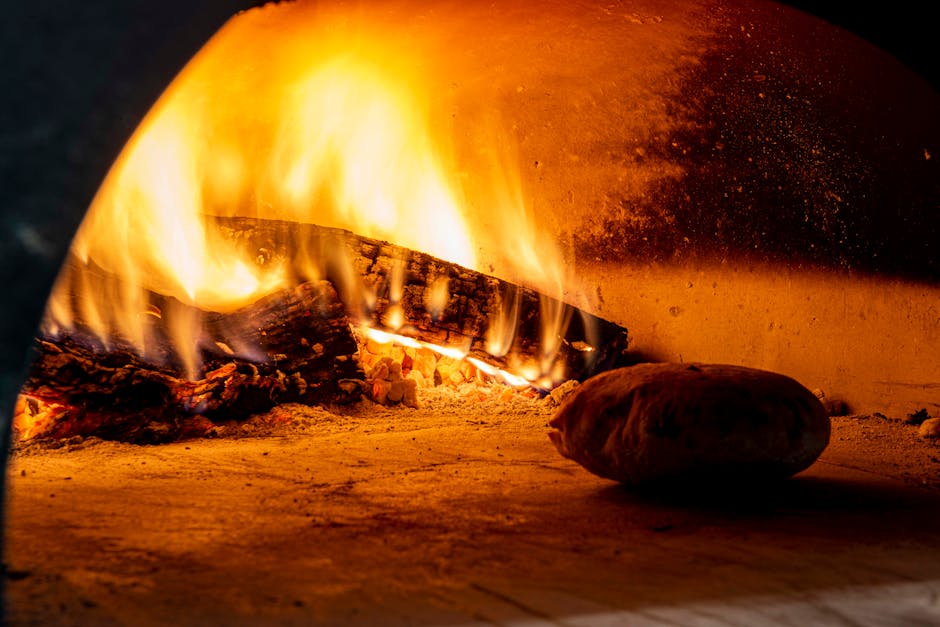
High heat techniques involve cooking at 400°F or higher. This method sears the roast’s exterior quickly. It locks in flavors and creates a crispy crust. Perfect for those who enjoy a bit of crunch.
High heat cooks the roast faster, but needs careful monitoring. It’s best for smaller roasts or if you prefer a crusty finish. Ensure the inside remains tender by not overcooking.
Factors Influencing Temperature Choice
Cooking a chuck roast to perfection requires understanding the best temperature. The choice depends on several factors. These include meat thickness, desired doneness, and cooking time constraints. Each aspect plays a critical role in the outcome of your dish.
Meat Thickness
The thickness of the meat affects temperature choice. Thicker cuts need lower temperatures. This helps in even cooking. It ensures the center cooks without burning the outside. Thinner cuts can handle higher temperatures. They cook faster and still remain juicy.
Desired Doneness
Your preferred doneness level influences the cooking temperature. Rare meat needs lower temperatures. This keeps the inside red and juicy. For well-done roast, opt for higher temperatures. It ensures thorough cooking throughout the meat.
Cooking Time Constraints
Time availability affects temperature settings. More time allows for slow cooking at low temperatures. This method enhances flavors and tenderness. Limited time requires higher temperatures. It speeds up the cooking process but needs careful monitoring.
Preparation Tips For Chuck Roast
Preparing a chuck roast can be a rewarding task. With the right tips, your roast will be juicy and delicious. Let’s explore essential preparation steps.
Seasoning And Marinades
Seasoning is crucial for a flavorful chuck roast. Use salt, pepper, and garlic for a classic taste. Marinate your roast overnight for deeper flavors. Consider using herbs like rosemary and thyme. These add an aromatic touch to the meat.
Preheating The Oven
Preheating the oven ensures even cooking. Set the oven to 325°F for a slow roast. This temperature helps tenderize the meat. Allow the oven to reach the desired temperature first. This step is essential for the perfect roast.
Using A Meat Thermometer
A meat thermometer ensures your roast cooks perfectly. Insert it into the thickest part of the meat. Aim for an internal temperature of 145°F. This guarantees the meat is safe to eat. A thermometer is a vital tool for roasting success.
Common Mistakes To Avoid
Cooking a chuck roast in the oven can be tricky. Common mistakes often lead to less than perfect results. Knowing what to avoid ensures a tender and flavorful meal.
Overcooking
Overcooking is a frequent mistake with chuck roast. This can make the meat dry and tough. To prevent this, monitor the internal temperature. A meat thermometer helps keep the roast juicy. Aim for an internal temperature of about 190°F. This ensures tenderness without losing moisture.
Undercooking
Undercooking can leave the roast chewy and hard to eat. The connective tissues need time to break down. If the roast is not cooked enough, it remains tough. Cook it slowly at a low temperature. This allows the meat to become tender. Ensure the internal temperature reaches at least 160°F for safe consumption.
Ignoring Resting Time
Ignoring resting time affects the roast’s texture and flavor. After cooking, let the roast rest for 10-15 minutes. This helps the juices redistribute throughout the meat. Cutting it too soon causes the juices to escape. Resting helps retain moisture and enhances the roast’s flavor. So, patience is key for a perfect chuck roast.
Benefits Of Optimal Cooking Temperature
Choosing the right temperature for cooking chuck roast in the oven can transform your dish. It’s not just about cooking the meat. It’s about enhancing flavor, texture, and keeping nutrients intact. Let’s delve into the benefits of finding that perfect temperature.
Enhanced Flavor
Cooking at the right temperature brings out the best flavors. It allows the juices to meld with the meat. Slow roasting helps flavors develop richly. Your taste buds will thank you for this choice.
Improved Texture
The right heat makes the meat tender. Chuck roast is known for its tough texture. Cooking it properly breaks down the fibers. This results in a melt-in-your-mouth experience.
Nutrient Retention
Cooking at optimal temperatures helps retain nutrients. High heat can destroy essential vitamins. Slow cooking preserves these nutrients. You enjoy a healthier meal without sacrificing taste.
Expert Tips For Perfect Chuck Roast
Cooking a perfect chuck roast in the oven requires skill and knowledge. Mastering the temperature can make a significant difference. This guide will help you achieve tender and flavorful results every time. Let’s explore expert tips to enhance your cooking experience.
Selecting Quality Meat
Start with selecting the right cut of chuck roast. Look for meat with marbling, which adds flavor and tenderness. Choose a piece that feels firm and has a bright, red color. This ensures freshness and quality. Remember, the better the meat, the better the roast.
Pairing With Sides
Complement your chuck roast with the right sides. Classic options include roasted vegetables like carrots and potatoes. These enhance the roast’s flavors. A simple green salad can add freshness to your meal. Consider mashed potatoes or steamed asparagus for variety.
Using The Right Cookware
Select the right cookware to cook your chuck roast evenly. A heavy-duty roasting pan is ideal. It distributes heat effectively, ensuring even cooking. Cast iron or stainless steel options work well. Avoid using non-stick pans, as they may not withstand the oven’s heat.
Cover the roast with foil for the first half of cooking. This traps moisture, keeping the meat juicy. Remove the foil later to allow browning. This gives your roast a delicious, crusty exterior.
Frequently Asked Questions
Should You Cook Chuck Roast At 325 Or 350?
Cook chuck roast at 325°F for tender results. This slower method breaks down tough fibers, enhancing flavor. At 350°F, it cooks faster but may become less tender. For best results, use 325°F and ensure internal temperature reaches 145°F for safety.
Always rest meat before slicing.
What Temperature Should A Chuck Roast Be Cooked At?
Cook chuck roast at 325°F (163°C) for optimal tenderness. Ensure internal temperature reaches 145°F (63°C) for medium-rare. Use a meat thermometer for accuracy. Rest before serving to enhance flavor.
How Long Does A 3 Lb Roast Take To Cook?
A 3 lb roast typically takes 1. 5 to 2 hours to cook at 350°F. For best results, use a meat thermometer to ensure it reaches the desired internal temperature. Adjust cooking time based on your oven and preferred level of doneness.
Always let it rest before slicing.
What Is The Ideal Oven Temperature For Chuck Roast?
The ideal oven temperature for a chuck roast is 325°F (163°C). This temperature ensures the meat is cooked slowly, allowing it to become tender and flavorful. Cooking at this temperature helps break down the connective tissues, resulting in a juicy and delicious roast.
Conclusion
Choosing the right temperature is key for a perfect chuck roast. Aim for a slow, steady cook at 275°F to 300°F. This range makes the meat tender and juicy. Remember, patience brings out the best flavor. Use a meat thermometer to ensure it’s done.
Look for an internal temperature of 190°F to 200°F. Let it rest before slicing. This locks in the juices. Enjoy your delicious, home-cooked meal. Cooking a chuck roast is simple with the right temperature. Your taste buds will thank you.
Happy cooking!