Affiliate Disclosure: This post may contain affiliate links. If you purchase through links on our site, we may earn an affiliate commission at no extra cost to you.
Imagine biting into a slice of pizza with a perfectly crispy crust, soft and chewy inside, baked to perfection in a woodfire oven. It’s an experience that tantalizes your taste buds and brings joy to your senses.
You love pizza, but achieving that authentic woodfire taste at home can be challenging. The secret lies in the dough. Discover the best pizza dough for your woodfire oven—a recipe that guarantees you the perfect balance of flavor and texture every time.
This isn’t just any pizza dough; it’s your ticket to becoming the ultimate home pizza chef. With simple ingredients and easy steps, you can transform your pizza nights into a gourmet experience. Ready to unlock the secrets to pizza perfection? Let’s dive in and make your next pizza night unforgettable!
Choosing Flour For Pizza Dough
Choosing the right flour for pizza dough is crucial for achieving the perfect crust. The flour you select will affect the dough’s texture, flavor, and cooking properties. With a woodfire oven, choosing the right flour is even more important. Let’s explore the options available and what makes each unique.
Types Of Flour
There are several types of flour suitable for pizza dough. All-purpose flour is common and easy to find. It offers a balanced texture with moderate gluten development. Bread flour has a higher protein content. It creates a chewier crust, ideal for thicker pizzas. For a true Italian experience, use Tipo 00 flour. It is finely milled and perfect for thin, crisp pizzas.
Protein Content And Gluten Development
Protein content in flour affects gluten development. Gluten gives dough its elasticity and strength. High-protein flours, like bread flour, produce more gluten. This results in a chewier and more resilient crust. Tipo 00 flour has a moderate protein level. It ensures a tender yet sturdy base. Consider your desired pizza texture when selecting flour.
Ideal Hydration Levels
Achieving ideal hydration levels is key for the best pizza dough in a woodfire oven. Aim for dough with 65-70% water content. This balance creates a crust that’s crispy on the outside and chewy inside. Perfect for woodfire baking.
Are you ready to elevate your pizza game with the best dough for a woodfire oven? It all starts with understanding ideal hydration levels. This concept might sound technical, but it’s simply about the right amount of water in your dough. The magic lies in balancing water content to achieve that perfect texture, crucial for a woodfire oven.
Balancing Water Content
Achieving the right hydration level means finding the sweet spot between too dry and too wet. In my pizza-making adventures, I found that dough with around 60-65% hydration works wonders for woodfire ovens. This means for every 100 grams of flour, you should add 60-65 grams of water. Why is this balance important? High hydration creates a light and airy crust, perfect for the intense heat of woodfire ovens. Imagine biting into a slice with just the right chewiness and crispiness. That’s what the right water content can deliver.
Achieving Perfect Texture
The texture of your pizza dough is crucial. Too much water can make it sticky and hard to handle. If it’s too dry, you’ll end up with a dense crust. Neither is ideal for woodfire perfection. Try experimenting with hydration levels and observe the results. Adjust as necessary to fit your preferences. Is your dough too sticky? Gradually reduce water until you find the balance. Are you ready to test your dough skills? Picture your friends marveling at your pizza-making expertise. With the perfect hydration level, you’ll impress even the most discerning pizza enthusiasts. What do you think about adjusting the hydration levels in your own dough adventures?
Importance Of Fermentation
Fermentation is crucial for a perfect pizza dough. It affects texture, taste, and rise. Fermentation helps develop complex flavors. It breaks down sugars in the dough. This process gives pizza a rich, authentic taste. A well-fermented dough ensures a crispy crust and chewy inside.
Cold Fermentation Benefits
Cold fermentation enhances dough flavor. It takes place in the refrigerator. This slow process allows yeast to work gently. Cold fermentation reduces sourness in dough. It results in a balanced, savory taste. The extended time gives dough a better structure. It improves elasticity and stretch.
Timing And Temperature
Timing and temperature are key in fermentation. The dough needs time to rise slowly. Lower temperatures extend fermentation time. This gives yeast more time to work. Aim for 24 to 72 hours of cold fermentation. This ensures optimal flavor development. Temperature control is vital for consistent results. Use a thermometer to monitor conditions. Keep dough at a steady cold temperature.
Kneading Techniques
Kneading is a key step in making perfect pizza dough for a woodfire oven. It builds gluten, creating a chewy crust that holds toppings well. Understanding different kneading techniques can enhance the texture and flavor of your pizza.
Hand Kneading Vs. Machine Kneading
Hand kneading gives you control over dough texture and elasticity. Feel the dough as it transforms under your hands. This method lets you adjust pressure and technique for optimal results. It is slow but offers a personal connection to the dough.
Machine kneading is faster and less tiring. It ensures consistency in dough texture. Machines knead evenly, reducing the risk of overworking the dough. This technique suits those who prefer efficiency without compromising quality.
Folding And Stretching Methods
Folding involves gently folding dough over itself. It strengthens gluten without tearing. Stretching the dough helps to develop the gluten structure. This gives the dough elasticity and a fine crumb.
Both methods enhance dough texture. They help create a light and airy crust. These techniques ensure a balanced dough, perfect for woodfire pizzas.
Resting And Proofing
Creating the perfect pizza dough for a woodfire oven requires patience. Resting and proofing are essential steps. They influence texture, flavor, and rise. Let’s dive into these crucial stages.
Resting Time
Resting the dough allows gluten to relax. This makes it easier to stretch. Typically, dough rests for 20 to 30 minutes. Shorter times lead to tough dough. Longer resting enhances texture. Experiment with resting times for your ideal dough.
Proofing Environment
Proofing involves allowing the dough to rise. The environment plays a key role. A warm area is ideal. The dough should double in size. Cover the dough to retain moisture. Avoid drafts to ensure even proofing. A consistent temperature leads to fluffy results.
Shaping The Dough
Crafting the perfect pizza dough for a woodfire oven requires the right blend of ingredients and technique. Achieving a crispy crust and chewy texture is the goal. A well-shaped dough enhances flavors and bakes evenly, offering a delightful pizza experience.
Shaping the dough for a woodfire oven pizza is an art that transforms simple ingredients into a culinary masterpiece. The right shaping technique can make all the difference, giving your pizza that perfect crispy edge and tender bite. It’s not just about the look; it’s about crafting a texture that sings with every bite. I remember my first attempt at shaping dough—too thick in some areas and too thin in others. But with practice and a few handy tips, I learned how to shape dough that cooked evenly and tasted amazing.
Forming Techniques
Creating the perfect base starts with mastering forming techniques. Begin by pressing down the center of the dough ball with your fingers, pushing the air towards the edges. This creates a nice crust. Next, gently lift the dough and let gravity assist you. Rotate the dough in your hands, allowing its weight to stretch it naturally. This method helps maintain an even thickness. Lastly, place the dough on a floured surface and use your fingertips to stretch it further, aiming for a thin, even base. Remember, each technique adds to your skillset and improves the final outcome.
Avoiding Overhandling
Overhandling is a common pitfall that can lead to tough pizza crusts. Resist the urge to knead or punch down the dough excessively. Each touch should be intentional and gentle. Too much handling can also cause the dough to become sticky. If you find this happening, sprinkle a little flour, but be cautious—too much flour can dry out the dough. When shaping, aim for minimal contact. The less you handle the dough, the more airy and delightful your crust will be. Have you ever noticed how the best pizzas have a light, airy crust? That’s the result of careful handling.
Preparing Woodfire Oven
Creating the perfect pizza in a woodfire oven begins with proper preparation. The oven’s unique heat and flavor can elevate your pizza dough. But first, you need to set the stage for success.
Understanding your oven’s specifics is crucial. Each woodfire oven may have different requirements. Let’s dive into some key aspects.
Temperature Control
Achieving the right temperature is vital for great pizza. Aim for a range between 700°F to 900°F. This ensures a crispy crust and well-cooked toppings. Use an infrared thermometer for accurate readings. Maintain consistent heat throughout the cooking process.
Preheat your oven for about an hour. This helps distribute heat evenly. Don’t rush this step. Patience results in better-tasting pizza.
Best Wood Types
The type of wood impacts your pizza’s flavor. Hardwoods are generally preferred. Oak, maple, and hickory are excellent choices. They burn longer and provide steady heat. Avoid using softwoods like pine. These can produce too much smoke and affect taste.
Ensure the wood is dry and seasoned. This prevents excessive smoke and ensures even burning. Store wood in a dry area to maintain quality.
Baking Tips For Woodfire Oven
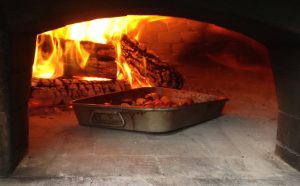
There’s nothing quite like the taste of pizza fresh out of a woodfire oven. The smoky flavors and crispy crust can transform a simple dish into a gourmet experience. However, mastering the art of baking pizza in a woodfire oven requires some know-how. Are you ready to elevate your pizza game? Let’s dive into some essential baking tips for using a woodfire oven.
Optimal Cooking Time
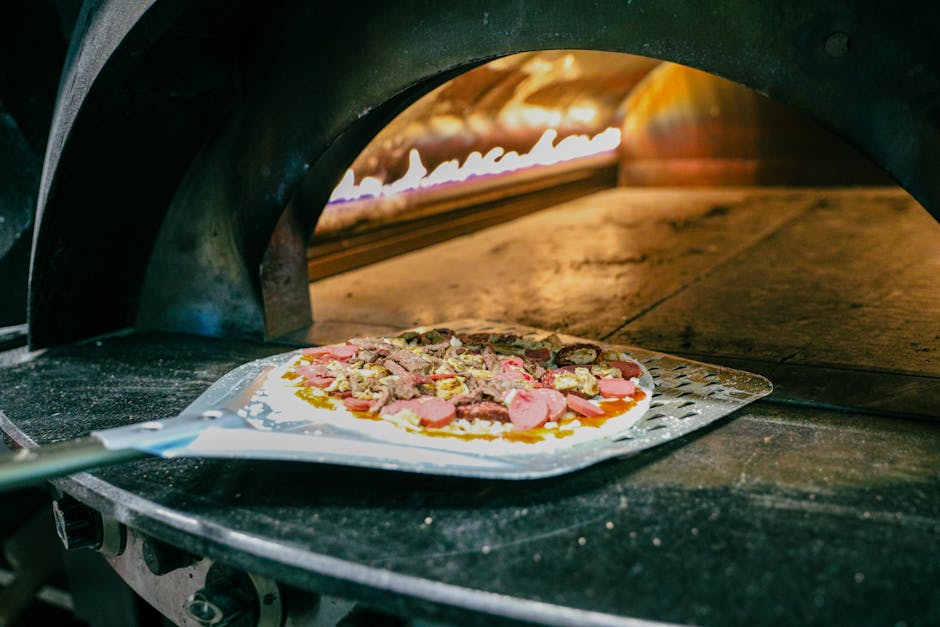
Timing is everything when it comes to woodfire pizza. Unlike conventional ovens, woodfire ovens cook pizza at higher temperatures, usually around 700-900°F. This means your pizza can be ready in just 1-2 minutes!
Keep a close eye on it. The intense heat can quickly burn your crust if left unattended. Have you ever had a pizza turn from perfect to charred in seconds? It happens. Adjust your cooking time based on the thickness of your dough and the toppings you choose.
Monitoring Heat Distribution
Woodfire ovens have a unique heat distribution. Unlike electric ovens, the heat doesn’t come from one source. Instead, it radiates from the fire and the walls. This creates an intense, even cooking environment.
It’s crucial to monitor the heat distribution in your oven. Use an infrared thermometer to check the temperature in different areas. This can prevent uneven cooking and ensure a crispy crust every time.
Consider rotating your pizza halfway through the cooking time. This can help maintain an even bake. Does your pizza sometimes have one side that’s more cooked than the other? Rotating it might be the solution you’ve been missing.
Remember, experimenting with your woodfire oven will help you understand its unique quirks. What’s your favorite woodfire pizza technique? Share your tips below and let’s create the perfect pie together!
Troubleshooting Common Issues
Choosing the right pizza dough for a woodfire oven can prevent common baking issues. A well-hydrated dough helps in achieving the perfect crust, while proper kneading ensures the right texture. Avoid too much flour to prevent dryness and always let the dough rise adequately for best results.
Making pizza in a woodfire oven is a delightful experience. But sometimes, things don’t go as planned. Troubleshooting common issues can save your pizza from disaster. Ever faced sticky dough that refuses to cooperate or dealt with crusts that are more burnt than golden? Let’s dive into these challenges and find solutions.
Dealing With Sticky Dough
Sticky dough can be a real headache. It’s hard to shape and often sticks to surfaces, making the process frustrating. Ensure you’re using the right amount of flour. A little extra can go a long way. Consider the humidity in your kitchen. High humidity can make dough stickier. Try adding a bit more flour if the dough feels too tacky. If you’ve ever felt like your dough is more glue than gourmet, remember: patience is key. Allowing the dough to rest can help it firm up.
Avoiding Burnt Crusts
Burnt crusts are a common issue with woodfire ovens. They heat unevenly, and it’s easy to end up with charred edges. Keep an eye on your pizza as it cooks. Use a pizza peel to rotate your pizza frequently. This helps ensure even cooking. Does your pizza often end up with a burnt crust? Experiment with cooking times and temperatures. Sometimes, a slight adjustment can make all the difference. The joy of pizza-making lies in the details. What challenges have you faced with your pizza dough? Share your thoughts and tips in the comments below!
Frequently Asked Questions
Does Woodfire Pizza Use The Same Dough?
Woodfire pizza often uses a specific type of dough for optimal texture. The dough is usually made with high-protein flour and allowed to ferment for enhanced flavor. While variations exist, the traditional method remains popular for its unique taste and crispness.
Always check with the pizzeria for their specific recipe.
What Is The Best Flour For A Wood Fired Pizza Oven?
Caputo 00 flour is ideal for wood-fired pizza ovens. It offers high gluten content and fine texture. This results in a chewy, airy crust that crisps perfectly. Its high protein level withstands the oven’s intense heat, ensuring optimal pizza quality.
Is Apple Wood Or Hickory Better For Wood Fired Pizza?
Apple wood offers a mild, sweet flavor ideal for wood-fired pizzas. Hickory provides a stronger, smoky taste. Choose apple for delicate flavors and hickory for a bolder profile. Personal preference determines the best choice for your pizza. Experiment to find your perfect match.
What Is The 55 Rule For Pizza?
The 55 rule for pizza means baking pizza at 550°F for 5 minutes. This ensures a crispy crust and evenly cooked toppings. It mimics the high-temperature conditions of a traditional pizza oven, resulting in a delicious homemade pizza experience.
Conclusion
Discovering the best pizza dough for your woodfire oven enhances every bite. Simple ingredients create a crust with a perfect texture and flavor. Experiment with flour types and hydration levels for unique results. Practice makes perfect; try different recipes to find your favorite.
Woodfire ovens bring out the best in homemade dough. A hot stone creates a crispy crust, while the oven’s warmth adds a smoky touch. Homemade pizza is both rewarding and delicious. Gather friends or family, and enjoy your woodfire pizza creations.
Your pizza nights will be memorable and tasty!