Affiliate Disclosure: This post may contain affiliate links. If you purchase through links on our site, we may earn an affiliate commission at no extra cost to you.
Imagine the aroma of freshly baked dinner rolls wafting through your kitchen, soft and warm, ready to complement any meal. You’re just a few steps away from turning that enticing vision into reality.
These aren’t just any dinner rolls; they are the best recipe for dinner rolls that you’ll ever come across. Why settle for store-bought when you can create something extraordinary right in your oven? This recipe is designed with you in mind, simple yet foolproof, and guaranteed to delight.
Dive in and discover how you can transform basic ingredients into the star of your dinner table. Don’t miss out on impressing your family and friends with your baking prowess. Keep reading to unlock the secrets behind these irresistible rolls that will have everyone asking for seconds.
Ingredients For Soft Dinner Rolls
Crafting the perfect soft dinner rolls starts with the right ingredients. The magic lies in the balance of pantry staples and creative add-ins. These will give your rolls a delightful texture and flavor.
Essential Pantry Items
Flour is the backbone of any good roll. Use all-purpose flour for soft, fluffy rolls. Yeast, either instant or active dry, helps the dough rise beautifully. Sugar enhances flavor and gives a slight sweetness. Salt balances the sweetness and strengthens the dough. Milk or water adds moisture to the rolls. Butter enriches the dough, offering a tender bite. Eggs bring richness and help bind the ingredients.
Optional Add-ins For Flavor
Herbs like rosemary or thyme can elevate your rolls. Garlic powder adds a subtle savory note. Cheese, such as cheddar or parmesan, melts into the dough. Nuts like walnuts or pecans provide a crunchy texture. Honey or molasses gives a unique sweetness. Seeds like sesame or poppy add a delightful crunch. Experiment with these add-ins for a personalized touch.
Preparing The Dough
Preparing the dough is the first step to delicious dinner rolls. The dough forms the base, giving rolls their soft texture. The process involves mixing ingredients and kneading techniques. Let’s explore how to prepare dough for perfect rolls.
Mixing Wet And Dry Ingredients
Start by gathering all necessary ingredients. Combine flour, yeast, sugar, and salt in a bowl. These dry ingredients form the base of your dough. In another bowl, mix milk, eggs, and melted butter. These wet ingredients add moisture to the dough. Ensure both mixtures are well blended.
Pour the wet mixture into the dry bowl. Stir until the dough forms a sticky mass. The dough should be slightly sticky to touch. Check consistency by pressing lightly with fingers. It should not be too dry or too wet.
Kneading Techniques
Turn the dough onto a floured surface. Begin kneading with the heel of your hand. Push the dough forward, fold it back, then turn and repeat. Knead for about 10 minutes to develop gluten. Gluten gives rolls their soft, chewy texture.
Test dough by pressing with a finger. It should bounce back slowly. If not, continue kneading. The dough should feel smooth and elastic. Cover and let it rest in a warm place. Resting allows the dough to rise properly.
First Rise Process
The first rise process is crucial for perfect dinner rolls. This step allows the dough to develop flavor and texture. It’s where the magic begins. The yeast activates and creates air pockets. These pockets make your rolls light and fluffy.
Ideal Temperature For Rising
Temperature plays a key role in the rise process. The best temperature range is between 75°F and 85°F. Warm environments help yeast grow effectively. Avoid cold or very hot areas. Cold slows down the yeast. Hot can kill it. Use a thermometer for accuracy.
Time Considerations
The rise time impacts the dough’s texture. Typically, it takes 1 to 2 hours. The dough should double in size. Check it every 30 minutes. If it hasn’t doubled, give it more time. Patience leads to perfect rolls. Don’t rush this step.
Shaping The Rolls
Shaping dinner rolls is a fun and rewarding process. It transforms simple dough into beautiful, fluffy rolls. This step adds texture and appeal to your meal. With the right techniques, you can create rolls that look and taste amazing.
Dividing Dough Evenly
Start by dividing your dough into equal pieces. Use a kitchen scale for accuracy. This ensures every roll bakes evenly. Consistent size helps them cook at the same rate. Cut the dough into sections, aiming for similar weights.
Roll each section into a ball. Tuck the edges under to form a smooth surface. Keep the dough covered to prevent drying out. Moist dough is easier to shape and results in softer rolls.
Forming Perfect Roll Shapes
After dividing, focus on shaping each piece. Place the dough ball on a clean surface. Press gently to flatten slightly. Cup your hand over the dough. Use a circular motion to shape into a round ball.
Ensure the bottom of the roll is sealed. Pinch any seams to prevent splitting while baking. Arrange the rolls on a baking tray. Leave space between each roll for rising.
Let the shaped rolls rest for a final rise. This gives them time to puff up. Bake until golden brown, and enjoy their perfect shape and softness.
Second Rise Tips
Discover the secrets to perfect dinner rolls with these second rise tips. Achieve soft and fluffy rolls by letting the dough rise twice. This extra step enhances texture, making each bite irresistible.
Perfecting dinner rolls requires attention to detail, especially during the second rise. This step is crucial for achieving that fluffy, airy texture we all crave. If you’re aiming for dinner rolls that impress, understanding how to manage the second rise can make all the difference. Let’s dive into some practical tips that ensure your rolls rise to the occasion.
Creating A Warm Environment
Creating a warm environment for your dough is essential. Think of it as giving your dough a cozy place to relax and expand. A warm kitchen corner or a slightly heated oven can do wonders. You might have noticed that dough rises faster in the summer. That’s because warmth encourages yeast activity. If your kitchen is cold, try turning on your oven to the lowest setting for a few minutes, then turn it off and let the dough rise inside. A personal favorite trick is using a microwave. Boil a cup of water, place it in the microwave next to your covered bowl of dough, and close the door. The steam creates a perfect warm, humid environment without much hassle.
Avoiding Over-proofing
Timing is key to avoid over-proofing. Over-proofed rolls can collapse and lose their structure. You want them to be just right—light and airy but still holding their shape. Set a timer and keep an eye on your dough. Typically, the second rise should take about 30-45 minutes, but it can vary depending on your environment. Gently press your finger into the dough; if the indentation springs back slowly, it’s ready to go. I’ve learned the hard way that over-proofed dough can lead to disappointment. One holiday, I got distracted by a movie and left the dough too long. The rolls tasted fine, but they lacked that beautiful dome shape. Lesson learned: pay attention to your dough. Have you ever wondered why some rolls are so fluffy and others dense? The magic often lies in how well you manage the second rise. By paying attention to your dough’s environment and timing, you can bake rolls that are consistently perfect.
Baking The Rolls
Discover the charm of homemade dinner rolls with this simple recipe. Soft and fluffy, these rolls complement any meal perfectly. Enjoy the comforting aroma and delightful taste that make dinner special.
Baking the perfect dinner rolls is a delightful experience that fills your kitchen with the comforting aroma of fresh bread. The key to achieving those soft, fluffy rolls lies not just in the recipe, but in the art of baking them to perfection. As you prepare to bake your dinner rolls, understanding the right techniques can make all the difference.
Optimal Oven Settings
Setting your oven to the right temperature is crucial. Preheat your oven to 375°F (190°C). This temperature ensures your rolls bake evenly with a golden-brown crust. Use the middle rack for the best heat distribution. It prevents the bottoms of the rolls from browning too quickly. If your oven has hot spots, try rotating the tray halfway through the baking time.
Checking For Doneness
Wondering how to tell if your rolls are done? Look for a rich, golden color on top. Gently tap the top of a roll. If it sounds hollow, they’re ready. An internal temperature of 190°F (88°C) is perfect. Use a kitchen thermometer for accuracy. This ensures the inside is cooked without drying out the crust. Baking is more than just following instructions—it’s an act of love that requires a bit of intuition. Each oven is different, and sometimes you need to trust your senses. Remember the time when my first batch of rolls came out pale and undercooked? A few adjustments, and now they’re a family favorite. Keep experimenting and find what works best for you. What little tricks have you discovered in your baking adventures?
Finishing Touches
Crafting delicious dinner rolls involves simple ingredients and easy steps. Begin with fresh flour and active yeast. Knead until smooth, then let rise. Bake until golden brown and serve warm for a perfect finishing touch to any meal.
Finishing touches are the magic that transforms your dinner rolls from merely delicious to utterly irresistible. You’ve crafted the dough, baked it to perfection, and now it’s time to add those final flourishes that will make your rolls stand out. These simple steps can elevate your rolls, making them the star of any meal.
Brushing With Butter
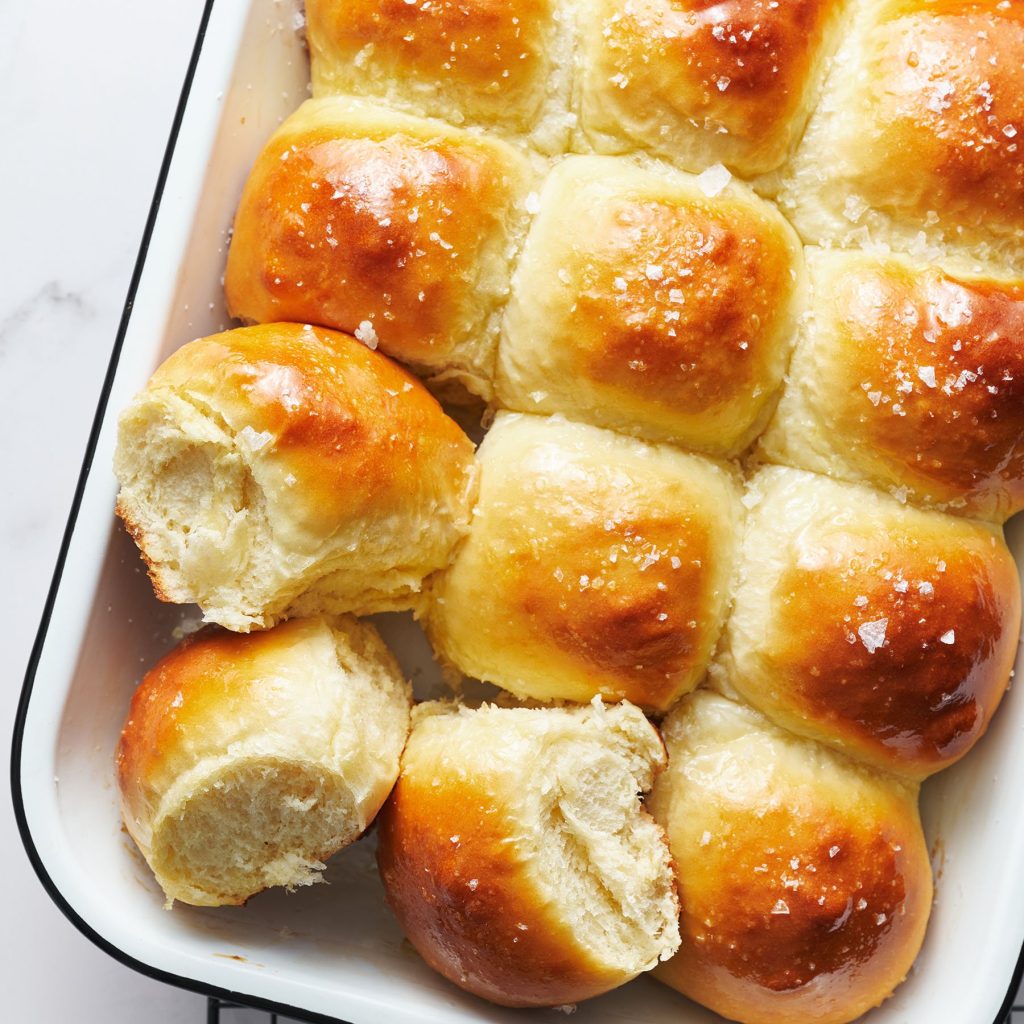
Once your rolls are out of the oven, the first thing to do is brush them with melted butter. This step is crucial for adding richness and a beautiful, glossy finish. Melt a few tablespoons of unsalted butter and use a brush to apply a generous layer over the hot rolls. The butter seeps into the crust, making it tender and flavorful. You might be surprised at how this small step can enhance the aroma and taste. If you’re a fan of garlic, try adding a pinch of garlic powder to the butter before brushing. This gives the rolls a subtle, savory kick that pairs well with any main dish.
Adding Toppings
Toppings aren’t just for decoration—they add texture and flavor too. Consider sprinkling your rolls with sea salt for a crunchy finish. Or, if you prefer something sweeter, try a light dusting of cinnamon sugar. For those who enjoy seeds, a mix of poppy and sesame seeds can add a delightful crunch. Have you ever tried using herbs? A sprinkle of dried rosemary or thyme can give your rolls an aromatic twist. Experiment with different toppings to discover your favorite combination. What about adding a touch of cheese? Grated Parmesan or cheddar can melt into a savory crust that complements any meal. These finishing touches allow you to personalize your rolls, making each batch uniquely yours. Which topping will you try first?
Serving Suggestions
There’s something magical about the aroma of freshly baked dinner rolls wafting through your kitchen. But to truly elevate your dining experience, consider how you serve these delightful rolls. Below, you’ll find practical serving suggestions that will transform your dinner rolls from simple side dish to showstopper.
Pairing With Meals
Dinner rolls are versatile. Imagine serving them alongside a rich, hearty stew. The rolls can soak up the delicious gravy, adding depth to every bite.
Try pairing them with roasted chicken and vegetables. The soft texture of the rolls complements the crispiness of the roast, creating a symphony of flavors.
If you’re hosting a fancy dinner, serve the rolls with a charcuterie board. The combination of meats and cheeses with the rolls is a hit at any party.
Have you thought about serving them with a fresh salad? The rolls provide a satisfying contrast to the crunchiness of the greens.
What unique meal pairings have you tried with dinner rolls?
Storing Leftovers
Leftover rolls can be a delight if stored properly. Keep them in an airtight container to maintain their softness.
If you won’t eat them within a couple of days, freezing is a great option. Wrap them tightly in foil and place them in the freezer.
Defrost by leaving them at room temperature or warming them in the oven. This brings back the freshness and warmth.
How do you usually store your leftover rolls? Do you have any tips to share?
By considering these serving suggestions, you can turn your dinner rolls into a memorable part of the meal. Next time you bake them, think about how you’ll serve them to make your dinner truly special.
Frequently Asked Questions
What Makes Dinner Rolls Light And Fluffy?
Proper yeast activation and dough kneading create light and fluffy dinner rolls. Use warm liquids to activate yeast. Knead the dough until smooth and elastic. Allow dough to rise in a warm place until doubled in size. These steps ensure airy and soft rolls.
What Is The Best Flour To Use For Dinner Rolls?
Bread flour is best for dinner rolls. It contains more protein, creating a soft, chewy texture. For a tender result, you can also mix it with all-purpose flour. This combination helps achieve fluffy rolls with the perfect balance of structure and softness, making them delicious and irresistible.
How To Make Dinner Rolls Taste Better?
Enhance dinner rolls by brushing them with melted butter before baking. Add garlic powder or herbs for extra flavor. Serve warm with honey or flavored butter. Experiment with adding cheese or spices to the dough for a unique twist. Fresh, high-quality ingredients always improve taste.
Why Are My Homemade Dinner Rolls So Dense?
Dense dinner rolls often result from insufficient kneading, incorrect yeast activation, or inadequate rising time. Ensure the yeast is fresh and water is the right temperature. Knead dough thoroughly to develop gluten. Allow ample time for rising in a warm environment to achieve light, fluffy rolls.
Conclusion
Creating perfect dinner rolls is easier than you think. Follow the steps. Enjoy warm, fluffy rolls with any meal. Your family will love them. Baking at home brings joy and comfort. Practice makes each batch better. These rolls are ideal for gatherings or quiet dinners.
Remember, fresh ingredients make a big difference. Share this recipe with friends who love baking. They will appreciate it. Homemade dinner rolls add a special touch. Simple, delicious, and satisfying. Try this recipe today. You’ll be glad you did. Happy baking!