Affiliate Disclosure: This post may contain affiliate links. If you purchase through links on our site, we may earn an affiliate commission at no extra cost to you.
Imagine the aroma of freshly baked pizza filling your kitchen. The cheese bubbling, the crust perfectly golden, and the toppings sizzling just right.
Mouth-watering, isn’t it? But achieving that perfect pizza at home often hinges on one crucial factor: the oven temperature. If you’ve ever wondered why your homemade pizza doesn’t quite match the pizzeria’s, you’re not alone. The secret often lies in the heat.
You’ll discover the best temperature to bake your pizza to perfection. Uncover the science behind the heat and learn how to transform your kitchen into a pizza lover’s paradise. Ready to elevate your pizza game? Let’s dive in and unlock the secrets to achieving that irresistible pizzeria quality right in your own home.
Ideal Oven Temperature
Finding the perfect oven temperature is key to making great pizza. The right heat ensures a crispy crust and melted cheese. Too hot or too cold can ruin your efforts.
Let’s explore the ideal oven temperature for pizza. It makes all the difference.
Home Oven Temperature
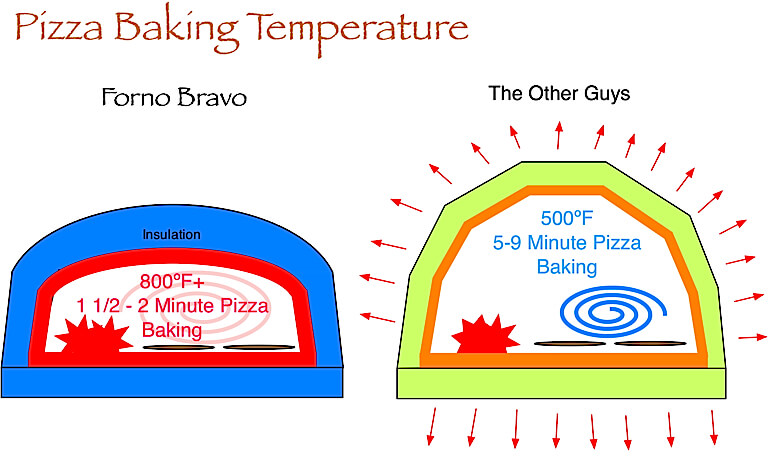
Most home ovens max out at 500°F (260°C). This is usually sufficient for a good pizza. Preheating is crucial. It ensures the oven reaches the desired temperature.
Using a pizza stone or steel can also help. These tools mimic a traditional pizza oven.
Commercial Oven Temperature
Commercial ovens reach much higher temperatures. They often range from 700°F to 900°F. This high heat cooks pizza quickly. It delivers the perfect balance of crispy and chewy.
These ovens are great for authentic Neapolitan-style pizza. The dough puffs up nicely under intense heat.
Convection Oven Temperature
Convection ovens circulate hot air around the pizza. This leads to even cooking. Set these ovens at 450°F to 475°F for pizza. The fan helps achieve a uniform crust and toppings.
Adjust the cooking time as needed. Different ovens may vary slightly.
Wood-fired Oven Temperature
Wood-fired ovens are traditional and authentic. They can reach up to 900°F. This intense heat cooks pizza in 60 to 90 seconds. The result is a smoky flavor and a crisp crust.
Maintaining a consistent temperature is key. Regularly add wood to sustain the heat.
Tips For Maintaining Temperature
Always preheat your oven. This ensures even cooking from start to finish. Use an oven thermometer for accuracy. Oven dials can sometimes be off.
For best results, experiment a little. Every oven is unique, so find what works best for you.
Factors Affecting Temperature Choice
Choosing the right oven temperature impacts pizza’s texture and flavor. A range between 475°F and 500°F is ideal for a crispy crust and melted cheese. Consider factors like dough type and toppings for perfect results.
Factors affecting temperature choice play a crucial role in pizza perfection. Understanding these elements helps in achieving a crispy crust, melted cheese, and flavorful toppings. Each factor interacts with oven heat, impacting the final result. Dive into the nuances of dough type, crust thickness, and toppings to grasp their influence.
Type Of Dough
Dough type dictates the temperature needed for baking. Thin crust doughs cook quickly at higher temperatures. They need intense heat for crispiness. Thick doughs require lower temperatures for thorough cooking. Sourdough bases often need moderate heat. Yeasted doughs can handle higher temperatures.
Thickness Of Crust
Crust thickness greatly affects temperature settings. Thin crust pizzas thrive at 475°F or higher. They crisp up quickly without overcooking toppings. Thick crusts need 375°F to 425°F. Lower temperatures ensure they cook evenly inside. A well-balanced crust offers a delightful bite.
Toppings And Ingredients
Toppings influence the required heat level. Fresh vegetables need careful temperature management. High heat can dry them out. Meats require thorough cooking, demanding higher temperatures. Cheese melts well at moderate heat. Complex toppings need balanced heat for optimal results.
Temperature Settings For Home Ovens
Whether you’re a seasoned pizza enthusiast or just starting to explore homemade pizza-making, understanding the right temperature settings for your home oven can make all the difference. Cooking pizza at the correct temperature ensures a perfectly crisp crust, gooey cheese, and well-cooked toppings. But what settings should you use in conventional versus convection ovens? Let’s dive into that!
Conventional Ovens
Conventional ovens are commonly found in households, and they use top and bottom heating elements to cook food evenly. For a crispy pizza crust, set your oven to 450°F (232°C). This high temperature allows the crust to cook quickly, maintaining its moisture and texture.
Consider preheating your oven for at least 20 minutes to ensure an even temperature. If you’ve ever made a pizza and ended up with a soggy center, it might be because the oven wasn’t hot enough. Make sure to place your pizza on the middle rack for optimal heat distribution.
Convection Ovens
Convection ovens are a game changer for pizza lovers. They have a fan that circulates hot air, cooking food more evenly and quickly. You can set the oven to 425°F (218°C) for convection baking. The fan helps achieve that perfect golden crust without drying out the toppings.
If you’ve never used the convection setting for pizza before, give it a try. You might find that your pizza cooks faster, and with a more even texture. Do you want to experiment with the oven settings and tweak the temperature slightly? You might discover a personal favorite that works best for your homemade pizza.
So, next time you’re ready to make pizza, remember that the right temperature setting can transform your homemade pie into something extraordinary. Will you be using your conventional oven or taking advantage of the convection feature? Either way, your pizza is sure to be delicious!
Credit: grillscapes.com
Professional Pizza Oven Temperatures
Achieving the perfect pizza crust requires the right oven temperature. Professional pizza ovens maintain consistent heat, crucial for quality pies. Each oven type offers unique benefits, impacting taste and texture.
Wood-fired Ovens
Wood-fired ovens reach high temperatures quickly. They often range between 700 to 900 degrees Fahrenheit. This intense heat imparts a smoky flavor, enhancing the pizza’s taste. The crispy crust forms rapidly, trapping moisture inside. Wood-fired ovens require skill to maintain consistent heat. The wood type influences the oven’s temperature and flavor profile.
Gas And Electric Ovens
Gas and electric ovens offer more control. Their temperatures range from 500 to 600 degrees Fahrenheit. These ovens ensure uniform cooking, ideal for consistent results. Electric ovens distribute heat evenly, reducing hot spots. Gas ovens can adjust heat quickly, suitable for different pizza styles. Both types are user-friendly and efficient for home cooks.
Tips For Perfect Pizza Crust
Creating the perfect pizza crust requires precision and care. The right oven temperature is crucial for achieving a crispy and delicious crust. High heat helps the dough rise quickly, forming a crunchy outside while keeping the inside soft. Follow these tips to bake the ideal crust every time.
Preheating The Oven
Start by preheating the oven to 475°F (245°C). A hot oven ensures the crust cooks evenly. Let the oven heat for at least 30 minutes. This prepares the oven to maintain a consistent temperature.
Using A Pizza Stone Or Steel
A pizza stone or steel can enhance your crust. These tools distribute heat evenly across the dough. Place them in the oven before preheating. They retain heat, making the bottom of the crust crispy.
Monitoring Baking Time
Keep a close eye on the baking time. Most pizzas cook in 10 to 15 minutes. Check the crust after 10 minutes. Look for a golden-brown color. This indicates the crust is done. Adjust the time based on your oven’s performance.
Common Mistakes To Avoid
Choosing the right oven temperature for pizza is crucial. Many people mistakenly set the temperature too low, resulting in a soggy crust. Baking at 475°F to 500°F ensures a crispy, well-cooked pizza.
When it comes to baking the perfect pizza, achieving the right temperature is crucial. However, several common mistakes can throw off your pizza game. By understanding these pitfalls, you can ensure your pizza is always baked to perfection. Here’s a look at some common mistakes to avoid when trying to get that perfect pizza temperature in your oven.
Overloading With Toppings
It’s tempting to pile on every topping you love. I’ve been there, eagerly adding pepperoni, mushrooms, extra cheese, and even more cheese! But too many toppings can lead to a soggy base and uneven cooking. When you overload your pizza, it becomes difficult for the oven heat to penetrate through to the crust. This often results in a pizza that’s burnt on the top but undercooked beneath. Instead, choose a few quality toppings and spread them evenly.
Inconsistent Oven Heat
Every oven is a little different, and maintaining a consistent heat can be a challenge. Have you ever set your oven to the recommended temperature, only to find your pizza is either overcooked or raw in places? This inconsistency can ruin your perfect pizza. Using an oven thermometer can help you keep an eye on the actual temperature, not just what your dial reads. Regularly check your pizza while it bakes to ensure even cooking. Adjust your oven settings as needed to maintain a steady heat throughout the process. By avoiding these common mistakes, you can enjoy a perfectly cooked pizza every time. What other tricks have you discovered to keep your homemade pizza from turning into a kitchen disaster?
Frequently Asked Questions
Should I Cook Pizza At 450 Or 500?
Cook pizza at 500°F for a crispy crust and evenly melted toppings. Use 450°F for a softer crust. Adjust based on preference and oven performance. Always preheat your oven for best results.
Should Pizza Be At 375 Or 400?
Bake pizza at 400°F for a crispy crust and bubbly cheese. 375°F is suitable for thicker crusts. Adjust based on your preference and recipe instructions for the best results.
What Is The Best Oven Temperature For Homemade Pizza?
For homemade pizza, the best oven temperature is 475°F to 500°F (245°C to 260°C). This high heat ensures a crispy crust and evenly cooked toppings. Preheat the oven thoroughly for optimal results. Use a pizza stone or baking sheet for better heat distribution.
How Long To Bake Homemade Pizza At 425 Degrees?
Bake homemade pizza at 425 degrees for 12 to 15 minutes. Check for a golden crust and melted cheese. Adjust time based on thickness and toppings. Enjoy your delicious pizza!
Conclusion
Finding the right oven temperature makes pizza delicious. A hotter oven cooks pizza quickly. This creates a crispy crust. Also, a hot oven melts cheese perfectly. Remember to preheat the oven well. This helps in even cooking. Use a pizza stone for best results.
It mimics a brick oven. Experiment with temperatures between 475°F and 500°F. Different ovens may vary. So, keep an eye on your pizza. Enjoy the process. Happy baking!