Are you tired of scrubbing away stubborn stains and burnt bits from your favorite bakeware? You’re not alone.
Many baking enthusiasts face the same frustrating challenge. But here’s the good news: cleaning bakeware doesn’t have to be a daunting task. Imagine opening your kitchen cabinet to find your baking pans gleaming and spotless, ready for your next culinary masterpiece.
This guide is here to transform that dream into your reality. We’ll explore practical, easy-to-follow techniques to ensure your bakeware stays in pristine condition, saving you time and effort. So, if you’re ready to discover the secrets to maintaining your bakeware effortlessly, keep reading. Your baking adventures are about to get a whole lot easier and more enjoyable.
Types Of Bakeware Materials
Choosing the right bakeware material can transform your baking experience. Each type has its unique attributes, affecting how your cakes rise and how easy your pans are to clean. Let’s delve into the specifics of glass, ceramic, metal, and silicone bakeware materials.
Glass
Glass bakeware is a favorite for its transparency. You can easily monitor the browning of your dish without opening the oven.
It heats evenly, making it ideal for casseroles and pies. However, glass is prone to shattering if exposed to sudden temperature changes.
Next time you bake a lasagna, try using a glass dish. You’ll notice a nice, even crust forming on the edges.
Ceramic
Ceramic bakeware offers aesthetic appeal and functionality. It retains heat well, keeping your food warm longer after it’s out of the oven.
It’s perfect for serving directly at the table. Beware, though, ceramic can be heavy and more challenging to handle.
Have you ever tried baking a bread pudding in a ceramic dish? The outcome is a beautifully cooked dessert with a crisp top and soft interior.
Metal
Metal bakeware, such as aluminum or steel, is the workhorse of the kitchen. It heats up quickly and distributes heat evenly.
These are great for baking cookies and cakes. However, they might not be the best for acidic foods like tomatoes, which can react with the metal.
Metal pans often come with non-stick coatings, which make cleaning a breeze. Have you found your favorite cake recipe yet? Try it in a metal pan for a perfect rise.
Silicone
Silicone bakeware is relatively new but has gained popularity for its flexibility and non-stick properties. Removing baked goods is effortless, without the need for greasing.
However, it may not brown your cookies as well as metal or glass. Silicone is also dishwasher safe, making clean-up super easy.
Next time you bake muffins, use a silicone mold. You might be surprised at how easily they pop out, perfectly formed.
Each bakeware material brings something unique to the table. Which one will you choose for your next baking adventure?
Credit: www.thekitchn.com
Common Baking Residues
Sticky dough, burnt bits, and oily residue often cling to bakeware. These common baking residues demand regular cleaning for spotless results. Simple cleaning can make your bakeware last longer and stay in top condition.
Cleaning bakeware can often feel like an uphill battle, especially when faced with stubborn baking residues that seem to cling onto every surface. Whether you’re an occasional baker or a seasoned pastry chef, you’ve likely encountered the challenge of removing these pesky residues. They can affect the quality of your baked goods and make your bakeware less appealing to use. Understanding common baking residues is the first step toward efficient cleaning and maintaining the longevity of your bakeware.Grease
Grease can be a persistent adversary in the kitchen. When you’re baking, the oils and fats in your recipes can cling to the surface of your bakeware, leaving it slick and grimy. A simple solution is to sprinkle some baking soda onto the greasy surface and scrub gently with a damp sponge. Baking soda acts as a mild abrasive and can break down grease effectively. Have you ever tried using vinegar? It can cut through grease and leave your bakeware sparkling clean. Just apply vinegar to the greasy area, let it sit for a few minutes, then wipe away with a cloth.Burnt Food
There’s nothing more frustrating than dealing with burnt food stuck to your bakeware. It often feels like no amount of soaking will ever loosen it up. The trick is to use a mixture of hot water and dish soap. Fill your bakeware with this mixture and let it soak overnight. In the morning, the burnt food will be easier to scrape off. A personal tip: use a wooden spatula to avoid scratching the surface of your bakeware. Have you ever noticed how metal utensils can damage it over time?Sticky Residues
Sticky residues can transform your bakeware into a sticky mess. Sugar and syrup-based residues are particularly stubborn and can be challenging to remove. One effective method is to use warm water mixed with lemon juice. The acid in the lemon helps break down the sticky substances, making them easier to clean. Have you tried using a silicone spatula? It’s gentle on your bakeware and perfect for lifting sticky residues without causing scratches.Next time you’re faced with baking residues, remember these tips to make cleaning your bakeware a breeze. What other cleaning hacks have you discovered in your kitchen adventures?
Essential Cleaning Tools
Cleaning bakeware can be a daunting task. Stubborn stains and baked-on residue can make the process challenging. But with the right tools, it becomes manageable. Essential cleaning tools can make a world of difference. Let’s explore some of these tools.
Sponges And Scrubbers
Sponges are versatile and effective. They help remove light stains and residue. For tougher grime, scrubbers are your friend. They offer more friction. This makes them ideal for baked-on food. Choose a non-abrasive type to protect surfaces.
Baking Soda
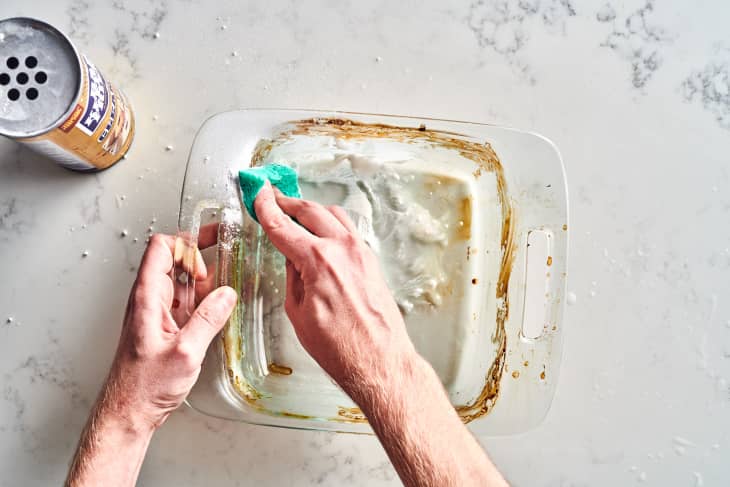
Baking soda is a mild abrasive. It’s perfect for scrubbing without scratching. Mix it with water to form a paste. Apply to the stained area. Let it sit for a few minutes. Then, scrub gently. Stains will lift easily.
Vinegar
Vinegar is a powerful cleaner. It cuts through grease and grime. Use it to soak bakeware. This helps loosen stubborn stains. Combine it with baking soda for a fizzing effect. This combination is excellent for deep cleaning.
Dish Soap
Dish soap is a staple in any cleaning routine. It breaks down oils and fats. Use it with warm water. A sponge or cloth helps distribute it evenly. Rinse thoroughly to avoid soap residue. This leaves bakeware sparkling clean.
Cleaning Glass Bakeware
Sparkling clean glass bakeware enhances kitchen aesthetics. Use warm water and mild detergent for effective cleaning. Baking soda gently removes stubborn stains.
Cleaning glass bakeware can sometimes feel like a daunting task, especially after hosting a large gathering or baking a delicious casserole. Yet, with the right techniques, you can restore the sparkle to your glass dishes with ease. Glass bakeware is prized for its ability to distribute heat evenly, but it often ends up with stubborn stains and baked-on residue. Let’s explore some practical methods to make your glass bakeware look brand new.Soaking Method
The simplest approach to tackle tough stains is the soaking method. Fill your sink or a large basin with warm water and a few drops of dish soap. Let your glass bakeware soak for at least 30 minutes. This loosens the residues, making them easier to scrub away. Do you ever recall the times when you let a dish sit in the sink, only to find it much easier to clean later? This is the same principle. For extra stubborn stains, consider soaking overnight. Just ensure the water doesn’t evaporate completely.Using Baking Soda Paste
Baking soda is a versatile cleaning agent that works wonders on glass bakeware. Create a paste by mixing baking soda with a little water until it reaches a thick, spreadable consistency. Apply the paste to the stained areas using a sponge or cloth. Ever wonder why baking soda is so effective? Its mild abrasiveness makes it ideal for scrubbing without scratching the glass surface. Leave the paste on for 15-20 minutes, then scrub gently and rinse thoroughly with warm water. Both these methods are not only effective but also economical. They use items you likely already have at home. So, next time your glass bakeware looks less than pristine, try these techniques and enjoy the satisfaction of seeing them shine. Have you tried these methods, or do you have other tricks up your sleeve for cleaning glass bakeware?Ceramic Bakeware Care
Caring for ceramic bakeware helps maintain its beauty and functionality. Ceramic bakeware is durable and offers excellent heat distribution. Proper care extends its lifespan and keeps it looking fresh.
Avoiding Scratches
Ceramic surfaces are prone to scratches. Avoid using metal utensils on ceramic bakeware. Opt for silicone, wooden, or plastic utensils. These materials are gentle and prevent surface damage. Store ceramic bakeware carefully to prevent scratches. Stack with a soft cloth or paper towel between pieces.
Gentle Cleaning Techniques
Clean ceramic bakeware gently to preserve its glaze. Use warm water and mild dish soap. Avoid abrasive cleaners and scrubbers. Soft sponges or cloths work best. For stubborn stains, soak the bakeware in warm water. Add a little baking soda to the water for extra cleaning power. Rinse thoroughly and dry completely before storage.
Metal Bakeware Maintenance
Proper care keeps metal bakeware shining. Scrub gently with warm water and mild soap to remove residues. Dry thoroughly to prevent rust.
Cleaning bakeware is essential for preserving its life and performance. Metal bakeware, known for its durability, needs special care to maintain its quality. Proper maintenance helps avoid rust and retains its shiny appearance. Understanding the right techniques can make this task easy and effective.Removing Rust
Rust can damage your metal bakeware over time. To remove rust, use a paste of baking soda and water. Apply the paste on the rusted area and let it sit for 30 minutes. Scrub gently with a soft brush or cloth. Rinse thoroughly and dry completely to prevent future rusting.Polishing Techniques
Polishing keeps metal bakeware looking new and shiny. Use a mixture of vinegar and water for polishing. Dip a soft cloth in the solution, then rub the surface gently. For stubborn spots, add a bit of baking soda. Rinse with clean water and dry with a soft towel. This method helps maintain the bakeware’s natural luster.Silicone Bakeware Cleaning
Silicone bakeware cleaning is simple with warm, soapy water. Gently scrub using a soft sponge to remove residue. Ensure thorough drying to prevent mold and odors.
Cleaning silicone bakeware may seem daunting at first, but it’s actually quite simple once you know the right techniques. Silicone is favored for its non-stick properties and flexibility, but it can sometimes hold onto stubborn stains and odors. With a few easy methods, you can keep your silicone bakeware looking and smelling fresh.Non-abrasive Methods
You might wonder if scrubbing harder will get the grime off your silicone bakeware. Resist the urge to use abrasive sponges or steel wool. These can damage the surface and reduce its lifespan. Instead, soak your bakeware in warm soapy water for about 15 minutes. A mild dish soap works best for loosening any stuck-on bits. After soaking, use a soft sponge or cloth to gently wipe away residue. For tough spots, a silicone spatula can help scrape without scratching.Odor Removal Tips
Ever baked a batch of garlic bread and found your silicone bakeware still smelled like it weeks later? Odors can be tricky with silicone, but not impossible to tackle. Try a baking soda paste made by mixing a few tablespoons with water. Spread it over your bakeware and leave it on for at least an hour before rinsing. Another option is to soak your silicone bakeware in a solution of equal parts vinegar and water. Let it sit overnight, then wash as usual. This can help neutralize unwanted smells. Have you ever noticed how a little vinegar can change everything? It’s a kitchen superhero that many overlook. Silicone bakeware is a kitchen staple, and keeping it clean ensures your food tastes the way it should. What cleaning tips have you discovered that make your life easier?
Credit: www.amazon.com
Preventing Bakeware Damage
Properly cleaning bakeware helps prevent damage and extends its life. Use gentle scrubbers and mild detergents to maintain its condition. Dry thoroughly to avoid rust and stains.
Preventing damage to your bakeware is important for its longevity. Proper care ensures your bakeware lasts longer and performs well. Let’s dive into some practical tips to keep your bakeware in top shape.Avoiding Extreme Temperatures
Bakeware can crack or warp with sudden temperature changes. Always allow your bakeware to cool before washing. Avoid placing hot bakeware into cold water or a fridge. This sudden shift can cause damage. Use oven mitts or trivets to protect your bakeware from extreme heat.Proper Storage Solutions
Storing bakeware correctly prevents scratches and dents. Stack similar items together to save space. Use protective sheets between items to avoid direct contact. This simple step reduces the risk of scratches. Place heavier items at the bottom to prevent crushing lighter bakeware.Eco-friendly Cleaning Options
Choosing eco-friendly cleaning options for your bakeware is a wise choice. These methods are gentle on the environment and safe for your health. Many people are turning to natural solutions to keep their bakeware clean and shiny. You don’t need harsh chemicals to achieve great results. Let’s explore some effective and green cleaning methods.
Natural Cleaning Agents
Baking soda is a powerful natural cleaner. It cuts through grease easily. Mix it with water to form a paste. Apply this paste to your bakeware. Let it sit for 15 minutes. Scrub gently with a cloth or sponge. Rinse well with warm water. Vinegar is another great option. It removes odors and stains. Pour some vinegar onto the bakeware. Let it sit for a few minutes. Wipe it clean with a cloth.
Reducing Chemical Use
Using fewer chemicals is better for the planet. It’s also safer for your family. Many commercial cleaners contain harmful substances. These can irritate your skin and lungs. Opt for simple, natural products instead. Lemon juice is a fantastic cleaner. It cuts through grease and leaves a fresh scent. Combine it with salt for tough stains. Rinse with warm water after cleaning.

Credit: www.amazon.com
Frequently Asked Questions
How Do I Get Baked On Grease Off My Baking Pans?
To remove baked-on grease, sprinkle baking soda on the pan. Add vinegar for a fizzing reaction. Scrub gently with a sponge. For stubborn spots, soak in hot water and soap for 30 minutes, then scrub again. Rinse thoroughly and dry.
How To Clean Sticky Residue Off Baking Pans?
Use baking soda and water to form a paste. Scrub the pan with a sponge. Rinse thoroughly.
How Do I Get Brown Stains Off My Oven Tray?
Mix baking soda with water to form a paste. Apply it to the stains. Let it sit for 15 minutes, then scrub with a sponge or brush. Rinse and dry the tray. Repeat if necessary for stubborn stains. This method is eco-friendly and effective for cleaning oven trays.
How To Sanitize Bakeware?
Clean bakeware with warm, soapy water. Use a soft sponge to scrub gently. Rinse thoroughly and dry completely. For stubborn stains, apply a baking soda paste, scrub, and rinse. Avoid abrasive cleaners to prevent damage.
Conclusion
Clean bakeware makes baking a joy. Simple steps ensure sparkling results. Remove food bits gently with soft tools. Baking soda and vinegar work wonders. For stubborn stains, try a gentle scrub. Rinse thoroughly to avoid residue. Dry bakeware completely before storing.
Regular cleaning extends its life. Happy baking starts with clean tools. Enjoy delicious treats without the worry of stuck-on messes. Keep your bakeware in top shape effortlessly. Follow these tips for stress-free maintenance. A clean kitchen brings peace and satisfaction.
Enjoy baking with confidence and delight.