Are you dreaming of a kitchen that’s not only functional but also a beautiful space where you can whip up culinary masterpieces? Designing a kitchen layout can feel overwhelming, but it doesn’t have to be.
Imagine having a kitchen that flows seamlessly, where everything you need is within arm’s reach, making cooking a joy rather than a chore. This guide will walk you through the essential steps to layout your kitchen design efficiently, turning your vision into reality.
By the end of this article, you’ll have the confidence to create a kitchen that not only meets your needs but also makes your heart sing every time you step inside. Ready to transform your kitchen into the space you’ve always wanted? Let’s dive in!
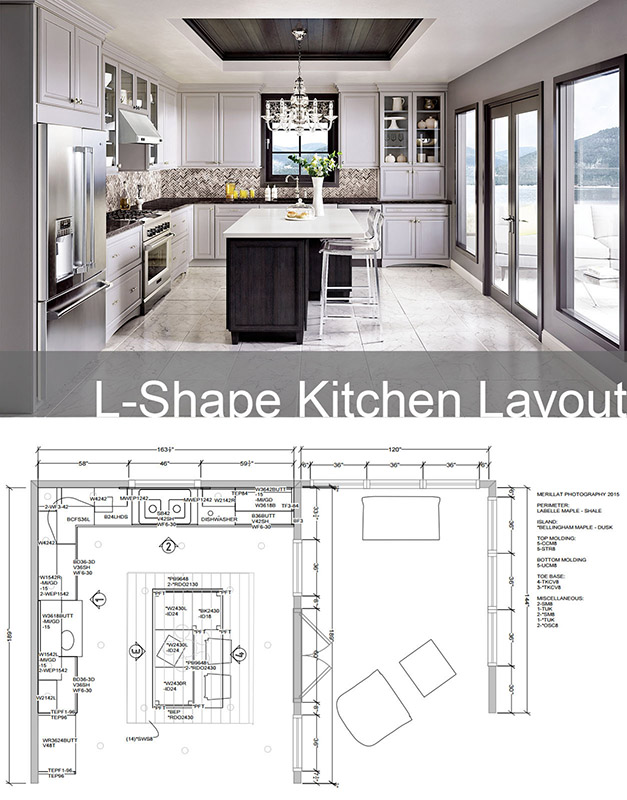
Credit: www.merillat.com
Kitchen Layout Basics
Designing a kitchen begins with understanding the basics of layout. A good kitchen layout makes cooking and cleaning easy. It also enhances the beauty of your home. The layout should fit the needs of everyone who uses the kitchen. It should allow for smooth movement and easy access to items.
Different spaces need different layouts. A small apartment kitchen differs from a large family kitchen. Knowing the basics helps in making the right choices.
Understanding Space Requirements
Space is the most important factor in kitchen design. Measure the available space before planning the layout. Think about how much space you need for cooking, storage, and movement. Consider the size of appliances and furniture. Ensure there is enough room for doors and drawers to open.
Plan for work areas like the sink, stove, and refrigerator. These areas form the kitchen triangle. Keep these areas close to make cooking efficient. A clear path between these points saves time and effort.
Types Of Kitchen Layouts
There are several common kitchen layouts. Each type suits different needs and spaces.
The one-wall layout is perfect for small spaces. It places all cabinets and appliances on a single wall.
The galley layout features two parallel walls. It is great for narrow kitchens.
The L-shaped layout uses two walls. It allows for a more open space and is versatile.
The U-shaped layout uses three walls. It provides plenty of storage and work areas.
An island kitchen includes a central counter. It is ideal for large kitchens and offers extra space.

Credit: www.pinterest.com
Optimizing Workflow
Creating a kitchen design that flows seamlessly is essential for maximizing efficiency. Whether you’re a culinary enthusiast or someone who simply enjoys cooking a quick meal, optimizing the workflow in your kitchen can make a significant difference in how enjoyable and productive your cooking experience is. Consider these strategies for enhancing the workflow in your kitchen layout.
The Work Triangle Principle
Imagine moving effortlessly between the stove, sink, and refrigerator. This is the essence of the work triangle principle, a concept that organizes these three primary areas to form a triangle. Each leg of the triangle should be between four to nine feet long, ensuring easy access without crowding.
Think back to a time when you were juggling multiple dishes and felt like a ping-pong ball, bouncing between appliances. The work triangle minimizes those unnecessary steps, helping you focus more on cooking and less on navigating.
Consider where you stand most often in your kitchen. Are the stove and refrigerator within arm’s reach, or do you have to take several steps to reach them? Rearranging your kitchen to fit the work triangle can transform your cooking routine.
Efficient Appliance Placement
Appliances should be strategically placed to serve your needs. Position the dishwasher near the sink, so you can easily transfer dishes after rinsing. Keep the microwave close to the refrigerator to quickly heat leftovers.
Picture your kitchen during a busy morning rush. Is the coffee maker conveniently located, or do you have to weave through the kitchen to reach it? Efficient appliance placement streamlines your daily routine.
Consider the gadgets you use most frequently. Are they easily accessible, or do you have to dig through cabinets? Smart placement of appliances not only saves time but also makes cooking more enjoyable.
How does your current kitchen layout contribute to your cooking habits? Evaluating and adjusting appliance placement can lead to a more harmonious kitchen environment.
Choosing The Right Materials
Choosing the right materials for your kitchen design is crucial. The materials you select can dramatically impact the look and feel of your space. They also determine the durability and maintenance needs of your kitchen. From countertops to cabinets, each element should complement your lifestyle and aesthetic preferences.
Countertop Options
Countertops serve as the centerpiece of your kitchen. Granite is a popular choice for its natural beauty and durability. It offers a unique pattern and is resistant to scratches. Quartz is another excellent option; it mimics the look of natural stone and requires minimal upkeep. Laminate countertops provide a budget-friendly alternative. They come in various designs and are easy to clean. Butcher block adds warmth and a rustic feel to the space. It’s great for those who love cooking and need ample prep space.
Cabinet Materials
Cabinet materials play a vital role in kitchen design. Solid wood offers timeless elegance and strength. It’s available in various types like oak, cherry, and maple. Veneer materials provide the look of wood at a lower cost. They are lightweight and versatile. Thermofoil cabinets are affordable and easy to maintain. They resist moisture and are great for humid environments. Stainless steel cabinets suit modern kitchens. They are durable and easy to clean, offering a sleek, industrial look.
Incorporating Storage Solutions
Designing a kitchen involves more than choosing colors and appliances. Storage solutions play a crucial role. A well-organized kitchen makes cooking and cleaning easier. It also keeps the space tidy and welcoming. From cabinets to shelves, every inch matters. Clever storage can transform a cramped kitchen into a functional space.
Maximizing Cabinet Space
Cabinets hold the bulk of kitchen items. Proper organization can maximize their utility. Use adjustable shelves to fit pots and pans. Consider pull-out shelves for easy access. Install lazy Susans in corner cabinets. They make use of hard-to-reach areas. Vertical dividers help store baking sheets and cutting boards upright. This prevents clutter and maximizes space.
Innovative Shelving Ideas
Shelves offer flexible storage options. Floating shelves create open space for frequently used items. Install them above countertops for easy access. Use under-cabinet shelves for storing spices and small jars. They keep surfaces clear and organized. Consider adding a pegboard for hanging utensils. This idea saves drawer space and keeps tools within reach.
Lighting And Ambiance
Lighting plays a crucial role in kitchen design. It influences both functionality and mood. Proper lighting ensures tasks are easier and the ambiance is inviting. A well-lit kitchen enhances the overall experience. Thoughtful lighting choices can transform any kitchen space.
Task Lighting Choices
Task lighting focuses on areas where work happens. Under-cabinet lights provide bright illumination for countertops. Pendant lights above islands offer direct light. Recessed lights help eliminate shadows in key work zones. Adjustable track lights can target specific areas. Bright and focused lighting makes cooking safer and easier.
Ambient Lighting Ideas
Ambient lighting sets the mood in a kitchen. Ceiling fixtures like chandeliers create a warm glow. Wall sconces add a touch of style and light. LED strips under cabinets offer soft illumination. Dimmer switches allow control over brightness levels. Ambient lighting contributes to a welcoming kitchen atmosphere.
Color Schemes And Aesthetics
Designing a kitchen involves thoughtful color schemes and aesthetics to create a welcoming space. Choose colors that complement each other and enhance the kitchen’s layout. Balance light and dark tones for a harmonious look.
When planning your kitchen design, color schemes and aesthetics are key elements that can transform your space from ordinary to extraordinary. The right color palette not only enhances the visual appeal but also influences the mood and functionality of your kitchen. Have you ever walked into a kitchen and felt instantly at ease or energized? That’s the power of a well-chosen color scheme. Let’s dive into some popular palettes and how you can balance function and style in your kitchen design.
Popular Color Palettes
Neutral tones are timeless. They create a clean and sophisticated look that easily adapts to changing trends. Imagine soft grays paired with whites and creams, offering a serene backdrop for colorful accessories. Bold colors can bring energy and personality. Think about a navy blue island contrasting with white cabinets. It makes a statement and becomes an instant focal point. Pastels are perfect for a light and airy feel. Soft mint greens or blush pinks can add a touch of whimsy and charm to your kitchen. Have you considered mixing and matching these shades? Combining a neutral base with pops of color can create a balanced and inviting space.
Balancing Function And Style
While aesthetics are important, functionality should never be compromised. Your kitchen is a workspace, after all. Consider the work triangle—sink, stove, and refrigerator. Ensure your color choices don’t interfere with this efficient layout. Brightly colored countertops might be fun, but they shouldn’t become a distraction. Lighting plays a crucial role. Natural light can enhance your color choices, making the space feel open and welcoming. Artificial lighting should complement your colors, not clash with them. Think about maintenance. Bold colors might require more upkeep, especially in high-traffic areas. Are you prepared for the care they might need? Ultimately, your kitchen should reflect your personal style while remaining practical. Remember, your kitchen is a reflection of you—make sure it’s a place you love to spend time in.
Technology Integration
Modern kitchen design often blends technology with functionality. Consider smart appliances for efficiency and sleek layouts for easy navigation. Integrate touchless faucets and energy-saving lighting to enhance convenience and sustainability.
In today’s modern kitchen, technology integration is no longer a luxury but a necessity. As you plan your kitchen layout, consider how technology can enhance both functionality and convenience. From smart appliances that make cooking a breeze to connected kitchen concepts that streamline your daily routines, tech can transform your cooking space into a futuristic hub.
Smart Appliances
Imagine a refrigerator that not only chills your groceries but also helps you manage them. Smart refrigerators can track expiration dates and suggest recipes based on the ingredients available. They can even order groceries online when you’re running low. Ovens and stovetops have also joined the tech revolution. Smart ovens can be preheated via an app, and some models even offer video guidance for recipes. This means you can prepare dinner while keeping an eye on your kids or finishing up work. Consider how these appliances can fit into your lifestyle. Would a smart coffee maker that starts brewing as you wake up be a game changer? Think about your daily routine and how these gadgets can make life smoother.
Connected Kitchen Concepts
A connected kitchen brings all elements together into one seamless experience. Picture this: Your smart speaker reads out a recipe while your connected scale ensures precise ingredient measurements. This concept not only saves time but also reduces stress. Connected lighting systems can adjust based on the time of day or your cooking needs. Bright for prep work and more subdued for a cozy dinner setting. It’s about creating the perfect ambiance with just a voice command or a tap on your phone. Wouldn’t it be amazing if your kitchen reminded you of your schedule? Smart displays can do just that, updating you on daily tasks or family activities while you cook. It’s like having a digital assistant right at your fingertips. Technology integration in your kitchen is more than just about gadgets. It’s about creating a space that supports your lifestyle and makes everyday tasks easier. What tech upgrades could redefine your kitchen experience?

Credit: www.verityjayne.com.au
Budgeting And Cost Considerations
Creating the perfect kitchen design requires thoughtful budgeting. Balancing style and functionality is key. Knowing where to spend and where to save helps manage costs. Careful planning can prevent overspending while achieving desired results.
Prioritizing Expenses
Not all kitchen elements need equal investment. Focus on essentials first. Allocate more budget to durable materials. Consider appliances that offer energy efficiency. Cabinets and countertops often require higher spending due to frequent use.
Lighting is crucial for ambiance and functionality. Invest in quality lighting fixtures. Flooring should be durable and easy to maintain. Choose materials that fit your lifestyle and budget.
Cost-effective Design Tips
Simple design changes can save money. Paint existing cabinets instead of replacing them. Open shelving offers storage and reduces costs. Use affordable yet stylish materials like laminate for countertops.
DIY projects can cut expenses. Install backsplash tiles yourself. Consider second-hand appliances or fixtures. Online shopping often provides better deals on materials.
Remember, small updates can make a big impact. Focus on creativity and functionality. Stick to your budget plan while designing your dream kitchen.
Frequently Asked Questions
How Do I Design My Own Kitchen Layout?
Start by measuring your kitchen space accurately. Choose a layout style: L-shape, U-shape, or galley. Prioritize functionality by planning work zones for cooking, cleaning, and storage. Ensure proper lighting and ventilation. Consider aesthetics and select suitable materials and colors. Use design software for visualization and adjustment.
What Is The 3×4 Kitchen Rule?
The 3×4 kitchen rule suggests using three main work zones: cooking, cleaning, and storage, within a 12-foot perimeter. This layout optimizes efficiency and space utilization in the kitchen, making it easier for users to navigate and perform tasks seamlessly.
How Do I Decide Where To Put Things In My Kitchen?
Organize your kitchen by grouping similar items together. Keep frequently used items within easy reach. Store heavy items in lower cabinets. Place utensils near the stove for convenience. Allocate specific zones for prep, cooking, and storage to streamline workflow.
What Is The Proper Layout For A Kitchen?
A proper kitchen layout maximizes space and efficiency. Popular designs include the L-shape, U-shape, and galley. Ensure easy access to appliances and storage. Prioritize work zones: cooking, cleaning, and preparation. Keep frequently used items within reach for convenience. Adequate lighting and ventilation enhance functionality and comfort.
Conclusion
Creating a functional kitchen layout requires thoughtful planning. Keep pathways clear and wide. Place the sink, stove, and fridge in a triangle. This design makes cooking easy. Choose materials that fit your style and budget. Good lighting improves the kitchen’s feel and function.
Consider adding storage solutions for a clutter-free space. Small details make a big difference. Listen to your needs and style preferences. A well-designed kitchen enhances daily life. Start your project now and enjoy a kitchen that works for you.