Affiliate Disclosure: This post may contain affiliate links. If you purchase through links on our site, we may earn an affiliate commission at no extra cost to you.
Are you ready to unlock the secrets to perfectly cooked salmon? If you’ve ever wondered why your salmon doesn’t quite match the tender, flavorful pieces you enjoy at your favorite restaurant, you’re not alone.
Choosing the best cooking method can be the difference between a dish that dazzles and one that disappoints. Whether you prefer your salmon grilled, baked, or pan-seared, knowing the right techniques can elevate your culinary skills to new heights. In this guide, we will explore various cooking methods, helping you discover the best way to prepare salmon that will make your taste buds dance.
Dive in and let’s transform your salmon cooking experience!
Choosing Quality Salmon
Choosing quality salmon is crucial for a delightful culinary experience. Freshness and taste depend greatly on the quality of the salmon you select. High-quality salmon ensures a rich flavor and tender texture. It also impacts the nutritional value, providing vital nutrients like Omega-3 fatty acids.
Identifying Fresh Salmon
Look for bright, clear eyes in whole salmon. They indicate freshness. The flesh should be firm and bounce back when touched. A mild ocean scent without any fishy odor is ideal. Fresh salmon has a vibrant color, usually pink or reddish-orange.
Wild Vs. Farmed Salmon
Wild salmon offers a deeper flavor and firmer texture. It is often caught in natural environments. Farmed salmon, on the other hand, can be more affordable and widely available. It tends to have a milder flavor and softer texture.
Sustainability Considerations
Choose salmon from sustainable sources to protect the environment. Look for certifications like MSC (Marine Stewardship Council). These certifications ensure responsible fishing practices. Sustainable choices support healthy ecosystems and future fish populations.
Frozen Vs. Fresh Salmon
Frozen salmon can be just as nutritious as fresh. It is often frozen quickly after being caught, locking in nutrients. Fresh salmon is best if you plan to cook it soon. Frozen salmon is a convenient option for longer storage.
Health Benefits Of Salmon
Salmon is often hailed as a superfood, celebrated not just for its rich taste but also its impressive health benefits. Whether you’re a seasoned chef or a home cook, knowing the nutritional perks of this fish can motivate you to make it a regular part of your diet. Let’s dive into why salmon is worth every bite.
Omega-3 Fatty Acids
Salmon is packed with omega-3 fatty acids, which are essential for heart health. These healthy fats can reduce inflammation, lower blood pressure, and decrease triglycerides. Imagine having a delicious meal that also supports your heart’s well-being!
Protein Powerhouse
It’s not just about the fats; salmon is an excellent source of protein. This nutrient is vital for muscle repair and growth. If you’re someone who enjoys staying active, salmon can help fuel your fitness goals.
Rich In Vitamins
Salmon is abundant in vitamins like B12 and D, which play crucial roles in energy production and bone health. Have you ever thought about how a single meal can boost your energy levels and support bone strength?
Brain Health
The omega-3s in salmon are also beneficial for your brain. They can improve cognitive function and may even reduce the risk of age-related brain issues. Keeping your mind sharp with a tasty dish sounds like a win-win!
Skin Glow
The healthy fats in salmon can give your skin a natural glow. They help maintain moisture and elasticity, making your skin look healthier. Who knew eating could be part of your skincare routine?
When deciding on the best cooking method for salmon, consider how each method affects these health benefits. Would grilling preserve more nutrients than frying? Or does poaching lock in the omega-3s better? These are the questions that make cooking an exciting adventure.
Baking Salmon
Baking salmon offers a simple yet delicious way to prepare this fish. The method is perfect for enhancing natural flavors. It requires minimal ingredients and effort. Baking ensures the salmon remains moist and tender. It’s ideal for gatherings or weekday dinners. This method is favored for its ease and consistent results. Below, discover how temperature and timing affect the outcome. Plus, learn how to enhance flavors with herbs.
Temperature And Timing
Temperature plays a crucial role in baking salmon. A moderate heat of 375°F is often recommended. This allows the fish to cook evenly. It also prevents the edges from drying out. Timing is equally important. For a fillet, 12-15 minutes is usually enough. The thickness of the fillet affects cooking time. A thicker piece might need a few extra minutes. Always check for flakiness to ensure it’s done. A fork should easily break the flesh apart.
Enhancing Flavor With Herbs
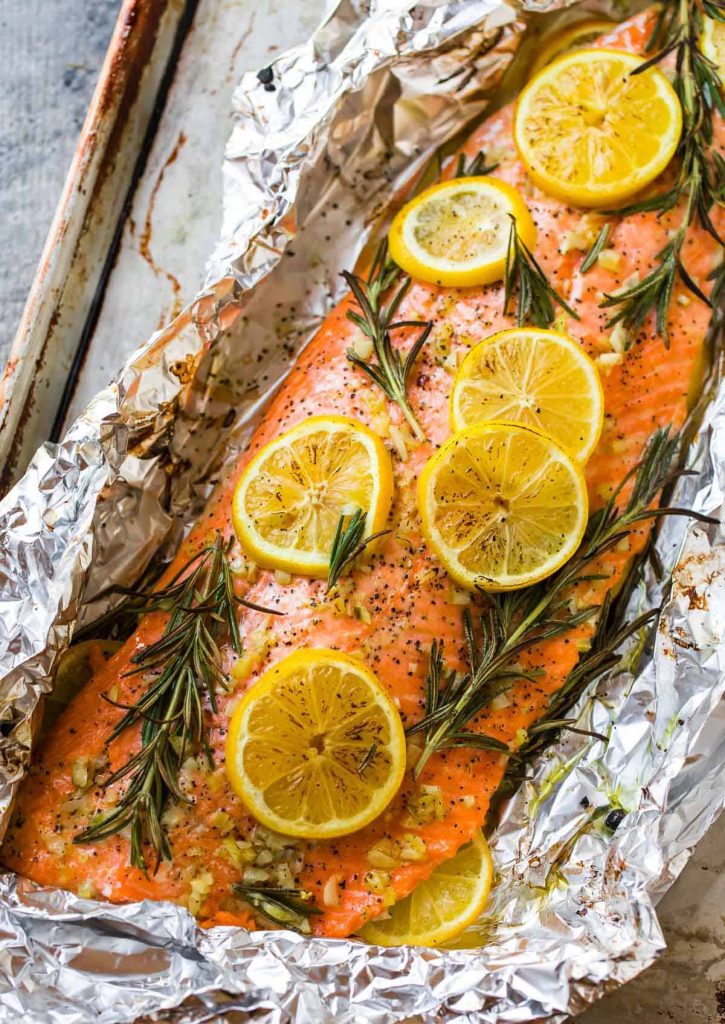
Herbs add depth to baked salmon’s flavor. Dill is a popular choice for its fresh taste. Thyme can provide a subtle earthiness. Parsley offers a mild peppery note. These herbs pair well with lemon slices. Lemon can brighten the dish and balance flavors. Garlic and olive oil also enhance the taste. They provide a rich, aromatic layer. Experiment with combinations to find your favorite mix.
Grilling Salmon
Grilling salmon is a delightful way to enjoy its rich flavor. The smoky aroma from the grill enhances the taste of this fish. A well-cooked grilled salmon can be a star at any meal. Whether for a family dinner or a casual gathering, it never fails to impress.
Preparing The Grill
Start by cleaning the grill grates. Use a grill brush to remove any residue. A clean grill ensures even cooking and prevents sticking. Next, oil the grates with a brush or paper towel. This step keeps the salmon from sticking to the grill. Preheat the grill to medium-high heat. A hot grill sears the salmon perfectly, locking in juices.
Avoiding Overcooking
Overcooking dries out the salmon, losing its natural flavor. To avoid this, cook the salmon for about 6-8 minutes per inch of thickness. Turn it halfway through the cooking time. Use a fork to check the salmon’s doneness. It should flake easily but still be slightly pink inside. A meat thermometer can also help. The internal temperature should reach 145°F (63°C). Remove the salmon from the grill and let it rest. This resting time allows the juices to redistribute.
Pan-seared Salmon
Pan-seared salmon offers a delightful balance of crispy skin and tender flesh. This method enhances flavors while retaining moisture. It’s a quick and easy way to enjoy delicious salmon.
Cooking salmon to perfection can be an art, and one of the most beloved methods is pan-searing. This technique is celebrated for its ability to produce a fillet with a crispy exterior and tender, flavorful interior. Not only is pan-searing quick, but it also allows you to control the texture and taste of the salmon with precision. Whether you’re preparing a weeknight dinner or a special meal, mastering pan-seared salmon can elevate your culinary skills.
Achieving Crispy Skin
Who doesn’t love the satisfying crunch of crispy salmon skin? To achieve this, start by patting your salmon fillets dry with a paper towel. Moisture is the enemy of crispiness. Season the skin with salt to draw out any remaining moisture and enhance flavor. Place the salmon skin-side down in a hot pan. Resist the urge to move it around; let it sizzle and crisp up. A tip from my own kitchen: use a spatula to press the salmon gently against the pan. This ensures even contact and maximizes crispiness. Have you tried this technique yet?
Choosing The Right Oil
The choice of oil can significantly impact the outcome of your pan-seared salmon. Opt for oils with a high smoke point, like canola or grapeseed oil. These oils can withstand the heat necessary to crisp up the salmon skin without burning. Avoid using butter for the initial sear, as it has a lower smoke point and can brown too quickly. However, adding a small amount of butter towards the end of cooking can enhance the flavor and provide a rich finish. Experiment with different oils to find your preferred flavor profile. What oil do you usually reach for? Try switching it up next time and notice the difference it makes. Pan-searing salmon is not just about following steps; it’s about experimenting and finding what works best for you and your taste buds. So, are you ready to get that perfect sear on your salmon?
Poaching Salmon
Poaching salmon creates tender and flavorful fish, ideal for preserving its natural taste. This gentle cooking method ensures the salmon stays moist. Cooking in a flavorful broth adds subtle depth, enhancing its delicious texture.
Poaching salmon is a gentle cooking method that results in tender, moist, and flavorful fish. It involves simmering the salmon in a flavorful liquid, which allows it to absorb subtle tastes without becoming dry. This method is perfect for those who prefer a lighter cooking technique that highlights the natural flavors of salmon.
Creating A Flavorful Broth
The secret to an outstanding poached salmon dish lies in the broth. A simple combination of water, white wine, and lemon slices can create a refreshing base. Adding herbs like dill or parsley, and spices such as peppercorns, elevates the broth, infusing the salmon with a rich aroma. Consider experimenting with different ingredients to tailor the broth to your taste. You might add a splash of soy sauce for an Asian twist. Or try using vegetable or chicken stock for a deeper flavor profile.
Maintaining Tender Texture
Poaching ensures the salmon retains its delicate, flaky texture. The key is to maintain a gentle simmer, avoiding a rolling boil that could toughen the fish. Keeping the temperature low allows the salmon to cook evenly and retain moisture. Use a meat thermometer to check the internal temperature, aiming for 125°F (51°C). This ensures the salmon is cooked through without drying out. Let the salmon rest in the broth for a few minutes before serving to enhance its tenderness. Have you ever noticed how some cooking methods can rob salmon of its natural juiciness? Poaching prevents this by creating a protective layer of flavor around the fish. It’s a method worth trying if you’re looking for a succulent and tasty meal.
Steaming Salmon
Steaming salmon offers a gentle, healthy way to cook this fish. It preserves the rich flavors and nutrients. This method ensures the salmon remains moist and tender. Steamed salmon is perfect for those seeking a light, clean taste. It’s a simple technique with delicious results. You just need the right tools and ingredients.
Using A Steamer Basket
Start with a reliable steamer basket. Place it over a pot of simmering water. Ensure the water doesn’t touch the basket. Lay the salmon fillets on the basket. Keep the skin side down for best results. Cover the pot with a tight-fitting lid. Steam the salmon until it flakes easily. This usually takes about 8-10 minutes. Adjust the time based on the thickness of the fillets.
Infusing With Aromatics
Add aromatics to the water for extra flavor. Try using herbs like dill or thyme. Lemon slices are a great addition too. Ginger and garlic can enhance the taste. Experiment with your favorite spices. Place the aromatics in the water, not directly on the fish. This method infuses subtle flavors into the salmon. The steam carries the aromatic essence, creating a delightful dish.
Sous Vide Technique
Sous vide is a gentle cooking method perfect for salmon. It uses precise temperature control to keep fish moist. Salmon retains its delicate texture and rich flavor, making it a top choice for this technique.
The sous vide technique offers a unique way to cook salmon. It involves vacuum-sealing the fish in a bag. Then, cooking it in a water bath at a precise temperature. This method ensures the salmon cooks evenly. It retains its natural flavors and juices. Many chefs and home cooks prefer this technique for its consistent results. It’s a simple yet effective way to elevate salmon dishes.
Precision Cooking
Sous vide allows precise control over cooking temperatures. This precision means salmon cooks perfectly every time. No overcooked or undercooked spots. The fish cooks evenly throughout. This control is beneficial for maintaining the salmon’s delicate texture. It enhances the taste and quality of the dish. Cooking becomes a more predictable process.
Sealing In Moisture
The vacuum-sealing process locks in moisture. Salmon cooked sous vide stays juicy and tender. The sealed bag prevents moisture loss. It also keeps the flavors intact. The result is a moist, flavorful piece of fish. Perfect for any meal. This method highlights the natural taste of salmon. It requires minimal seasoning to shine.
Expert Tips For Perfect Salmon
Salmon is a versatile and delicious fish. Cooking it perfectly requires some expert tips. These tips will help you achieve a flavorful and tender result. Whether grilling, baking, or poaching, these methods can elevate your dish. Let’s explore how to avoid common mistakes and select complementary sides.
Avoiding Common Mistakes
Cooking salmon can be tricky. Overcooking is a common mistake. It leads to dry and tough fish. Aim for a tender texture. Cook salmon until it flakes easily. Ensure even cooking by choosing fillets of similar thickness. Use a thermometer for accuracy. The internal temperature should reach 145°F. Another mistake is not seasoning enough. Salmon needs a good amount of seasoning. Use salt, pepper, and herbs for flavor.
Selecting Complementary Sides
Pairing salmon with the right sides enhances the meal. Fresh vegetables complement its rich taste. Consider roasted asparagus or broccoli. These add texture and color. A citrus salad can brighten the dish. Use oranges or lemons for zest. Rice or quinoa provide a hearty base. They absorb flavors well. Choose sides that balance the dish. Avoid heavy sauces that overpower the fish. Light and fresh is the way to go.
Frequently Asked Questions
Is It Better To Cook Salmon In The Oven Or Pan?
Cooking salmon in the oven provides even heat and is hands-off. Pan-searing offers a crispy texture and rich flavor. Choose based on desired texture and convenience. Both methods can yield delicious results.
Is Salmon Better Baked Or Grilled?
Baked salmon offers a tender, juicy texture with even cooking. Grilled salmon provides a smoky flavor and crispy exterior. Both methods are healthy, but grilling adds a unique taste. Choose based on your preference for texture and flavor. Experiment with both to discover your favorite way to enjoy salmon.
Which Way Should Salmon Be Cooked?
Grill, bake, or pan-sear salmon for delicious results. Ensure the internal temperature reaches 145°F (63°C) for safety. Season with herbs, lemon, or garlic for added flavor. Choose the method that suits your taste and desired texture. Keep it moist and avoid overcooking for the best experience.
What Cooking Method Is Used For Salmon?
Common methods for cooking salmon include grilling, baking, broiling, poaching, and pan-searing. These techniques enhance flavor and texture. Opt for grilling or baking for a smoky taste, or poaching for a tender finish. Use fresh herbs and citrus for added zest.
Ensure proper cooking to maintain moisture.
Conclusion
Salmon is a versatile fish, delicious in many cooking styles. Grilling gives it a smoky flavor, while baking keeps it juicy. Pan-searing creates a crispy crust, perfect for texture lovers. Poaching offers a delicate taste, ideal for a gentle meal.
Each method brings out unique flavors and textures. Experiment to find your favorite way to enjoy salmon. Remember, fresh ingredients and simple techniques make the best dishes. Discover what suits your taste buds. Cooking salmon is an adventure. Dive into the kitchen and explore.
Your perfect salmon awaits. Enjoy the journey!