Imagine pulling out a warm batch of cookies from the oven, only to worry about whether the bakeware you used is safe for your family. You want to ensure that every bite is not just delicious but also free from harmful chemicals.
Choosing the right bakeware is crucial to baking with peace of mind. We’re diving deep into what makes bakeware truly safe for you and your loved ones. You’ll discover the materials to trust, the ones to avoid, and why some bakeware could be impacting your health more than you think.
Keep reading to find out how to make the best choice for your kitchen and your peace of mind.
Types Of Bakeware Materials
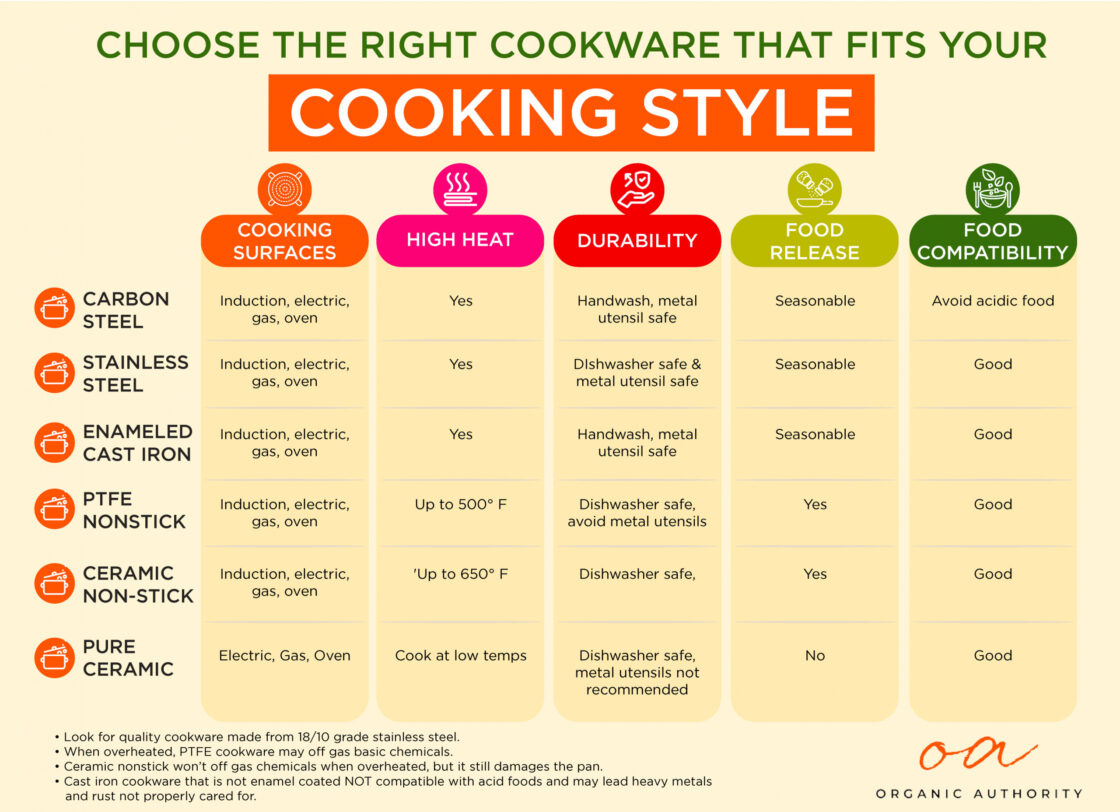
Choosing the right bakeware material impacts safety and results. Different materials offer unique benefits and drawbacks. Explore various bakeware types to find the safest option for you.
Glass Bakeware
Glass bakeware is non-reactive, keeping food safe from chemicals. It distributes heat evenly, ensuring thorough cooking. Glass is perfect for baking casseroles and desserts. It allows you to see the food as it cooks. However, it can break if dropped or exposed to sudden temperature changes.
Ceramic Bakeware
Ceramic bakeware is stylish and versatile. It holds heat well, keeping food warm longer. It is non-reactive, so it won’t leach chemicals into food. Ceramic is easy to clean and often dishwasher safe. It can be heavy and may chip or crack if mishandled.
Metal Bakeware
Metal bakeware is durable and efficient. It heats quickly and cooks evenly. Aluminum and stainless steel are common metal choices. Non-stick coatings make cleaning easier but may wear over time. Be cautious of scratches that can release harmful particles.
Silicone Bakeware
Silicone bakeware is flexible and non-stick. It releases baked goods easily without added grease. Silicone is lightweight and resists high temperatures. It doesn’t break or crack but may not brown foods as well. Ensure your silicone is food-grade for safety.
Credit: www.organicauthority.com
Health Concerns And Safety Factors
Choosing the safest bakeware is crucial for ensuring your health and safety in the kitchen. Have you ever wondered if your baking sheets and pans are doing more harm than good? It’s not just about baking perfect cookies or cake; it’s about what goes unnoticed. Let’s delve into the health concerns and safety factors surrounding bakeware to make sure you’re making the right choice.
Non-toxic Coatings
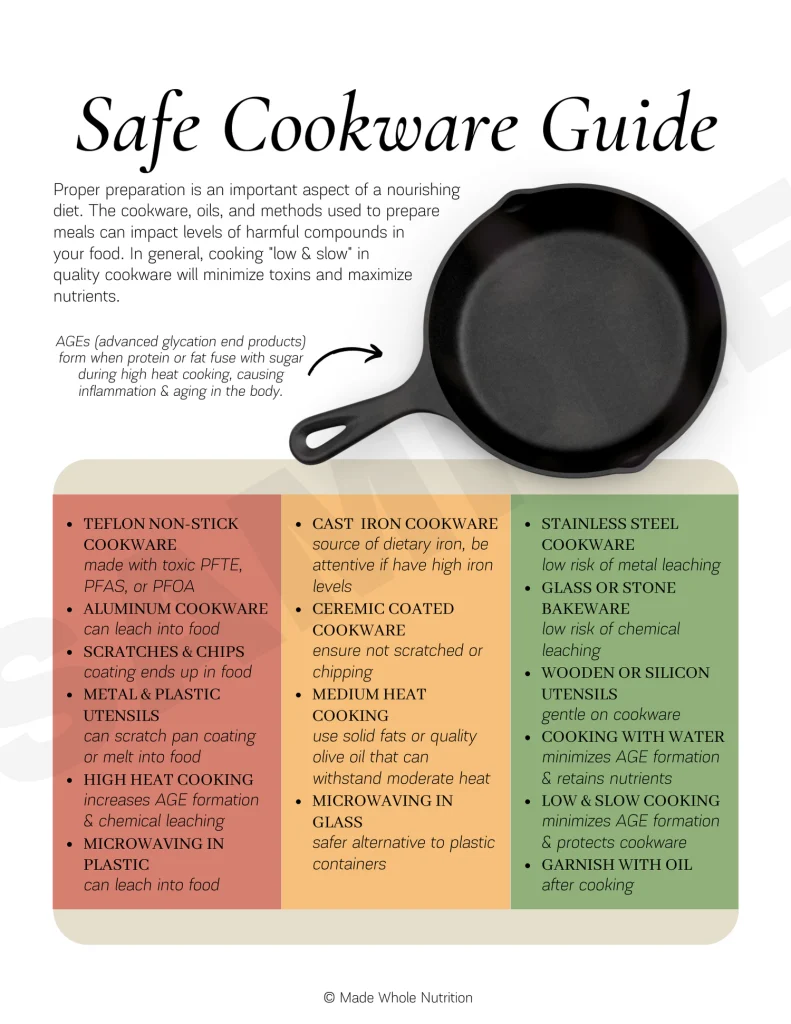
Many baking enthusiasts love non-stick bakeware for its convenience. But are you aware of what’s underneath that easy-release surface? Some non-stick coatings contain harmful chemicals like PFOA, which can leach into your food. Opt for bakeware with ceramic or silicone coatings instead. They’re safer and less likely to emit toxic fumes, even at high temperatures. Do you really want chemicals in your delicious homemade brownies?
Heat Resistance
Heat resistance is a key factor in choosing bakeware. You want something that can handle high temperatures without warping or releasing harmful substances. Glass and stainless steel are excellent choices. They can withstand heat without compromising your food’s safety. Have you ever tried baking in a glass pan? It offers even heat distribution, ensuring your baked goods come out perfectly.
Chemical Leaching Risks
Ever thought about what happens when bakeware interacts with acidic foods? Some materials, like aluminum, can leach chemicals when exposed to acidic ingredients. This is particularly concerning if you’re baking with lemons or tomatoes. Consider using anodized aluminum or stainless steel, which are less prone to leaching. Isn’t it better to enjoy your lemon tart without worrying about chemical exposure?
Durability And Longevity
Investing in quality bakeware that lasts is not just economical but also safer. High-quality materials like cast iron and heavy-duty stainless steel are durable and resistant to damage. They don’t chip easily, reducing the risk of ingesting harmful particles. Have you noticed how some bakeware seems to deteriorate after a few uses? Opting for durable materials ensures your bakeware remains safe to use for years.
Ultimately, the safest bakeware combines non-toxic coatings, heat resistance, minimal chemical leaching, and durability. Take a closer look at your bakeware collection. Are you making the healthiest choices for your kitchen? Your baking adventures deserve more than just tasty results; they deserve safety and peace of mind.
Comparing Bakeware Options
Choosing the safest bakeware can enhance your baking experience. Different materials offer unique benefits and drawbacks. Understanding these can guide you in selecting the right bakeware for your needs.
Ease Of Use
Ease of use is crucial when selecting bakeware. Silicone bakeware is flexible and lightweight. It’s easy to maneuver, making it popular among beginners. Glass bakeware allows you to see the baking progress. It can be heavier but provides a reliable option. Metal bakeware often offers handles for easy gripping. This makes it convenient for transferring from oven to counter.
Cleaning And Maintenance
Cleaning and maintenance vary across bakeware types. Silicone is non-stick and easy to clean. It often requires just a quick rinse. Glass bakeware may need soaking to remove baked-on residue. Metal bakeware can be scrubbed with a sponge. Some metal options are dishwasher-safe for easier maintenance.
Performance In Baking
Performance in baking depends on the material’s heat conduction. Metal bakeware conducts heat quickly and evenly. This results in consistent baking results. Glass bakeware heats slowly and retains heat. This can lead to longer baking times. Silicone bakeware is heat-resistant and flexible. It may not brown baked goods as effectively as metal.
Eco-friendly And Sustainable Choices
Choosing eco-friendly bakeware matters for our planet and health. Sustainable choices help reduce waste and conserve resources. They also ensure a safer, toxin-free baking experience. The market offers various options to suit different needs and preferences.
Recyclable Materials
Recyclable bakeware often uses metals like aluminum or stainless steel. These materials last long and are easy to recycle. Aluminum pans, for example, provide even heat distribution. Stainless steel offers a rust-resistant option. Both contribute to less waste and more sustainability.
Biodegradable Options
Biodegradable bakeware breaks down naturally after disposal. They are made from materials like palm leaves or bamboo. These options are great for single-use purposes. They do not harm the environment when discarded. Choose them for small baking tasks or events. This helps in reducing your carbon footprint.
Cost Considerations
When choosing bakeware, safety is a top priority, but cost is an important factor too. You want to ensure you’re investing wisely without sacrificing quality or safety. Let’s dive into the cost considerations that come into play when selecting the safest bakeware for your kitchen.
Budget-friendly Options
If you’re watching your spending, don’t worry. You can find safe bakeware options that won’t break the bank. Start by looking at materials like glass and stainless steel. They’re often available at reasonable prices and are safe choices for everyday baking.
Glass bakeware is a great option for even cooking and easy cleaning. Plus, it’s non-reactive, meaning it won’t leach chemicals into your food. Stainless steel pans are durable and versatile, perfect for various baking needs.
Keep an eye out for sales or second-hand options. Sometimes, you can snag high-quality bakeware at a fraction of the cost. Consider buying sets rather than individual pieces. Sets usually offer better value and ensure you have everything needed for your baking adventures.
Investment Pieces
Sometimes, spending a bit more upfront can save you in the long run. Investment pieces might seem costly at first, but their durability and safety features can make them worthwhile. Look for bakeware made from ceramic or cast iron.
Ceramic bakeware is known for its heat retention and even cooking. It’s perfect for slow-baking dishes, and its non-stick surface ensures easy cleanup. Cast iron, while heavier, offers unmatched durability and can be passed down through generations.
Think about how often you bake and what types of dishes you typically prepare. Investing in a few high-quality pieces tailored to your specific needs can enhance your baking experience. Are you ready to make a long-term commitment to your kitchen? Your bakeware might be the place to start.
Credit: diynatural.com
Popular Brands And Products
Choosing the safest bakeware involves considering materials like stainless steel, glass, or ceramic. These options minimize exposure to harmful chemicals. Brands offering quality products in these materials ensure healthier baking experiences.
When choosing the safest bakeware for your kitchen, knowing which brands and products are reliable can make all the difference. With countless options on the market, you might find it overwhelming to decide. This guide explores some of the most popular brands and products across various materials to help you make an informed choice.Top Glass Bakeware Brands
Glass bakeware is a popular choice for many home bakers due to its even heat distribution and non-reactive properties. Pyrex is a household name, renowned for its durability and versatility. It’s been a staple in kitchens for decades, and its products are known for their ability to withstand high temperatures. Anchor Hocking is another trusted brand that offers a wide range of glass bakeware. They provide great options if you’re looking for something that can transition from oven to table seamlessly. Have you tried using glass bakeware before? You might be surprised by how easy it is to monitor your food’s progress through its transparent design.Leading Ceramic Choices
Ceramic bakeware is cherished for its aesthetic appeal and heat retention capabilities. Le Creuset stands out as a leader in this category, offering vibrant colors and robust construction. Their ceramic bakeware is not only functional but also adds a touch of elegance to your kitchen. Emile Henry is another brand that excels in ceramic bakeware. They are known for their high-quality materials and beautiful craftsmanship, providing both durability and style. Do you enjoy having bakeware that can double as a serving dish? Ceramic options might be the perfect fit for you.Best Metal Bakeware
Metal bakeware is often preferred for its durability and excellent heat conductivity. USA Pan is a top choice for those seeking heavy-duty, warp-resistant bakeware. Their products are made with aluminized steel and feature a unique non-stick coating. Nordic Ware is another commendable brand, especially known for their Bundt pans and baking sheets. Their metal bakeware is reliable and often praised for its high-performance results. Have you noticed how metal bakeware can enhance the crispiness of your baked goods? It’s a game-changer for achieving that perfect texture.Recommended Silicone Products
Silicone bakeware offers flexibility and ease of use. OXO is a standout brand, offering silicone products that are both safe and user-friendly. Their silicone bakeware is non-stick, easy to clean, and perfect for even baking. Wilton is also a popular choice for silicone bakeware, especially for intricate molds and baking cups. Their products are great for creative baking projects, allowing you to achieve professional-looking results at home. Do you like experimenting with different shapes and designs in your baking? Silicone bakeware can open up a world of possibilities for your culinary creations.Choosing the right bakeware depends on your specific needs and preferences. Which material and brand align best with your baking style? Your kitchen deserves the best, so consider these options for your next bakeware investment.
Tips For Choosing The Right Bakeware
Choosing the safest bakeware involves considering materials like glass, stainless steel, or ceramic. These options minimize the risk of harmful chemicals. Opt for bakeware that withstands high temperatures without warping, ensuring safe and healthy baking.
Choosing the right bakeware can be a game-changer in your baking journey. With so many options available, it can be overwhelming to decide which is safest for your kitchen and family. Here are some practical tips to help you make an informed decision, ensuring your bakeware aligns with your needs and lifestyle.Assessing Your Baking Needs
Before you purchase bakeware, consider what you love to bake. Do you often bake cookies, or are cakes more your style? If you’re like me, you might have started with a simple set of baking sheets and quickly realized the need for more specialized pans. Think about how frequently you bake. If you bake occasionally, a basic set might suffice. But if baking is a regular activity, investing in higher quality pieces is wise. Quality bakeware can enhance your results and last longer. Remember, safety isn’t just about the material. It’s also about the bakeware’s condition. Always inspect for chips or cracks that could harbor bacteria or cause accidents.Storage And Space Considerations
Space is a precious commodity in most kitchens. Consider where you’ll store your bakeware. Do you have ample space, or are your cupboards already full? Opt for stackable or nestable options if space is limited. I learned the hard way that bulky bakeware can quickly overrun a kitchen. Think about how easy it is to access your bakeware. If it’s buried deep in a cabinet, you might find yourself avoiding baking altogether.Versatility And Multi-functionality
Choosing versatile bakeware can save you both money and space. Look for pieces that serve multiple functions. A baking dish that doubles as a serving dish, for example, can be a great asset. Consider how bakeware can adapt to different recipes. A muffin tin can be used for cupcakes, mini quiches, or even individual meatloaves. Such versatility can inspire creativity in your kitchen. Ask yourself if the bakeware can transition from oven to table. This not only saves you time on cleaning but also adds a touch of elegance to your dining experience. Ultimately, choosing the right bakeware is about aligning it with your lifestyle. Think about your baking habits, space constraints, and the versatility you need. By doing so, you’ll ensure a safe and enjoyable baking experience.
Credit: www.cleaneatingkitchen.com
Frequently Asked Questions
What Is The Safest Cookware For Your Health?
Opt for stainless steel, cast iron, or ceramic cookware for health safety. They are non-toxic and durable. Avoid non-stick pans with harmful chemicals like PFOA. Use glass bakeware for oven cooking. These options minimize chemical exposure and are environmentally friendly, ensuring a healthy cooking experience.
What Is The Best Material For Bakeware?
The best bakeware material is often stainless steel for its durability and heat distribution. Silicone is great for non-stick needs. Glass bakeware offers even cooking and easy cleaning. Each material suits different baking preferences, ensuring quality results. Choose based on what you bake most often.
What Is The Healthiest Metal For Bakeware?
Stainless steel is the healthiest metal for bakeware. It’s non-toxic, durable, and resists leaching chemicals. Stainless steel ensures even heat distribution, making it ideal for baking. Always choose high-quality, food-grade stainless steel for the best results. Avoid non-stick coatings for healthier baking.
Is Aluminum Or Silicone Safer For Baking?
Silicone is generally safer for baking due to its non-reactive nature. It resists leaching and withstands high temperatures. Aluminum, while efficient for heat conduction, can react with acidic foods. Choose silicone for non-toxic, versatile baking. Always check product quality for safety assurance.
Conclusion
Choosing the safest bakeware ensures healthy and delicious meals. Opt for materials like glass, stainless steel, or silicone. These options are free from harmful chemicals. They are also durable and easy to clean. Always check for labels indicating food safety standards.
Safe bakeware contributes to better cooking results. It also provides peace of mind for your family’s health. Make informed choices for a safer kitchen. Happy and safe baking lead to enjoyable moments. Prioritize safety and enjoy delightful treats. Your kitchen deserves the best tools.