Affiliate Disclosure: This post may contain affiliate links. If you purchase through links on our site, we may earn an affiliate commission at no extra cost to you.
Are you often puzzled about which oil to use for high heat cooking? Selecting the right oil can make or break your dish, affecting both flavor and your health.
With countless options available, it’s easy to feel overwhelmed. But don’t worry; you’re not alone. In this guide, we’ll unravel the mystery of cooking oils and reveal which ones are best suited for high temperatures. By the end, you’ll be equipped with the knowledge to make healthier and tastier choices in your kitchen.
Ready to transform your cooking game? Let’s dive in and discover the oils that can handle the heat while keeping your meals delicious and nutritious.
Understanding Smoke Points
Cooking with oils requires knowledge of smoke points. Smoke points are the temperatures at which oils start to burn. When oils reach their smoke point, they produce smoke and harmful compounds. Knowing the smoke point helps in choosing the right oil for cooking.
Different oils have different smoke points. Selecting the wrong oil can affect the taste and safety of your food. Understanding smoke points helps you cook better and healthier meals.
What Is A Smoke Point?
A smoke point is the temperature at which oil begins to smoke. This is when the oil breaks down and releases harmful fumes. Using oil past its smoke point can lead to burnt food.
Why Smoke Points Matter
Cooking with oils at high temperatures requires the right smoke point. Oils with low smoke points can spoil food flavor. High smoke points are better for frying and searing.
Common Oils And Their Smoke Points
Different oils have varying smoke points. Olive oil has a smoke point of around 375°F. Canola oil has a higher smoke point of about 400°F. Avocado oil is ideal for high heat, with a smoke point of 520°F.
Choosing The Right Oil
Choose oils based on cooking methods. For frying, use oils with high smoke points. For salads, oils with low smoke points work well. Understand your cooking needs to select the best oil.
Top Oils For High Heat
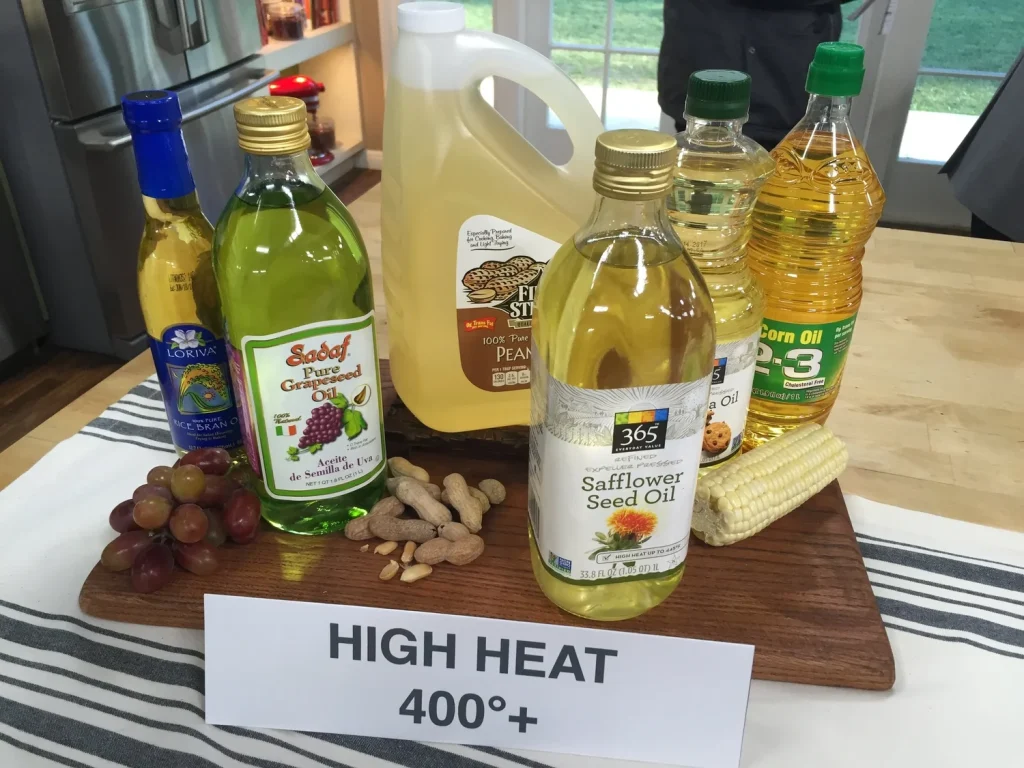
Cooking at high heat requires oils that can withstand high temperatures. Some oils break down and lose their flavor. Choosing the right oil can enhance your dish. Here are top oils perfect for high heat cooking. Each has its unique benefits.
Avocado Oil
Avocado oil is popular for its high smoke point. It can handle temperatures up to 520°F. This makes it ideal for frying and grilling. It has a mild flavor that won’t overpower dishes. Avocado oil is also rich in healthy fats. It supports heart health.
Grapeseed Oil
Grapeseed oil is another excellent choice. It has a smoke point of around 420°F. This makes it suitable for sautéing and stir-frying. It has a neutral taste. This won’t alter the flavor of your food. Grapeseed oil is also high in vitamin E. It offers antioxidant properties.
Refined Olive Oil
Refined olive oil is different from extra virgin olive oil. It has a higher smoke point, around 465°F. Perfect for roasting and baking. It retains some olive flavor but is lighter. Refined olive oil is versatile and healthy. It’s a staple in many kitchens.
Pros And Cons Of Popular Oils
Choosing the right oil for high heat cooking is crucial. Some oils handle heat better. They maintain flavor and nutrients. Others may smoke and break down. It’s important to know the pros and cons of popular oils. This helps you make an informed choice.
Canola Oil
Canola oil has a high smoke point. It’s good for frying and sautéing. It’s rich in heart-friendly omega-3 and omega-6 fatty acids. Canola oil is light in flavor. It won’t overpower dishes. But some worry about its processing methods. Canola oil is often genetically modified.
Peanut Oil
Peanut oil is a favorite in Asian cooking. Its high smoke point is ideal for stir-frying. It has a nutty taste, adding depth to dishes. Peanut oil is rich in monounsaturated fats. These are considered healthy fats. But beware if you have peanut allergies. It can cause severe reactions.
Soybean Oil
Soybean oil is commonly used in many kitchens. Its high smoke point suits various cooking methods. Soybean oil is affordable and has mild flavor. It contains omega-3 fatty acids. These are beneficial for heart health. Some dislike its strong taste and aroma. It’s often processed and refined.
Credit: algaecookingclub.com
Health Benefits Of Cooking Oils
Choosing the right oils for high heat cooking is essential for health. Oils like avocado, coconut, and refined olive oil are ideal. They have high smoke points, which prevent harmful compounds from forming. These oils provide healthy fats, enhancing both flavor and nutrition in your meals.
Cooking oils often receive mixed reviews in the health world, but they play a significant role in our daily cooking. Whether you’re frying, baking, or sautéing, the right oil not only elevates your dish but also offers numerous health benefits. Selecting the right oil can enhance the nutritional profile of your meals, improve heart health, and support overall well-being. But how do you choose the best one for high heat cooking?
Nutritional Content
Choosing cooking oils with rich nutritional content can make a significant difference in your diet. Oils like avocado and olive are packed with monounsaturated fats. These fats are known for their ability to help reduce bad cholesterol levels. Moreover, many oils are a good source of Vitamin E, an antioxidant that helps protect your cells from damage. Have you ever tried using sesame oil? It’s not just for Asian recipes; it also adds a nutty flavor to salads and provides a dose of polyunsaturated fats.
Impact On Heart Health
Your heart is your most vital organ, and the oils you cook with can either protect or harm it. Oils high in monounsaturated fats, like canola and olive oil, are your heart’s best friends. They help lower the risk of heart disease. Coconut oil, though popular, has higher levels of saturated fats. While it can be used occasionally, it’s wise to balance it with other heart-healthy oils. How often do you switch up your oils? A mix can provide both variety and balanced health benefits. Incorporating healthier oils into your cooking routine isn’t just about nutrition; it’s about making simple swaps that can lead to better health. Have you found your perfect oil match for high heat cooking yet?
Sustainability And Environmental Impact
Choosing oils for high heat cooking involves more than taste or smoke point. Sustainability and environmental impact are critical factors. The production and consumption of oils affect the planet’s health. Understanding these impacts can guide you to make responsible choices.
Palm Oil Concerns
Palm oil is widely used for its high heat tolerance. Its production often leads to deforestation. Large areas of rainforest are cleared for palm plantations. This destruction harms wildlife habitats and reduces biodiversity. Deforestation contributes to climate change. It releases large amounts of carbon dioxide into the atmosphere. Palm oil cultivation can also lead to soil erosion and water pollution.
Eco-friendly Alternatives
Sustainable options exist for those concerned about the planet. Avocado oil is a great choice. It has a high smoke point and is environmentally friendly. The trees require less water and prevent soil erosion. Sunflower oil is another option. It is widely available and has a lower environmental impact. Sunflower crops can thrive in diverse climates, reducing the need for fertilizers. Olive oil is well-known for its health benefits. It is often produced using sustainable farming practices. Choose oils from producers committed to reducing their environmental footprint.
Choosing The Right Oil For Your Needs
Choosing the right oil for high heat cooking requires understanding your needs. Different oils have varying smoke points, flavors, and costs. Knowing what you want from your oil helps make the best choice. Consider the purpose of your cooking. This will guide you towards the ideal oil. Explore the factors below to help you decide.
Flavor Considerations
Each oil brings a unique taste to your dish. Olive oil has a rich, fruity flavor. Perfect for Mediterranean dishes. Coconut oil offers a mild, sweet taste. Good for baking and sautéing. Peanut oil has a neutral flavor. Ideal for deep frying. Choose an oil that complements your dish. Experiment to find your favorite.
Cost And Accessibility
The price of oil varies greatly. Olive oil is often more expensive. Yet, its health benefits justify the cost for many. Vegetable oil is budget-friendly. Commonly used in households worldwide. Coconut oil may cost more, but provides unique benefits. Consider your budget and local availability. Choose an oil that fits your lifestyle and financial plan.
Tips For Safe High Heat Cooking
High heat cooking brings out flavors and textures in dishes. But safety is crucial. Using the wrong oil can lead to smoke and burnt flavors. Knowing the right techniques ensures a tasty and safe meal. Here are some tips to keep in mind.
Avoiding Oil Overheating
Prevent oil from reaching its smoke point. This is when oil starts to smoke and break down. Choose oils with high smoke points for frying or searing. Examples include avocado, canola, and peanut oil. Watch the oil closely as it heats. If it smokes, it’s too hot. Turn off the heat and let it cool. Always use a thermometer for precise control.
Proper Storage Practices
Store oils in a cool, dark place. This keeps them fresh longer. Light and heat can degrade oil quality. Use dark bottles or containers to protect oils from light. Make sure the lid is tight to prevent oxidation. Check oil expiration dates regularly. Rancid oil smells off and should be discarded. Keep oil clean by avoiding food particles. Strain oil after frying to remove debris.
Frequently Asked Questions
What Is The Healthiest Oil To Cook With At High Heat?
Avocado oil is the healthiest choice for cooking at high heat. It has a high smoke point, around 520°F, making it ideal for frying and sautéing. Rich in monounsaturated fats, avocado oil supports heart health and adds a mild flavor to dishes.
Which Oil Is Suitable For High Heat?
Avocado oil and refined olive oil are ideal for high heat cooking. They have high smoke points, around 400°F (204°C) and 450°F (232°C) respectively. Use these oils for frying, sautéing, and grilling to avoid burnt flavors and maintain nutritional quality.
What Cooking Oil Can Take The Highest Temperature?
Avocado oil can withstand the highest temperatures, reaching up to 520°F (271°C). It’s perfect for high-heat cooking like frying and grilling. Choose avocado oil for its stability and healthy fats, ensuring flavorful and safe dishes. Enjoy versatile cooking with this heat-resistant oil option.
What Oil Is Best For Overheating?
Synthetic oil is best for overheating issues. It offers superior heat resistance and stability. Always check your vehicle’s manual for manufacturer recommendations. Regular oil changes also help maintain engine temperature.
Conclusion
Choosing the right oil for high heat cooking matters. Oils like avocado, coconut, and peanut work well. They have high smoke points. This means they can withstand high temperatures. Olive oil is also good but use with care. Avoid oils with low smoke points.
They can burn and lose flavor. Remember, different oils add unique tastes. Experiment to find what suits your dish best. Always store oils properly. This keeps them fresh longer. Healthy cooking starts with smart oil choices. Enjoy your cooking adventures with the right oils!