
Imagine walking into your kitchen and feeling a sense of pride, not just because it looks stunning, but because it also reflects your commitment to the planet. Choosing sustainable kitchen flooring is more than a design choice; it’s a step towards a healthier home and a healthier Earth.
You deserve a kitchen that not only meets your aesthetic desires but also aligns with your values. Have you ever wondered how your flooring choices impact the environment and your well-being? With the right knowledge, you can make choices that are both beautiful and eco-friendly.
You’ll discover how sustainable kitchen flooring can transform your home into a haven of style and sustainability. Join us as we explore options that are good for you, your family, and the world we live in. Are you ready to make a change that feels good underfoot and in your heart? Let’s dive in.
Types Of Sustainable Materials
Choosing sustainable kitchen flooring helps the environment and your home. Many homeowners seek eco-friendly options to reduce their carbon footprint. Sustainable materials offer a variety of choices for style and durability. Each type has its unique benefits and characteristics.
Bamboo Flooring
Bamboo flooring is an eco-friendly choice. Bamboo grows quickly and replenishes itself naturally. It offers a sleek, modern look and is very durable. This material resists moisture, making it ideal for kitchens. Bamboo flooring is easy to clean and maintain.
Cork Flooring
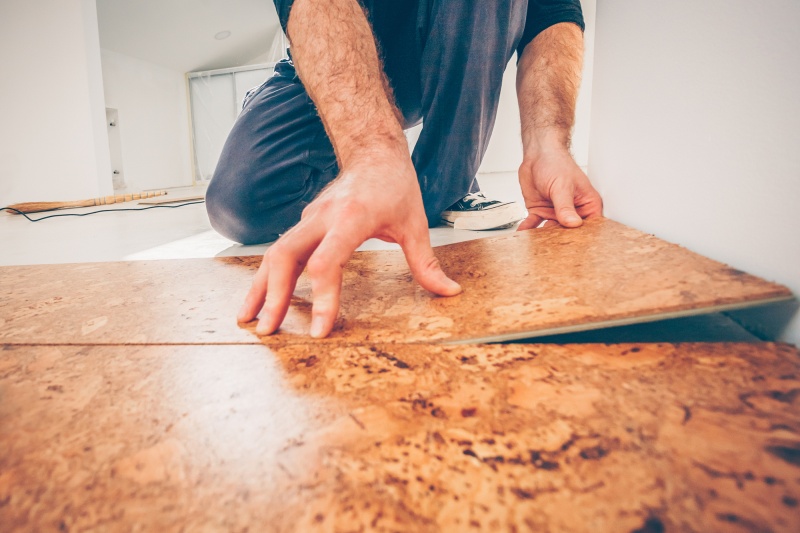
Cork flooring is soft underfoot, providing comfort in the kitchen. It’s made from the bark of cork oak trees, which regenerates. This flooring option is both renewable and biodegradable. Cork has natural insulating properties, keeping your kitchen warm. It also absorbs sound, creating a quieter space.
Reclaimed Wood
Reclaimed wood adds character and history to your kitchen. It repurposes old wood, reducing the need for new timber. Each piece is unique, often with a rustic appeal. Reclaimed wood is durable and offers warmth to your space. Proper sealing protects it from kitchen spills.
Linoleum Options
Linoleum is made from natural materials like linseed oil and wood flour. It’s biodegradable and easy to maintain. Linoleum offers a wide range of colors and patterns. It is resistant to water and stains, ideal for busy kitchens. This material is also comfortable to walk on.
Recycled Tile Choices
Recycled tiles are made from materials like glass and ceramic. They give old resources a new life, reducing waste. Tiles come in various designs and colors, adding style to your kitchen. They are durable, resisting wear and tear over time. Recycled tiles are easy to clean and maintain.

Credit: www.houzz.com
Benefits Of Eco-friendly Flooring
Choosing sustainable kitchen flooring is a wise decision that goes beyond aesthetics. Eco-friendly flooring options offer numerous benefits that can positively impact your environment, your health, and your budget. Whether you’re renovating or building a new kitchen, understanding these advantages can guide you towards making a more informed choice.
Environmental Impact
Eco-friendly flooring significantly reduces your carbon footprint. Materials like bamboo and reclaimed wood are renewable resources, meaning they don’t deplete the planet’s natural reserves.
By opting for sustainable flooring, you contribute to less waste production. Many eco-friendly options are biodegradable, ensuring they won’t clutter landfills.
Consider the impact of synthetic materials on marine life. Natural flooring materials help keep harmful plastics out of oceans, preserving aquatic ecosystems.
Durability And Longevity
Eco-friendly floors are built to last. Bamboo, for instance, is known for its strength and resilience, often surpassing traditional hardwoods.
Investing in durable materials means fewer replacements. This longevity saves resources, reducing the need for frequent manufacturing and transportation.
Have you ever had to replace a floor prematurely? Sustainable options minimize this hassle, offering peace of mind and long-term satisfaction.
Health Advantages
Eco-friendly flooring improves indoor air quality. Many sustainable materials are free from harmful chemicals and VOCs (Volatile Organic Compounds).
Reducing allergens in your home is crucial. Natural flooring options like cork and linoleum resist mold and mildew, benefiting those with allergies.
Imagine a home where the air is clean and fresh, free from toxic fumes. Eco-friendly flooring helps create this healthy environment.
Cost Efficiency
Initial costs of sustainable flooring can be competitive. Materials like cork and linoleum are often affordable compared to high-end traditional options.
Consider the long-term savings. Durable floors reduce repair and replacement costs, proving more economical over time.
Have you calculated the real cost of flooring? When factoring in maintenance and longevity, eco-friendly options often come out on top.
When choosing your kitchen flooring, think beyond just style. Consider the environmental, health, and economic benefits that eco-friendly options offer. Your decisions today can lead to a more sustainable and comfortable tomorrow.
Installation And Maintenance Tips
Choosing bamboo or cork flooring creates an eco-friendly kitchen. Install carefully to avoid damage. Regular cleaning with non-toxic products ensures longevity.
When it comes to sustainable kitchen flooring, installation and maintenance play a pivotal role in ensuring longevity and performance. Choosing eco-friendly materials is just the first step; understanding how to properly install and maintain these floors is equally crucial. Whether you’re a DIY enthusiast or hiring a professional, these tips will guide you through the process, ensuring your kitchen floor not only looks great but also stands the test of time.Preparing The Subfloor
Before you lay down any flooring, your first task is to prepare the subfloor. This means checking for any moisture issues, which can cause damage over time. A dry, clean, and level subfloor is essential for successful installation. You might need to sand or patch uneven areas. If you’re unsure, consult a professional to avoid any costly mistakes.Proper Installation Techniques
Proper installation is key to a durable kitchen floor. Follow the manufacturer’s guidelines closely, as each material may have specific requirements. If you’re installing tiles, use spacers to maintain consistent gaps. For wood or bamboo, leave a small expansion gap at the edges to accommodate changes in humidity.Routine Cleaning Practices
Routine cleaning doesn’t have to be a chore. With sustainable flooring, gentle cleaning products are often enough. Use a soft broom or vacuum with a brush attachment to remove dirt. A damp mop with a mild soap solution can keep your floors looking fresh without the harsh chemicals.Repair And Replacement Advice
No floor is immune to wear and tear. Knowing how to address minor damages can save you time and money. Small scratches in wood can often be buffed out. For tiles, keep spare pieces on hand for quick replacements, ensuring your floor remains seamless. Remember, sustainable flooring not only benefits the planet but also enhances your home’s aesthetic. Which of these tips will you try first in your kitchen?Comparing Costs And Value
Choosing sustainable kitchen flooring involves more than just aesthetics. It’s crucial to weigh costs and the value it brings to your home. Understanding both immediate and future financial implications helps in making informed choices.
Initial Investment Analysis
Sustainable flooring options like bamboo or cork might seem expensive initially. Bamboo can cost between $5 to $8 per square foot. Cork ranges from $3 to $12. These materials demand higher upfront investment than conventional choices. Yet, they offer durability and eco-friendliness. Such features often justify the initial costs.
Long-term Savings
Sustainable flooring often leads to long-term financial benefits. These materials last longer, reducing replacement frequency. For instance, bamboo floors can last up to 25 years. Cork flooring provides excellent insulation, lowering energy bills. Choosing sustainable options can save money over time.
Value Addition To Property
Eco-friendly flooring boosts your home’s market appeal. Buyers appreciate homes with sustainable features. Bamboo or cork floors can enhance property value. Potential buyers often favor homes with these eco-friendly upgrades. This can lead to a quicker sale and a higher price.
Trends In Sustainable Flooring
The growing demand for sustainable kitchen flooring is shaping exciting trends that are both innovative and eco-friendly. Homeowners are increasingly aware of their environmental footprint and are seeking stylish options that don’t compromise on sustainability. Let’s dive into some of the key trends that are making waves in the world of sustainable flooring.
Innovative Designs
Sustainable flooring is no longer just about being green; it’s also about being chic. Designers are crafting floors that mimic natural elements like wood and stone without harming forests or quarries. Bamboo and cork are leading the charge with their unique textures and patterns.
A friend of mine recently renovated her kitchen and opted for cork flooring. She was amazed at how it added warmth to her space while being soft underfoot. Have you considered how a simple change in your kitchen flooring can transform your cooking space?
Technological Advancements
Technology is playing a significant role in creating sustainable flooring options that are durable and stylish. Manufacturers are using advanced techniques to produce materials that are both eco-friendly and long-lasting.
For instance, recycled rubber flooring is gaining popularity due to its resilience and ease of maintenance. Its production involves repurposing old tires, making it a win-win for the environment and your home. Imagine the satisfaction of knowing your kitchen floor is part of a circular economy!
Consumer Preferences
Consumers like you are driving the shift towards sustainable flooring by demanding more eco-conscious options. Many are prioritizing materials that have a low carbon footprint and are sourced responsibly.
The rise of local sourcing is a testament to this trend. By choosing locally sourced materials, you’re not only supporting your community but also reducing transportation emissions. What flooring choice could better reflect your values and commitment to the planet?
As you navigate the world of sustainable kitchen flooring, consider how these trends align with your lifestyle and values. Making a conscious choice today can lead to a greener tomorrow.
:max_bytes(150000):strip_icc()/cost-effective-green-flooring-options-1314965_cork-600413a661b844c39293410ef016ef2d.jpg)
Credit: www.thespruce.com
Choosing The Right Flooring For Your Home
Choosing the right flooring for your sustainable kitchen is crucial. It impacts both the environment and your home’s comfort. Sustainable options provide durability and aesthetic appeal. They also reduce your carbon footprint. Let’s explore how to choose the best flooring for your needs.
Assessing Your Needs
Understand your kitchen’s traffic patterns. High-traffic areas need durable flooring. If you cook often, comfort matters too. Consider ease of cleaning for spills and stains. Think about the longevity of the material. Some floors last longer with less maintenance. Determine your budget for flooring options. Some sustainable choices may be cost-effective long-term.
Climate Considerations
Your local climate affects flooring choices. In humid areas, water-resistant flooring is essential. Wood might expand in damp conditions. Cooler climates may benefit from insulating materials. Cork or bamboo provides warmth underfoot. Consider how temperature fluctuations affect your flooring.
Aesthetic Preferences
Your kitchen’s look should reflect your style. Sustainable options offer diverse designs. Bamboo has a sleek, modern appearance. Cork can add a unique texture and warmth. Reclaimed wood offers a rustic, timeless charm. Choose colors that complement your kitchen’s decor. Remember, the right floor enhances your space.
Credit: thestonegallery.ie
Frequently Asked Questions
What Is The Most Eco-friendly Kitchen Flooring?
Bamboo flooring is the most eco-friendly choice for kitchens. It is sustainable, durable, and renewable. Cork flooring is also environmentally friendly, providing comfort and insulation. Both options reduce environmental impact while enhancing kitchen aesthetics. Consider these materials for a green kitchen solution.
What Is The Most Sustainable Flooring?
Bamboo is the most sustainable flooring option. It grows quickly and regenerates without needing to replant. Cork flooring is another eco-friendly choice, made from the bark of cork oak trees. Both options are durable, biodegradable, and reduce environmental impact, making them ideal for sustainable living.
What Is The Best Low Maintenance Flooring For A Kitchen?
Vinyl flooring is the best low maintenance option for kitchens. It’s durable, water-resistant, and easy to clean. Choose from various styles and colors to match your kitchen’s decor. Its affordability and ease of installation make it a popular choice for homeowners seeking practicality and style.
Why Avoid Vinyl Flooring In Kitchen?
Vinyl flooring can be prone to damage from heat and heavy wear in kitchens. It may not withstand sharp objects and can be difficult to repair if damaged. Water spills can seep into seams, causing mold and mildew issues. Consider more durable options for long-term kitchen use.
Conclusion
Choosing sustainable kitchen flooring benefits both your home and the planet. Eco-friendly options like bamboo and cork offer durability and style. These materials reduce environmental impact and support a healthier lifestyle. Consider your needs, budget, and design preferences. Sustainable choices can match any kitchen décor.
Long-lasting floors save money over time. They also add value to your home. Make a positive change with your next flooring decision. Sustainable options provide beauty and responsibility. Your kitchen can reflect your commitment to the earth. Choose wisely and enjoy the benefits for years.