Affiliate Disclosure: This post may contain affiliate links. If you purchase through links on our site, we may earn an affiliate commission at no extra cost to you.
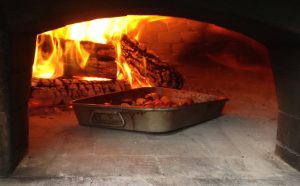
Imagine gathering with friends and family around your very own outdoor pizza oven, eagerly anticipating that first bite of crispy, wood-fired pizza. The secret to achieving that perfect crust isn’t just about the dough or the toppings; it’s about choosing the right wood.
Yes, the wood you use plays a crucial role in the flavor, aroma, and even the texture of your pizza. You might be wondering, “What is the best wood to use for an outdoor pizza oven? ” You’re not alone.
Many pizza enthusiasts overlook this vital detail. But by the end of this article, you’ll know exactly which wood will elevate your homemade pizzas to gourmet status. Ready to discover the wood that will transform your outdoor cooking experience? Let’s dive in!
Importance Of Choosing The Right Wood
Choosing the right wood for your outdoor pizza oven is crucial. It affects the flavor, heat, and cooking time of your pizzas. Not all wood types are suitable for this purpose. Some woods burn too quickly or produce too much smoke. Others might not give the right heat needed for perfect pizzas. Using the wrong wood can ruin your cooking experience. It’s essential to understand the importance of selecting the right wood for your oven.
Understanding Wood Density And Burn Time
Wood density influences how long it burns. Denser woods burn longer, providing consistent heat. This is ideal for cooking pizzas. Softwoods burn quickly and don’t retain heat well. They might require more frequent refueling. Choose hardwoods like oak or hickory for longer cooking sessions. They offer steady heat and a pleasant aroma.
Flavor Enhancement With Different Woods
Different woods impart unique flavors to your pizzas. Cherry wood adds a sweet, fruity taste. Mesquite offers a strong, earthy flavor. Apple wood provides a mild, sweet aroma. Choose wood based on the flavor profile you prefer. Experiment with different types to find your favorite.
Minimizing Smoke And Toxic Emissions
Some woods produce excessive smoke or toxic fumes. Avoid using treated or painted wood. These can release harmful chemicals into the air. Green or wet wood generates more smoke and burns inefficiently. Opt for well-seasoned, dry wood for a cleaner burn. This ensures a healthier cooking environment.
Cost-effectiveness And Availability
Consider the availability and cost of wood in your area. Some hardwoods might be expensive or hard to find. Local woods can be more affordable and sustainable. Compare prices and select wood that fits your budget. Ensure it’s easily accessible for regular cooking sessions.
Characteristics Of Ideal Pizza Oven Wood
Choosing the right wood for your outdoor pizza oven is crucial. It affects the flavor and cooking efficiency. Understanding the characteristics of the ideal wood can make your pizza perfect. Let’s explore these characteristics in detail.
High Heat Output
The wood must produce high heat. This ensures a crispy pizza crust. Dense woods like oak and maple burn hotter. They maintain the oven’s temperature for longer periods.
Low Moisture Content
Dry wood is essential. It burns efficiently and reduces smoke. Wood with less than 20% moisture is ideal. It keeps the oven clean and smoke-free.
Aromatic Qualities
Aromatic woods add flavor to your pizza. Fruitwoods like apple and cherry are popular choices. They infuse the pizza with a subtle, sweet taste.
Consistent Burn Rate
Wood should burn at a consistent rate. This ensures even cooking of your pizza. Hardwoods generally have a steady burn. Softwoods burn too quickly and unevenly.
Readily Available And Sustainable
Choosing local wood reduces costs. It also supports sustainable practices. Ensure the wood is sustainably sourced. This helps protect the environment.
Hardwoods Vs. Softwoods
Choosing the right wood impacts the performance of an outdoor pizza oven. Hardwoods like oak or maple burn longer and hotter, making them ideal for consistent heat. Softwoods burn quickly but produce more smoke, suitable for adding flavor. Selecting the best wood enhances your pizza cooking experience.
Choosing the right wood for your outdoor pizza oven can make a big difference in how your pizza turns out. Hardwoods and softwoods are the two main types of wood you can use, each offering unique benefits and drawbacks. Understanding these differences helps you make an informed decision for the best pizza experience.
Benefits Of Hardwoods
Hardwoods, like oak, hickory, and maple, are often the top choice for pizza ovens. They burn hotter and longer, providing a consistent heat that’s perfect for baking pizza. This means fewer interruptions to add more wood, allowing you to focus on crafting the perfect crust. The flavors imparted by hardwoods are another reason to choose them. They add a subtle, smoky taste that enhances the natural flavors of your ingredients. Imagine your pizza with a hint of oak, making each bite more delicious than the last.
Drawbacks Of Softwoods
Softwoods, such as pine or cedar, burn quickly and at lower temperatures. This can be problematic for maintaining the high heat required for an ideal pizza crust. You might find yourself constantly adding wood, which disrupts the cooking process. Another concern with softwoods is the resin they contain. This resin can produce a thick, black smoke that may leave an unpleasant taste on your pizza. Have you ever tried a slice only to find it tasted more like a campfire than a culinary delight? That’s a risk you take with softwoods. So, when you’re preparing for your next pizza night, will you opt for the heat and flavor consistency of hardwoods, or risk the drawbacks of softwoods? Choose wisely, as your choice can elevate your pizza from ordinary to extraordinary.
Top Hardwood Choices
Choosing the right wood for your outdoor pizza oven can make a huge difference. Hardwood is a popular choice because of its density. It burns longer and hotter, perfect for pizza ovens. Below are some top hardwood choices to consider for your next pizza-making adventure.
Oak
Oak is a classic choice for outdoor pizza ovens. It burns cleanly and produces a steady heat. This wood is dense, providing a long-lasting burn. Its subtle aroma enhances the flavor of your pizza. Many prefer oak for its reliability and availability.
Maple
Maple offers a unique, sweet aroma that complements pizza well. It produces a high heat, ideal for crispy crusts. Maple is less dense than oak, but still provides a decent burn time. Its gentle smoke flavor can add depth to your pizza toppings.
Hickory
Hickory is known for its strong, smoky flavor. It’s dense, making it perfect for high-temperature cooking. Hickory burns hot and long, ideal for thick crusts. Its distinctive smoke flavor is popular among barbecue enthusiasts. It might be the perfect choice for bold pizza flavors.
Fruitwoods For Flavor
Choosing the right wood enhances your outdoor pizza oven experience. Fruitwoods are popular for their unique flavors and aromas. They infuse pizzas with subtle sweetness and depth. Each type of fruitwood offers distinct characteristics. These woods complement traditional pizza ingredients.
Apple
Apple wood is a favorite for pizza ovens. It burns slowly, providing steady heat. Its smoke is mild and sweet. This enhances the natural flavors of pizza toppings. Pair apple wood with any pizza to elevate taste.
Cherry
Cherry wood imparts a rich, fruity aroma. Its smoke is delicate yet noticeable. This wood is perfect for pizzas with bold flavors. It adds a layer of complexity to simple ingredients. Cherry wood creates a memorable dining experience.
Peach
Peach wood offers a subtle sweetness. Its smoke is lighter than apple or cherry. It complements mild cheeses and meats. Peach wood adds a gentle touch to your pizza. Perfect for those who enjoy nuanced flavors.
Sustainable Wood Options
Sustainable wood options are vital for eco-friendly outdoor pizza ovens. Using the right wood enhances flavor and maintains environmental balance. Many people are choosing sustainable wood to minimize their carbon footprint. Let’s explore some eco-friendly wood choices for your outdoor pizza oven.
1. Apple Wood
Apple wood is a popular choice for pizza ovens. It produces a mild, sweet aroma. This wood adds a subtle fruity flavor to your pizzas. Apple wood burns slowly and provides consistent heat. It is a sustainable option due to its availability from pruned apple trees.
2. Oak Wood
Oak wood is dense and burns longer than many other types. It is a sustainable choice because of its abundance. Oak provides a rich, smoky flavor to your pizzas. It maintains a steady temperature, ideal for cooking pizzas evenly.
3. Maple Wood
Maple wood is known for its sweet, light smoke. This wood adds a gentle sweetness to pizzas. Maple burns at a moderate pace, providing stable heat. It is a sustainable option as maple trees are widely grown and managed.
4. Cherry Wood
Cherry wood gives a mild, fruity smoke to pizzas. This wood imparts a distinct flavor, enhancing the taste. Cherry wood is sustainable due to its common use in various industries. It burns cleanly, offering a smooth cooking experience.
5. Hickory Wood
Hickory wood is known for its strong, smoky flavor. It is a sustainable option due to its widespread cultivation. Hickory provides intense heat, perfect for quick pizza cooking. Its robust flavor complements many pizza toppings.
Wood Storage Tips
Choosing hardwood like oak or hickory for outdoor pizza ovens ensures consistent heat and flavor-rich cooking. These woods burn longer, providing the ideal temperature for perfect pizzas. Proper storage keeps wood dry and ready for use, preserving its quality and efficiency in cooking.
Storing wood properly for your outdoor pizza oven is crucial to ensure efficient burning and delicious pizza. Good storage practices can make a significant difference in maintaining the quality of your wood. Let’s dive into some essential tips that can help you keep your wood in top condition.
Proper Drying Methods
To get the most out of your wood, it needs to be dry. Moisture can cause wood to burn inefficiently, leading to poor heat output. Stack your wood in a crisscross manner to allow air to circulate around it. This method speeds up the drying process. Consider covering the top of your woodpile with a tarp to protect it from rain, but leave the sides open for airflow. This prevents the wood from absorbing excess moisture while still allowing it to dry out. Properly dried wood lights faster and burns hotter, making your pizza oven more efficient.
Safe Storage Practices
Safety should be a priority when storing wood. Keep your woodpile at least 20 feet away from your home to prevent any risk of fire. You don’t want to attract unwanted pests either, so avoid storing wood directly on the ground. Use a pallet or similar structure to elevate the wood, which helps keep critters at bay and promotes better air circulation. Organize your woodpile by size, placing the smaller pieces on top for easy access when starting a fire. This simple organization can save you time and effort when you’re ready to fire up your oven. Have you ever had to scramble for the right-sized log while your pizza oven was cooling down? A well-organized woodpile can prevent that frustration. Storing your wood properly not only enhances your outdoor pizza experience but also saves you time and energy. With these tips, you’re well on your way to perfectly baked pizzas every time. What’s your favorite wood-burning experience? Share in the comments below!
Avoiding Toxic Woods
Choosing the right wood for your outdoor pizza oven is crucial. Some woods can release toxic chemicals when burned. These can spoil your food and harm your health. It’s vital to know which woods to avoid.
Common Toxic Woods
Many woods contain toxins that can affect your pizza. Treated wood is a major culprit. It may seem harmless, but it can release harmful chemicals when burned. Avoid any wood that has been painted or stained. They can release fumes that contaminate your pizza.
Pressure-treated Lumber
Pressure-treated lumber is often used for outdoor projects. This wood is treated with chemicals to resist decay. Burning this wood can release arsenic and other toxins. These can be dangerous to your health. Never use pressure-treated lumber in your pizza oven.
Softwoods
Softwoods like pine and spruce are not ideal for pizza ovens. They contain high levels of sap and resin. Burning these woods can produce a lot of smoke. Smoke can alter the taste of your pizza. It can also leave a residue in your oven.
Green Wood
Green wood is freshly cut and contains a lot of moisture. This wood doesn’t burn efficiently. It produces more smoke than seasoned wood. The extra smoke can spoil the taste of your pizza. Always choose seasoned wood for a cleaner burn.
Enhancing Flavor With Wood Blends
Cooking with a wood-fired pizza oven brings unique flavors to your food. Choosing the right wood blend can enhance this experience. Different wood types impart distinct tastes to your pizzas. Learn how to create flavor-rich pizzas with wood blends.
Choosing The Right Wood
Start with hardwoods like oak or hickory. These woods burn steadily and provide consistent heat. Oak adds a mild smoky flavor, perfect for pizzas. Hickory offers a stronger taste, ideal for meat toppings.
Adding Fruitwoods For Sweetness
Fruitwoods like apple or cherry introduce a sweet aroma. They pair well with cheese and vegetable toppings. Try mixing apple wood with oak for balanced flavors. This combination creates a delightful taste experience.
Experimenting With Aromatic Woods
Herbaceous woods like rosemary or thyme add a unique twist. Use them sparingly to avoid overpowering your pizza. Mix a small amount with hardwoods for subtle flavors. This blend enhances herbal toppings beautifully.
Finding Your Perfect Blend
Experiment with different wood combinations. Start with small batches to find your favorite blend. Adjust the ratio to match your taste preference. Each blend offers a new flavor dimension.
Embrace Seasonal Wood Varieties
Try different wood types available in your region. Seasonal woods provide fresh, unique flavors. Local wood enhances the authenticity of your pizza. Explore what your area has to offer.
Frequently Asked Questions
What Is The Best Wood For An Outdoor Pizza Oven?
Oak and maple are the best woods for an outdoor pizza oven. They burn hot and produce minimal smoke. Choose well-seasoned hardwood for efficient cooking. Avoid softwoods like pine, which create too much soot and can affect flavor. Consistent heat ensures perfect pizzas every time.
What Wood Should You Not Use In A Wood Fired Pizza Oven?
Avoid using pine, cedar, and other softwoods in a wood fired pizza oven. They produce excess smoke and soot. Use hardwoods like oak or maple for cleaner burning and better flavor. Softwoods can also create unwanted resinous flavors in your pizza.
Stick to seasoned hardwoods for optimal results.
Is Hickory Or Oak Better For Pizza?
Hickory and oak both offer excellent flavors for pizza. Hickory provides a strong, smoky taste, ideal for meat toppings. Oak offers a milder, versatile smoke flavor, suitable for various ingredients. Choose based on your flavor preference and topping selection. Both woods can enhance the pizza’s overall taste.
Is Hardwood Or Softwood Better For Pizza Oven?
Hardwood is better for pizza ovens as it burns longer and hotter. It enhances the smoky flavor of pizzas. Softwood burns quickly, producing less heat and more smoke, which can affect the taste. Choose hardwood like oak or maple for optimal pizza cooking results.
Conclusion
Choosing the right wood enhances your outdoor pizza oven experience. Oak and hickory provide strong flavors and long burns. Maple and applewood offer milder, sweet tastes. Avoid softwoods like pine; they produce too much smoke. Hardwoods create ideal heat for crispy crusts.
Consider wood availability in your area. Experiment with different types for unique flavors. Clean your oven regularly to avoid residue build-up. Proper wood selection ensures delicious pizzas every time. Happy baking!