Affiliate Disclosure: This post may contain affiliate links. If you purchase through links on our site, we may earn an affiliate commission at no extra cost to you.
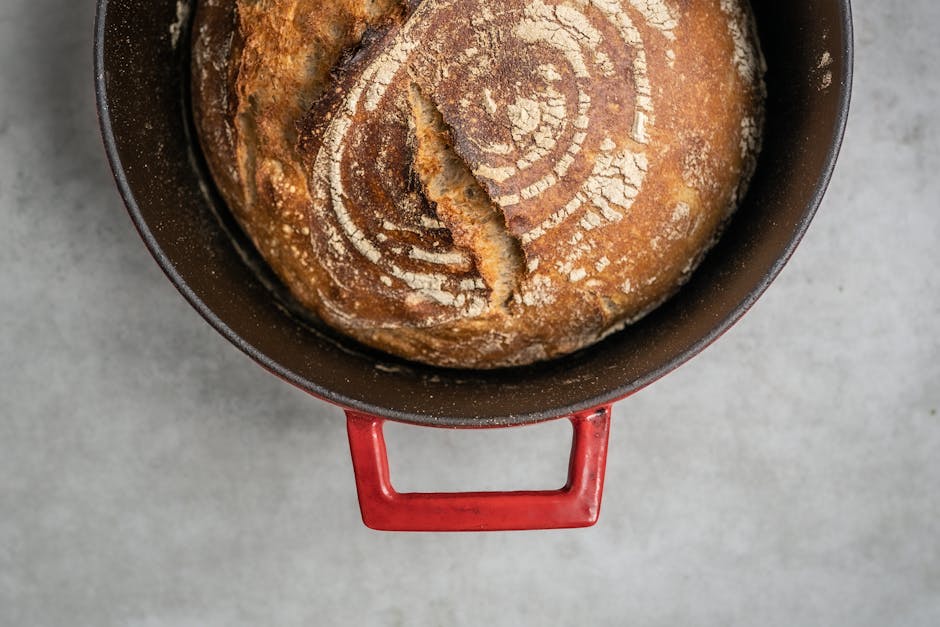
Imagine pulling a perfectly golden, crusty loaf of bread out of your oven. The aroma fills your kitchen, and the satisfaction of creating something delicious from scratch is unmatched.
But wait—did you know that the size of your Dutch oven can make or break your bread-baking success? Choosing the right size Dutch oven is crucial for achieving the ideal loaf, with the perfect rise and crust. You’ll discover the best size Dutch oven for baking bread and how it can elevate your bread-making game.
Whether you’re a seasoned baker or just starting out, understanding this simple yet essential detail can transform your home-baked bread into a masterpiece. Get ready to unlock the secrets of baking with the right Dutch oven size!
Choosing The Right Size
Choosing the right size of a Dutch oven for bread is crucial. The perfect size ensures even baking and a beautiful crust. With various sizes available, picking the right one can be tricky. This guide will help you find the ideal Dutch oven for your baking needs.
Common Sizes For Dutch Ovens
Most Dutch ovens range from 3 to 7 quarts. A 3-quart Dutch oven is great for small loaves. It suits a single person or a couple. A 5-quart size is more versatile. It works well for families and larger loaves. A 7-quart Dutch oven is perfect for big gatherings. It bakes extra-large loaves effortlessly.
Factors To Consider
First, think about your typical loaf size. A bigger loaf needs a bigger pot. Small loaves fit well in smaller ovens. Next, consider your oven space. Larger Dutch ovens require more room. Check your oven’s dimensions before buying. Also, consider your storage space at home. Dutch ovens can be heavy and bulky. Ensure you have a spot to store it. Lastly, think about your future baking needs. Planning to bake more or bigger? Go for a slightly larger size.
Benefits Of Proper Sizing
Choosing the right size for your Dutch oven can change your bread. Proper sizing impacts baking. A well-sized Dutch oven affects texture and heat distribution. This ensures your bread is delicious.
Impact On Bread Texture
The size of your Dutch oven changes the bread’s texture. A spacious oven lets the dough rise freely. This results in airy and fluffy bread. A tight space compresses the dough. It makes the bread denser and harder.
Large ovens create a soft crust. Smaller ovens can lead to thicker crusts. Choose a Dutch oven that fits your dough. This helps achieve the desired texture. Perfect sizing leads to perfect bread every time.
Heat Distribution
Heat distribution is vital in baking. Proper oven size ensures even heat. This is crucial for uniform baking. A small oven may cause uneven heat. This results in undercooked or overcooked bread.
Correct sizing allows balanced heat flow. It ensures the bread is baked thoroughly. The right size helps maintain consistent temperature. It prevents burning and keeps the bread golden brown.
Consider the size of your Dutch oven. The right choice impacts heat distribution. It helps produce beautifully baked bread.
Baking Techniques
Baking bread in a Dutch oven requires specific techniques. These ensure a perfect crust and fluffy interior. Understanding these techniques improves your bread quality significantly. Let’s dive into some essential methods.
Preheating Tips
Preheating your Dutch oven is crucial. It helps achieve a crispy crust. Start by placing the empty Dutch oven in the oven. Set the temperature to the desired heat level. Let it heat for at least 30 minutes. This ensures the pot is thoroughly hot. A hot Dutch oven gives your bread a beautiful rise. It forms a crusty exterior that crackles when sliced.
Using Parchment Paper
Parchment paper prevents sticking. It makes transferring dough easy. Cut a piece to fit the bottom of the pot. Place your dough on the parchment paper. Lower it gently into the hot Dutch oven. This prevents burns and keeps your bread intact. The paper also helps in removing the bread post-baking. It maintains the shape without damaging the crust.
Troubleshooting Common Issues
Baking bread in a Dutch oven can lead to delicious results. Yet, sometimes things go wrong. Understanding common issues helps improve your baking skills. Let’s explore solutions to undercooked bread and crust problems.
Undercooked Bread
Undercooked bread often results from incorrect oven temperature. Always check your oven’s calibration. A thermometer can help verify the actual temperature. Another reason might be the dough thickness. Thicker dough requires more baking time. Make sure to adjust accordingly.
Steam in the Dutch oven impacts cooking. Too much steam can prevent proper cooking. Remove the lid in the final baking minutes. This reduces steam and aids in thorough cooking. Also, consider preheating the Dutch oven. This ensures even heat distribution.
Crust Problems
A soggy crust can ruin your bread. This often happens with excess moisture. Ensure your dough is not too wet. Less water in the dough leads to a better crust. Also, baking without the lid for the last 10 minutes can help. This step allows the crust to crisp.
Burnt crust is another issue. High temperature and long baking cause this. Check the oven temperature regularly. Lower the heat slightly if needed. Remember, a golden crust signals a perfect bake. Monitor closely to achieve this outcome.
Enhancing Flavor And Crust
Baking bread in a Dutch oven creates a unique flavor and crust. The right size of Dutch oven impacts these elements significantly. A well-sized Dutch oven traps steam, enhancing flavor and texture. It also affects how the crust forms and bakes. Let’s explore how using steam and adjusting baking time can improve your bread.
Using Steam
Steam is crucial for a great bread crust. In a Dutch oven, steam is trapped effectively. This steam keeps the bread moist while baking. A moist dough allows the crust to expand, forming a beautiful texture. The Dutch oven’s lid helps maintain steam inside. This results in a crispy, golden crust.
Choose a Dutch oven with a snug lid. This ensures steam stays inside, enhancing flavor and crust. The ideal size is around 5 to 7 quarts. This size holds enough dough and steam for a perfect bake. Steam not only affects the crust but also deepens the bread’s flavor.
Adjusting Baking Time
Adjusting baking time is essential for flavor and crust. A Dutch oven influences how heat is distributed. Smaller ovens heat up quickly, affecting crust formation. A larger Dutch oven requires more time to heat evenly. Monitor your bread as it bakes.
Check the crust’s color and texture during baking. A golden-brown crust indicates proper baking time. Adjust the time for different oven sizes. Larger Dutch ovens might need longer baking times. Experiment to find the best time for your specific oven size. This ensures the bread has a rich flavor and perfect crust.
Maintaining Your Dutch Oven
A 5-quart Dutch oven is ideal for baking bread. It offers enough space for the dough to expand. This size also ensures even heat distribution, resulting in a perfectly baked crust.
Maintaining Your Dutch Oven Owning a Dutch oven is an investment in your culinary adventures, especially when baking the perfect loaf of bread. It’s not just about choosing the right size; proper maintenance ensures your Dutch oven lasts for years. Let’s explore how to keep your Dutch oven in top shape so every loaf you bake is as delightful as the first.
Cleaning Tips
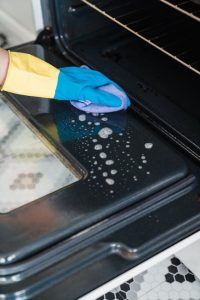
Cleaning a Dutch oven may sound daunting, but it’s simpler than you might think. After each use, allow your Dutch oven to cool before washing it with warm, soapy water. Avoid using harsh abrasives or metal scrubbers to prevent damaging the enamel surface. If bread sticks to the bottom, soak the pot in warm water to loosen the residue. A soft sponge is usually enough to remove any remaining bits. Remember, never put a hot Dutch oven into cold water, as this can cause thermal shock and damage the pot.
Storage Advice
Proper storage is key to maintaining your Dutch oven’s quality. Ensure the pot and lid are completely dry before storing to prevent moisture from causing rust or mold. Consider storing the lid upside down to allow airflow and avoid trapping moisture. If you’re stacking other pots on top, use a soft cloth to cushion the surface. Think about your storage space: Is it easily accessible for frequent use? A well-maintained Dutch oven deserves a spot where you can reach it without hassle, ensuring you’re ready to bake that next crusty loaf. Have you ever struggled with cleaning or storing your Dutch oven? Share your tips or challenges in the comments below!
Frequently Asked Questions
Should I Get A 5.5 Or 7 Quart Dutch Oven?
Choose a 5. 5 quart Dutch oven for smaller meals or limited storage. Opt for 7 quart for larger recipes and more versatility. Consider the size of your family and cooking needs. A larger oven offers more space for roasts and stews.
Both sizes are suitable for various cooking techniques.
Is A 3 Quart Dutch Oven Too Small?
A 3-quart Dutch oven is suitable for small meals or side dishes. It’s perfect for cooking for 1-2 people. Larger families might need a bigger size for larger recipes. Consider your cooking needs before purchasing. Choose based on the type of meals you frequently prepare.
What Size Dutch Oven Is Best For Bread?
A 5-quart Dutch oven is ideal for most bread recipes. It provides ample space for dough expansion and heat circulation. Larger sizes can work for bigger batches, but 5-quart offers a perfect balance. This size ensures even baking and a crispy crust, making it popular among home bakers.
Can I Use A Smaller Dutch Oven For Bread?
Yes, but smaller Dutch ovens might limit dough expansion. A 3-quart pot can work for small loaves. Ensure it accommodates your dough size for proper baking. Smaller ovens may produce tighter crumb. For best results, consider adjusting recipe quantities. A larger oven is generally preferred for optimal bread baking.
Conclusion
Choosing the right Dutch oven size is essential for perfect bread. A 5 to 7-quart Dutch oven works best for most recipes. It offers enough space for dough to rise and bake evenly. Smaller sizes might not allow proper expansion.
Larger sizes can lead to thinner loaves. So, a medium size is ideal. Ensure your Dutch oven has a tight-fitting lid. This helps trap steam, creating a crispy crust. Now, you’re ready to bake delicious bread. Enjoy your baking journey with the right tools!