
Imagine transforming your kitchen into a hub of sustainability, where every meal you prepare contributes to a healthier planet. Intrigued?
You’re not alone. Many people are discovering the power of making eco-friendly choices in their kitchens. From reducing waste to choosing sustainable ingredients, every action you take can have a meaningful impact. Sustainability in the kitchen isn’t just a trend; it’s a lifestyle change that benefits not only the environment but also your wallet and well-being.
But where do you start? And how can you make lasting changes without feeling overwhelmed? Let’s explore simple, practical steps that you can take right away to turn your kitchen into a beacon of sustainability. Keep reading to discover how you can make a difference, one meal at a time.
Eco-friendly Cooking Practices
Eco-friendly cooking practices can save energy and reduce waste. They help the planet and your wallet. Let’s explore how you can cook sustainably.
Energy-efficient Appliances
Energy-efficient appliances consume less power. They are designed to perform tasks using minimal energy. Check for Energy Star ratings when shopping. These appliances have lower energy costs. They also last longer, reducing the need for replacements.
Sustainable Cooking Methods
Choose cooking methods that conserve energy. Use a pressure cooker for quick meals. It cuts cooking time and energy use. Try steaming or microwaving instead of boiling. These methods preserve nutrients and require less energy.
Reducing Food Waste
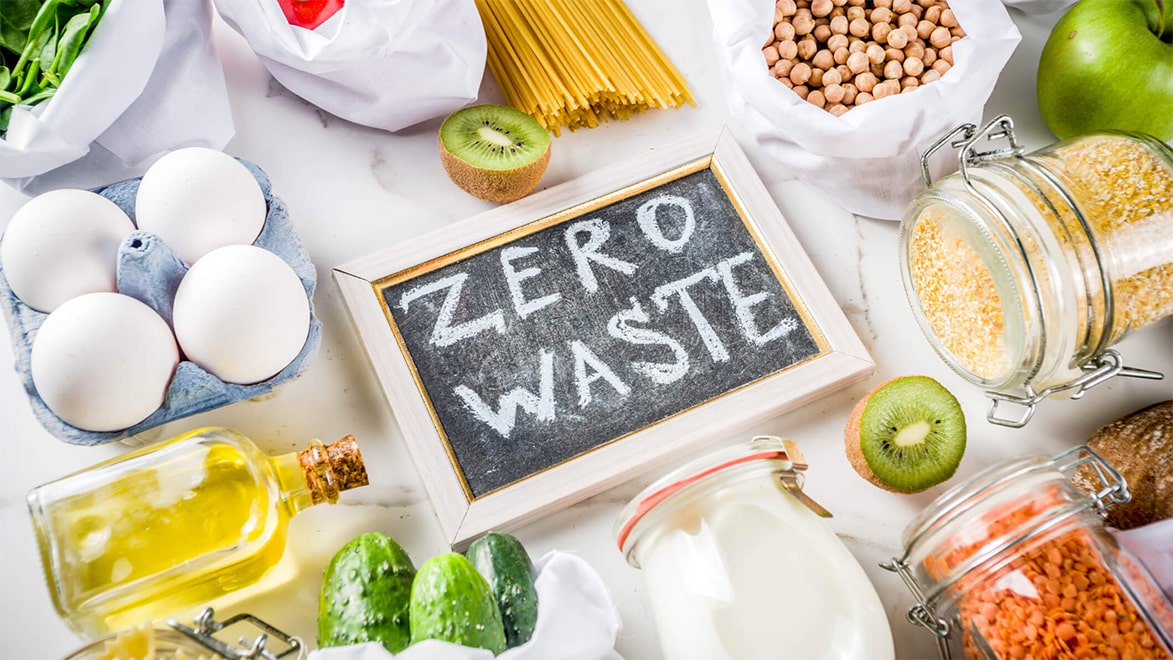
Reducing food waste starts with planning. Plan your meals to avoid buying too much. Store leftovers properly to keep them fresh. Use vegetable scraps for broth or composting. This practice enriches your garden and reduces waste.
Credit: www.holar.com.tw
Green Ingredients Choices
Choosing green ingredients promotes sustainability in the kitchen. Fresh, local produce reduces carbon footprints. Reusable containers and composting enhance eco-friendly practices.
Sustainability in the kitchen starts with the choices you make about what goes into your meals. Green ingredient choices are more than a trend; they’re a way to impact the environment positively. By selecting eco-friendly ingredients, you not only elevate your culinary creations but also contribute to a healthier planet. Let’s dive into how you can make conscious choices with organic produce, plant-based alternatives, and fair trade products.Organic And Local Produce
Imagine walking through a farmer’s market and picking vibrant tomatoes, freshly harvested from a local farm. Choosing organic produce means selecting ingredients free from synthetic pesticides and fertilizers. These foods are not only better for you but also for the earth. Going local reduces your carbon footprint. It ensures you consume produce that travels less and supports community farmers. Have you ever tasted a locally grown apple? The flavor is often richer, a testament to its freshness.Plant-based Alternatives
Shifting towards plant-based alternatives can be a game-changer in your kitchen. Think about the versatility of ingredients like chickpeas, lentils, and tofu. They offer protein and are kinder to the planet than animal-based products. Consider trying a plant-based recipe once a week. It’s a simple step that promotes sustainability and might surprise you with its flavors. Have you ever tried a chickpea burger? It’s a delicious way to enjoy a meal while being environmentally friendly.Fair Trade Products
Fair trade products ensure fair wages and safe working conditions for farmers. When you buy fair trade coffee or chocolate, you support ethical practices that respect human rights. It’s a way to make a difference beyond your kitchen. Next time you’re shopping, look for fair trade labels. It’s a small choice with a big impact. Have you noticed how fair trade coffee tastes smoother? That’s the taste of justice brewed into every cup. Choosing green ingredients is about making thoughtful decisions. What changes can you make today to align your kitchen with sustainable practices? Your choices matter, and they can lead to delicious, planet-friendly meals.Waste Reduction Strategies
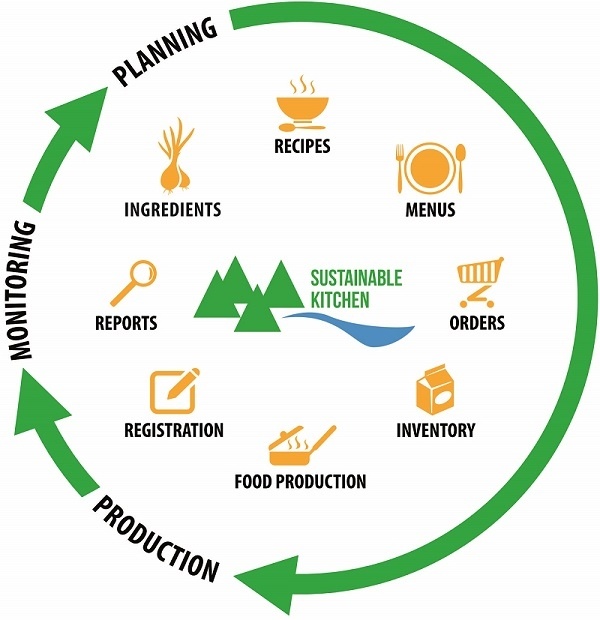
Sustainable kitchen practices help in reducing waste by focusing on mindful meal planning and efficient use of resources. Composting food scraps and opting for reusable containers minimize trash. Embracing these habits not only benefits the environment but also promotes a healthier lifestyle.
Reducing waste in the kitchen is not just a trend; it’s a necessity for a sustainable future. By adopting smart waste reduction strategies, you can significantly lessen your environmental footprint. You can transform your kitchen into an eco-friendly haven through practical actions like composting, recycling, and choosing products with minimal packaging. These steps not only help the planet but can also save you money and enhance your culinary experience.Composting Basics
Composting is a simple yet powerful way to turn kitchen scraps into nutrient-rich soil. You can start by collecting food waste like fruit peels, vegetable scraps, and coffee grounds. Find a suitable spot in your garden or use a compost bin to manage your waste. Stir the compost pile occasionally to speed up the decomposition process. Composting is not just for those with big gardens. Even apartment dwellers can use small indoor compost bins. Imagine creating your own garden fertilizer while reducing landfill waste!Recycling And Upcycling
Recycling is more than just sorting plastics and papers. It’s an opportunity to rethink how we dispose of everyday items. Make it a habit to rinse and separate recyclables for easy processing. Upcycling is another engaging way to reduce waste. Consider turning glass jars into storage containers or using old t-shirts as cleaning rags. Every item repurposed is one less item in a landfill. What creative uses can you find for things you’d normally throw away?Minimal Packaging Solutions
Packaging waste is a major contributor to kitchen waste. Opt for products with minimal or no packaging whenever possible. Buying in bulk is a great way to cut down on packaging. Bring your own reusable bags and containers to the store. Support brands that use biodegradable or recyclable packaging materials. Every small decision contributes to a larger impact. How can you adjust your shopping habits to reduce waste?By implementing these waste reduction strategies, you make a positive impact on the environment. Your kitchen becomes more than just a place to cook; it becomes a hub for sustainability. What’s your next step towards a greener kitchen?
Credit: www.jamix.com
Water Conservation Techniques
Water is an essential resource in our daily lives, yet many of us unknowingly waste it, especially in the kitchen. By adopting simple water conservation techniques, you can make a significant impact not only on your water bill but also on the environment. Ready to transform your kitchen into a water-saving haven? Let’s dive into some practical techniques.
Efficient Dishwashing
Dishwashing can be a major water hog, but there are ways to wash your dishes efficiently. Consider using a dishwasher instead of washing by hand. Modern dishwashers use less water than traditional hand-washing methods. Before running your dishwasher, make sure it’s fully loaded to maximize efficiency. Scrape, don’t rinse, your dishes before placing them in the dishwasher. This small change can save gallons of water each day.
Mindful Water Usage
Being mindful of your water usage can lead to substantial savings. When washing fruits and vegetables, use a basin or a bowl instead of running water continuously. You can reuse this water for your garden or potted plants. Think about how often you leave the tap running. Do you let it run while brushing your teeth or washing your hands? Turn off the tap whenever it’s not in immediate use. This habit can save a surprising amount of water over time.
Rainwater Harvesting
Have you ever considered collecting rainwater for use in the kitchen? Rainwater harvesting is a simple yet effective way to conserve water. Set up a rain barrel outside your home to collect and store rainwater. This collected water can be used for various non-potable purposes like washing fruits and vegetables or cleaning floors. It’s an easy step towards reducing your reliance on municipal water supply.
By implementing these water conservation techniques, you can create a more sustainable kitchen. What steps will you take today to make a change? Every drop saved is a step towards a healthier planet.
Sustainable Kitchen Design
Creating a sustainable kitchen design is about making choices that benefit the planet. It involves selecting materials, storage, and lighting that minimize environmental impact. Sustainable kitchens are not only eco-friendly but also stylish and functional. They blend modern innovation with natural elements, ensuring your cooking space is both efficient and green.
Eco-friendly Materials
Choosing materials that are sustainable is essential. Bamboo is a great option for kitchen flooring or cabinets. It grows quickly and is sturdy. Recycled glass countertops add a unique touch. They reduce waste and are long-lasting. Consider wood that is certified by the Forest Stewardship Council. It ensures responsible forestry practices.
Smart Storage Solutions
Efficient storage helps keep the kitchen organized and reduces clutter. Use pull-out shelves to maximize space. They make accessing items easy and quick. Install vertical storage racks for pots and pans. They save space and keep cookware handy. Opt for cabinets with adjustable shelves. They adapt to various sizes and shapes of kitchen items.
Natural Lighting And Ventilation
Natural lighting enhances the kitchen’s ambiance. Large windows allow sunlight to flood in. They reduce the need for artificial lighting. Skylights are another option for bringing in natural light. They create a warm, inviting atmosphere. Good ventilation is key for a healthy kitchen. Windows that open easily let fresh air circulate. Exhaust fans help remove odors and moisture efficiently.

Credit: www.windermere.com
Diy Cleaning Products
Creating DIY cleaning products promotes sustainability in the kitchen. Homemade solutions reduce waste and minimize harmful chemicals. Simple ingredients like vinegar and baking soda keep surfaces clean and safe for the environment.
Sustainability in the kitchen isn’t just about what you eat—it’s also about how you clean. DIY cleaning products can transform your kitchen into a healthier, eco-friendlier space. They are simple to make and often outperform their commercial counterparts. Plus, they save you money and reduce plastic waste. Let’s dive into how you can create your own cleaning products right at home.Non-toxic Ingredients
You might already have the essentials for DIY cleaning in your pantry. White vinegar, baking soda, and lemon juice are powerful, non-toxic alternatives to harsh chemicals. These ingredients tackle grime and odors without polluting your home. Think about it: would you rather breathe in a fresh lemon scent or harsh chemicals? Non-toxic ingredients not only clean but also keep your indoor air quality high. Next time you’re at the store, you can skip the cleaning aisle.Homemade Solutions
Creating homemade cleaning solutions is easier than you might think. Mix one part vinegar with one part water, and you have a versatile spray for countertops and windows. Add a few drops of essential oil if you prefer a scented cleaner. Got stubborn stains? A paste of baking soda and water can work wonders on tough spots. Keep a jar handy for quick clean-ups. These solutions are not only effective but also customizable to your needs.Cost-effective Recipes
Why spend money on expensive cleaning products when you can make your own? Here’s a simple recipe: combine a quarter cup of vinegar, two tablespoons of baking soda, and a few drops of essential oil in a spray bottle. Fill the rest with water, shake, and you’re ready to clean. How much does that cost? Just pennies compared to store-bought cleaners. Plus, you can use the same ingredients for multiple cleaning purposes, maximizing their value. What could be more satisfying than saving money while protecting the planet? By making your own cleaning products, you contribute to a healthier home and environment. So, what will you try first?Frequently Asked Questions
What Is Sustainability In A Kitchen?
Sustainability in a kitchen involves using eco-friendly materials, reducing waste, and conserving energy. Implement practices like recycling, composting, and using energy-efficient appliances. Choose sustainable food sources and minimize packaging. Prioritize durability over disposability to create an environmentally responsible kitchen space.
Embrace green living for a healthier planet.
What Is An Example Of Sustainability In Food?
An example of sustainability in food is organic farming. It avoids synthetic pesticides and fertilizers, preserving soil health. Organic practices enhance biodiversity, reduce pollution, and promote ecological balance. Supporting local farmers and reducing food waste are also sustainable actions that benefit the environment and society.
How To Be Environmentally Friendly In The Kitchen?
Use reusable containers and cloth bags. Compost food scraps. Buy local and organic produce. Save energy with efficient appliances. Reduce water waste by fixing leaks.
What Does “sustainable” Mean In Cooking?
Sustainable cooking uses eco-friendly practices and local ingredients to reduce waste and environmental impact. It prioritizes seasonal produce, minimizes energy use, and supports ethical sourcing. This approach ensures food production is mindful of future generations’ needs.
Conclusion
A sustainable kitchen is both practical and beneficial. Small changes can make a big difference. Use eco-friendly products to reduce waste. Choose local and seasonal foods for better health and environment. Reuse and recycle to cut down on trash. Save energy by using efficient appliances.
These steps help the planet and save money. Cooking with sustainability in mind is rewarding. It’s a path to a greener future. Everyone can contribute, no matter how small the effort. Let’s all make a conscious choice for our kitchens today.
Together, we can build a sustainable world.