Affiliate Disclosure: This post may contain affiliate links. If you purchase through links on our site, we may earn an affiliate commission at no extra cost to you.
Imagine the perfect slice of pizza, with a crispy crust, gooey cheese, and toppings cooked to perfection. What if you could recreate that magic right in your own kitchen?
If you’ve ever wondered why your homemade pizza doesn’t quite match the ones from your favorite pizzeria, the secret might lie in your oven setting. Choosing the right oven setting can transform your pizza from good to unforgettable. But with so many options, how do you know which setting is right for your creation?
This article will guide you through the best oven settings for pizza, ensuring every slice is just the way you love it. Get ready to turn your kitchen into a pizza paradise. Are you ready to unlock the secrets to delicious homemade pizza? Keep reading to find out how!
Ideal Temperature
Finding the ideal temperature for baking pizza can be tricky. The right heat brings out the best in your pizza dough and toppings. A perfect temperature ensures a crispy crust and evenly cooked toppings. Let’s explore the best temperature for baking pizza at home.
What Is The Ideal Temperature?
For most home ovens, 475°F to 500°F is ideal. This range allows for a crispy crust and melty cheese. Preheat the oven to reach this temperature before placing the pizza inside. This helps the crust cook evenly from the bottom up.
Why Preheating Is Important
Preheating ensures even cooking and prevents soggy crusts. It helps the dough rise properly and achieve the desired texture. Place your pizza stone or baking sheet in the oven during preheating. This step ensures the base is hot when the pizza is added.
Considerations For Thin Crust
Thin crust pizzas cook faster at higher temperatures. For a thin crust, aim for 500°F. This results in a crispier texture without overcooking the toppings. Keep an eye on the pizza as it bakes to avoid burning.
Adjustments For Thick Crust
Thick crust pizzas may require a slightly lower temperature. Set your oven to around 450°F. The lower heat allows the dough to cook through without burning the top. You may also need to bake it longer for the dough to cook fully.
Conventional Ovens
Cooking pizza in a conventional oven can yield delicious results. These ovens are found in most homes, making them a popular choice. They provide consistent heat, ensuring your pizza cooks evenly. Understanding the best settings can enhance the quality of your pizza.
Temperature Recommendations
Set your conventional oven between 450 to 500 degrees Fahrenheit. This temperature mimics the heat of a professional pizza oven. It helps achieve a crispy crust and properly melted cheese. Preheat your oven for at least 20 minutes before baking. This ensures the oven is hot enough to cook the pizza evenly.
Baking Tips
Place your pizza on a preheated baking stone or steel. These surfaces help distribute heat evenly. Use parchment paper to prevent sticking. Rotate your pizza halfway through baking to ensure even cooking. Keep an eye on the cheese. Once it’s bubbly and golden, your pizza is ready.
Experiment with rack positions. The middle rack often yields a balanced crust. For a crispier base, try the lower rack. Avoid opening the oven door too often. This can cause heat loss, affecting the cooking process.
Convection Ovens
Pizza lovers know that the type of oven you use can make or break your homemade pizza experience. Convection ovens are a popular choice for their consistent heat distribution and efficiency. But what exactly makes them suitable for baking the perfect pizza?
Fan Functionality
Convection ovens are equipped with a fan that circulates hot air around the oven cavity. This feature ensures that your pizza cooks evenly from all sides. Have you ever noticed how pizzas sometimes end up with an uneven crust—crispy on one side, yet soft on the other? The fan in a convection oven prevents this inconsistency.
If you enjoy a uniformly cooked pizza with a perfectly browned crust, you’ll appreciate this fan functionality. It’s like having an assistant that guarantees your pizza turns out just right. Have you tried baking without it and faced uneven results?
Temperature Adjustments
Convection ovens typically require a lower temperature setting than traditional ovens. The circulating air allows your pizza to cook faster and more evenly, so you can reduce the temperature by about 25 degrees Fahrenheit. Imagine being able to bake your pizza in less time without sacrificing quality.
Adjusting the temperature might sound tricky, but it’s a simple tweak that results in a perfectly cooked pizza. Wouldn’t it be great to have more time to enjoy your meal instead of waiting endlessly for it to bake? Remember, a slight temperature reduction can make a big difference.
Have you ever tried a convection oven for your pizza? Share your experiences below!
Wood-fired Ovens
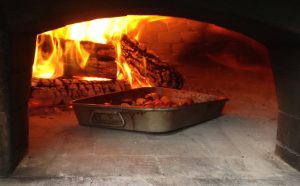
Wood-fired ovens offer a unique way to cook pizza. They bring out rich flavors and textures. The intense heat creates a crispy crust. Inside, the cheese melts perfectly. These ovens use burning wood as their heat source. This method has been cherished for centuries. It is a favorite choice for pizza enthusiasts. Let’s explore why these ovens are special.
Traditional Methods
Wood-fired ovens date back to ancient times. They use a simple design. Bricks or stones build the oven structure. The heat comes from burning wood. This traditional setup reaches high temperatures. Pizza cooks quickly in these conditions. The crust gets golden and crispy. Each bite is delightful.
Flavor Enhancements
Wood-fired ovens add unique flavors to pizza. The wood smoke infuses the dough. It creates a distinct taste. This flavor is hard to match. Different types of wood offer varied notes. Oak, cherry, and maple are popular choices. They enhance the pizza’s aroma and taste. The smoky essence pairs well with toppings.
Pizza Stones
Pizza stones are a beloved tool for pizza enthusiasts. They transform homemade pizzas into crispy delights. These stones absorb heat and radiate it evenly. This creates a perfect crust that’s both chewy and crispy.
Heat Distribution
Pizza stones excel in distributing heat evenly. This ensures the crust bakes uniformly. No more soggy or uneven spots. The stone’s porous surface draws moisture away. This creates that coveted crispy finish.
Preheating Techniques
Preheating a pizza stone is crucial. Place the stone in the oven before turning it on. Allow it to heat for at least 30 minutes. This ensures it reaches the right temperature. The hot surface helps achieve a crispy crust quickly.
Consider using a higher oven setting. This mimics the intense heat of a professional pizza oven. It helps the stone maintain a consistent temperature. Your pizza bakes evenly and perfectly.
Baking Steel
Baking steel is a solid slab of steel used in the oven. It helps in achieving a perfect pizza crust. Unlike traditional pizza stones, baking steel offers superior heat retention. This results in a crispier base and even cooking. It’s a popular choice among pizza enthusiasts who crave that professional touch.
Conductivity Benefits
Baking steel conducts heat more effectively than stone. This ensures a consistent temperature throughout cooking. Faster heat transfer leads to quicker cooking times. It helps in achieving a crispy crust without overcooking toppings. The steel’s heat retention prevents temperature fluctuations. This means every pizza gets the same quality bake.
Usage Tips
Preheat your baking steel in the oven for at least 45 minutes. This ensures it reaches the ideal temperature. Place the steel on the middle rack for even heat distribution. Use a pizza peel to transfer the pizza onto the steel. This reduces the risk of burns. Keep an eye on the pizza as it cooks faster on steel. Experiment with different toppings and dough thicknesses. Adjust the cooking time as needed for best results.
Frozen Pizza Settings
Choosing the right oven setting ensures your frozen pizza is cooked to perfection. Opt for a temperature around 450°F for a crispy crust and evenly melted cheese. Bake directly on the oven rack or a pizza stone for best results.
Enjoying a delicious pizza night doesn’t always mean making a fresh one from scratch. Frozen pizzas offer convenience and consistent flavors. However, getting that perfectly cooked pizza involves more than just following the package instructions. Understanding the right oven settings can transform your frozen pizza experience from average to exceptional. Let’s explore how you can make the most out of your frozen pizza with the right settings.
Preheating Needs
Preheating your oven is crucial for achieving a well-cooked frozen pizza. Think of the oven as your secret weapon. A properly preheated oven ensures even cooking and a crispy crust. Set your oven to the recommended temperature on the pizza package, usually between 400°F and 450°F. Wait until the oven reaches the desired heat before placing your pizza inside. This step might seem like a hassle, but it makes a significant difference in the final product.
Crispiness Considerations
Do you crave a crispy crust that crunches with every bite? The oven setting plays a key role here. A higher temperature often leads to a crispier crust. Place your pizza directly on the oven rack rather than a baking sheet. This allows hot air to circulate around the pizza, enhancing crispiness. For an extra crispy effect, consider using a pizza stone preheated in the oven. It absorbs moisture and provides a perfectly crispy base. These simple adjustments can elevate your frozen pizza from satisfactory to sensational. Have you tried different oven settings to see how they affect your pizza? Feel free to experiment and discover what works best for your taste preferences.
Homemade Pizza Tips
Crafting the perfect homemade pizza is a delightful art. The right oven setting can make all the difference. It’s not just about temperature. It’s about technique. Understanding the basics helps achieve that crispy crust. Balancing toppings ensures a harmonious flavor. Dive into these tips to elevate your pizza-making experience.
Dough Preparation
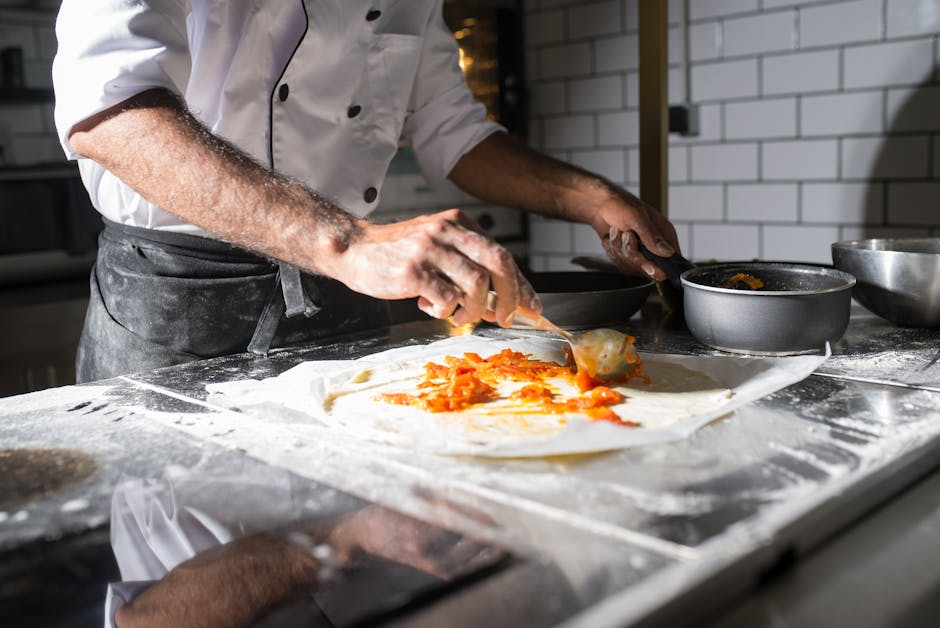
Start with quality flour. It forms the foundation of your dough. Mix it with yeast, water, and a pinch of salt. Knead until smooth and elastic. Let the dough rise for at least an hour. This allows gluten to develop. Roll out on a floured surface. Aim for a thin, even layer. This ensures a crispy base. Avoid overworking the dough. It can become tough and chewy.
Topping Balance
Choose fresh ingredients for toppings. They enhance flavor and texture. Use a moderate amount of sauce. Too much can make the crust soggy. Spread it evenly across the dough. Layer your favorite cheeses next. Mozzarella is a classic choice. Add vegetables and meats sparingly. Overloading can affect cooking. Each slice should have a mix of toppings. This keeps flavors well-balanced.
Troubleshooting Common Issues
Making the perfect pizza at home can be a delicious adventure, but sometimes things don’t go as planned. You might find yourself with a burnt crust or a soggy center. These common issues can be frustrating, especially when you’re eagerly anticipating that first bite. Let’s explore some practical solutions to these problems so you can enjoy a perfectly cooked pizza every time.
Burnt Crust
One of the most disappointing moments in pizza-making is pulling a pizza from the oven only to find a burnt crust. It can happen if the oven is too hot or if the pizza is left in too long. To avoid this, try lowering the oven temperature slightly and keep a close eye on the time.
Consider using a pizza stone. It can help distribute the heat evenly, preventing the crust from burning while ensuring it cooks through nicely. If you’ve been using the top rack, try moving your pizza to a lower rack. This can help reduce the risk of burning.
Think about your personal experiences with burnt crust. Did you notice any patterns with your oven settings? Share your insights or frustrations in the comments below. Your experience might help someone else achieve pizza perfection!
Soggy Center
A soggy center can turn an exciting pizza night into a culinary disaster. It often happens when the toppings release too much moisture or if the oven isn’t hot enough. Crank up the heat to at least 475°F (245°C) for a crisp, delicious base.
Consider pre-baking the crust for a few minutes before adding toppings. This can help form a solid base and prevent moisture from seeping in. If you notice excess moisture on your toppings, try patting them dry before placing them on the pizza.
Reflect on your last attempt at making pizza. Did you encounter a soggy center? What did you do differently next time? Your input could be the missing piece in someone else’s pizza puzzle. Share your thoughts!
Remember, every oven is unique. It might take a few trials to find the perfect setting for yours. Keep experimenting, and don’t hesitate to tweak your technique. What’s your favorite tip for achieving a crispy crust and perfect center? Let us know your secret in the comments!
Frequently Asked Questions
What Oven Mode To Use For Pizza?
Use the convection mode for pizza. This mode ensures even heat distribution, creating a crispy crust. Preheat your oven to 450°F for optimal results. For best texture, place pizza on the middle rack. Avoid using the broil mode, as it might burn the top before cooking the crust thoroughly.
What Setting Should I Use For A Pizza Oven?
Set your pizza oven to 475-500°F (245-260°C) for optimal results. Preheat the oven for 30-45 minutes. Use a pizza stone or steel to enhance the crust’s texture. Adjust the temperature based on your oven’s performance and pizza type for best results.
Which Oven Setting Symbol For Pizza?
The pizza oven setting symbol often resembles a fan with a line or two. This indicates convection or fan-assisted baking. Always check your oven manual for specific symbols.
What Is The Best Oven Position For Pizza?
Place the pizza on the middle oven rack for even cooking. This position ensures balanced heat distribution. Preheat the oven to the recommended temperature before baking. Using a pizza stone or baking sheet can enhance the crust’s texture. Adjust the rack position if your oven heats unevenly.
Conclusion
Choosing the right oven setting makes pizza delicious. A hot, preheated oven is key. Aim for 475°F to 500°F. It cooks the pizza evenly and crisply. Use a pizza stone if possible. It helps make the crust crispy. Check the pizza after 10 minutes.
This prevents overcooking. Adjust settings based on your oven’s performance. Experiment with different settings. Find what works best for your pizza. Enjoy the process. Savor every bite. Making pizza at home can be fun and rewarding. With practice, you’ll bake perfect pizzas every time.