Affiliate Disclosure: This post may contain affiliate links. If you purchase through links on our site, we may earn an affiliate commission at no extra cost to you.
Imagine this: You’re in the kitchen, preparing a delicious meal for your family or friends. The aroma fills the air, and you’re about to master a new recipe.
But wait—how safe is your kitchen? Accidents can happen in the blink of an eye, turning your culinary adventure into a nightmare. That’s why knowing the right kitchen safety rules is crucial. In this guide, you’ll discover 10 essential kitchen safety rules that can protect you from unexpected mishaps.
These simple yet effective tips are your key to a safer cooking experience. Curious? Stick around and ensure your next meal is memorable for all the right reasons.
Cleanliness
Maintaining cleanliness in the kitchen is essential. It prevents accidents and keeps food safe. Follow these ten safety rules to ensure a clean and secure cooking space.
Maintaining cleanliness in the kitchen isn’t just about having a spotless space. It’s essential for your safety and health. A clean kitchen prevents the spread of germs and keeps food fresh. Have you ever thought about how much bacteria can live on your hands or countertops? Keeping your kitchen clean can help you avoid foodborne illnesses and make cooking a more enjoyable experience.
Hand Washing
Washing your hands is a simple yet powerful step in kitchen safety. Before you start cooking, give your hands a thorough wash with soap and water. It’s not just about washing off visible dirt; you’re also removing bacteria that can contaminate food. Remember to wash your hands after handling raw meat, using the restroom, or touching your phone. Imagine the germs lurking on those surfaces! Spend at least 20 seconds scrubbing your hands, ensuring you cover all areas, including between fingers and under nails. If you’ve ever found yourself rushing through hand washing, slow down. Effective hand washing can be the difference between a safe meal and a risky one.
Surface Sanitizing
Your kitchen surfaces can be a breeding ground for bacteria. After preparing meals, make it a habit to sanitize countertops and cutting boards. Use a solution of one tablespoon of bleach in a gallon of water or a kitchen-safe disinfectant. Think about how often you place items like groceries or mail on your kitchen counters. Regularly cleaning these surfaces will help keep germs at bay. Not all cleaning has to be labor-intensive; sometimes, a quick wipe can prevent contamination. Do you use separate cutting boards for raw meat and vegetables? That’s a great step, but they still need regular sanitizing. Keeping your surfaces clean and sanitized is a simple yet effective way to maintain a safe kitchen environment.
Proper Attire
When you’re cooking up a storm in the kitchen, what you wear can make a big difference in keeping you safe. Proper attire isn’t just about looking good; it’s about making sure you’re protected from unexpected spills, burns, and other kitchen mishaps. Dressing appropriately can be the first step toward a safer cooking experience.
Avoid Loose Clothing
Loose clothing can be a real hazard in the kitchen. Baggy sleeves or flowing scarves might look stylish, but they can easily catch fire or get caught in appliances. Imagine reaching over a stove and suddenly your sleeve is dangerously close to the burner. It’s not worth the risk!
Stick to fitted tops and roll up your sleeves if needed. This simple adjustment can keep you safe and focused on what matters—your culinary creations. Next time you’re in the kitchen, ask yourself: is what I’m wearing safe for cooking?
Use Protective Gear
Don’t underestimate the power of protective gear. Aprons and oven mitts aren’t just for show; they’re essential for safeguarding you against spills and burns. A good apron can shield your clothes from splashes and stains, while oven mitts protect your hands from hot surfaces.
Consider investing in quality gear that fits well and is easy to use. Have you ever tried grabbing a hot pan without an oven mitt? The sting of a burn is a sharp reminder to use proper protection. Keep these items within reach to make safe cooking second nature.
Remember, your kitchen is a place of creativity and joy, but safety must come first. Dressing appropriately ensures you can enjoy cooking without unnecessary risks. What small change can you make today to improve your kitchen safety?
Knife Safety
Knife safety is a crucial aspect of kitchen safety that often goes overlooked. Many home cooks underestimate the importance of using knives properly and safely, leading to accidents that could have been easily avoided. By following simple knife safety rules, you can ensure your culinary adventures remain enjoyable and injury-free.
Use The Right Knife
Choosing the right knife for each task can make a world of difference. A chef’s knife is versatile, ideal for chopping vegetables and meats. For peeling fruits, a paring knife is your best friend. Using a bread knife with serrated edges makes slicing bread effortless. Would you use a screwdriver to hammer a nail? No, right? The same principle applies to knives—use them as intended to prevent mishaps.
Proper Cutting Techniques
Mastering proper cutting techniques is not just for professional chefs. It helps you cut more efficiently and safely. Keep your fingers curled under and hold food with a claw grip. This keeps your fingertips safe from the blade. Use a rocking motion with your knife—tip down and heel up—to maintain control. How often do you think about your hand placement when chopping? It’s time to start!
It’s easy to slip into bad habits when cooking, especially when you’re in a hurry. Slowing down and focusing on knife safety can save you from painful accidents. What if you could improve your kitchen skills while protecting yourself? Implementing these techniques is a small change that leads to big benefits.
Fire Safety
Fire safety in the kitchen is crucial. A simple oversight can lead to devastating consequences. By understanding and applying key fire safety rules, you can protect your home and loved ones from potential fire hazards.
Keep Flammable Items Away
Flammable items should never be near your stovetop or oven. This includes dish towels, paper towels, and even certain cooking oils. I learned this the hard way when a paper towel caught fire while I was cooking. It was a scary moment, but it taught me the importance of keeping these items at a safe distance.
Consider using heat-resistant tools and materials. This simple change can save you from a frightening experience. Ask yourself, are your flammable items stored safely?
Fire Extinguisher Knowledge
A fire extinguisher in your kitchen is a must-have. But owning one isn’t enough; knowing how to use it is equally important. Imagine the panic of a fire without knowing how to operate your extinguisher. It’s a feeling you don’t want to experience.
Take time to read the instructions and familiarize yourself with its use. Practice using it in a safe environment, if possible. Knowing exactly what to do in an emergency can make all the difference.
Have you checked the expiry date on your extinguisher? Ensure it’s in working order and easily accessible. Remember, preparation is key to effective fire safety.
Handling Hot Items
Handling hot items in the kitchen demands attention and care. Burns can happen quickly. Safety measures are crucial. Proper techniques help prevent injuries. Understanding the basics makes cooking safer. Let’s explore practical tips.
Use Oven Mitts
Oven mitts protect your hands from heat. Always wear them when handling hot dishes. Make sure they’re dry. Wet mitts transfer heat faster. Choose mitts with good grip. This prevents dishes from slipping. Check for holes or wear. Old mitts can fail unexpectedly.
Safe Stovetop Practices
Keep pot handles turned inward. This prevents accidental knocks. Choose the right burner size for your pot. Small pots on large burners can tip. Use a timer to track cooking time. Overheated pots can cause fires. Don’t leave cooking food unattended. Stay alert and focused. Remove lids carefully. Steam can cause severe burns. Tilt the lid away from your face. Avoid wearing loose clothing. It can catch fire easily.
Food Storage
Proper food storage is crucial for kitchen safety. Prevent contamination by storing raw items separately from cooked foods. Label containers with dates to ensure freshness and avoid spoilage.
Food storage is a crucial aspect of kitchen safety that often goes unnoticed until something goes wrong. It’s more than just placing items in your fridge or pantry; it’s about preserving the quality and safety of your food. Proper food storage can prevent foodborne illnesses and save you money by reducing waste. Let’s dive into some essential guidelines to ensure your kitchen stays safe and your food stays fresh.
Refrigeration Guidelines
Storing food correctly in the refrigerator is essential to keeping it fresh and safe. Always keep your fridge below 40°F (4°C) to slow bacterial growth. Use a thermometer to check the temperature occasionally. Organize your fridge to maximize airflow. Place raw meat on the bottom shelf to prevent drips onto other foods. Store dairy products in the coldest part, usually towards the back. Avoid overloading your fridge. Overcrowding can block air vents and reduce circulation, making it harder for your fridge to maintain the right temperature. This could lead to spoilage faster than you expect.
Avoid Cross Contamination
Cross contamination can be a silent threat lurking in your kitchen. It happens when harmful bacteria spread from one food item to another, particularly from raw to ready-to-eat foods. Use separate cutting boards for raw meat and vegetables. Label your containers clearly with the date of storage. This practice helps you manage your food’s freshness and prevents you from accidentally using expired ingredients. It’s a small step that goes a long way in maintaining food safety. Think about how you pack your grocery bags. Keep raw items separate from other foods to avoid contamination from the start. It’s an easy habit that keeps your kitchen safer from the get-go. Have you ever considered how your food storage practices impact your health and wallet? Implementing these straightforward rules can make a significant difference. Let’s transform your kitchen into a safer, more efficient space today!
Appliance Safety
Practice kitchen safety by following 10 essential rules. These rules include keeping appliances dry and using them correctly. Always ensure cords are intact and never overload outlets.
Appliance safety is a crucial aspect of maintaining a secure and efficient kitchen. Whether you’re using a blender, oven, or microwave, understanding how to operate these tools safely can prevent accidents and prolong the lifespan of your devices. Knowing the right steps to take can make your kitchen a safer place for everyone.
Proper Usage
Before you even plug in an appliance, take a moment to read the manual. It might sound tedious, but these guides are packed with essential information. Knowing the specific settings and features of your appliance can save you from costly mistakes. Always ensure your hands are dry before handling electric devices. Wet hands and electricity are a dangerous mix. Keep cords away from water sources and ensure they are not tangled or damaged. Consider the last time you used your blender. Did you remember to ensure the lid was secure before turning it on? Small steps like these not only prevent messes but also protect your safety.
Regular Maintenance
Just like any other tool, kitchen appliances need regular check-ups. Regular maintenance can prevent unexpected breakdowns and accidents. Have you checked the condition of your appliance cords lately? Clean your appliances after each use to keep them in top shape. For instance, unclog the toaster crumb tray to prevent fire hazards. Dust buildup in appliances can lead to overheating and malfunction. Don’t forget to inspect your appliances for wear and tear. A worn-out blender blade or a frayed cord can be a recipe for disaster. Replacing these parts as needed can save you from bigger issues down the line. Do you have a routine for appliance maintenance? Establishing one can be as simple as setting a monthly reminder on your phone. This small habit can make a big difference in your kitchen safety.
Electrical Safety
Electrical safety is crucial in the kitchen. It prevents accidents and ensures smooth cooking. Follow these simple rules to keep your kitchen safe.
Keep Cords Dry
Wet cords can cause electrical shocks. Make sure cords are away from water sources. Check for frayed or damaged cords regularly. Replace them if necessary.
Place appliances away from sinks. Keep counters dry. Water and electricity don’t mix well. Safety comes first.
Unplug Unused Appliances
Unplug appliances when not in use. It saves energy and reduces risk. This simple act prevents overheating and electrical fires.
Check if appliances are off before unplugging. Store cords neatly. Avoid tangles and knots. This keeps cords in good condition.
Child Safety
Kitchen safety is crucial for child protection. Adhering to ten essential rules can prevent accidents and injuries. Simple measures like keeping sharp objects out of reach and supervising children near cooking areas ensure a safer environment.
Ensuring child safety in the kitchen is crucial. It’s a place filled with potential hazards, and young children are naturally curious. As a parent, you want to create a space where your child feels safe to explore, without the risk of harm. By implementing some essential safety rules, you can foster a secure environment for your children.
Keep Sharp Objects Away
Sharp objects like knives, scissors, and even peelers can pose a serious threat to children. Store these items in high cabinets or drawers that are out of reach. You might consider using childproof locks for extra security. It’s easy to overlook smaller sharp objects. Think about items like graters or even the sharp edge of a can opener. Always return these tools to their designated places immediately after use. Have you ever had a moment when you turned your back for just a second, and your child was reaching for something they shouldn’t? That split second is all it takes. Keeping sharp objects out of reach can prevent that scary situation from happening.
Secure Hazardous Areas
Some areas in the kitchen are more dangerous than others. The stove, for example, can be a hotspot for accidents. Consider installing stove knob covers to prevent little hands from turning them on. Cabinets under the sink often house cleaning supplies and chemicals. A simple latch can make all the difference in keeping these substances out of your child’s reach. Think about your kitchen layout. Are there any areas that are particularly tempting for children? Maybe it’s the cupboard where you store snacks. By securing these areas, you not only protect your child but also teach them boundaries in a safe way. What steps are you taking to ensure your kitchen is a safe space for your children? Implementing these safety rules can give you peace of mind and allow your children to explore the heart of your home safely.
Emergency Preparedness
Emergencies in the kitchen can happen without warning. A well-prepared kitchen ensures quick action and safety for all. Emergency preparedness involves planning and organizing resources for any urgent situation. Equipping your kitchen with essential tools and information is vital.
First Aid Kit Accessibility
A first aid kit should be easy to find. Place it near cooking areas. This ensures quick access during accidents. Check contents regularly. Replace expired or used items. Include bandages, antiseptic wipes, and burn ointment. Keep it stocked for various injuries. Train family members to use it effectively.
Emergency Contacts
Display emergency numbers prominently. Include fire department and medical services. Keep these contacts visible for everyone. Use a laminated sheet for durability. Ensure numbers are updated. Regularly verify that contact information is accurate. Consider adding poison control numbers as well. Inform household members about these contacts. This preparation aids swift action in crises.
Frequently Asked Questions
What Are 5 Kitchen Safety Rules?
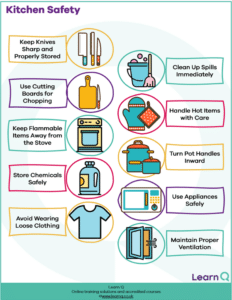
1. Keep knives sharp and store them safely. 2. Clean spills immediately to prevent slips. 3. Use oven mitts to handle hot items. 4. Store raw and cooked foods separately to avoid cross-contamination. 5. Turn pot handles inward to prevent accidental bumps or spills.
What Are 10 Food Safety Rules?
1. Wash hands before handling food. 2. Keep raw and cooked foods separate. 3. Cook food thoroughly. 4. Store food at safe temperatures. 5. Use clean utensils and surfaces. 6. Avoid cross-contamination. 7. Check expiration dates. 8. Refrigerate perishable items promptly.
9. Defrost food safely. 10. Avoid leaving food out for too long.
What Are The 10 Rules Of Safety?
1. Stay alert and aware of your surroundings. 2. Use protective gear when necessary. 3. Follow instructions and guidelines. 4. Report hazards immediately. 5. Keep emergency numbers handy. 6. Avoid shortcuts; follow the safe path. 7. Maintain a clean workspace.
8. Practice safe lifting techniques. 9. Ensure proper lighting. 10. Stay informed about safety protocols.
What Are The 21 Golden Safety Rules?
The 21 golden safety rules include wearing protective gear, ensuring proper training, maintaining equipment, following procedures, promoting communication, reporting hazards, conducting risk assessments, encouraging teamwork, implementing emergency plans, respecting safety signs, managing stress, securing work areas, practicing good hygiene, avoiding shortcuts, and fostering a safety-first culture.
Conclusion
Staying safe in the kitchen is vital. Follow these ten rules closely. They protect you from accidents and injuries. Always keep your workspace organized and clean. Pay attention to what you’re doing. Avoid distractions while cooking. Use tools and appliances properly.
Teach these rules to your family too. Everyone should know them. Practice these habits daily. They ensure a safe cooking environment. Safety should always come first in the kitchen. Remember, a safe kitchen means a happy home. Prioritize these guidelines and enjoy cooking with peace of mind.








