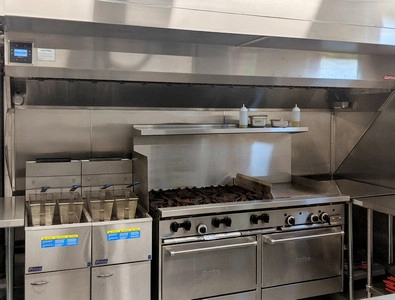
Are you planning to upgrade your restaurant’s kitchen in London? Or perhaps you’re opening a new culinary hotspot in the city?
Whatever your plans, the design of your commercial kitchen exhaust hood is crucial. It’s not just about compliance and safety; it plays a pivotal role in ensuring your kitchen operates efficiently and comfortably. Imagine a kitchen where smoke, heat, and odors are seamlessly whisked away, creating a pleasant environment for both your staff and your patrons.
In this blog post, we’ll delve into the essentials of commercial kitchen exhaust hood design tailored for the bustling culinary scene in London. Discover how the right design can enhance your kitchen’s performance, improve air quality, and even boost your energy savings. Stay with us as we explore the key elements that will transform your kitchen into a well-ventilated, efficient workspace that meets the unique demands of your business. Don’t let your kitchen’s design hold back your restaurant’s potential—let’s dive into the world of smart exhaust hood solutions.
Importance Of Exhaust Hood Systems
In commercial kitchens, exhaust hood systems play a crucial role. They ensure safety, hygiene, and comfort. These systems remove heat, smoke, and odors. They prevent grease build-up and reduce fire risks. Choosing the right exhaust hood is vital for efficient kitchen operations. In London, the design of these systems is especially important due to strict regulations. Let’s explore why exhaust hood systems matter.
Importance Of Air Quality
Exhaust hoods improve air quality in kitchens. They remove smoke and steam. This keeps the air fresh and breathable. Clean air boosts staff productivity. It also ensures a pleasant dining experience for customers.
Fire Safety
Grease and smoke increase fire hazards. Exhaust hoods capture and filter them. This reduces the risk of kitchen fires. A well-designed hood is a vital safety measure. It protects staff and premises from potential danger.
Compliance With Regulations
London has strict kitchen ventilation regulations. Exhaust hood systems must meet these standards. Compliance ensures safety and avoids fines. Properly designed hoods help businesses meet legal requirements. This ensures smooth kitchen operations.
Modern exhaust hoods are energy efficient. They reduce energy consumption and costs. Efficient systems maintain optimal kitchen temperatures. This minimizes the need for additional cooling systems.
Odor Control
Kitchens produce strong odors during cooking. Exhaust hoods help control these odors. They prevent unpleasant smells from spreading. This keeps the environment inviting for customers. Effective odor control enhances customer satisfaction.
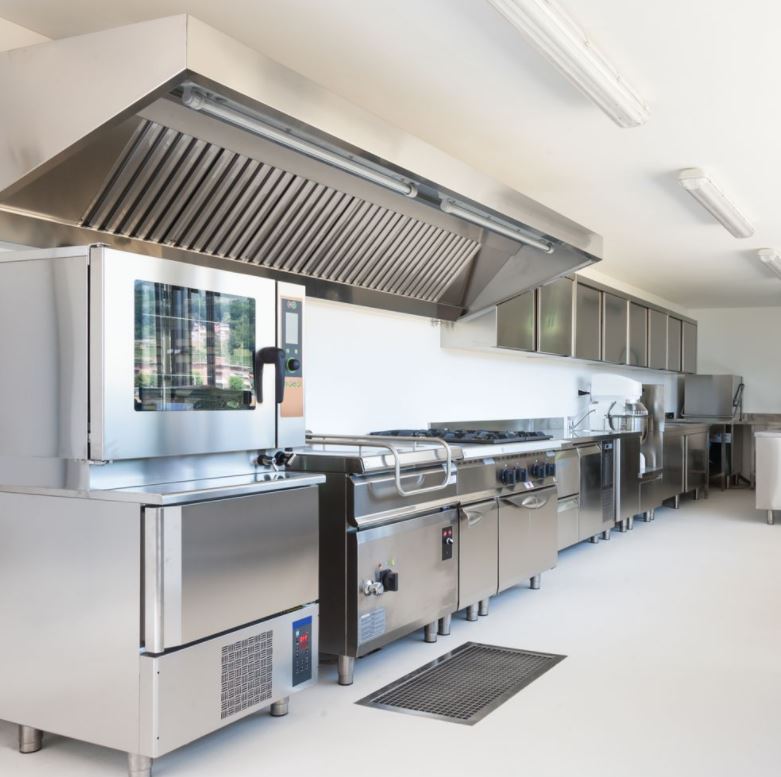
Credit: kitchenhoodofnewengland.com
Types Of Exhaust Hoods
When designing a commercial kitchen in London, selecting the right exhaust hood is crucial. The right choice ensures safety, efficiency, and compliance with local regulations. There are several types of exhaust hoods available, each with its own advantages and ideal applications. Let’s explore some popular options and see which might best suit your kitchen’s needs.
Wall-mounted Hoods
Wall-mounted hoods are a common choice in many commercial kitchens. They are attached directly to the wall above cooking equipment. This setup is perfect for kitchens where appliances are lined against a wall.
These hoods are efficient at capturing smoke and grease, directing them away from the cooking area. They typically come with a powerful fan system that ensures effective ventilation. If your kitchen space is limited, wall-mounted hoods offer a practical and space-saving solution.
Island Hoods
Island hoods are ideal for kitchens with cooking stations located in the center of the room. They are suspended from the ceiling and can be quite a focal point. This type of hood is perfect for open-plan kitchen designs.
They provide excellent ventilation and can handle large amounts of smoke and steam. The design often adds an aesthetic touch, enhancing the overall look of the kitchen. However, you need to ensure there’s ample ceiling support for installation.
Downdraft Hoods
Downdraft hoods are less common but offer unique benefits. They are installed directly into or behind cooking surfaces. These hoods draw air downwards, making them suitable for kitchens with specific design constraints.
They are particularly useful when you want to maintain an open, unobstructed view. While they might not be as powerful as other types, they provide adequate ventilation for smaller, less intense cooking setups. Could this innovative design be what your modern kitchen needs?
Choosing the right exhaust hood can significantly impact your kitchen’s functionality and safety. Each type offers distinct features, making it essential to consider your kitchen layout and cooking requirements. Have you identified which exhaust hood aligns with your kitchen design? Share your thoughts and experiences in the comments below!
Regulations And Standards In London
Designing commercial kitchen exhaust hoods in London requires adherence to strict regulations and standards. These rules ensure safety, efficiency, and compliance with local laws. Understanding these regulations can save you time and money while preventing potential hazards.
Fire Safety Requirements
Fire safety is a top priority in any commercial kitchen. In London, exhaust hoods must meet specific fire safety requirements to minimize risks. You need to ensure that your hood design includes fire suppression systems that are regularly maintained.
Think about the worst-case scenario. Are your systems ready to tackle a fire emergency? Regular inspections and checks are essential to keep everything in working order. Make it a habit to schedule these checks, as they are mandatory.
Ventilation Standards
Proper ventilation is crucial for maintaining air quality in your kitchen. London’s ventilation standards require that exhaust hoods effectively remove smoke, grease, and odors. This not only keeps the kitchen environment pleasant but also safeguards the health of your staff.
Have you ever walked into a kitchen and been overwhelmed by smoke? Poor ventilation can lead to such unpleasant experiences. Ensure your exhaust hood design includes adequate filters and fans to keep the air clean and breathable.
Adhering to these regulations and standards isn’t just about compliance; it’s about creating a safe and efficient environment. Are you confident that your kitchen meets these requirements? Taking action now can prevent future issues and foster a productive cooking space.

Credit: edwardgeorgelondon.com
Design Considerations
Designing a commercial kitchen exhaust hood in London demands focus on efficiency and safety. Proper ventilation prevents heat build-up and ensures clean air. Adequate materials and strategic placement enhance performance and durability.
Designing a commercial kitchen exhaust hood in London is not just about functionality, but also about creating a space that enhances efficiency, safety, and comfort. You want your kitchen to operate smoothly, with every element in its rightful place. The design considerations for your exhaust hood play a crucial role in achieving this balance. How do you ensure that your kitchen is both practical and comfortable for those who work in it every day?Space And Layout
Space and layout are critical when planning your commercial kitchen exhaust hood. The size of your kitchen dictates the type of hood you choose, impacting airflow and efficiency. Ensure that your hood is positioned to cover the cooking equipment adequately. You might find that a well-planned layout reduces the walking distance for staff, enhancing productivity. Consider the placement of other kitchen appliances to avoid congestion. Effective space management can make the kitchen a more pleasant place to work.Material Selection
Choosing the right materials for your exhaust hood is essential for durability and maintenance. Stainless steel is a popular choice due to its resistance to heat and corrosion. It also offers a sleek, professional look. Think about ease of cleaning when selecting materials. Grease and grime are inevitable in commercial kitchens, so materials that are easy to wipe down can save time and effort. Wouldn’t you prefer spending time on creative cooking rather than arduous cleaning?Noise Control
Noise control is another vital aspect of exhaust hood design. A noisy kitchen can be stressful for staff and can disrupt communication. Opt for hoods with built-in noise reduction features to maintain a pleasant working environment. Consider the placement of the exhaust fan, as it significantly affects noise levels. A quiet kitchen promotes better focus and efficiency. Could a quieter environment improve your team’s performance? Each design consideration plays a pivotal role in the overall effectiveness of your commercial kitchen. Whether it’s maximizing space, choosing the right materials, or controlling noise, every decision impacts the daily operations. What changes will you make to ensure your kitchen is the best it can be?Installation Best Practices
Proper installation of a commercial kitchen exhaust hood is vital. It ensures safety and efficiency in your London-based kitchen. The right setup prevents smoke and odors from disrupting your business. Following installation best practices helps maintain a clean and safe environment. Below, explore essential guidelines for a successful exhaust hood installation.
Professional Installation
Hiring a professional installer ensures the job is done correctly. Experts understand the technical requirements for exhaust systems. They follow local regulations and standards in London. Professional installation minimizes risks and guarantees optimal performance. Choose certified technicians with experience in commercial kitchens.
Maintenance Tips
Regular maintenance keeps your exhaust hood functioning well. Clean filters frequently to avoid grease buildup. Check the fan and motor for wear and tear. Schedule inspections to identify potential issues early. Consistent maintenance extends the lifespan of your hood. It also improves air quality in your kitchen.
Energy Efficiency
Energy efficiency in commercial kitchen exhaust hood design in London helps reduce energy costs. Proper design ensures effective ventilation while maintaining indoor air quality. This sustainable approach minimizes environmental impact and enhances operational efficiency.
Energy efficiency is a crucial aspect of commercial kitchen exhaust hood design in London. With rising energy costs and the push for sustainability, making energy-efficient choices is not just smart—it’s essential. You might be surprised at how much energy your kitchen hood can consume and how strategic design can cut down on these costs.Advanced Technologies
Modern exhaust hoods use advanced technologies to boost energy efficiency. Variable speed controls are one such innovation, allowing the system to adjust fan speeds based on current needs. This means energy is only used when it’s necessary, saving you money without compromising on performance. Heat recovery systems are also making waves in kitchen design. These systems capture waste heat and use it to warm incoming air, reducing the energy needed for heating. It’s like giving your kitchen a self-sustaining boost.Cost-saving Benefits
Reducing energy consumption directly impacts your bottom line. By utilizing energy-efficient exhaust hoods, you can significantly cut down on utility bills. Imagine reallocating those savings to other aspects of your business, like upgrading kitchen equipment or marketing. Moreover, many energy-efficient systems come with government incentives. This means you might be eligible for rebates or tax breaks, adding another layer of savings. Have you considered what you could achieve by reinvesting these savings into your business growth? Energy-efficient kitchen hoods not only save money but also enhance your brand image. Customers increasingly favor businesses that prioritize sustainability. By showcasing your commitment to energy efficiency, you attract eco-conscious customers and stand out from competitors. Incorporating energy efficiency into your kitchen hood design isn’t just a trend—it’s a smart business strategy. How will you leverage these insights to transform your commercial kitchen in London?Trends In Exhaust Hood Design
In the bustling heart of London, where culinary arts meet innovation, the design of commercial kitchen exhaust hoods is rapidly evolving. Gone are the days when functionality was the sole priority. Today, these essential kitchen components are as much about style and technology as they are about practicality. As restaurant owners and kitchen designers look to create spaces that are both efficient and aesthetically pleasing, new trends in exhaust hood design are capturing attention.
Smart Systems
Imagine walking into your kitchen and having your exhaust hood automatically adjust its settings based on the cooking activity. This is the reality with smart systems. These hoods use sensors to detect heat, smoke, and even odors, optimizing air quality without manual intervention.
Smart systems not only improve air circulation but also enhance energy efficiency. They can be connected to your smartphone, allowing you to control and monitor them remotely. This means you can ensure a fresh kitchen environment, even when you’re away.
Are you ready to embrace technology that makes your kitchen smarter and more efficient? These systems are not just about convenience; they’re about creating a safer and healthier cooking space.
Aesthetic Innovations
Commercial kitchens in London are increasingly viewed as an extension of the dining experience. Exhaust hoods are now designed to blend seamlessly with modern interior styles. Sleek lines, customizable finishes, and minimalist designs are popular choices.
Reflective materials and metallic finishes can add a touch of elegance to your kitchen. You can choose from a variety of colors and textures to match your restaurant’s theme. This approach transforms a functional necessity into a design statement.
Have you considered how the design of your exhaust hood could enhance the overall ambiance of your kitchen? It’s an opportunity to impress your guests and create a unique dining atmosphere.
The trends in exhaust hood design are redefining what it means to have a modern kitchen. Whether through smart technology or aesthetic appeal, these innovations are setting new standards. What changes will you make to keep up with these exciting trends?

Credit: www.fanservices.co.uk
Frequently Asked Questions
What Are The Types Of Exhaust Hoods?
Commercial exhaust hoods are categorized mainly into Type I and Type II. Type I hoods remove grease and smoke, while Type II hoods handle heat and moisture. Choosing the right type depends on your kitchen’s cooking processes and specific needs.
Proper selection ensures efficient ventilation and compliance with safety standards.
How Do Exhaust Hoods Improve Air Quality?
Exhaust hoods improve air quality by removing smoke, grease, and odors. They capture and vent pollutants outside, maintaining a clean atmosphere. This process prevents harmful particles from circulating in your kitchen. Properly installed hoods can significantly enhance the work environment, ensuring safety and comfort for staff.
What Is The Importance Of Hood Maintenance?
Regular maintenance of exhaust hoods is essential for optimal performance. It prevents grease buildup, reducing fire risks and ensuring efficient ventilation. Routine checks help identify potential issues early, avoiding costly repairs. Well-maintained hoods prolong equipment life and maintain compliance with health and safety regulations.
How To Choose The Right Exhaust Hood Size?
Choosing the correct exhaust hood size depends on your kitchen’s layout and equipment. Measure the cooking area to determine the hood dimensions. Ensure it covers all heat-producing appliances adequately. A properly sized hood enhances ventilation efficiency, ensuring effective removal of pollutants and maintaining air quality.
Conclusion
Designing a kitchen exhaust hood in London requires careful planning. Choose quality materials for durability and safety. Proper ventilation is crucial for a healthy kitchen. Ensure compliance with local regulations to avoid issues. A well-designed hood improves air quality and comfort.
It also enhances the kitchen’s overall efficiency. Consult professionals for expert advice and installation. Investing in a good exhaust system benefits both staff and customers. Always prioritize safety and functionality in your design. Happy cooking in your well-ventilated kitchen!








