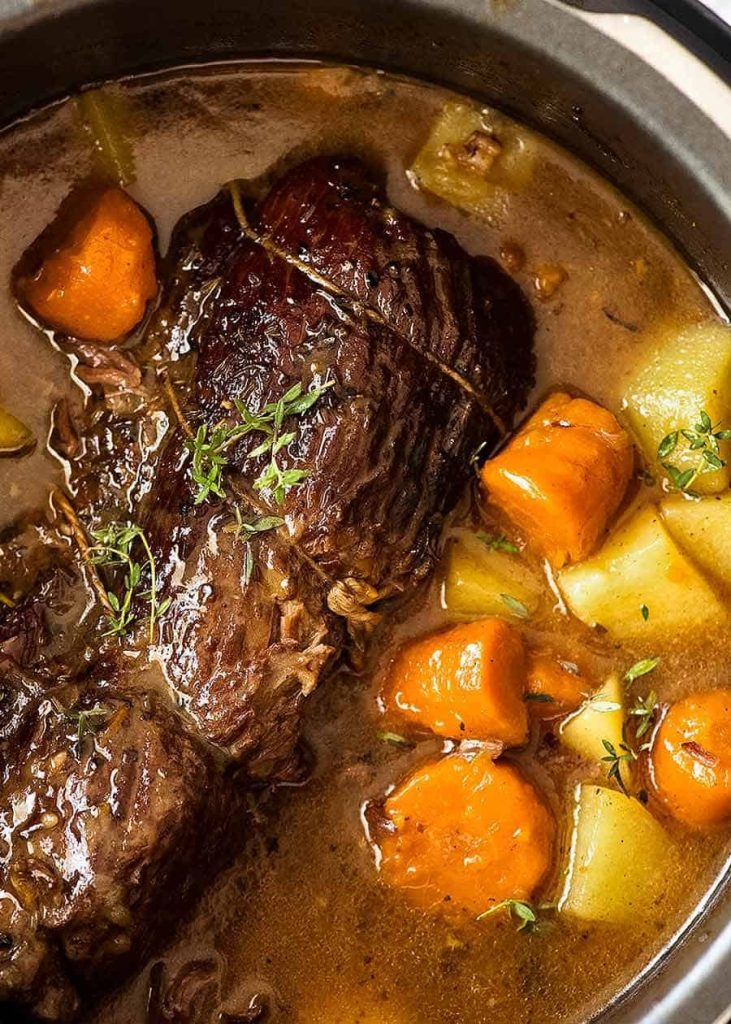
Are you ready to elevate your pot roast game to the next level? Choosing the right cut of beef can make all the difference between a good meal and a mouthwatering masterpiece.
Imagine your kitchen filled with the rich aroma of a perfectly cooked pot roast, tender and juicy, melting in your mouth with each bite. It’s the stuff of Sunday dinners and family gatherings. But how do you achieve this savory perfection?
It all starts with selecting the best cut of beef for your pot roast in the oven. Dive into this guide, and discover how to transform your cooking into a culinary delight that will have everyone asking for seconds. Don’t just follow the recipe; understand it, master it, and let your pot roast be the star of the table.
Choosing The Perfect Cut
Choosing the perfect cut of beef is crucial for a delicious pot roast. The right cut determines the texture and flavor. This section guides you through the best options. Let’s explore the top choices for oven-cooked pot roast.
Chuck Roast
Chuck roast offers a tender, juicy experience. It comes from the shoulder area. This cut has marbling, which enhances flavor. Slow-cooking brings out its rich taste. It’s a popular choice for pot roast enthusiasts.
Brisket
Brisket is a bit leaner. It comes from the lower chest or breast. This cut requires slow, even cooking. The result is a tender, flavorful dish. It’s ideal for those who prefer a leaner option.
Round Roast
Round roast is budget-friendly and versatile. It comes from the rear leg of the cow. This cut is leaner than chuck. It benefits from a longer cooking time. The result is a satisfying, tasty pot roast.
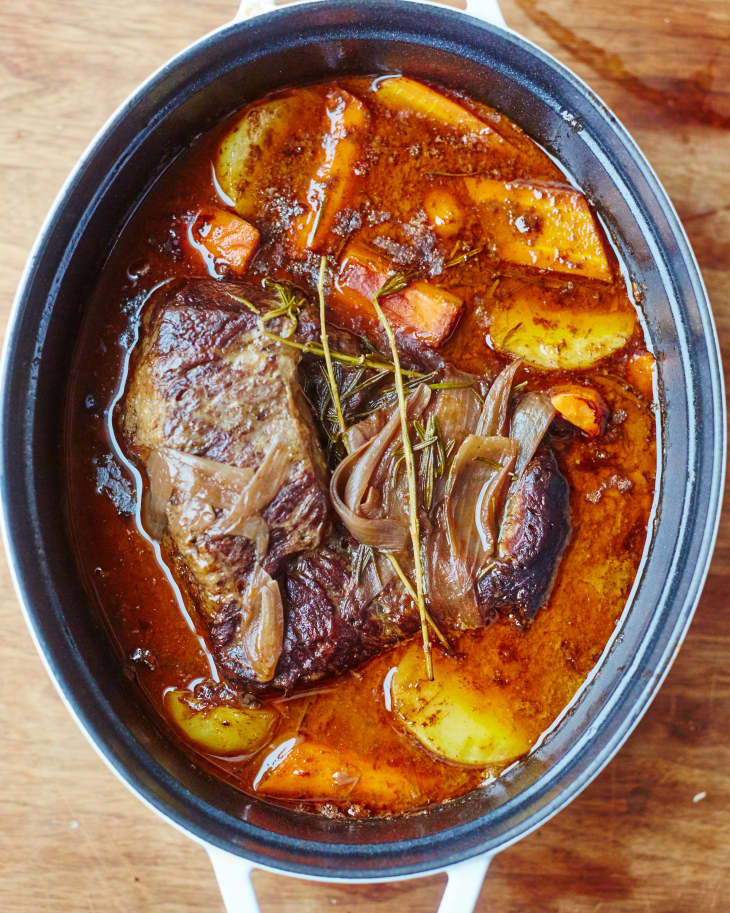
Credit: www.thekitchn.com
Factors To Consider
Choosing the right cut of beef for a pot roast in the oven is crucial. It impacts the flavor and tenderness of your dish. Consider several factors to ensure the best results. These include fat content, marbling, and tenderness. Each aspect plays a vital role in the final taste and texture of your pot roast.
Fat Content
Fat is essential for flavor and juiciness. Cuts with higher fat content are often more flavorful. They keep the meat moist during cooking. Watch for cuts that have a good balance of fat. Too much fat can make the dish greasy. Too little can make it dry. Aim for just the right amount.
Marbling
Marbling refers to the white streaks of fat within the meat. These streaks melt during cooking. They add richness and tenderness to the pot roast. Look for cuts with even marbling. It ensures the meat is tasty and soft. Cuts like chuck roast typically have excellent marbling.
Tenderness
Tenderness is key for a delightful pot roast. Tough cuts become tender with slow cooking. They absorb flavors well. Choose cuts known for their tenderness after cooking. Cuts such as brisket and bottom round roast are ideal. They offer a melt-in-your-mouth experience.
Preparation Tips
When you’re preparing a pot roast in the oven, the cut of beef you choose can make all the difference. But equally important are the preparation techniques that bring out the best flavors and textures. Whether you’re a seasoned cook or trying pot roast for the first time, mastering seasoning, browning techniques, and oven temperature will elevate your dish to new heights.
Seasoning
Seasoning is your first chance to infuse the beef with flavor. Start by generously seasoning your cut of beef with salt and pepper. You can also experiment with garlic powder, rosemary, and thyme to add depth.
Rub the seasoning thoroughly over the beef to ensure every bite is flavorful. Consider adding a dash of paprika or cayenne if you like a bit of heat.
Have you ever tried adding a splash of soy sauce or Worcestershire sauce? It can enhance the umami and richness of the meat, making it irresistible.
Browning Techniques
Browning your beef before roasting is crucial for developing flavor. Heat a tablespoon of oil in a pan until it’s shimmering. Carefully place the beef in the pan to avoid splattering.
Allow each side to brown for about 4-5 minutes, creating a beautiful crust that locks in juices. Don’t rush this step; patience is key to achieving a succulent roast.
Do you notice how the kitchen fills with a mouthwatering aroma when browning? That’s the Maillard reaction working its magic, transforming the surface of the meat into a flavorful delight.
Oven Temperature
The oven temperature can make or break your pot roast. Preheat your oven to 325°F (165°C) for a slow and steady cooking process. This allows the meat to become tender and flavorful.
Place the browned beef in a roasting pan with vegetables and broth. Cover it tightly to retain moisture and bake for around 3-4 hours, depending on the size of your roast.
Ever wondered why some roasts come out dry? It’s often due to high oven temperatures. Keeping it low ensures a juicy, melt-in-your-mouth result every time.
Preparing the perfect pot roast is both an art and a science. Have you tried any of these techniques before? What are your go-to tips for a mouthwatering roast? Share your experiences and let’s continue the conversation!
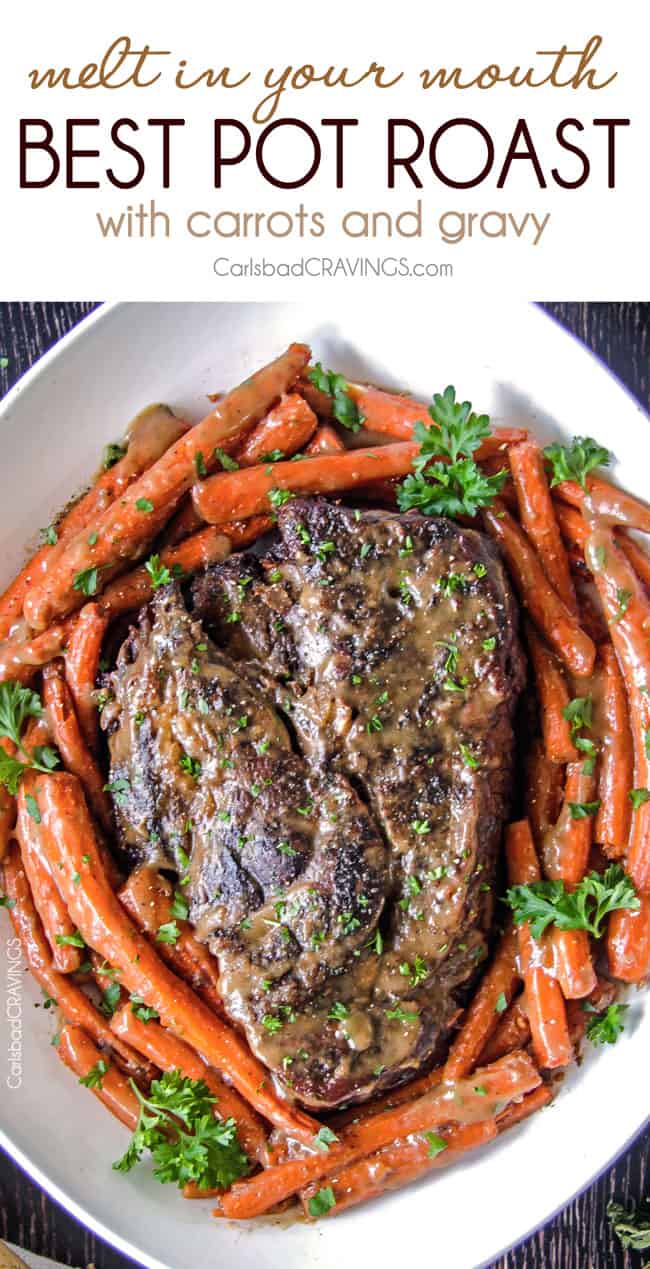
Credit: carlsbadcravings.com
Cooking Methods
Pot roast is a beloved dish, celebrated for its rich flavors and tender texture. The secret to a perfect pot roast lies in the choice of beef and the cooking method. Different methods bring out unique flavors and textures. Let’s explore the best cooking methods for your pot roast.
Slow Roasting
Slow roasting is a classic method. It brings out deep flavors in the beef. Cook the pot roast at a low temperature for several hours. This technique allows the connective tissues to break down. The result? A melt-in-your-mouth texture that’s hard to resist. Slow roasting is ideal for cuts like chuck roast. These cuts become tender with time and patience.
Braised Pot Roast
Braising involves cooking the beef in liquid. This method uses a covered pot at a low temperature. First, sear the beef to lock in juices. Then, add broth, wine, or water. Allow the beef to simmer gently. This method infuses the beef with rich flavors from the liquid. Braised pot roast is perfect for tougher cuts. Think brisket or round roast. These cuts absorb flavors beautifully.
Instant Pot Options
The Instant Pot offers a modern twist. It combines speed with flavor. Pressure cooking breaks down tough fibers quickly. This method is perfect for busy days. You can have a tender pot roast in under an hour. Choose cuts like chuck or rump roast. They perform well under pressure. The Instant Pot also locks in moisture. Your beef remains juicy and flavorful.
Flavor Enhancements
Choosing the right beef cut enhances pot roast flavors. Chuck roast is ideal, offering tenderness and rich taste. Cook slowly in the oven for juicy perfection.
Cooking a pot roast in the oven is an opportunity to bring rich flavors to life. The right cut of beef will make a huge difference, but it’s the flavor enhancements that truly elevate your dish. You might wonder, what ingredients can transform a good roast into an unforgettable experience? Let’s dive into herbs, spices, vegetables, and liquid ingredients that can make your pot roast exceptional.Herbs And Spices
Imagine the aroma of rosemary and thyme wafting through your kitchen. These herbs are classic choices that pair beautifully with beef. They add a fragrant, earthy note that complements the rich taste of the meat. Don’t forget about garlic and onion powder. These spices bring out deeper flavors and are easy to use. A sprinkle of smoked paprika can add a subtle smokiness that surprises and delights your taste buds.Vegetable Pairings
The vegetables you choose can act as a flavorful base. Carrots and potatoes are traditional, but why not try parsnips or turnips? They offer a slightly sweet and nutty taste that enhances the beef. Consider adding mushrooms. They absorb the juices and add a savory depth to your roast. Bell peppers, with their vibrant color and mild sweetness, can brighten up the dish and add complexity.Liquid Ingredients
The liquid you cook your pot roast in is crucial. Beef broth is a common choice, providing a hearty base. But you might try adding a splash of red wine for a richer, more robust flavor. Tomato juice or puree can introduce a tangy sweetness. If you enjoy a bit of heat, add a dash of Worcestershire sauce. It provides a spicy, savory kick that ties all the flavors together. Have you ever thought about what a few simple changes could do to your pot roast? With these flavor enhancements, you’ll not only make a meal; you’ll create an experience that your family and friends will remember.:max_bytes(150000):strip_icc()/14621-beef-pot-roast-DDMFS-4x3-13d65566a0774f4fa99f948381e085ca.jpg)
Credit: www.allrecipes.com
Serving Suggestions
Serving a pot roast made from the best cut of beef is an art. Pairing it with the right sides and drinks can elevate the experience. Presenting it well can make it a feast for the eyes and the palate.
Side Dishes
Mashed potatoes are a classic choice for pot roast. Their creamy texture complements the rich meat flavors. For a lighter option, try roasted vegetables. Carrots, parsnips, and Brussels sprouts work well. Their sweetness balances the savory beef.
A fresh green salad adds a crisp contrast. Use mixed greens, cherry tomatoes, and a tangy vinaigrette. These simple additions enhance the meal and make it feel complete.
Wine Pairings
Red wine pairs beautifully with pot roast. A Cabernet Sauvignon is a popular choice. Its bold flavors complement the beef. A Merlot offers a softer taste. It adds a smooth touch to the meal.
For white wine lovers, Chardonnay works well. Its rich taste matches the roast without overpowering it. Choosing the right wine elevates the dining experience.
Presentation Tips
Presentation matters as much as taste. Slice the roast against the grain for tenderness. Arrange the slices neatly on a platter. Garnish with fresh herbs like rosemary or thyme for color.
Serve side dishes in separate bowls for a neat look. Use white dishes to make the food stand out. A well-set table with elegant cutlery completes the presentation. These simple tips make your meal look inviting and delicious.
Troubleshooting Common Issues
Choosing the right beef cut for pot roast is key. Chuck roast offers rich flavor and tender texture. Short ribs are another great choice, bringing a delightful juiciness.
Troubleshooting common issues with pot roast is essential for a perfect dish. Understanding potential problems helps you achieve a tender, flavorful roast. Here, we address common concerns like dryness, uneven cooking, and seasoning adjustments. Let’s explore how to tackle these issues effectively.Avoiding Dry Roast
Dry roast can ruin your meal experience. To prevent this, choose the right cut of beef. Chuck roast is ideal due to its marbling. Cook at a low temperature for a longer time. This allows the meat to retain moisture. Cover the pot with a lid to trap steam. Basting occasionally also helps keep the roast juicy.Ensuring Even Cooking
Even cooking ensures every bite is tender. Begin by bringing the beef to room temperature. This helps it cook uniformly. Use a heavy pot to distribute heat evenly. Turn the roast halfway through cooking. This prevents one side from overcooking. Insert a meat thermometer to check the internal temperature. A reading of 145°F indicates perfect doneness.Adjusting Seasoning
Proper seasoning enhances the roast’s flavor. Start with basic salt and pepper. Taste the drippings halfway through cooking. Add herbs like thyme or rosemary for depth. If the flavor is too strong, dilute with a splash of broth. Experiment with garlic or onion powder for extra flavor. Adjust spices according to personal preference.Frequently Asked Questions
What Cut Of Beef Makes The Best Pot Roast?
Chuck roast is the top choice for pot roast. It offers rich flavor and tenderness. This cut has enough marbling to keep the meat juicy during slow cooking. Other good options include brisket and round roast, but chuck remains the favorite for its perfect balance of taste and texture.
What Is The Most Tender Cut Of Beef For Oven Roast?
The tenderloin is the most tender cut of beef for oven roast. It offers a buttery texture and rich flavor. Ideal for special occasions, it cooks quickly and evenly. Opt for high-quality, fresh beef for the best results. Remember to season well and let it rest before serving.
What Cut Of Beef Is Most Tender From The Crock Pot?
The most tender beef cut for a crock pot is the chuck roast. Its marbling breaks down beautifully, resulting in tender, flavorful meat. Opt for cuts like shoulder or blade roast for best results. These cuts are perfect for slow cooking, maximizing tenderness and taste.
What Type Of Pot Roast Falls Apart?
A pot roast falls apart when cooked slowly with cuts like chuck roast or brisket. These meats become tender when braised. Ensure low heat and enough liquid for best results. Cooking time should be several hours to achieve desired tenderness.
Use a slow cooker or Dutch oven for optimal cooking.
Conclusion
Choosing the right beef cut makes pot roast tasty. Chuck roast stands out for its rich flavor and tenderness. Its marbling ensures a juicy dish. Brisket works well too, offering a deeper taste. For leaner options, try bottom round roast.
Each cut brings unique flavors to your meal. Picking the best cut can elevate your pot roast experience. Explore these choices and find your favorite. Experimenting with different cuts can bring delightful surprises. Your oven-cooked pot roast will surely impress.
Enjoy the savory goodness with family and friends. Happy cooking!








