Affiliate Disclosure: This post may contain affiliate links. If you purchase through links on our site, we may earn an affiliate commission at no extra cost to you.
Imagine this: you’re whipping up a delicious meal, the aroma fills the air, and everything seems perfect. But did you know that the kitchen is one of the most accident-prone areas in your home?
Whether you’re a seasoned chef or just starting out, taking the right safety precautions is crucial. The good news is, it’s easier than you might think to keep yourself and your loved ones safe while cooking. By following these 10 essential kitchen safety tips, you can transform your kitchen into a haven where creativity and safety go hand in hand.
Ready to discover how you can make your cooking space safer? Let’s dive in and explore each precaution to ensure your kitchen remains a place of joy and not danger.
Keep Workspaces Clean
Keeping your kitchen workspaces clean is vital for safety. A clean kitchen prevents cross-contamination. It also reduces the risk of accidents. Germs thrive in dirty areas. Cleaning minimizes their growth and spread. A tidy workspace makes cooking more enjoyable. It enhances efficiency and ensures a safe environment.
Importance Of Hygiene
Hygiene in the kitchen is crucial. It protects against foodborne illnesses. Dirty surfaces harbor bacteria and viruses. These can cause serious health issues. A clean kitchen keeps your family safe. It also maintains food quality and taste.
Regular Cleaning Schedule
Set a regular cleaning schedule for your kitchen. Consistent cleaning reduces dirt buildup. It also ensures a hygienic cooking area. Wipe surfaces after each use. Sweep and mop floors daily. Clean appliances weekly. This prevents grease and grime accumulation.
Credit: learnq.co.uk
Proper Knife Handling
Proper knife handling is crucial for kitchen safety. Always use the right knife for each task and keep blades sharp. Focus on hand placement and cutting techniques to prevent accidents.
Proper knife handling is crucial for kitchen safety. Whether you’re a seasoned chef or a cooking enthusiast, understanding how to handle knives can prevent accidents and enhance your culinary experience. Let’s dive into some essential aspects of knife handling, focusing on the importance of sharpness and the techniques that keep your fingers safe.
Sharp Vs. Dull Knives
A sharp knife is your friend in the kitchen. It cuts cleanly, reducing the risk of slips that cause injuries. You might think a dull knife is safer, but it actually requires more pressure, increasing the chance of an accident. Have you ever tried slicing a tomato with a dull blade? It squishes instead of slicing, and your hand ends up doing a balancing act. Regularly sharpen your knives for effortless and precise cutting.
Safe Cutting Techniques
Knowing how to cut correctly is as important as having a sharp knife. Always use a cutting board—never cut on surfaces that can slip. Position your fingers with a claw grip; tuck them in to guide the knife safely. Ever tried slicing an onion with your fingers stretched out? It’s a recipe for disaster. The claw grip keeps your fingertips tucked away from the blade, offering better control. Another tip: cut away from your body. It seems obvious, yet many overlook it in a rush. Practice these techniques to reduce risks and keep your cooking enjoyable. Have you ever considered how much more confidence and speed you gain with proper knife skills? Taking the time to hone these skills not only keeps you safe but also turns cooking into a seamless experience. So, next time you’re preparing a meal, think about your knife handling—what adjustments can you make to enhance safety and efficiency?
Fire Safety Measures
Kitchen fires can start without warning. Knowing how to prevent them is crucial. Fires cause damage and can be dangerous. The kitchen is full of flammable items. So, understanding fire safety measures is vital. This section covers using fire extinguishers and handling grease fires. These tips will help keep your kitchen safe.
Using Fire Extinguishers
Every kitchen should have a fire extinguisher. Place it where you can reach it quickly. Learn how to use it before a fire starts. Read the instructions carefully. Practice using it if possible. When a fire occurs, stay calm. Aim the extinguisher at the base of the flames. Sweep from side to side to put out the fire.
Handling Grease Fires
Grease fires are common in kitchens. Water makes grease fires worse. Never use water on them. Cover the flames with a lid or baking sheet. This cuts off oxygen and stops the fire. Turn off the heat immediately. Use baking soda if the fire persists. Baking soda smothers the flames safely.
Preventing Cross-contamination
Preventing cross-contamination in the kitchen is crucial for food safety. It helps avoid the spread of harmful bacteria between foods. This practice ensures the health and well-being of your family. Understanding key precautions can make your kitchen a safer place.
Separate Cutting Boards
Using separate cutting boards reduces the risk of cross-contamination. Dedicate one board for raw meats and another for fruits and vegetables. This prevents bacteria from raw meat contaminating other foods. It’s an easy step that significantly boosts kitchen hygiene. Make sure to clean boards thoroughly after each use.
Safe Storage Practices
Proper food storage plays a vital role in preventing cross-contamination. Raw meats should always be stored at the bottom of the fridge. This prevents any juices from dripping onto other foods. Use sealed containers to keep different food types separate. Label containers with dates to ensure freshness and safety.
Handling Hot Surfaces
Hot surfaces in the kitchen pose risks. Always use oven mitts to protect hands from burns. Keep children away from cooking zones to prevent accidents.
Handling hot surfaces in the kitchen requires careful attention. Burns and injuries can occur easily. Understanding how to manage these surfaces safely can protect you and your family.
Use Of Oven Mitts
Oven mitts are essential in any kitchen. They protect your hands from heat. Choose mitts made of thick materials. These provide better insulation. Ensure they cover your wrists completely. A snug fit can prevent slipping. Check for any holes or tears before using them. Damaged mitts won’t protect effectively. Keep mitts dry; moisture conducts heat.
Managing Stove Top Heat
Stove tops can become very hot. Always use pot holders or mitts. Keep handles turned inward. This prevents accidental knocks. Use the right burner size for your pot. Large burners heat small pots unevenly. Adjust flame levels carefully. A low flame reduces risk. Clean spills immediately. Residue can catch fire. Don’t leave cooking unattended. Stay alert to avoid overheating.
Safe Food Storage
Kitchen safety is crucial for maintaining healthy food storage practices. Always store raw meats separately to prevent contamination. Keep your fridge organized and check expiration dates regularly to ensure freshness.
When we talk about kitchen safety, safe food storage is a crucial aspect that often gets overlooked. Improper storage can lead to food spoilage, wastage, and even health risks like food poisoning. By understanding and implementing the right storage techniques, you can keep your food fresh and safe for consumption.
Understanding Expiry Dates
Have you ever found yourself peering at a label, unsure if the food is still safe to eat? Understanding expiry dates is key to safe food storage. Expiry dates indicate the last date the product is at its best quality. However, it’s important to differentiate between “best before” and “use by” dates. “Best before” suggests optimal quality, while “use by” is about safety. If you spot a “use by” date, it’s time to toss it.
Proper Refrigeration Techniques
How you arrange your refrigerator can make a big difference in food safety. Keep raw meats on the bottom shelf to prevent drips onto other foods. Store dairy products like milk and cheese on the middle shelves where the temperature is more consistent. Vegetables should be kept in the crisper drawer to maintain freshness. Have you ever organized your fridge like this? It could prevent a lot of unwanted spoilage. Temperature plays a significant role, too. Your fridge should be at 40°F (4°C) or below. Use a thermometer to check if the settings are right. Have you ever wondered if your fridge is too warm or too cold? The right temperature can keep bacteria at bay and your food safe. Are these tips new to you, or do they serve as a gentle reminder to revisit your kitchen practices? Safe food storage is not just about keeping your kitchen tidy; it’s about ensuring the health and safety of you and your loved ones.
Child Safety In The Kitchen
Ensuring child safety in the kitchen involves ten essential precautions. Keep sharp objects out of reach. Use stove guards to prevent accidents. Store cleaning supplies in locked cabinets. Maintain a clutter-free environment. Supervise children at all times. Secure heavy appliances.
Educate kids about hot surfaces. Prioritize safety for peace of mind.
Ensuring child safety in the kitchen can be a daunting task, but it’s crucial for peace of mind. The kitchen is a hub of activity, where delicious meals and family memories are created. Yet, it can also be a place full of potential hazards for little ones. By implementing a few simple precautions, you can keep your children safe while still enjoying time together in this important part of your home.
Out Of Reach Items
Children are naturally curious and love to explore. Keeping potentially dangerous items out of reach is essential. Place knives, cleaning products, and small appliances on high shelves or in locked cabinets. Think about the last time you turned your back for just a second. Did you find your toddler reaching for something they shouldn’t? Avoid this by regularly checking the placement of items as your child grows. Consider using transparent storage bins for easy visibility. This way, you can quickly assess what’s accessible and move items as needed.
Childproofing Tips
Childproofing the kitchen involves more than just storing items safely. Install safety latches on cabinets and drawers. These are especially helpful for preventing access to cleaning supplies or sharp utensils. Have you ever thought about the handles on your pots and pans? Keep them turned inward on the stove. This simple action can prevent accidental spills and burns. Consider placing non-slip mats on the floor to reduce the risk of falls. Children often run into the kitchen excitedly, and a slip could lead to injury. Finally, engage with your children. Explain the dangers of the kitchen in simple terms they can understand. What steps are you taking to keep your kitchen safe for your little ones? By actively thinking about child safety, you can create a secure environment where your family can thrive.
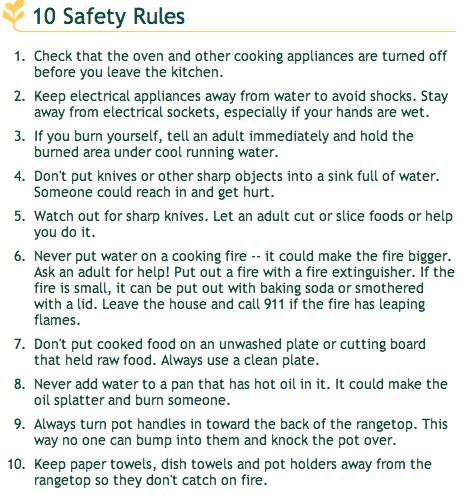
Credit: foodsciencetoolbox.com
Electrical Safety Tips
Electrical safety in the kitchen is crucial. Many appliances can pose risks. Understanding safety tips helps prevent accidents. Keep your kitchen safe with these simple guidelines.
Avoiding Water Contact
Water and electricity don’t mix. Keep appliances away from water sources. Dry your hands before touching any plugs or switches. Avoid using appliances near sinks or wet surfaces. Wet conditions can lead to shocks or short circuits.
Handling Appliances Safely
Inspect cords and plugs regularly. Look for any damage or wear. Replace any faulty equipment immediately. Use appliances according to their instructions. Avoid overloading sockets with multiple devices. Unplug appliances when not in use. This prevents overheating and potential fires.
Chemical Safety Precautions
Ensure safety in the kitchen by handling chemicals with care. Store them properly, keep them out of reach of children, and label containers clearly.
The kitchen is often the heart of the home, a place where we gather, cook, and create memories. However, it’s also a space where chemical hazards can pose risks if not handled properly. Understanding and implementing chemical safety precautions can ensure a safer environment for you and your family. Let’s delve into some practical tips on how to manage these risks effectively.
Safe Use Of Cleaning Products
Cleaning products are essential for maintaining hygiene in the kitchen, but they must be used wisely. Always read the labels on cleaning products to understand their usage and potential hazards. Ensure you use them in well-ventilated areas to prevent inhaling harmful fumes. It’s easy to forget how potent these chemicals can be, especially when you’re in a rush. Consider the time you spilled bleach while cleaning and instantly felt the sting in your eyes. That moment is a stark reminder of the importance of wearing gloves and protecting yourself. Mixing cleaning products is another common mistake. Did you know that combining bleach and ammonia can create toxic gases? Keeping things simple and sticking to one product at a time can prevent dangerous reactions.
Storing Chemicals Securely
Storage is crucial when it comes to chemical safety. You wouldn’t leave your kitchen knives within reach of children, so why leave cleaning chemicals accessible? Store all products in a designated cabinet, preferably locked, to keep them away from curious little hands. Labeling plays a significant role in safety. Imagine reaching for what you thought was vinegar but was actually a cleaner because the bottles looked similar. Clear labeling helps avoid such mix-ups. Consider the location of your storage. High shelves are preferable, as they are out of reach for children and pets. It’s a simple step that can save you from an accidental spill or ingestion. Think about this: How often do you check the expiration dates on your cleaning products? Expired chemicals can become more volatile and less effective. Regularly assess and replace old products to maintain a safe kitchen environment. Chemical safety in the kitchen is not just about following rules. It’s about creating habits that protect you and those you love. Implement these precautions and turn your kitchen into a safe haven for culinary creativity.
Credit: learnq.co.uk
Emergency Preparedness
Accidents in the kitchen can happen when you least expect them, and being prepared for emergencies can make all the difference. Understanding how to handle sudden situations doesn’t just protect you; it ensures your loved ones are safe too. From minor cuts to potential fires, having a game plan can help you act swiftly and effectively.
First Aid Kit Essentials
Imagine slicing vegetables for dinner and suddenly feeling a sharp pain. You realize you’ve cut your finger. This is when a well-stocked first aid kit becomes your savior. Keep your kit in an easily accessible spot in the kitchen.
- Band-aids for minor cuts
- Antiseptic wipes to clean wounds
- Gauze pads for larger injuries
- Adhesive tape to secure gauze
- Burn ointment for kitchen mishaps
These essentials make sure you’re ready to tackle any minor injury without delay. A quick response is key to preventing infection and further complications.
Emergency Contact Numbers
What if a kitchen fire breaks out? Panic can cloud your judgment, but having emergency numbers at your fingertips can guide you to safety. Write down these numbers and stick them on your fridge or inside a cabinet door.
- Local fire department
- Emergency medical services
- Your family doctor
- Nearby hospital
Knowing who to call saves precious time in emergencies. It’s a simple step that can make a significant impact. Consider adding numbers for poison control too, especially if you have curious kids around.
Are you confident you’d know what to do if someone in your home needed immediate help? Preparing for the unexpected means thinking ahead. By equipping yourself with the right tools and information, you can handle any kitchen emergency with calm and efficiency.
Frequently Asked Questions
What Are 5 Safety Precautions To Take In The Kitchen?
1. Keep knives sharp to prevent slipping. 2. Use oven mitts when handling hot pans. 3. Store chemicals away from food. 4. Clean spills immediately to avoid slips. 5. Turn pot handles inward to prevent accidents.
What Are The 10 Safety Precautions?
Wear protective gear, follow instructions, keep areas clean, use equipment properly, stay alert, report hazards, maintain machinery, ensure proper lighting, avoid shortcuts, and take regular breaks.
What Are 10 Food Safety Rules?
1. Wash hands before handling food. 2. Keep raw and cooked foods separate. 3. Cook to the right temperature. 4. Refrigerate promptly. 5. Use clean utensils. 6. Avoid cross-contamination. 7. Store food at safe temperatures. 8. Thaw food safely. 9.
Check expiration dates. 10. Keep kitchen surfaces clean.
What Are The 10 Safety Precautions While Baking?
1. Preheat the oven properly. 2. Use oven mitts to handle hot pans. 3. Keep flammable items away from heat. 4. Read and follow recipes closely. 5. Ensure proper ventilation. 6. Clean spills immediately. 7. Use correct tools and utensils.
8. Check ingredient expiry dates. 9. Store sharp objects safely. 10. Wear appropriate clothing.
Conclusion
Staying safe in the kitchen is essential. Small mistakes can lead to big accidents. Always keep your workspace clean and organized. Use sharp knives carefully and store them properly. Avoid wearing loose clothing while cooking. Be mindful of hot surfaces and appliances.
Keep children and pets away from busy areas. Regularly check smoke detectors and fire extinguishers. Understanding these safety tips reduces risks significantly. Practice makes perfect. A safe kitchen ensures happy cooking and prevents unnecessary injuries. Prioritize safety for a worry-free cooking experience every day.
Stay alert, stay safe, and enjoy your time in the kitchen!








