Affiliate Disclosure: This post may contain affiliate links. If you purchase through links on our site, we may earn an affiliate commission at no extra cost to you.
Your kitchen is more than just a place to prepare meals; it’s the heart of your home, a space where creativity and nourishment blend. But amidst the hustle and bustle of chopping, sautéing, and baking, safety can sometimes take a backseat.
Imagine this: a slip, a spill, or a momentary distraction could turn your culinary haven into a danger zone. That’s why we’ve crafted the ultimate guide to the “10 Safety Rules for the Kitchen. ” This isn’t just about avoiding accidents; it’s about empowering you to cook with confidence, knowing that you’re taking every precaution to protect yourself and your loved ones.
Dive in, and discover how you can transform your kitchen into a secure sanctuary while keeping the joy of cooking alive. Don’t let the fear of mishaps overshadow your culinary adventures; let’s make safety as integral to your recipes as salt and pepper.
Kitchen Safety Basics
Understanding kitchen safety basics is vital for everyone. The kitchen is a common place for accidents. Being aware of potential hazards can prevent injuries. Simple practices make a big difference. Let’s explore essential safety rules to follow.
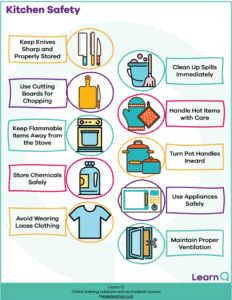
1. Always Keep Knives Sharp
Sharp knives are safer than dull ones. Dull knives slip easily and cause cuts. Regularly sharpen your knives. Store them securely in a knife block. This reduces the risk of accidents.
2. Use Potholders and Oven Mitts
Always use potholders when handling hot items. Oven mitts protect your hands from burns. Keep them dry to prevent heat transfer. Place them within reach while cooking.
3. Maintain a Clean Workspace
Clean surfaces reduce bacteria spread. Wipe down counters regularly. Keep floors clear of spills. This prevents slips and falls. A tidy kitchen is a safer kitchen.
4. Store Chemicals Properly
Keep cleaning supplies away from food areas. Store them in a secure cabinet. Ensure labels are readable. This prevents accidental ingestion. Safety first.
5. Don’t Leave Cooking Unattended
Stay in the kitchen while cooking. Unattended pots can cause fires. Keep an eye on your food. Use a timer as a reminder. Safety requires attention.
6. Avoid Loose Clothing
Loose clothing can catch fire. Wear fitted clothes while cooking. Roll up long sleeves. Safety starts with smart dressing.
7. Watch Your Step
Slips are common in kitchens. Wear non-slip shoes. Clean spills immediately. Keep pathways clear. Pay attention to where you step.
8. Use Appliances Safely
Read the manual before using appliances. Unplug when not in use. Avoid overloading outlets. This prevents electrical hazards. Follow the manufacturer’s guidelines.
9. Keep a Fire Extinguisher Handy
Install a fire extinguisher in your kitchen. Learn how to use it. Check expiration dates regularly. It’s crucial in emergencies. Be prepared, not scared.
10. Educate Family Members
Teach safety rules to all family members. Show them how to handle emergencies. Practice regular safety drills. Everyone should know what to do. Safety is a family effort.
Credit: homeeconomics3.weebly.com
Handling Sharp Objects
Handling sharp objects in the kitchen requires care and attention. Accidents can happen fast. Learning proper techniques reduces risks and ensures safety. This section covers key rules for handling knives and storing them safely.
Knife Safety
Always keep your knives sharp. A dull knife can slip and cause injury. Hold the knife by the handle, not the blade. Use a cutting board to protect your counters and your fingers. Cut away from your body for safety. Keep fingers tucked under when holding food to cut. Avoid distractions while using knives.
Proper Storage
Store knives in a block or on a magnetic strip. This keeps them organized and out of reach of children. Do not store knives in drawers without protection. This can dull the blades and increase the risk of cuts. Separate knives from other utensils to prevent accidents. Clean and dry knives before storing to prevent rust.
Preventing Burns
The kitchen is often the heart of the home, but it can also be a hotspot for accidents, especially burns. Whether you’re a seasoned chef or a culinary newbie, understanding how to prevent burns is crucial. Simple safety measures can make cooking a more enjoyable and less risky activity. Let’s dive into some essential rules to keep those burns at bay.
Safe Cooking Practices
Ever had a splash of boiling water land on your arm? It hurts. To prevent such burns, always use the back burners when possible. This reduces the risk of knocking over pots and pans.
Keep pot handles turned inward. It’s a small adjustment but prevents accidents, especially with kids around.
Consider using a flame-resistant oven mitt. They offer better protection than regular cloth ones. Have you ever tried using a towel instead of a mitt? It’s risky. Towels can catch fire.
Handling Hot Utensils
Using hot utensils can be tricky. Always use appropriate tools like tongs or spatulas. They help you grip better, reducing the chance of dropping something hot.
When removing lids, open them away from you. This stops the steam from hitting your face. Steam burns can be severe.
Place hot utensils on a heat-resistant surface. Avoid plastic or paper. Ever watched a plastic spoon melt? It’s a mess and a hazard.
Remember, the kitchen is a place to create delicious meals. But safety should always come first. Have you ever thought about what simple changes could prevent burns in your kitchen? Implement these easy tips and cook with confidence.
Avoiding Cross-contamination
Cross-contamination is a sneaky culprit in the kitchen that can lead to foodborne illnesses. It’s crucial to keep your kitchen safe by avoiding the transfer of harmful bacteria from raw foods to cooked ones. Whether you’re cooking for your family or hosting a dinner party, understanding how to prevent cross-contamination is a key kitchen skill. Let’s delve into some practical strategies to keep your meals safe and delicious.
Separate Raw And Cooked Foods
Ever found yourself rushing and placing raw chicken next to a fresh salad? It’s a common mistake, but one that can lead to unwanted bacteria spread. Always keep raw meats and seafood separate from cooked or ready-to-eat foods. Use different cutting boards, and make sure each is clearly marked for raw and cooked items. This simple step can greatly reduce the risk of cross-contamination. Think of it as creating boundaries in your kitchen workspace.
Proper Cleaning Techniques
Cleaning isn’t just about tidiness; it’s a critical aspect of kitchen safety. After handling raw food, wash your hands thoroughly with soap and warm water. Don’t overlook surfaces like countertops and utensils. A quick rinse won’t do the trick. Scrub with a good disinfectant. Consider this: your countertop could be the landing spot for harmful bacteria if not properly cleaned. Are you ensuring every nook and cranny is spotless?
In my kitchen, I once overlooked cleaning my favorite knife after cutting raw chicken. The next day, I used it for slicing fresh fruit. The thought of potential cross-contamination made my stomach turn. Now, I make it a point to clean every tool immediately after use. It’s a small habit, but it makes a big difference in safety.
These practical insights are not just rules but essential habits for maintaining a safe cooking environment. By focusing on separation and cleaning, you can cook confidently knowing your meals are safe and healthy.
Fire Safety Measures
The kitchen is often the heart of the home, bustling with activity and delicious aromas. However, it’s also a place where fire hazards can lurk. Understanding fire safety measures can prevent potential disasters and keep your cooking space secure. With a few simple rules, you can turn your kitchen into a safer haven. Let’s dive into some essential fire safety tips that could make all the difference.
Using Fire Extinguishers
Do you know where your fire extinguisher is? If not, it’s time to find it. Keeping a fire extinguisher accessible in the kitchen is crucial.
Consider placing it near the exit, not next to the stove, so you can grab it quickly without putting yourself in danger. Learn how to use it; it’s not complicated, but crucial in emergencies.
Practice with your family on using it effectively. This knowledge can make you calm and confident during a fire incident.
Managing Grease Fires
Grease fires can erupt when oil overheats. Ever had a pan suddenly flare up while cooking bacon? It’s terrifying.
If this happens, do not use water—it makes things worse. Instead, cover the pan with a lid to suffocate the flames.
Keep baking soda on hand; it can put out small grease fires quickly. Understanding these steps can prevent panic and ensure you act swiftly.
Have you ever thought about how a small mistake could escalate into a big problem? Being proactive in fire safety means being ready for anything. So, what steps will you take today to protect your kitchen? Remember, being prepared is the key to safety!
Electrical Appliance Safety
Ensure kitchen safety with 10 essential rules for electrical appliances. Unplug devices when not in use. Keep cords away from water. Always check for damaged wires or plugs. Safety first in your cooking space.
Cooking up a storm in the kitchen is always exciting, but your safety should never take a back seat. Electrical appliances are your best friends for whipping up delicious meals, but they can also be hazardous if not handled correctly. Ensuring electrical appliance safety is crucial for keeping your kitchen a worry-free zone. Let’s dive into some essential tips to help you manage your kitchen’s electrical appliances safely.
Avoid Overloading Circuits
One common mistake in the kitchen is plugging too many appliances into a single outlet. This can lead to overheating and potentially cause a fire. Think about the number of gadgets you use daily, like toasters, mixers, and coffee makers. Is your outlet overworked? Consider using a power strip with a built-in circuit breaker to handle multiple appliances safely. But remember, even power strips have limits. Check the wattage of your appliances and ensure you’re not exceeding the capacity of your outlet or strip.
Regular Maintenance
Keeping your appliances in top shape isn’t just about performance—it’s about safety, too. Regularly inspect cords for any signs of wear or fraying. A damaged cord can lead to electrical shocks or fires. Dust and grease can accumulate in and around appliances, affecting their efficiency and safety. Clean your appliances regularly to ensure they run smoothly. Your blender might have saved you time this morning, but it deserves a little TLC in return. Have you ever ignored a strange noise or smell coming from an appliance? It’s easy to brush off, but these could be signs of malfunction. Address these issues promptly by consulting the manual or calling a professional. In conclusion, being proactive about electrical appliance safety can save you from unnecessary hazards. Are you ready to make your kitchen a safer place? By following these tips, you’re well on your way to a safer, more efficient kitchen.
Chemical Safety In The Kitchen
Ensure a safe kitchen environment by following 10 essential safety rules. Handle chemicals like cleaners and sprays with care. Store them away from food and children to prevent accidents.
Chemical safety in the kitchen is crucial for a secure home environment. Many households use cleaning products and chemicals daily. These substances help maintain cleanliness but can pose risks if misused. Understanding how to handle them safely is essential. Proper practices prevent accidents and ensure a healthy kitchen atmosphere. Let’s dive into key safety measures.
Safe Use Of Cleaning Products
Always read labels on cleaning products before use. Follow instructions carefully to avoid harmful reactions. Use gloves and protective gear when handling strong chemicals. Ventilate the kitchen by opening windows or using fans. Never mix cleaning products, especially bleach and ammonia. Mixing can release toxic gases.
Proper Storage Of Chemicals
Store chemicals out of children’s reach. Use high shelves or locked cabinets. Keep products in their original containers. This prevents accidental misuse or ingestion. Label all containers clearly if transferred. Ensure caps and lids are tightly closed to prevent leaks. Store chemicals away from food items. This reduces contamination risks. Regularly check expiration dates and dispose of old products safely.
Credit: plyvinecatering.co.uk
Child Safety Tips
Ensuring children are safe in the kitchen is crucial. The kitchen holds many potential hazards, from sharp objects to hot surfaces. Teaching children how to navigate these dangers can prevent accidents. Focusing on child safety creates a safe and enjoyable environment for learning and cooking.
Keeping Dangerous Items Out Of Reach
Store knives and scissors in locked drawers. Use high shelves for cleaning products. Keep small appliances unplugged when not in use. Secure heavy objects to prevent them from falling. Ensure cords are tucked away to avoid trips or pulls. Cover electrical outlets with child-proof covers. Utilize child locks on ovens and refrigerators.
Teaching Kitchen Safety
Explain the importance of not touching hot surfaces. Teach children to wash hands before handling food. Show them how to properly use utensils. Discuss the dangers of running in the kitchen. Encourage them to ask before using any appliance. Demonstrate how to safely open oven doors. Guide them to respect kitchen boundaries and rules.
Safe Food Storage
Safe food storage in the kitchen prevents health risks. It keeps food fresh and delicious. Learn how to store food safely to keep your kitchen safe and healthy.
Understanding Expiry Dates
Expiry dates tell you how long food stays safe. Check them before eating or cooking. Do not eat food past the expiry date. It can spoil and make you sick. Store food properly to keep it fresh longer.
Different foods have different expiry dates. Pay attention to each item. Fresh produce may spoil faster than canned goods. Store items in the right place to extend their shelf life.
Appropriate Refrigeration
Refrigeration helps keep food fresh and safe. Set your fridge at the right temperature. It should be below 40°F (4°C). This prevents bacteria from growing on your food.
Place meat and dairy products in the coldest part. Do not overcrowd the fridge. Air needs to circulate to maintain the right temperature. Use containers to keep foods organized and safe.
Separate raw foods from cooked foods. This prevents cross-contamination. Wrap items properly to avoid spoilage. Proper storage keeps your food safe and tasty.
Emergency Preparedness
Emergencies in the kitchen can be unexpected and stressful. Being prepared can make all the difference when seconds count. Whether it’s a minor cut or a more serious incident, knowing exactly what to do can help prevent further harm. Let’s dive into how you can equip yourself and your kitchen to be ready for emergencies.
First Aid Kit Essentials
Your first aid kit should be within arm’s reach in the kitchen. This ensures you can quickly grab it in case of an accident. Stock it with essentials like band-aids, antiseptic wipes, and gauze pads.
Consider adding burn ointment and adhesive tape, as these are invaluable for kitchen-related injuries. Having these items at hand can turn panic into swift action.
Have you ever noticed how easy it is to misplace things in the kitchen? Avoid this by designating a specific spot for your first aid kit. This way, everyone in the household knows where to find it.
Emergency Contact Information
Imagine cutting your finger deeply while chopping vegetables. Would you know who to call for immediate help? Keep a list of emergency contacts visible in your kitchen.
Include numbers for local emergency services, nearby hospitals, and even a trusted neighbor. It’s surprising how often we forget phone numbers in a rush.
Consider sticking this list on the fridge or another prominent spot. In a crisis, a quick glance can save valuable time and ensure you get the help you need swiftly.
So, what’s stopping you from setting up your kitchen for emergencies today? Preparing now can save you and your loved ones from unnecessary stress and complications later.
Frequently Asked Questions
What Are 10 Basic Safety Rules?
1. Stay alert and attentive. 2. Wear appropriate safety gear. 3. Follow instructions and guidelines. 4. Keep work areas clean. 5. Use tools properly. 6. Report hazards immediately. 7. Avoid shortcuts. 8. Be aware of emergency procedures. 9. Lift items correctly.
10. Stay hydrated and take breaks.
What Are 10 Food Safety Rules?
1. Wash hands thoroughly before handling food. 2. Keep raw and cooked foods separate. 3. Cook food to the right temperature. 4. Store food at safe temperatures. 5. Use clean utensils and surfaces. 6. Avoid cross-contamination. 7. Check expiration dates.
8. Refrigerate perishable items promptly. 9. Reheat leftovers thoroughly. 10. Ensure clean water supply.
What Are 5 Kitchen Safety Rules?
1. Keep knives sharp and handle them carefully to prevent injuries. 2. Clean spills immediately to avoid slips and falls. 3. Store chemicals and cleaning agents away from food areas. 4. Use oven mitts to handle hot pots and pans.
5. Ensure proper ventilation to avoid smoke and carbon monoxide buildup.
What Are The 10 Hygiene Rules In The Kitchen Pdf?
The 10 kitchen hygiene rules include washing hands, sanitizing surfaces, storing food properly, cooking at safe temperatures, using separate cutting boards, keeping pets away, disposing of waste correctly, maintaining personal cleanliness, regularly cleaning utensils, and checking expiration dates. Download the kitchen hygiene rules PDF for detailed guidelines.
Conclusion
Safety in the kitchen keeps everyone secure. Following these rules can prevent accidents. Remember, a tidy kitchen is a safe one. Always keep sharp objects out of reach. Never leave cooking unattended. Use potholders to handle hot items. Clean spills immediately to avoid slips.
Proper storage reduces clutter and risk. Keep children away from hot surfaces. Awareness and caution help maintain a safe environment. Practice these habits daily for a peaceful kitchen experience. Safety first, always. Your kitchen should be a place for fun, not danger.
Stay vigilant, stay safe.








