Affiliate Disclosure: This post may contain affiliate links. If you purchase through links on our site, we may earn an affiliate commission at no extra cost to you.
Imagine you’re whipping up a delicious meal in your kitchen. The aroma fills the air, your favorite song plays in the background, and everything seems perfect.
But wait – is your kitchen as safe as it feels? Accidents can happen in a blink, and ensuring your kitchen is a safe haven is crucial. You don’t want a pleasant cooking session to turn into a disaster, right?
By knowing just five essential kitchen safety rules, you can protect yourself and your loved ones from unnecessary harm. Stick around to discover these simple yet vital tips that could make all the difference in your culinary adventures.
Organize Your Workspace
Keeping the kitchen safe is important. Use sharp knives carefully and store them properly. Clean spills right away to prevent slips. Always keep flammable items away from the stove. Ensure electrical appliances are in good condition. Lastly, maintain a clutter-free workspace for easy movement and safety.
In the hustle and bustle of cooking, it’s easy to overlook the importance of a well-organized kitchen workspace. However, a clutter-free and orderly area is not just about aesthetics—it’s crucial for safety. A well-organized kitchen minimizes accidents and helps you work more efficiently. Imagine chopping vegetables without worrying about knocking over a precariously placed pot or searching for a knife in a drawer full of random utensils. Let’s dive into some practical ways to keep your kitchen safe by organizing your workspace.
Keep Counters Clutter-free
A cluttered counter is more than just an eyesore; it’s a safety hazard. Keep only essential items, like your cutting board and frequently used utensils, on the counter. This reduces the risk of accidents and gives you ample space to work safely. Think about the last time you had to push things aside just to make room for a mixing bowl. Did it make cooking feel chaotic? By keeping your counters clear, you create a more serene and safe cooking environment. Consider using wall-mounted shelves or hooks to keep items off the counter. This not only maximizes your workspace but also ensures that everything has its designated place.
Store Sharp Objects Safely
Sharp objects, like knives and peelers, need special attention when it comes to storage. Leaving them loose in drawers can lead to accidents when you’re reaching for something else. Use a knife block or magnetic strip to store knives. This keeps the blades protected and out of harm’s way. It also makes it easy to grab the right tool when you need it. Storing sharp objects properly isn’t just about safety; it extends the life of your kitchen tools. When they’re not clanging against other utensils, they stay sharper longer. Ever had a close call searching for a knife among other utensils? It’s a wake-up call to organize. Ensuring that sharp objects are stored safely can make your kitchen a much safer place. Are there items in your kitchen that could be better organized to enhance safety? Taking a few moments to evaluate and rearrange can make a significant difference. Prioritize safety and enjoy the peace of mind that comes with a well-organized kitchen workspace.
Credit: homeeconomics3.weebly.com
Handle Food Properly
Ensuring food safety in the kitchen is crucial for health. Proper handling of food reduces the risk of foodborne illnesses. It involves practices like washing hands and keeping surfaces clean. These habits help maintain a safe cooking environment. Let’s explore how to handle food properly.
Prevent Cross-contamination
Cross-contamination spreads harmful bacteria. Separate raw meat from other foods. Use different cutting boards for meat and vegetables. Wash utensils after touching raw ingredients. Clean countertops with disinfectant regularly. These practices keep bacteria away from your meals.
Cook At Safe Temperatures
Cooking food thoroughly kills bacteria. Use a food thermometer to check meat temperatures. Chicken should reach 165°F. Ground beef needs to hit 160°F. Reheat leftovers to at least 165°F. These temperatures ensure safe eating. Avoid undercooked food to prevent illness.
Use Equipment Correctly
Using kitchen equipment correctly is crucial for safety. Many accidents occur due to improper handling. Knowing how to operate appliances and maintain tools can prevent mishaps. This guide will help you keep your kitchen safe.
Operate Appliances Safely
Appliances are a part of every kitchen. Always read the manual before using any new device. Understand the settings and functions. Avoid using wet hands with electrical appliances. Check cords for damage regularly. Unplug appliances after use to prevent electrical hazards.
Maintain Tools And Gadgets
Proper maintenance of tools ensures their longevity and safety. Sharpen knives frequently. Dull blades cause more accidents than sharp ones. Clean tools immediately after use. Store them in designated places. Inspect gadgets for faults or wear. Replace damaged parts quickly.
Practice Fire Safety
Fire safety in the kitchen is crucial. Cooking fires can start easily and spread quickly. Protect your home with simple fire safety rules. Focus on prevention and preparedness. Be aware and act swiftly to minimize fire risks.
Manage Grease Fires
Grease fires are common in kitchens. Never use water to put out a grease fire. Water makes it worse. Turn off the heat source immediately. Cover the fire with a metal lid or baking sheet. This cuts off oxygen and smothers the flames.
Keep baking soda nearby. It can help extinguish small grease fires. Don’t use flour. Flour can ignite and make the fire bigger. Always stay alert when cooking with oil. Watch it closely to prevent fires.
Install Smoke Detectors
Smoke detectors save lives. Install them near the kitchen. Test them monthly to ensure they work properly. Replace batteries at least once a year. This ensures your safety.
Consider detectors with alarms and flashing lights. These work well for those with hearing difficulties. Early detection of smoke can prevent major disasters. Keep your family safe with functioning smoke detectors.
Ensure Personal Safety
Ensuring personal safety in the kitchen is crucial. Accidents can happen easily in this busy area. By following simple safety rules, you can protect yourself. These rules help prevent burns, cuts, and other injuries. Keep your kitchen a safe place to cook and enjoy meals.
Wear Appropriate Clothing
Clothing in the kitchen should be safe and practical. Wear snug-fitting clothes to avoid catching fire. Loose sleeves can easily brush against hot surfaces. Shoes should be closed-toe and non-slip. This helps prevent falls and injuries. Avoid wearing jewelry that can snag on utensils or appliances.
Pay Attention To Ergonomics
Good ergonomics in the kitchen can prevent strain and pain. Arrange your workspace for comfort and efficiency. Keep frequently used items within easy reach. This reduces unnecessary bending and stretching. Use mats to cushion hard floors. This can reduce fatigue during long cooking sessions. Adjust countertops and tables to the right height. This promotes better posture while working.
Frequently Asked Questions
What Are 5 Safety Rules In The Kitchen Food?
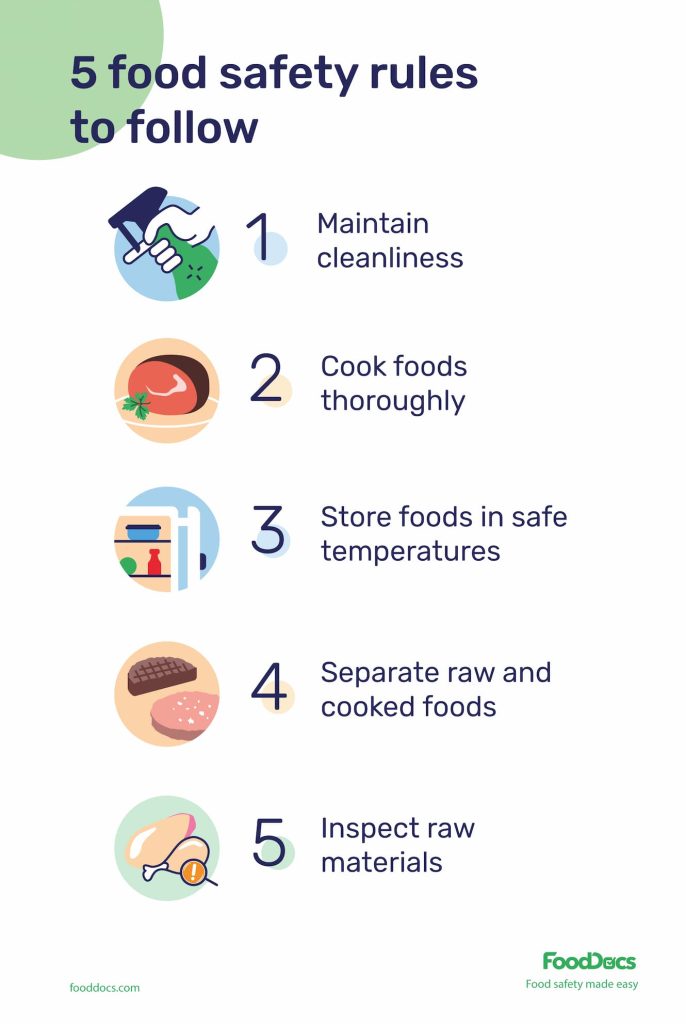
1. Wash hands thoroughly before handling food. 2. Keep raw and cooked foods separate to prevent cross-contamination. 3. Use a thermometer to ensure food is cooked to the right temperature. 4. Clean and sanitize surfaces and utensils regularly. 5. Store perishable foods in the refrigerator promptly.
What Are 5 Safety Rules?
1. Always wear protective gear to prevent injuries. 2. Follow safety signs and instructions carefully. 3. Keep emergency exits clear and accessible. 4. Report hazards immediately to prevent accidents. 5. Maintain a clean and organized workspace to ensure safety.
What Is The First Rule Of Kitchen Safety?
The first rule of kitchen safety is to always keep knives and sharp objects stored securely. This prevents accidents and injuries, ensuring a safer cooking environment. Always focus on proper handling and storage of tools to maintain safety.
What Are 5 Hazards That One Faces When Working In The Kitchen?
Slippery floors can cause falls. Sharp knives may lead to cuts. Hot surfaces risk burns. Electrical appliances can shock. Food contamination poses health risks.
Conclusion
Staying safe in the kitchen is important. These rules help prevent accidents. Wash your hands often. Keep knives sharp and stored safely. Use pot holders to avoid burns. Clean spills quickly to prevent slips. Check appliances before use. Kitchen safety keeps everyone safe and healthy.
Remember, safety starts with small steps. Teach these rules to family and friends. Safe kitchens make cooking fun and stress-free. Stay alert and enjoy your cooking adventures. Simple precautions lead to a safer kitchen environment. Follow these rules and create a safer kitchen space.
Happy cooking!








