Affiliate Disclosure: This post may contain affiliate links. If you purchase through links on our site, we may earn an affiliate commission at no extra cost to you.
Are you confident that your kitchen hygiene is up to par? Many people overlook the importance of personal hygiene when cooking, but it can make a world of difference in keeping you and your loved ones healthy.
Imagine the peace of mind you’ll feel knowing your kitchen practices help prevent foodborne illnesses. Intrigued? You’re not alone. With these five personal hygiene rules, you’ll discover simple yet effective ways to enhance your kitchen routine. Whether you’re a seasoned chef or someone who just enjoys a good home-cooked meal, these tips are crucial.
Let’s dive in and explore how you can transform your kitchen into a haven of cleanliness and health.
Credit: creedsdirect.co.uk
Hand Washing Techniques
Proper hand washing in the kitchen stops germs. Use soap and warm water for at least 20 seconds. Clean hands keep food safe.
Keeping your hands clean is a crucial part of maintaining personal hygiene in the kitchen. It’s not just about rinsing with water; it’s about using the right techniques to ensure your hands are truly clean. This simple act can prevent the spread of germs and keep your meals safe to eat. Let’s dive into some effective hand washing techniques that can make a big difference in your kitchen hygiene routine.
Proper Soap Usage
Using soap effectively is key to eliminating germs. Choose a soap that lathers well—this could be liquid soap or a bar, depending on your preference. The lathering process helps lift dirt and germs from your skin. Apply enough soap to cover all hand surfaces. Don’t forget your fingertips and under your nails, where bacteria can easily hide. It’s a step that’s often overlooked but makes a significant impact on cleanliness.
Duration And Frequency
Washing your hands isn’t just about technique—it’s about timing too. Aim for at least 20 seconds of scrubbing to ensure thorough cleaning. If you’re unsure about timing, sing the “Happy Birthday” song twice in your head. Think about how often you touch different surfaces in the kitchen. Shouldn’t you wash your hands more frequently? After handling raw meat, touching the garbage, or sneezing, make it a habit to wash your hands immediately. Ensuring proper hand hygiene can feel like a chore, but it’s worth the effort for the health benefits. Have you ever thought about how many germs might be on your hands right now? Taking these small steps can lead to a cleaner kitchen and a healthier you.
Food Handling Practices
Food handling practices in the kitchen are essential for health and safety. Knowing how to handle food properly prevents illnesses and keeps meals safe. Following the right practices ensures that your kitchen remains a clean and healthy space.
Cross-contamination Prevention
Cross-contamination spreads germs between foods and surfaces. Always separate raw and cooked foods. Use different cutting boards for meats and vegetables. This simple step reduces the risk of spreading bacteria. Wash hands and surfaces regularly to keep germs away.
Safe Temperature Guidelines
Safe temperatures ensure food is cooked thoroughly. Keep cold foods below 40°F (4°C) to prevent spoilage. Cook meats to at least 145°F (63°C) for safety. Use a food thermometer to check temperatures. It guarantees food is safe to eat.
Utensil And Surface Cleaning
Clean utensils and surfaces prevent germs in the kitchen. Follow hygiene rules for safe food preparation. Regular cleaning reduces bacteria, ensuring health and safety.
Utensil and surface cleaning is vital for kitchen hygiene. Keeping utensils and surfaces clean prevents foodborne illnesses. This practice ensures a safe cooking environment. Regular cleaning removes bacteria and germs. It also extends the life of kitchen tools. Proper cleaning techniques are essential for maintaining health and safety.
Effective Sanitizing Methods
Using the right sanitizing methods is crucial. Vinegar and baking soda are effective for cleaning. These natural cleaners are safe and non-toxic. They remove bacteria and odors efficiently. Boiling water is another method for sanitizing. It kills germs on utensils effectively. Use bleach solutions for deep cleaning surfaces. Always follow instructions for safe usage. Ensure all cleaning solutions are rinsed off thoroughly.
Regular Cleaning Schedules
Creating a cleaning schedule maintains hygiene. Clean utensils after every use. Wipe surfaces daily to prevent buildup. Weekly deep cleaning is essential for thorough sanitation. Clean under appliances to remove hidden dirt. Regularly wash dishcloths and sponges. They can harbor germs and bacteria. Keep cleaning supplies organized and accessible. A clean kitchen is a safe kitchen.
Credit: higeneplus.wordpress.com
Personal Health And Safety
Maintaining cleanliness in the kitchen is crucial for health and safety. Wash hands thoroughly before handling food to prevent germs. Keep cooking surfaces clean to avoid contamination. Properly store food in sealed containers to maintain freshness. Use separate cutting boards for raw meat and vegetables.
Regularly sanitize kitchen tools to ensure hygiene.
In the hustle and bustle of the kitchen, personal health and safety are paramount. As you prepare delicious meals, ensuring your well-being and that of others is crucial. Prioritizing personal hygiene rules not only keeps you safe but also enhances the quality of the food you serve.
Illness Protocols
Imagine you’re feeling under the weather with a runny nose and a slight fever. Should you still cook? It’s essential to assess your health before stepping into the kitchen. Handling food while sick can spread germs and contaminate meals, posing a risk to others. Have you ever thought about how many germs live on your hands? If you’re sick, those germs can multiply rapidly. Always have a plan to delegate cooking duties if you’re not feeling well. This ensures the safety of everyone who will consume the food.
Protective Wear
Think about how often you touch your hair or face while cooking. Wearing a hairnet or cap can prevent stray hairs from making their way into food. It might seem trivial, but it’s a small step with a significant impact on cleanliness. Have you ever wondered why chefs wear aprons? Aprons protect your clothes and help maintain hygiene by acting as a barrier against spills and splatters. They make it easier to maintain personal cleanliness, allowing you to focus on the task at hand. Gloves are another protective gear that can enhance kitchen hygiene. They create a physical barrier between your hands and the food, reducing the risk of contamination. But remember, they must be changed frequently to be effective. Would you trust a pair of gloves that have been used all day? By adhering to these practical tips, you ensure a safe and healthy cooking environment. Personal health and safety in the kitchen not only protect you but also everyone who enjoys your culinary creations. How will you incorporate these practices into your daily kitchen routine?
Storage And Organization
Maintain kitchen cleanliness by following five essential hygiene rules. Wash hands regularly, especially after handling raw food. Keep surfaces clean and disinfected to prevent bacteria. Store food properly in sealed containers. Change dishcloths and sponges frequently. Dispose of waste promptly to ensure a healthy cooking environment.
In the hustle and bustle of everyday cooking, maintaining a tidy kitchen can feel like an uphill battle. Yet, proper storage and organization are crucial for both hygiene and efficiency. Imagine reaching for an ingredient only to find it expired or contaminated. A well-organized kitchen not only prevents such mishaps but also ensures a seamless cooking experience. Let’s delve into two vital aspects of kitchen hygiene: proper food storage and organizing for cleanliness.
Proper Food Storage
Storing food correctly is more than just putting items away; it’s about preserving freshness and preventing contamination. Always use airtight containers for leftovers. This simple step keeps your food safe from bacteria and maintains its flavor. Labeling is your best friend. Write the date on containers to track freshness. Have you ever found a mysterious container at the back of your fridge? Labels will save you from playing the guessing game. Consider temperature. Refrigerators should be set below 40°F (4°C). A cooler temperature slows bacterial growth. Keep raw meat on the bottom shelf, away from other foods to avoid cross-contamination.
Organizing For Cleanliness
A clean kitchen starts with smart organization. Keep countertops clutter-free. When was the last time you cleaned under that pile of mail? Clear surfaces make cleaning easier and quicker. Arrange utensils and tools within easy reach. Store items based on frequency of use. Often-used spices and tools should be nearby, while rarely-used gadgets can be stored out of the way. Think about accessibility. Use drawer dividers and shelf organizers. These tools can transform chaotic drawers into neat spaces, making it simple to find what you need. Incorporate a routine for checking expiration dates. Set a monthly reminder to go through your pantry and fridge. You’d be surprised how many forgotten items lurk in the back corners. Reflect on your kitchen habits. Are there areas you can improve? Sometimes small changes lead to a big impact on cleanliness and efficiency.
Frequently Asked Questions
What Are 5 Hygiene Rules In The Kitchen?
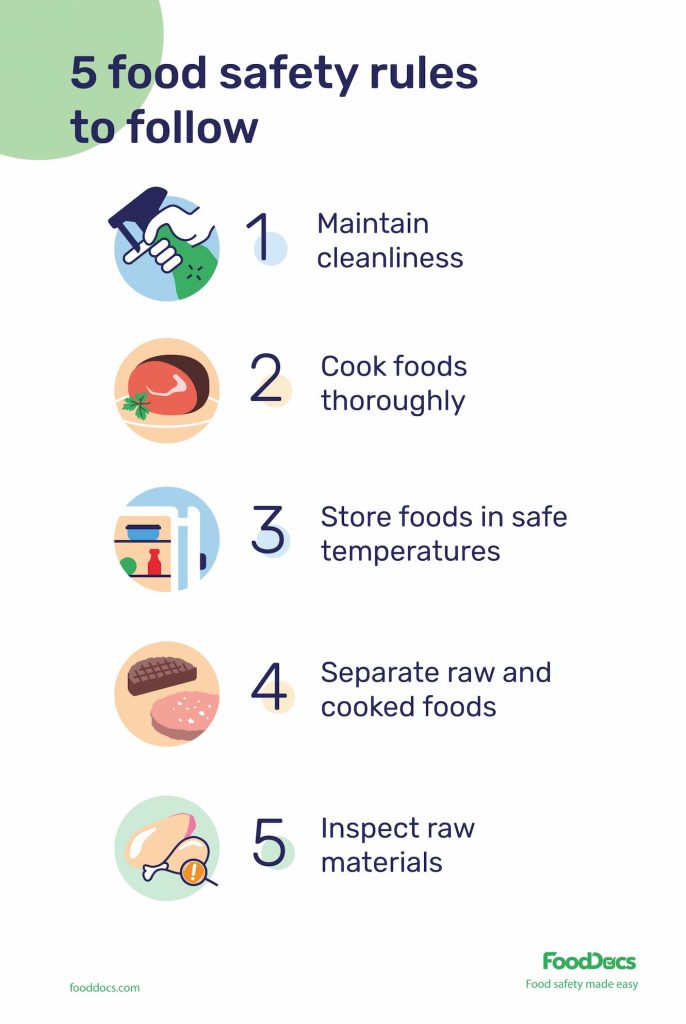
1. Wash hands thoroughly before and after handling food. 2. Keep raw and cooked foods separate. 3. Clean all surfaces and utensils regularly. 4. Store food at appropriate temperatures. 5. Avoid cross-contamination by using different cutting boards for meats and vegetables.
What Are The 5 Examples Of Personal Hygiene?
1. Wash your hands regularly with soap and water. 2. Brush your teeth twice a day for oral health. 3. Take daily showers to maintain cleanliness. 4. Trim nails regularly to prevent dirt accumulation. 5. Change clothes daily to ensure freshness and hygiene.
What Is Personal Hygiene In A Kitchen?
Personal hygiene in a kitchen involves regular hand washing, clean clothing, and proper grooming. Staff should cover hair, avoid touching face, and use gloves when necessary. These practices prevent contamination and ensure food safety, maintaining a clean environment for preparing meals.
What Are 5 Good Hygiene Practices?
1. Wash hands with soap and water frequently. 2. Brush teeth twice daily to maintain oral hygiene. 3. Bathe regularly to keep the body clean. 4. Trim nails to prevent dirt accumulation. 5. Clean and disinfect surfaces regularly to prevent germ spread.
Conclusion
Practicing good hygiene in the kitchen keeps everyone healthy. Clean hands prevent germs. Proper food storage stops spoilage. Regularly sanitizing surfaces reduces bacteria. Keeping raw and cooked foods separate avoids cross-contamination. Thorough cooking ensures safety. These simple rules maintain a clean environment.
They make cooking more enjoyable. They also protect those eating your meals. A clean kitchen reflects care. It shows respect for those sharing the food. Prioritize hygiene to cook confidently. Enjoy creating delicious dishes safely. Small efforts lead to big rewards.
Stay mindful. Keep your kitchen safe and clean every day.








