Affiliate Disclosure: This post may contain affiliate links. If you purchase through links on our site, we may earn an affiliate commission at no extra cost to you.
When you’re in the kitchen, preparing a delicious meal, every ingredient matters. You’ve probably found yourself wondering about the best white wine for cooking more than once.
Whether you’re making a creamy risotto, a savory sauce, or a delicate poached fish, choosing the right white wine can elevate your dish from good to unforgettable. But with so many options on the shelves, how do you decide which one to pick?
You might be tempted to grab any bottle in sight, but there’s a science behind choosing the perfect wine. It’s not just about taste; it’s about how each wine interacts with other flavors, enhancing your culinary creation. Imagine the satisfaction of serving a dish that leaves your guests asking for seconds, all because you chose the perfect wine. You’ll discover the secrets to selecting the best white wine for cooking. You’ll learn how different wines can transform your recipes and why making the right choice can make all the difference. Ready to unlock the potential of your cooking? Let’s dive in and explore the world of white wine in the kitchen.
Choosing The Right White Wine
Sauvignon Blanc is ideal for cooking, offering bright acidity and citrus notes. Its crisp flavor enhances seafood dishes. For creamy sauces, Chardonnay provides a rich, buttery taste. Dry Riesling adds a touch of sweetness, perfect for balancing spicy recipes. Select wines you enjoy drinking for best results in cooking.
Choosing the right white wine for cooking can elevate your dish from ordinary to extraordinary. But how do you decide which bottle to use when faced with endless options at the store? It’s not about reaching for the most expensive bottle or grabbing the first one you see. It’s about understanding what each wine can bring to your dish and making informed choices.
Factors To Consider
When selecting a white wine for cooking, consider the flavor profile you want to achieve. Wines with a crisp, clean taste often work best. Think about the dish you are preparing. A light, fruity wine might complement a chicken dish, while a robust, full-bodied wine could enhance a creamy pasta sauce. Also, consider the cooking method. A wine that holds up well to heat is essential. You don’t want a wine that turns bitter when simmered. Have you ever tried adding wine to a sauce only for it to taste off? That’s likely because the wine didn’t stand up well during cooking.
Importance Of Acidity
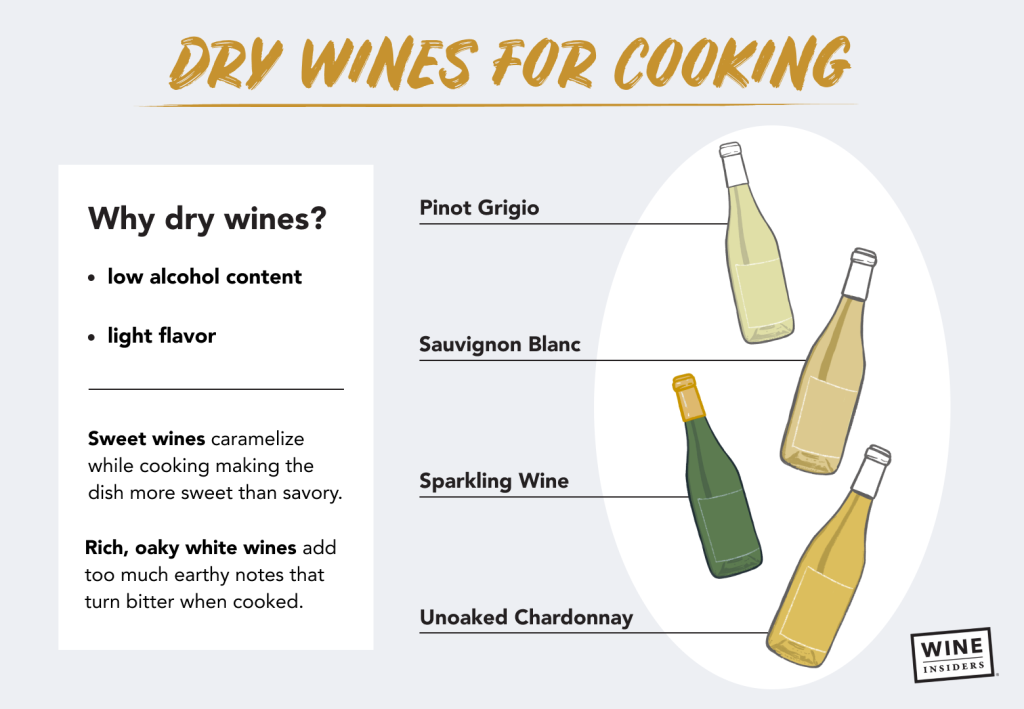
Acidity in wine is crucial as it balances flavors and cuts through rich ingredients. High-acid white wines, like Sauvignon Blanc or Pinot Grigio, are often the go-to for cooking. They add a zesty kick that brightens the dish. Imagine making a creamy risotto. Adding a splash of acidic wine can lighten the dish, preventing it from becoming too heavy. This is the secret behind many chefs’ vibrant, flavorful dishes. Don’t underestimate the power of acidity. Next time you cook, think about how a touch of lemony acidity could transform your meal. It’s these small changes that make a big difference in culinary experiences. Choosing the right white wine for cooking isn’t just about following recipes. It’s about experimenting and finding what suits your taste. Have fun with it and make your kitchen a place of discovery.
Top White Wines For Cooking
Chardonnay and Sauvignon Blanc are excellent choices for cooking. They add flavor to seafood and chicken dishes. A dry white wine enhances sauces and soups, delivering a subtle depth to your meals.
Cooking with white wine can elevate your dishes to a whole new level. Whether you’re making a creamy pasta sauce or a delicate fish dish, choosing the right white wine is crucial. The complexity and flavor of the wine can transform your meal. Let’s dive into some of the top white wines for cooking that can make your culinary creations truly shine.
Chardonnay
Chardonnay is known for its rich and full-bodied taste. It’s perfect for creamy sauces and chicken dishes. When I first tried cooking with Chardonnay, it added a delightful depth to my mushroom risotto. The oakiness of Chardonnay can enhance the flavor profile of your dish. Make sure you choose a Chardonnay with subtle oak notes rather than an overpowering one. It works beautifully in recipes where you want to highlight richness and complexity.
Sauvignon Blanc
Sauvignon Blanc is crisp and refreshing. It’s excellent for seafood dishes and light sauces. I remember using it for a lemon-herb marinade, and the result was a burst of freshness that wowed everyone at the dinner table. This wine’s citrusy notes can brighten up a dish. Consider using Sauvignon Blanc when you want to add a zesty punch to your meal. It’s also great for deglazing pans and adding a touch of acidity to balance flavors.
Pinot Grigio
Pinot Grigio is versatile and mild. It’s ideal for dishes that require a subtle touch. I once used it in a recipe for poached pears, and it added a delicate sweetness that was unforgettable. This wine doesn’t overpower other ingredients, making it a safe choice for many recipes. Its lightness can complement dishes where you want the main ingredients to shine without being overshadowed by the wine.
Riesling
Riesling is sweet and aromatic. It’s perfect for dishes with a hint of sweetness or spice. Cooking a Thai curry with Riesling brought out an amazing balance of flavors that surprised even the skeptics. This wine can be your secret weapon for adding complexity without overwhelming your dish. Its sweetness can counterbalance spicy ingredients, creating harmony on the palate. Choosing the right white wine for your cooking can make all the difference. Have you experimented with these wines in your kitchen? How did they transform your dish? Share your experience, and let’s discover more ways to enhance our cooking with white wine.
White Wine Cooking Techniques
White wine is a versatile ingredient in cooking. It adds depth and flavor to dishes. Knowing how to use it can enhance your meals. Let’s explore some techniques.
Deglazing
Deglazing uses white wine to lift flavors from a pan. After cooking meat, pour wine into the pan. Scrape the brown bits stuck to the bottom. These bits are full of flavor. The wine helps create a tasty sauce. Use a dry white wine for best results.
Marinating
Marinating with white wine tenderizes meat. Mix wine with herbs and spices. Soak your meat in this mix for hours. The wine breaks down tough fibers. This makes the meat juicy and flavorful. Choose a wine with citrus notes for a fresh taste.
Poaching
Poaching involves cooking food gently in liquid. White wine is perfect for this method. It infuses food with a subtle taste. Fish and chicken are ideal for poaching in wine. Use a light, fruity wine for the best flavor. The result is tender and delicious.
Recipes Enhanced By White Wine
Cooking with white wine can elevate your dishes to new heights. It adds depth, complexity, and a touch of sophistication. Whether you’re a seasoned chef or a home cook, the right white wine can transform an ordinary meal into an extraordinary experience. Let’s dive into how white wine can enhance specific recipes.
Seafood Dishes
White wine is a perfect partner for seafood. Its acidity complements the delicate flavors of fish and shellfish. Imagine a steaming pot of mussels cooked in a white wine broth, the aroma filling your kitchen.
Consider pairing a crisp Sauvignon Blanc with shrimp scampi. The wine’s citrus notes match the garlic and lemon in the dish perfectly. You’ll find that the wine not only enhances the taste but also adds a delightful aroma.
Have you tried poaching salmon in white wine? The wine infuses the fish with a subtle, yet tangy flavor, making it moist and tender. Next time you prepare seafood, reach for a bottle of your favorite white wine.
Creamy Sauces
White wine can transform creamy sauces from bland to brilliant. A splash of Chardonnay in your Alfredo sauce adds a touch of elegance. The wine’s buttery notes blend seamlessly with the cream.
Think about a white wine cream sauce over pasta. The wine brings out the richness of the cream, while cutting through its heaviness. It’s a balance that you’ll crave time and time again.
Do you love chicken with creamy mushroom sauce? A bit of white wine can elevate the earthy mushrooms and savory chicken. It’s a simple addition that makes a significant impact.
Risottos
Risotto is a dish where white wine truly shines. The wine’s acidity helps to break down the starches in the rice, creating that creamy texture you love. Add a splash of Pinot Grigio as you stir your risotto. You’ll notice the difference in the depth of flavor.
Consider a mushroom risotto with white wine. The wine enhances the umami of the mushrooms and complements the Parmesan cheese. It’s a match made in culinary heaven.
Have you ever tried a seafood risotto? The combination of white wine and seafood broth is irresistible. Next time you make risotto, try experimenting with different white wines to find your perfect pairing.
White wine is more than just a cooking ingredient; it’s a tool to enhance flavors and create memorable meals. What will you cook next with white wine?
Tips For Storing White Wine
Storing white wine properly enhances its flavor for cooking. Choose dry varieties like Sauvignon Blanc or Chardonnay. Keep the bottles cool and away from light.
When it comes to cooking with white wine, the key to maximizing its flavor lies in how you store it. Proper storage ensures that your wine retains its vibrant notes and doesn’t spoil before you can use it. Let’s dive into some practical tips for storing white wine that will keep it fresh and ready for your next culinary creation.
Storage Conditions
The ideal storage condition for white wine is a cool, dark place. Light and heat can degrade wine quickly, making it taste flat or sour. Aim for a consistent temperature around 45-50°F (7-10°C). Avoid storing wine in the kitchen. It may be convenient, but the fluctuating temperatures from cooking can ruin the wine’s quality. Instead, consider a wine fridge or a cool basement. Remember to keep the bottles on their sides. This keeps the cork moist, preventing it from drying out and letting air into the bottle, which can spoil the wine.
Shelf Life
White wine doesn’t have an indefinite shelf life, especially after opening. Generally, you should consume an open bottle within 3 to 5 days to enjoy its full flavor. Unopened white wine can last for 1-2 years if stored properly. However, every wine is different. Consider checking the label for specific recommendations. Ever stored an open bottle for a week and found it undrinkable? That’s a common mishap. Always ensure a tight seal with a cork or wine stopper to slow down oxidation. Storing wine doesn’t have to be complicated. With these simple tips, you can maintain the quality of your white wine, ensuring it’s always ready to add depth and flavor to your dishes. So, how do you plan to store your wine differently?
Common Mistakes To Avoid
Cooking with white wine adds depth to your dishes. Yet, many make errors that alter flavors. Avoiding these common mistakes ensures a balanced taste every time. Let’s explore pitfalls to steer clear of.
Overpowering Flavors
Strong wines can overwhelm your dish. A delicate balance is crucial. Choose wines labeled as “dry” or “crisp.” These have subtler flavors. Pinot Grigio or Sauvignon Blanc are excellent choices. They enhance without dominating. Avoid wines with high acidity. These can clash with your ingredients. Always taste the wine before using it. Ensure it complements your dish.
Using Sweet Varieties
Sweet wines can ruin savory dishes. They introduce unwanted sweetness. Avoid wines like Moscato or Riesling. These are too sugary for most recipes. Opt for dry whites instead. They maintain the dish’s intended flavor. If unsure, consult a wine expert. They can guide your selection. Remember, the right wine enhances, not overpowers. Stick to dry, light varieties for best results.
Frequently Asked Questions
When A Recipe Calls For White Wine, What Do You Use?
Use a dry white wine like Sauvignon Blanc or Pinot Grigio for cooking. These wines add depth and acidity to dishes. Avoid sweet wines as they can alter the flavor. If you need a non-alcoholic substitute, use white wine vinegar or chicken broth.
What Is The Best All Purpose Cooking Wine?
The best all-purpose cooking wine is dry white wine like Sauvignon Blanc or Pinot Grigio. It complements dishes without overpowering flavors. Consider using a quality brand for consistent taste. Avoid using “cooking wine” labeled bottles, as they often contain added salt.
Choose wine that you’d enjoy drinking for the best results.
Which White Wine Is Best For Cooking?
Sauvignon Blanc is often recommended for cooking due to its crisp acidity and herbal notes. It enhances dishes without overpowering them. Chardonnay and Pinot Grigio are also popular choices. They offer balanced flavors that complement various recipes, from creamy sauces to seafood dishes.
Can I Use Any White Wine For Cooking?
Not all white wines are suitable for cooking. Avoid sweet wines, as they can alter the dish’s flavor. Dry white wines are preferred for their balanced acidity and subtle flavors. They enhance the dish without adding unnecessary sweetness.
Conclusion
Choosing the best white wine for cooking enhances your dishes. A good wine adds depth and flavor. Stick to dry white wines. They balance dishes well. Sauvignon Blanc and Pinot Grigio are popular choices. They offer a crisp taste. Chardonnay works too, but choose unoaked.
Avoid sweet wines; they change flavors. Taste your dish as you cook. Adjust as needed. Quality matters, but don’t overspend. Affordable wines can be perfect. Experiment with different types. Find your favorite. Cooking with wine should be enjoyable. Happy cooking!








