Affiliate Disclosure: This post may contain affiliate links. If you purchase through links on our site, we may earn an affiliate commission at no extra cost to you.
Are you confused about which oil is best for your cooking? With so many options available, it’s easy to feel overwhelmed.
But don’t worry, you’re not alone. Choosing the right oil can transform your cooking and boost your health. Imagine serving meals that not only taste delicious but also make you feel great. Sounds appealing, right? Whether you’re sautéing veggies or deep-frying chicken, the oil you use can make a big difference.
Dive into this article to discover which oil is perfect for your kitchen adventures. This isn’t just about cooking; it’s about enhancing your culinary experience and taking care of your well-being. Ready to unlock the secrets of cooking oils? Let’s get started!
Factors Influencing Oil Choice
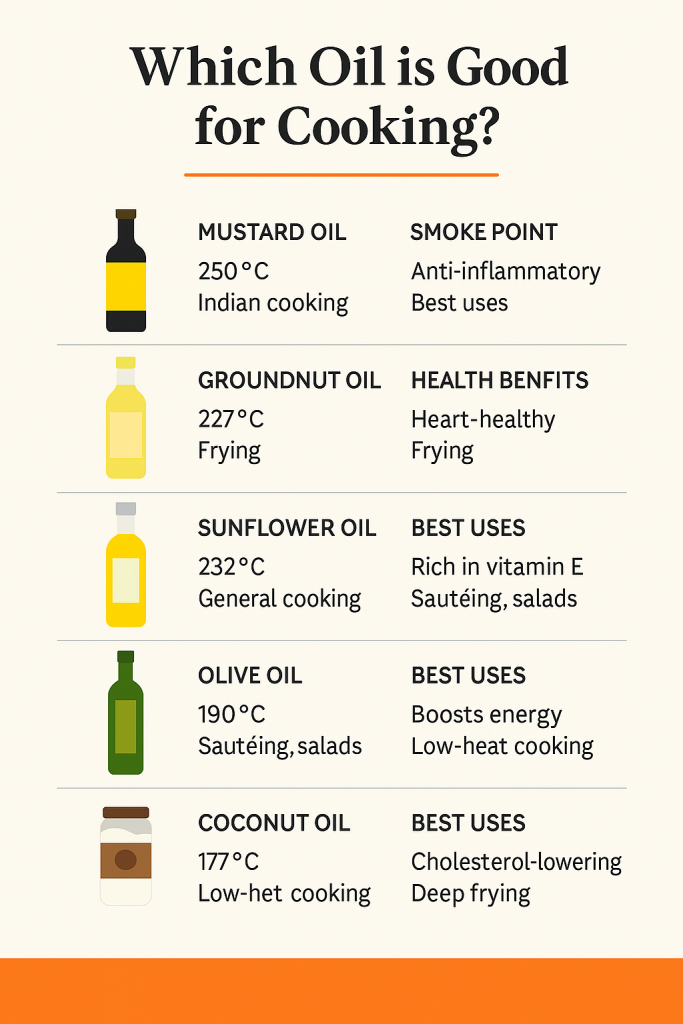
Choosing the best oil for cooking depends on its smoke point, flavor, and health benefits. Olive oil, with a medium smoke point, is great for sautéing. Sunflower oil is ideal for high-heat frying. Consider the dish’s flavor and your dietary needs when selecting oil.
Choosing the right oil for cooking is not just about taste; it’s a decision influenced by several factors that directly impact your meals and health. Whether you’re frying, baking, or sautéing, the type of oil you use can change the flavor, nutritional value, and even the safety of your dishes. Understanding these factors will help you make informed choices in the kitchen.
Smoke Point Considerations
The smoke point of an oil is the temperature at which it starts to smoke and break down. This is crucial because overheating oil can release harmful compounds and affect the taste of your food. For high-heat cooking like frying, choose oils with a high smoke point such as avocado oil or refined coconut oil. On the other hand, olive oil, with a lower smoke point, is better suited for medium-heat cooking or dressing salads.
Nutritional Value
Different oils offer varying nutritional benefits. For example, extra virgin olive oil is rich in monounsaturated fats and antioxidants, making it a heart-healthy choice. If you’re looking to boost omega-3 intake, flaxseed oil is a great option, though it should not be heated. Consider what nutrients are important to you and choose accordingly.
Flavor And Aroma
The flavor and aroma of an oil can dramatically influence the taste of your dish. A robust sesame oil can add a delightful nutty flavor to stir-fries, while a neutral oil like canola will let other ingredients shine. Remember a time when you tried a new dish and were pleasantly surprised by its unique flavor? The right oil might have been the secret ingredient.
Health Impacts
Your choice of cooking oil can have long-term health implications. Oils high in saturated fats like palm oil can increase cholesterol levels and should be used sparingly. Meanwhile, oils like canola and olive oil, which are high in unsaturated fats, are better for maintaining heart health. Think about what health goals you have and how your oil choices align with them. As you consider these factors, ask yourself: How do your current oil choices align with your cooking needs and health goals? Making small changes in the oils you use can lead to healthier, more flavorful meals.
Credit: originz.co
Popular Cooking Oils
Choosing the best oil for cooking can be a daunting task with so many options available. Each oil has its unique flavor profile, nutritional benefits, and cooking applications. Let’s dive into some popular cooking oils that may already be a staple in your pantry, and explore how they can enhance your culinary creations.
Olive Oil Benefits
Olive oil is famous for its rich flavor and heart-healthy benefits. Many home cooks and professional chefs alike swear by its ability to enhance dishes with a smooth and slightly peppery finish. It’s high in monounsaturated fats, which can help lower bad cholesterol levels. Ever tried drizzling olive oil over a fresh salad or using it in a marinade? You might be surprised at how it can elevate simple ingredients into something extraordinary.
Canola Oil Uses
Canola oil is a versatile choice often used for frying and baking due to its neutral taste. It has a high smoke point, making it suitable for high-heat cooking methods like stir-frying. If you’re looking for an oil that won’t overpower your dish, canola oil is a great option. Plus, it’s low in saturated fat, promoting better heart health. Have you ever considered using canola oil for homemade muffins or crispy fried chicken? It’s a reliable companion in the kitchen.
Coconut Oil Pros And Cons
Coconut oil is loved for its distinct tropical aroma and flavor. It’s a favorite in vegan and gluten-free baking, adding a subtle sweetness to cakes and cookies. However, it is high in saturated fat, which can be a concern for some. Balancing its flavorful benefits with health considerations is crucial. Do you enjoy making curries or smoothies? Coconut oil can add that extra layer of richness you might be looking for.
Sunflower Oil Applications
Sunflower oil is light and has a mild taste, making it perfect for salad dressings and mayonnaise. It’s high in vitamin E, an antioxidant that helps protect cells from damage. This oil is also great for sautéing vegetables and grilling meats. If you haven’t tried sunflower oil yet, it might just become your go-to for light and healthy cooking. Have you thought about how sunflower oil can add a subtle touch to your favorite recipes without stealing the spotlight?
In your quest for the best cooking oil, consider what you value most: flavor, health benefits, or versatility. Each oil has a unique role in the kitchen, ready to enhance your culinary adventures. Which one will you choose to elevate your next meal?
Specialty Oils To Explore
Specialty oils are like hidden gems in the world of cooking. They offer unique flavors and health benefits that can elevate your culinary creations. Whether you’re trying to impress your guests or just trying something new, these oils can make a big difference. Have you ever wondered how a simple change in oil can transform a dish?
Avocado Oil Properties
Avocado oil is packed with healthy fats and vitamins. It’s known for its high smoke point, which makes it perfect for grilling and roasting. Imagine using avocado oil in your salad dressings; its rich and buttery flavor enhances fresh greens beautifully. Plus, it’s good for your heart.
Sesame Oil In Asian Cuisine
Sesame oil is a staple in Asian kitchens. Its nutty aroma can turn a simple stir-fry into a fragrant feast. Just a drizzle on your noodles or vegetables can add depth and authenticity to your dish. Have you tried adding sesame oil to your homemade dumplings? It’s a game-changer.
Peanut Oil For Frying
Peanut oil is renowned for its frying capabilities. Its high smoke point means you can achieve crispy perfection without the oil breaking down. Think about your favorite fried foods—peanut oil can make them even better. Next time you prepare fried chicken, try peanut oil for a crispier and tastier bite.
Exploring specialty oils can add an exciting twist to your cooking. Why not start experimenting with these oils in your kitchen? You might discover a new favorite that your taste buds will love.
Sustainability And Ethical Considerations
Choosing the best oil for cooking involves sustainability and ethical considerations. Opt for oils produced with eco-friendly methods and fair labor practices. Olive, sunflower, and coconut oils are popular choices for their health benefits and minimal environmental impact.
When choosing the best oil for cooking, it’s crucial to consider not just health benefits, but also sustainability and ethical considerations. These factors can have a significant impact on our environment and the livelihoods of those who produce the oil. By making informed choices, you can support practices that are both environmentally friendly and socially responsible.
Environmental Impact
Every choice you make in the kitchen can affect the planet. Some oils, like palm oil, are notorious for their negative environmental impact due to deforestation and habitat destruction. Opting for oils like olive or sunflower, which are produced with fewer harmful practices, can make a difference. Think about the farming methods used. Organic farming, for instance, avoids harmful pesticides and supports soil health. Consider how oil production affects water usage and pollution. These factors might seem small, but they add up significantly.
Fair Trade Options
When you purchase fair trade oils, you support farmers and workers with fair wages and better working conditions. This means your cooking oil choice can directly impact someone’s life positively. Fair trade oils are often marked with a certification, making them easy to identify on store shelves. I remember switching to a fair trade coconut oil and feeling a sense of connection. Knowing that the extra dollar I spent was helping a farmer provide for their family made my meal taste even better. This simple choice can align your cooking with your values. What if your oil choice could help end child labor or support education in developing communities? Fair trade options give you that power. By choosing such products, you become part of a global movement towards ethical consumerism. Incorporating sustainability and ethical considerations into your cooking oil choices might seem daunting. But with small, informed steps, you can contribute to a healthier planet and a fairer world. What will you choose the next time you reach for that bottle in the store?
Tips For Storing Cooking Oils
Choosing the best oil for cooking ensures flavor and health benefits. Store oils in a cool, dark place to maintain freshness. Use airtight containers to prevent exposure to air and light, preserving taste and quality.
Cooking oils are a staple in every kitchen, playing a crucial role in crafting delicious meals. However, storing them correctly is often overlooked, which can impact their flavor and nutritional value. Proper storage not only maintains the quality of your oils but also extends their shelf life. Let’s dive into some practical tips for storing your cooking oils to ensure they remain fresh and beneficial for your cooking adventures.
Proper Storage Techniques
Storing cooking oils involves more than just putting them in a cupboard. Temperature is key; most oils prefer a cool, dark place. Aim for a spot away from direct sunlight and heat sources like the stove. Containers matter too. Opt for opaque bottles or jars to block out light, which can degrade oil quality. Make sure the lids are tightly sealed to prevent oxidation. Location is another factor. Ever notice how oil near the stove goes rancid faster? That’s because heat speeds up spoilage. Keep oils away from high heat areas to preserve their freshness.
Shelf Life Of Different Oils
Knowing the shelf life of your oils can prevent waste and ensure you’re using fresh products. Olive oil generally lasts 18-24 months from the production date. But once opened, aim to use it within a year for optimal flavor. Vegetable and canola oils have a longer shelf life, often up to two years unopened. After opening, they remain good for about six months. Nut oils, like walnut or almond, spoil faster. Use them within three months of opening. Their delicate nature demands careful storage—make them a priority in your kitchen rotation. Are you storing your oils correctly? Proper storage might seem trivial, but it makes a world of difference in the taste and health benefits of your cooking. Keeping these tips in mind can help you make the most of your oils, saving money and enhancing your culinary creations.
Credit: integrishealth.org
Frequently Asked Questions
What Is The Healthiest Oil For Cooking?
Olive oil is considered the healthiest for cooking due to its high monounsaturated fat content. It contains antioxidants that reduce inflammation. Choose extra virgin olive oil for the best nutritional benefits. It withstands heat well, making it ideal for sautéing and baking.
What’s The Most Unhealthy Oil?
The most unhealthy oil is partially hydrogenated oil, commonly found in trans fats. It increases bad cholesterol and lowers good cholesterol, raising heart disease risk. Choose healthier options like olive oil or avocado oil to reduce health risks.
Which Cooking Oil Is Good For Health According To Who?
WHO recommends using oils high in unsaturated fats like olive, sunflower, or canola oil for better health. These oils help lower cholesterol and reduce the risk of heart disease. Avoid oils high in saturated fats, such as palm oil, for healthier cooking options.
What Oil Works Best For Cooking?
Olive oil is excellent for cooking due to its health benefits and flavor. For high-heat cooking, use oils like canola or avocado. These oils have high smoke points and are versatile. Choosing the right oil enhances taste and maintains nutritional value.
Conclusion
Choosing the right cooking oil is important for health and taste. Olive oil is great for salads and low-heat cooking. Canola oil works well for frying due to its high smoke point. Coconut oil adds a unique flavor to dishes.
Each oil offers distinct benefits and flavors. Understand your cooking needs before selecting an oil. Experiment with different oils to find your favorite. Remember, moderation is key with any oil. Eating a balanced diet ensures better health. Enjoy your cooking journey with the right oil choice.








