Affiliate Disclosure: This post may contain affiliate links. If you purchase through links on our site, we may earn an affiliate commission at no extra cost to you.
Are you standing in the grocery aisle, staring at rows of olive oil bottles and wondering which one to choose for your next culinary creation? You’re not alone.
Many people find themselves puzzled by the various types of olive oil and their uses. Whether you’re a seasoned chef or just someone who enjoys cooking at home, understanding which olive oil to use can make a world of difference in your dishes.
You’ll discover the secrets behind choosing the best olive oil for cooking. We’ll unravel the mystery of labels, from extra virgin to light, and explain how each type affects flavor and nutrition. By the end of this read, you’ll not only know which olive oil to pick but also how to elevate your culinary skills with the right choice. Stay with us, and let’s transform your cooking from good to gourmet!
Types Of Olive Oil
When choosing the best olive oil for cooking, understanding the different types is crucial. Olive oil isn’t just a single product; it’s a spectrum that varies in flavor, quality, and suitability for different cooking methods. Have you ever stood in front of the grocery shelf, overwhelmed by the variety of olive oils? You’re not alone. Let’s break down the types of olive oil to help you make informed choices in your kitchen.
Extra Virgin Olive Oil
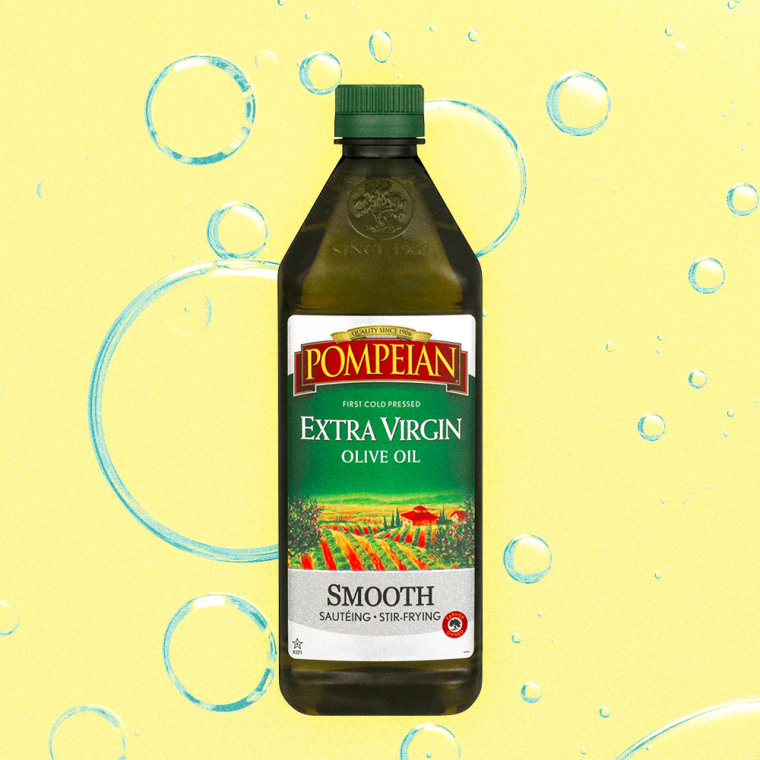
Extra virgin olive oil is the highest quality available. It’s made from the first pressing of olives, without heat or chemicals. This oil is rich in flavor and nutrients, making it perfect for drizzling over salads or dipping bread. Although it’s a bit pricier, the taste and health benefits are worth it.
Virgin Olive Oil
Virgin olive oil is also made from the first pressing but has slightly higher acidity than extra virgin. It retains a robust flavor, making it suitable for dressings and marinades. Consider using it in dishes where the olive taste can shine, like a pasta sauce.
Refined Olive Oil
Refined olive oil undergoes processing to remove impurities and neutralize flavors. It’s often blended with virgin oils to improve taste. This type is more affordable and has a higher smoke point, making it ideal for frying and sautéing. If you’re cooking at high temperatures, refined olive oil is a smart choice.
Pure Olive Oil
Pure olive oil is a blend of refined and virgin oils. It’s less intense in flavor and more versatile for everyday cooking. While it doesn’t have the rich taste of extra virgin, it’s a reliable option for baking and roasting. Next time you prepare a dish that doesn’t need a strong olive taste, pure olive oil can be your go-to.
As you explore these options, think about your cooking habits. Are you looking for a rich flavor or a high smoke point? Your choice will not only affect the taste but also how well your dishes turn out. Have you tried using different types for various recipes? The results might surprise you.
Health Benefits
When considering the best type of olive oil for cooking, it’s crucial to understand the health benefits it brings to your table. Olive oil is not just a tasty addition to your meals; it’s packed with nutrients that can enhance your well-being. Let’s dive into how olive oil can be a powerhouse for your health.
Nutritional Profile
Olive oil is rich in healthy fats, particularly monounsaturated fats. These fats can help lower bad cholesterol levels. You’ll also find vitamin E in olive oil, which is great for your skin and eyes.
Many people don’t realize that olive oil contains small amounts of iron and calcium. These minerals are essential for maintaining strong bones and overall health. Next time you drizzle olive oil on your salad, think of it as a boost to your nutrient intake.
Antioxidant Properties
Olive oil is loaded with antioxidants, such as polyphenols. These compounds combat oxidative stress in your body. This means they help protect your cells from damage caused by free radicals.
Imagine your body as a fortress; antioxidants are the soldiers defending it from invaders. Adding olive oil to your diet can enhance this defense system, keeping you healthier in the long run.
Heart Health
One of the most celebrated benefits of olive oil is its positive impact on heart health. Studies have shown that regular consumption can reduce the risk of heart disease. This is largely due to its ability to improve cholesterol levels and reduce inflammation.
If you’re looking to maintain a healthy heart, olive oil is a smart choice. Consider swapping out butter for olive oil in your recipes. How often do you think about your heart health when cooking? Olive oil can make a difference without compromising taste.
These insights make olive oil a valuable ingredient in your kitchen. Have you ever wondered if the oil you choose could influence your health? Now you know it can! Using olive oil in your cooking isn’t just about flavor; it’s about nurturing your body with every bite.
Cooking With Olive Oil
Olive oil is a staple in many kitchens worldwide. It offers both flavor and health benefits. But not all olive oils are the same. Choosing the right type for cooking can be tricky. Understanding their properties helps in making the best choice.
Smoke Point Considerations
Different olive oils have different smoke points. The smoke point is the temperature where oil starts to smoke. Extra virgin olive oil has a lower smoke point. It’s best for low-heat cooking. Regular olive oil has a higher smoke point. It suits medium-heat cooking well. Knowing the smoke point helps prevent burning.
Flavor Impact
Olive oils vary in taste. Extra virgin olive oil has a strong flavor. It can enhance salads and dressings. Pure olive oil has a mild taste. It’s good for frying and baking. The flavor can affect the dish’s final taste. Choose wisely based on your recipe.
Best Uses For Each Type
Extra virgin olive oil is great for cold dishes. Use it in salads and dips. Regular olive oil works well for sautéing and grilling. It’s ideal for roasting vegetables. Light olive oil is suitable for baking. It doesn’t overpower the dish with flavor. Match the type with your cooking needs.
Choosing Quality Olive Oil
Have you ever stood in front of rows of olive oil bottles, each claiming to be the best? Choosing the right olive oil can feel daunting, but understanding a few key elements makes it easier. Quality olive oil not only enhances the flavor of your food but also boosts its nutritional value.
Label Reading Tips
Start by examining the label. Look for terms like “extra virgin,” which signifies the oil is made from pure, cold-pressed olives and is free of chemicals. Check for the harvest date; fresher is better. If the label includes the region of origin, it often indicates a more authentic product.
Consider the packaging. Dark glass bottles protect the oil from sunlight, preserving its quality. Avoid plastic containers as they can degrade over time.
Certifications And Standards
Quality olive oil often carries certifications from organizations like the International Olive Council (IOC). These certifications ensure the oil meets specific purity and quality standards. Look for seals that guarantee the oil is organic or sustainably produced.
Trustworthy brands will often mention adherence to European Union standards, which are stringent and ensure high quality. This can offer peace of mind in knowing your oil is genuinely top-notch.
Storage Recommendations
Once you’ve selected your olive oil, proper storage is crucial. Keep the bottle in a cool, dark place, like a cupboard away from the stove. Heat and light can degrade the oil, affecting its taste and health benefits.
After opening, aim to use the oil within three months to enjoy its peak flavor. When was the last time you checked the storage conditions of your olive oil? Ensuring proper storage keeps your cooking fresh and flavorful.
Choosing quality olive oil is a blend of science and artistry. What tips do you find most helpful when selecting your bottle? Share your thoughts and let’s navigate the olive oil aisle together!
Expert Opinions
Choosing the right olive oil for cooking can be challenging. Different experts have varying opinions on its best use. Understanding these insights can help you make informed choices. Here are some perspectives from chefs and nutritionists, along with debunking common myths.
Chef Recommendations
Many chefs prefer extra virgin olive oil for its rich flavor. It adds depth to dishes, enhancing taste without overpowering. It is ideal for dressings and dips. Light olive oil is better for high-heat cooking. It has a higher smoke point, making it suitable for frying. Balance flavor and cooking method to choose wisely.
Nutritionist Insights
Nutritionists emphasize the health benefits of olive oil. Extra virgin olive oil is packed with antioxidants. It can boost heart health and reduce inflammation. Light olive oil has fewer nutrients due to refining. It is still a healthier option than many other oils. Consider nutritional value along with cooking needs.
Common Myths Debunked
Some believe olive oil is not suitable for frying. This is a myth. Light olive oil can handle high temperatures. Another myth is that all olive oils taste the same. In reality, flavors vary greatly. Understanding these myths helps in making better choices. Don’t let misconceptions limit your options.
Credit: kalyatatva.com
Frequently Asked Questions
Which Is Better For Cooking Olive Oil Or Extra Virgin Olive Oil?
Extra virgin olive oil is better for salads and dressings due to its rich flavor. Olive oil, with a higher smoke point, suits cooking methods like frying and sautéing. Choose based on taste preference and cooking method for best results.
Which Olive Oil Is Not For Cooking?
Extra virgin olive oil is not ideal for cooking at high temperatures. It has a low smoke point, which can lead to nutrient loss and altered flavors. It’s best used for drizzling, dressings, or dipping. Choose refined or light olive oils for frying or sautéing instead.
What Olive Oil Do Chefs Use For Cooking?
Chefs often use extra virgin olive oil for cooking due to its rich flavor and high-quality. It’s ideal for dressings, sautéing, and finishing dishes. Regular olive oil is preferred for frying because it has a higher smoke point. Both types enhance the taste of Mediterranean and healthy dishes.
Can I Cook With 100% Extra Virgin Olive Oil?
Yes, you can cook with 100% extra virgin olive oil. It enhances flavor and is suitable for sautéing, roasting, and baking. Its smoke point is around 375°F, making it ideal for most cooking methods. Choose high-quality olive oil to enjoy its nutritional benefits and rich taste.
Conclusion
Choosing the right olive oil enhances your dishes. Extra virgin olive oil offers rich flavor and health benefits. For high-heat cooking, use regular or light olive oil. It withstands heat well. Balance health and taste by selecting quality oils. Experiment with different types for varied flavors.
Always store olive oil in a cool, dark place. This preserves its quality and taste. Enjoy the unique taste olive oil brings to your meals. Cooking with it can transform everyday dishes. With these tips, your meals will shine. Happy cooking!








