Affiliate Disclosure: This post may contain affiliate links. If you purchase through links on our site, we may earn an affiliate commission at no extra cost to you.
Have you ever stood in the grocery store, staring at the onion display, wondering which one to choose for tonight’s recipe? You’re not alone.
With so many varieties—yellow, red, white, sweet—it’s easy to feel overwhelmed. But here’s the secret: the right onion can transform your dish from ordinary to extraordinary. Imagine your meals bursting with flavor, each bite perfectly balanced and satisfying. By understanding which onion to use, you can elevate your cooking game and impress anyone who tastes your creations.
Curious to know more? Let’s dive into the world of onions and discover which one is the best for your next culinary masterpiece.
Varieties Of Onions
Onions are a staple in kitchens worldwide. They add depth and flavor to dishes. Choosing the right onion can enhance your cooking. Different onions offer distinct tastes and textures. Let’s explore the varieties of onions. Each type has unique qualities to consider.
Yellow Onions
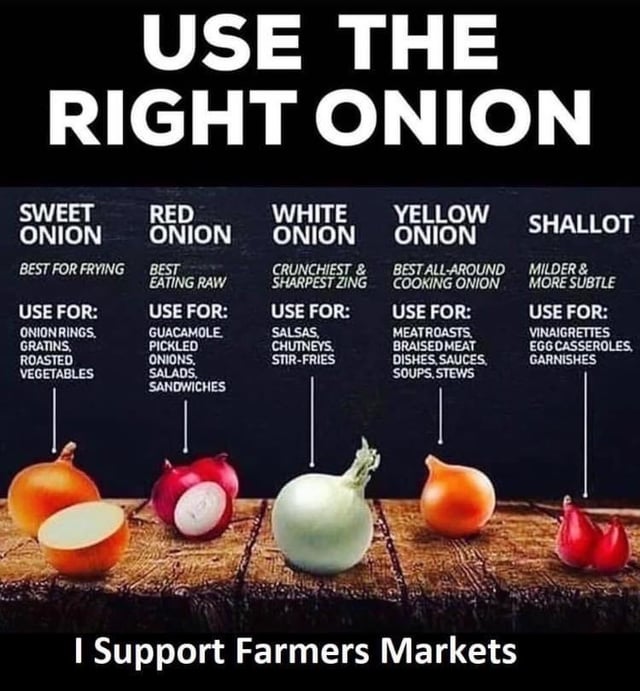
Yellow onions are versatile. Their flavor is strong and sweet. They are ideal for caramelizing. Use them in soups, stews, or roasts. Yellow onions are reliable for everyday cooking.
White Onions
White onions are sharp and crisp. Their taste is less sweet than yellow onions. Perfect for salsa and Mexican dishes. They provide a fresh crunch. White onions are also great raw in salads.
Red Onions
Red onions are mild and sweet. They add color to dishes. Use them in salads or sandwiches. Their vibrant hue makes dishes attractive. Red onions are excellent for grilling.
Sweet Onions
Sweet onions are mild and sugary. Vidalia and Walla Walla are popular types. They are perfect for raw consumption. Use them in salads or dressings. Sweet onions complement dishes with their unique sweetness.
Choosing The Right Onion
Onions play a crucial role in cooking. They add depth and flavor to dishes. Choosing the right onion can enhance your recipe. Each type of onion brings its own taste and texture. Understanding these differences will help you make the best choice for your meal.
Flavor Profiles
Different onions have distinct flavor profiles. Yellow onions are sharp and pungent. They become sweet when cooked. Red onions are mild and slightly sweet. Perfect for salads and raw dishes. White onions are crisp and clean. Great for salsas and Mexican cuisine. Each variety offers unique taste experiences.
Cooking Methods
Various onions suit different cooking methods. Yellow onions are ideal for caramelizing. Their natural sugars develop beautifully. Red onions work well in grilling. They retain their color and sweetness. White onions are best for frying. Their texture stays firm and flavorful. Choose the right onion for your cooking style.
Regional Preferences
Onion choices often reflect regional tastes. In Indian cuisine, red onions are common. They blend well with spices and curries. In French dishes, yellow onions are favored. They are essential for soups and stews. Mexican recipes typically use white onions. They add a bright, fresh flavor. Knowing regional preferences can guide your selection.
Culinary Uses
Onions are a staple in kitchens worldwide, and each variety offers unique flavors and textures that can transform your cooking. Knowing which onion to choose can elevate your dishes from ordinary to extraordinary. Whether you’re simmering a hearty stew or tossing a fresh salad, the right onion can make all the difference. Let’s dive into how different onions shine in specific culinary uses.
Soups And Stews
When it comes to soups and stews, yellow onions often steal the show. Their robust flavor stands up well to long cooking times, making them ideal for dishes that need hours to develop. Try slicing them thinly for a classic French onion soup or chopping them into chunks for a comforting beef stew. Ever noticed how the humble onion can add depth and warmth to your favorite winter recipes?
Salads And Salsas
For salads and salsas, reach for red onions. Their vibrant color and sharp taste add a refreshing crunch to fresh dishes. Slice them thinly and toss them with tomatoes, cilantro, and lime juice for a zesty salsa. Or, add them to a crisp green salad for a burst of flavor. Have you ever tried soaking them in cold water first? It tames their bite, making them even more delightful to eat raw.
Grilling And Roasting
Sweet onions, like Vidalia or Walla Walla, excel in grilling and roasting. Their natural sugars caramelize beautifully, creating a sweet and savory blend. Cut them into thick rings and grill them alongside your favorite veggies or roast them whole for a simple side dish. Imagine the aroma filling your kitchen as these onions turn golden brown and delicious. Can you already taste the sweet transformation?
Choosing the right onion is more than just a matter of taste; it’s about enhancing the flavors and textures of your dishes. So next time you’re cooking, consider which onion might be the perfect match for your culinary creation. What’s your go-to onion for cooking, and how do you use it in your favorite recipe?
Onion Storage Tips
Sweet onions like Vidalia or Walla Walla enhance dishes with their mild flavor. They’re ideal for salads and caramelizing. Store them in a cool, dry place to maintain freshness.
When it comes to cooking, selecting the right onion can make a world of difference. But once you’ve found your perfect onion, do you know how to store it to maintain its freshness? Proper storage can extend its shelf life and preserve its taste. Here’s how to keep your onions in top shape.
Freshness Preservation
Preserving the freshness of onions starts with knowing where to store them. Keep onions in a cool, dry place. A pantry or a cellar works well. If you’ve ever wondered why onions are often kept away from potatoes, it’s because potatoes emit moisture that can spoil onions quickly. But what about those onions you’ve sliced? Store them in a sealed container in your fridge. This helps maintain their crispness and prevents them from absorbing other odors. Ever noticed how a good onion can enhance any dish, from soups to salads? You’ll want to keep them fresh to enjoy that.
Avoiding Spoilage
Spoilage is the enemy of a good onion. To avoid this, ensure your onions have proper air circulation. Use mesh bags or baskets instead of plastic bags. This allows them to breathe and prevents rot. If you see signs of spoilage like soft spots or mold, remove the affected onions immediately. It’s surprising how quickly one bad onion can ruin the bunch. Remember the disappointment of discovering a spoiled onion mid-recipe? Avoid it by checking your stash regularly.
Freezing Onions
Yes, you can freeze onions! If you’re not using your onions immediately, freezing can be a lifesaver. Chop them up and store in airtight bags. Label them for easy access during your cooking sessions. Frozen onions are great for cooked dishes. They might not be ideal for salads but they work wonders in stews and soups. Ever had a busy week where every minute counts? Pre-frozen onions can be your best friend. Do you have any onion storage hacks that work for you? Sharing tips can help others keep their onions fresh and flavorful.
Health Benefits
Onions are a staple in cooking, each variety offering unique health benefits. Yellow onions are versatile and packed with antioxidants, supporting heart health. Red onions add flavor and color, while boosting immunity with their rich vitamin content. Opt for shallots for a milder taste and anti-inflammatory properties.
When you’re cooking, choosing the right onion can make all the difference. Aside from enhancing flavor, onions offer remarkable health benefits. As you chop and sauté, you might not realize the nutritional powerhouse you’re adding to your dish. Let’s explore why onions deserve a top spot in your kitchen, focusing on their nutritional content, antioxidant properties, and digestive health.
Nutritional Content
Onions are low in calories but packed with essential nutrients. They offer a good amount of vitamin C, which boosts your immune system and keeps your skin healthy. You’ll also find vitamin B6 and potassium, important for nerve function and muscle health. Consider adding onions to salads or soups. They enhance flavor while providing a nutrient boost without extra calories. Have you ever tried using onions in smoothies? It’s an unexpected twist that can add depth without overpowering the taste.
Antioxidant Properties
These humble vegetables are rich in antioxidants like quercetin, known for fighting inflammation and boosting heart health. Antioxidants help prevent cell damage, contributing to overall wellness. Think about the last time you made a hearty stew. Did you know that the onions you tossed in were working hard to protect your body from free radicals? It’s fascinating how something so simple can offer such profound benefits. Next time you cook, remember your onions are doing more than just adding flavor.
Digestive Health
Onions are great for digestion, thanks to their fiber content. They contain prebiotics that feed beneficial gut bacteria, promoting a healthy digestive system. Imagine the comfort of a warm onion soup after a long day. Not only does it warm your soul, but it also supports your gut health. Have you noticed how onions can subtly improve digestion without you even realizing it? So, next time you cook, appreciate the onion not just for its flavor, but for its health benefits. How can you incorporate more onions into your meals to boost your health?
Common Mistakes
Choosing the right onion for cooking can be tricky. Many people mistakenly use the wrong type, affecting taste. Yellow onions are versatile, perfect for most dishes.
Cooking with onions can elevate your dishes, but it’s easy to make mistakes that affect the final taste. Understanding common pitfalls can transform your meals from ordinary to extraordinary. Let’s delve into some typical errors to ensure your onion game is on point.
Overcooking
Overcooking onions can strip them of their signature flavor and texture. If you’ve ever ended up with a mushy mess, you’re not alone. To retain their natural sweetness and slight crunch, keep an eye on your onions, especially if you’re sautéing or caramelizing them. Remember, they continue to cook even after you turn off the heat, so stopping a minute early can be beneficial.
Wrong Onion Choice
Not all onions are created equal. Choosing the wrong type can drastically alter your dish. A red onion might overwhelm a delicate salad, while a sweet onion can lack the punch needed for a spicy curry. Always match the onion to the recipe. Think about what you want: sweetness, bite, or something in between? Experiment with different types, like yellow for stews or white for salsa, to find your perfect match.
Improper Storage
Improperly stored onions can spoil quickly, leading to wasted ingredients and money. Have you ever reached for an onion only to find it sprouting or moldy? Onions require a cool, dry place to thrive. A mesh bag or open basket in a pantry is ideal, keeping them dry and well-ventilated. Avoid storing them next to potatoes, as this speeds up spoilage. Check them regularly to ensure they’re fresh and ready for your next culinary adventure. Avoiding these common mistakes can help you master the art of cooking with onions. Which of these errors have you made, and how did it impact your dish? Share your experiences and let’s learn together!
Expert Tips
Choosing the best onion for cooking can enhance flavor. Yellow onions are versatile and ideal for most dishes. Red onions add a mild, sweet taste, perfect for salads and grilling.
In the culinary world, choosing the right onion can transform your dish. Different onions offer unique flavors and textures. Here are expert tips to enhance your cooking experience with onions.
Cutting Techniques
Proper cutting enhances flavor and texture. Slice onions thinly for salads. Dice them finely for soups and stews. Use a sharp knife to avoid crushing the onion. A clean cut releases less moisture. This maintains the onion’s structure.
Reducing Tears
Cutting onions often leads to tears. To reduce crying, chill the onion before chopping. Cold temperatures slow down the release of irritants. You can also cut onions under running water. This washes away the compounds that cause tears.
Enhancing Flavor
Onion flavor varies with cooking methods. Sauté onions for a sweet, caramelized taste. Add raw onions to salads for a sharp, tangy flavor. Roasting brings out a deep, rich sweetness. Choose the method that matches your dish’s flavor profile.
Frequently Asked Questions
Are Yellow Or White Onions Better For Cooking?
Yellow onions are better for cooking due to their strong flavor. They caramelize well, adding depth to dishes. White onions are milder and crisp, often used raw in salads. Choose yellow for rich, cooked dishes and white for fresh, raw applications.
Why Do Chefs Use Shallots Instead Of Onions?
Chefs prefer shallots for their mild, sweet flavor and subtle aroma. They blend seamlessly into dishes without overpowering other ingredients, unlike onions. Shallots also caramelize quickly, enhancing the dish’s overall taste. Their smaller size makes them convenient for recipes requiring delicate flavors.
Which Onions Taste Best Sauteed?
Yellow onions are best for sautéing due to their balanced flavor. They become sweet when caramelized. Red onions add color and mild sweetness, while white onions offer a sharper taste. Choose based on your recipe’s flavor profile. Each type enhances dishes uniquely, making them versatile for sautéing.
What Type Of Onion Is The Healthiest For You?
Red onions are the healthiest. They contain high levels of antioxidants, including quercetin and anthocyanins. These compounds help reduce inflammation and fight free radicals. Red onions also have a lower sugar content compared to other types. Eating them raw maximizes their health benefits.
Conclusion
Choosing the right onion can enhance your cooking greatly. Yellow onions are versatile and work well in most dishes. Sweet onions add a mild, sugary flavor, perfect for caramelizing. Red onions offer a sharp taste, ideal for salads and grilling.
White onions bring a crisp texture, great for salsas and chutneys. Each type has its unique flavor profile. Consider your recipe’s needs and personal taste. Experiment and find your favorite. Onions are a kitchen staple. They elevate flavors, making meals more delicious.
Happy cooking with your onion choice!








