Affiliate Disclosure: This post may contain affiliate links. If you purchase through links on our site, we may earn an affiliate commission at no extra cost to you.
Imagine the perfect pizza: a golden crust, bubbling cheese, and that irresistible wood-fired aroma. The secret to achieving this culinary masterpiece lies not just in the ingredients, but in the wood you choose for your pizza oven.
Yes, you heard it right! The type of wood can make or break your pizza experience, influencing everything from flavor to cooking time. But with so many options out there, how do you decide which wood is best for your pizza oven?
Don’t worry; you’re about to discover the secrets that seasoned chefs swear by. This guide will unveil the best wood choices to elevate your pizza game, ensuring every slice is a piece of gourmet perfection. So, are you ready to unlock the full potential of your pizza oven and delight your taste buds? Keep reading to find out!
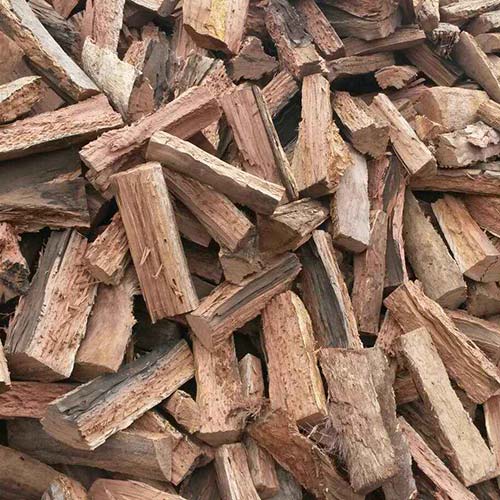
Credit: firewoodforstoves.com
Types Of Wood For Pizza Ovens
Choosing the right wood is crucial for a perfect pizza oven experience. The type of wood used impacts the oven’s temperature, flavor, and smoke. Understanding the differences helps in making informed choices. Here, we explore popular wood types for pizza ovens.
Hardwoods Vs Softwoods
Hardwoods are dense and burn longer, making them ideal for pizza ovens. Oak, beech, and ash are popular hardwood choices. These woods provide steady heat and a rich flavor. Softwoods, like pine or cedar, burn quickly and produce more smoke. They are not recommended for pizza ovens.
Seasoned Vs Green Wood
Seasoned wood has been dried for at least six months. It burns efficiently and produces less smoke. Green wood is freshly cut and contains more moisture. It burns unevenly and creates more smoke. Using seasoned wood enhances the cooking experience.
Characteristics Of Ideal Pizza Oven Wood
Choosing the right wood for your pizza oven can transform your cooking experience. Each type of wood offers unique characteristics, impacting the flavor and efficiency of your pizza baking. Understanding these attributes helps you make informed decisions, ensuring your pizzas are cooked to perfection.
Burning Efficiency
Wood burning efficiency affects how quickly your oven heats up. Hardwoods burn slower and hotter, providing consistent heat. Oak and maple are popular choices for their steady burn rate. They maintain high temperatures for longer periods, perfect for baking pizzas evenly.
Softwoods burn quickly but produce less heat. They might require frequent replenishing, disrupting cooking. Therefore, hardwoods like oak are preferred for their ability to keep the oven hot and ready for multiple pizzas.
Flavor Impact
Wood type influences the flavor of your pizza. Different woods impart distinct smoky flavors. Cherry wood adds a subtle sweet aroma, enhancing the taste profile. Hickory provides a strong smoky essence, ideal for robust flavors.
Oak offers a mild smoky touch, keeping the flavors balanced. Experimenting with various woods allows you to customize the taste. A mix of hardwoods creates a unique and pleasant blend, making your pizzas stand out.
Popular Wood Choices
Choosing the right wood for your pizza oven can significantly impact the flavor and texture of your pizzas. Different woods offer unique qualities, from burning temperatures to the aromas they infuse into your food. As you explore popular wood choices, consider how each option might enhance your culinary creations. Imagine the satisfaction of knowing you’ve selected the perfect wood for that mouthwatering, crisp crust. Let’s dive into some of the most popular choices for your pizza oven.
Oak
Oak is a favorite among pizza enthusiasts for its ability to burn slowly and evenly. This wood provides a consistent heat, which is crucial for achieving that perfect crust. Its dense nature means it produces a significant amount of heat, allowing your pizza oven to reach optimal temperatures quickly. Oak’s mild aroma complements most pizza toppings without overpowering them. Have you tried using oak in your oven? You might find it perfect for those classic Margherita pizzas.
Maple
If you’re looking for a wood that adds a subtle sweetness to your pizzas, maple is a great choice. It burns well and is known for its smooth, consistent heat. Maple’s gentle flavor can enhance your pizza without competing with bold toppings like pepperoni or olives. When I first tried maple, I was surprised by how it elevated the taste profile of my pizzas. Could this be the secret ingredient your pizza has been missing?
Cherry
Cherry wood is cherished for the delicate, fruity aroma it imparts. It burns at a moderate temperature, making it ideal for slow cooking. This wood is perfect for gourmet pizzas with sophisticated toppings like goat cheese or sun-dried tomatoes. Cherry wood can transform your pizza-making experience into a culinary adventure. Have you ever wondered how to make your homemade pizza stand out? Cherry wood might be your answer.
Apple
Apple wood is another sweet option, offering a mild, fruity flavor that pairs beautifully with various toppings. It burns at a slightly lower temperature, allowing for longer cooking times that can result in a tender, chewy crust. This wood can be particularly appealing for pizzas featuring sweet elements like caramelized onions or figs. I recall the first time I used apple wood; it brought a delightful twist to my pizza night. Could apple wood be the new star in your pizza oven repertoire?
Comparing Wood Varieties
Choosing the right wood for your pizza oven can transform your culinary experience. The type of wood impacts the heat, flavor, and even the aroma of your delicious creation. Whether you’re a seasoned pizza maker or just starting out, understanding the characteristics of different wood varieties can help you craft the perfect pizza. Let’s dive into the specifics and see how these wood types compare.
Heat Retention
Heat retention is crucial for achieving that crispy crust. Some woods burn hotter and longer, providing a consistent temperature for baking. Oak, for example, is known for its ability to maintain high heat, making it a favorite among pizza enthusiasts. It burns evenly and keeps the oven warm for extended periods. Maple is another option, offering moderate heat retention but with a smoother finish.
Think about this: Have you ever struggled with uneven cooking? The right wood can eliminate that issue, ensuring your pizza is cooked perfectly every time. Choosing a wood with excellent heat retention can be a game-changer in your pizza-making journey.
Smoke Levels
Smoke levels can add a unique flavor profile to your pizza. Hickory wood is famous for its robust smoky flavor, ideal if you want a rich, bold taste. However, it might not be everyone’s cup of tea. Cherry wood, on the other hand, gives off a subtle sweetness, enhancing the pizza’s natural flavors without overpowering them.
Ever noticed a bitter taste in your pizza? That could be from excessive smoke. Finding a balance with smoke levels is key to avoiding this. Consider what flavor you want to add to your pizza and choose your wood accordingly.
As you experiment with different wood types, remember that each variety brings its own unique characteristics to your pizza oven. Your choice can significantly impact the final product. So, what will you choose to elevate your pizza-making skills?
Eco-friendly Options
Choosing the right wood for your pizza oven is important. Eco-friendly options offer sustainable solutions without harming nature. These options reduce carbon footprints and use resources wisely. Let’s explore some eco-friendly wood choices.
Sustainably Sourced Woods
Sustainably sourced woods come from managed forests. These forests ensure trees are replanted after harvesting. This helps maintain natural balance. Common choices include oak, maple, and birch. They burn clean and provide a steady heat. Choosing sustainably sourced wood supports ethical forestry practices. It also ensures future generations can enjoy nature’s bounty.
Recycled Wood
Recycled wood offers a unique eco-friendly choice. It utilizes wood from old furniture or construction sites. This reduces waste and gives wood a new purpose. Recycled wood is often kiln-dried. This process removes moisture and ensures a clean burn. Using recycled wood helps preserve forests. It also supports waste reduction, making it a smart green choice.
Tips For Selecting Wood
Choosing the right wood for a pizza oven enhances flavor. Oak and maple burn hot and long, providing consistent heat. Avoid softwoods like pine, as they create excess smoke and soot.
Choosing the right wood for your pizza oven can significantly affect the flavor, aroma, and cooking efficiency of your pizza. It’s not just about the type of wood; it’s also about how easily you can source it and what it will cost you. Below are some practical tips to consider when selecting wood for your pizza oven.
Local Availability
The best wood choice often depends on what’s readily available in your region. Using locally sourced wood not only supports your community but also reduces transportation costs and environmental impact. For example, if you live in an area rich in oak trees, oak wood could be an excellent option. Consider visiting local farms or lumberyards to see what types of wood they offer. You may even find some hidden gems that aren’t available in commercial stores. How easy is it for you to get a steady supply of this wood? That could be the deciding factor in your choice.
Cost Considerations
The cost of wood can vary widely depending on the type and availability. Some premium woods like hickory or mesquite might offer fantastic flavors but can be expensive. On the other hand, more common woods like ash or maple may fit better into a budget-conscious approach. Create a small table to compare costs, availability, and the flavor profile of each wood type you are considering. This will help you visualize which option provides the best value. Remember, sometimes a less expensive wood can achieve the same delicious results without breaking the bank. In the end, selecting the best wood for your pizza oven is a balance between flavor and practicality. What’s more important to you—rich, unique flavor or keeping things simple and affordable? Your answer will guide your decision.
Credit: fornopiombo.com
Frequently Asked Questions
What’s The Best Wood To Use In A Pizza Oven?
Hardwoods like oak, hickory, and maple are ideal for pizza ovens. They burn hotter and longer. Choose seasoned, dry wood for optimal heat and flavor. Avoid resinous woods like pine, which can produce unwanted smoke and flavors. Always ensure wood is free from chemicals or additives.
What Wood Should You Not Use In A Wood Fired Pizza Oven?
Avoid using treated, painted, or stained wood in a wood-fired pizza oven. These woods release harmful chemicals. Also, steer clear of softwoods like pine, which create excessive smoke and resin buildup. Opt for seasoned hardwoods like oak, ash, or maple for optimal performance and flavor in your pizza oven.
Is Hickory Or Oak Better For Pizza?
Hickory wood offers bold, smoky flavors perfect for meat-topped pizzas. Oak delivers a milder, versatile smoke suitable for various toppings. Choose hickory for intense taste; opt for oak for subtle flavor enhancement. Your preference depends on desired smokiness and pizza toppings.
Is Hardwood Or Softwood Better For Pizza Oven?
Hardwood is better for pizza ovens due to its dense nature, providing longer burn times and consistent heat. It enhances flavor, creating an authentic taste. Softwood burns quicker, producing less heat and more smoke, which can affect the pizza’s quality.
Choose hardwood for superior performance and delicious results.
Conclusion
Choosing the right wood enhances your pizza oven experience. Each wood type offers distinct flavors and burning qualities. Oak provides steady heat and a smoky taste. Cherry adds sweetness to your pizza. Maple delivers a mild, balanced flavor. Consider the wood’s moisture level for effective burning.
Dry wood burns hotter and cleaner. Experiment with different woods to find your favorite. The perfect choice depends on personal taste and cooking style. Enjoy crafting delicious pizzas with the ideal wood for your oven. Your pizza nights will never be the same again!








