Affiliate Disclosure: This post may contain affiliate links. If you purchase through links on our site, we may earn an affiliate commission at no extra cost to you.
Imagine the sizzle of a perfectly seared steak or the crispness of golden-brown roasted vegetables. To achieve these culinary delights, you need the right oil that can withstand high heat without breaking down.
Choosing the best oil for high heat cooking is crucial not just for flavor but for your health, too. With so many options available, how do you decide which oil deserves a spot in your pantry? This guide is here to help you navigate the world of high heat cooking oils, ensuring that your dishes are not only delicious but also nutritious.
Stick around to discover which oils can elevate your cooking to new heights and why they are the top choice for chefs and home cooks alike.
Understanding Smoke Points
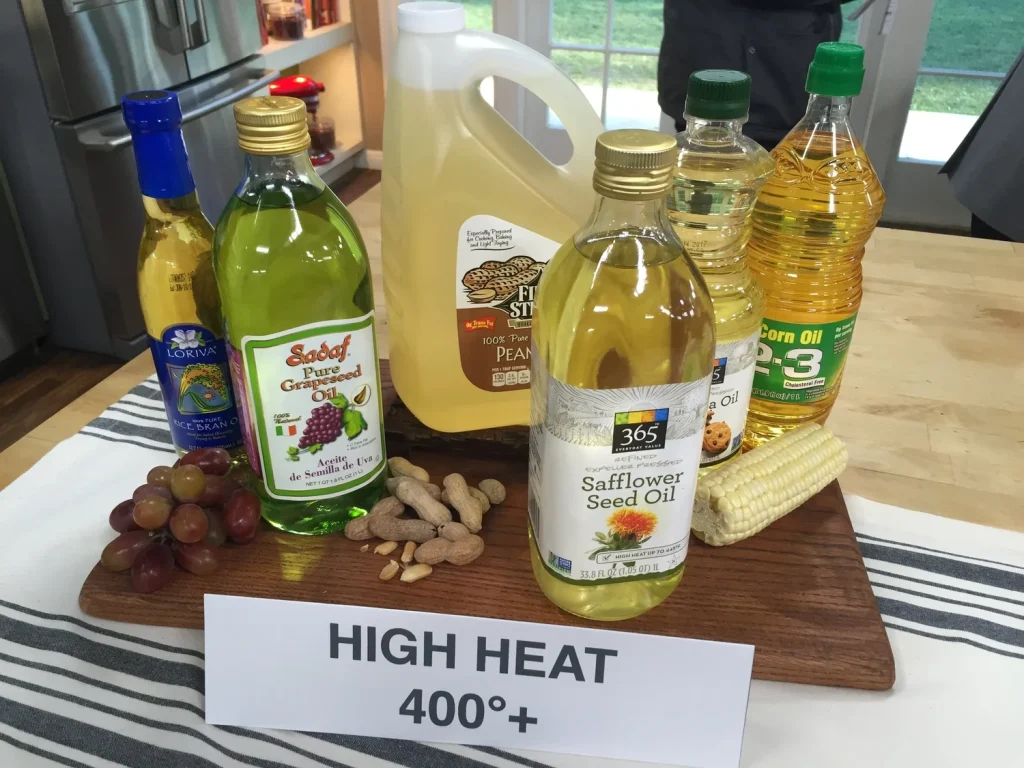
Choosing the right oil for high heat cooking prevents burning and adds flavor. Opt for oils like avocado, grapeseed, and refined sunflower oil. They have high smoke points, ensuring safe and tasty cooking.
Understanding the smoke point of oils is key to mastering high heat cooking. The smoke point is the temperature at which an oil starts to burn and smoke, which can alter the flavor of your food and produce harmful compounds. Knowing this helps you choose the right oil, ensuring your dishes are both delicious and safe. Cooking at high temperatures requires oils that can withstand the heat. Ever tried frying with olive oil and noticed a burnt aroma? That’s the smoke point telling you it’s too hot. Using the right oil can make a world of difference in your cooking experience.
What Is A Smoke Point?
The smoke point is the temperature at which an oil begins to smoke and break down. This is not just about taste—it’s about health, too. When oil smokes, it can release free radicals and acrolein, a compound that can irritate your eyes and throat.
Why Does Smoke Point Matter?
When oil exceeds its smoke point, it not only affects flavor but can also impact nutrition. Imagine preparing a stir-fry with an oil that can’t handle the heat; you might end up with a bitter taste and less nutritious meal. Choosing the right oil ensures your dish retains its intended flavor and nutrients.
Common Oils And Their Smoke Points
Here’s a handy table to guide your choice of cooking oils:
| Oil | Smoke Point (°F) |
|---|---|
| Avocado Oil | 520 |
| Refined Olive Oil | 465 |
| Canola Oil | 400 |
| Butter | 350 |
Choosing The Right Oil For Your Cooking Needs
Do you often grill or sear meats? Avocado oil might be your best friend due to its high smoke point. Prefer sautéing vegetables? Canola oil offers a good balance between heat tolerance and flavor neutrality.
Practical Tips For Cooking With High Smoke Point Oils
– Always heat your pan before adding oil. This helps prevent the oil from overheating before your food is ready. – Store oils in a cool, dark place to maintain their quality and smoke point. – Consider the flavor profile of the oil. While peanut oil is great for frying, its nutty flavor might not suit every dish. Understanding smoke points empowers you to make informed decisions in the kitchen. Which oil will you choose for your next culinary adventure?
Olive Oil
Olive oil is a staple in many kitchens around the world. Known for its rich flavor, it brings a unique taste to dishes. It’s not just for salads or dressings. Olive oil can be used for high heat cooking, too.
Benefits Of Olive Oil
Olive oil is packed with healthy fats. These fats are good for the heart. It has antioxidants that fight free radicals. These antioxidants help keep your body healthy. Olive oil also aids in digestion. It can enhance the flavor of many dishes.
Smoke Point And Suitability
Olive oil has a smoke point around 350°F to 410°F. This makes it suitable for moderate-high heat cooking. It works well for sautéing and baking. It is not ideal for deep frying due to lower smoke point. Choose extra virgin for a richer flavor. Regular olive oil has a higher smoke point.
Avocado Oil
Avocado oil stands out for high heat cooking due to its high smoke point. It retains nutrients at temperatures up to 520°F, making it ideal for frying and roasting. Its mild flavor complements various dishes without overpowering them.
Avocado oil has gained popularity among home cooks and chefs for its versatility and health benefits. Extracted from the creamy flesh of avocados, this oil boasts a rich, buttery flavor that can enhance various dishes. Whether you’re searing a steak, grilling vegetables, or making a salad dressing, avocado oil can be a valuable addition to your kitchen.
Nutritional Advantages
Avocado oil is packed with healthy fats, particularly monounsaturated fats, which are beneficial for heart health. These fats can help lower bad cholesterol levels and improve overall cardiovascular function. It’s also rich in vitamin E, an antioxidant that supports skin health and boosts the immune system. Adding avocado oil to your meals can be a simple way to increase your intake of these essential nutrients. Have you ever considered how your cooking oils impact your nutrition? Switching to avocado oil could be a game changer for your diet.
High Heat Performance
One of the standout features of avocado oil is its high smoke point, which is around 520°F (271°C). This makes it perfect for high-heat cooking methods like frying and sautéing. Unlike some oils that break down and produce harmful compounds at high temperatures, avocado oil remains stable. This means you can enjoy delicious, crisp results without compromising on health. Have you ever struggled with oils smoking and ruining your dish? Avocado oil might be the solution you’ve been looking for. Incorporating avocado oil into your cooking routine can be both a practical and tasty choice. Consider trying it the next time you fire up the stove for a high-heat recipe. The benefits might surprise you!
Coconut Oil
Coconut oil stands out as a top choice for high heat cooking due to its stable composition. Its ability to withstand high temperatures without breaking down makes it ideal for frying and sautéing. Additionally, its mild flavor complements a variety of dishes, enhancing their taste.
Coconut oil is a popular choice for high heat cooking. Known for its high smoke point, it retains nutrients even at high temperatures. It’s derived from the meat of mature coconuts. This oil is versatile and offers a unique flavor. Coconut oil adds a tropical touch to dishes, enhancing their taste.
Flavor Profile
Coconut oil has a distinct, mild coconut aroma. It provides a subtle sweetness to dishes. Unlike other oils, it doesn’t overpower flavors. Its light taste complements many ingredients. This makes it suitable for a variety of cuisines.
Ideal Uses In Cooking
Coconut oil is perfect for frying and sautéing. It handles high heat without breaking down. Use it in baking for a moist texture. It’s great for roasting vegetables too. Coconut oil is ideal for stir-fries. It enhances the flavors without being too strong.
Grapeseed Oil
Grapeseed oil stands out for high heat cooking due to its high smoke point and neutral flavor. It’s perfect for frying, sautéing, and baking, ensuring delicious results without overpowering dishes. This oil is a versatile kitchen staple, balancing health benefits and cooking performance seamlessly.
Grapeseed oil is a popular choice for high heat cooking. Derived from grape seeds, it is a byproduct of wine-making. This oil has a neutral taste and a high smoke point. It can be used for frying, sautéing, and baking.
Versatility In Cooking
Grapeseed oil works well in various cooking methods. Its high smoke point makes it ideal for frying and roasting. The neutral taste allows flavors of other ingredients to shine. Use it for salad dressings for a light, smooth texture. It is also perfect for marinades. Chefs love its versatility.
Health Benefits
Grapeseed oil is rich in polyunsaturated fats. These fats are healthier than saturated ones. It contains vitamin E, a powerful antioxidant. This vitamin helps protect cells from damage. Grapeseed oil supports heart health. It may reduce cholesterol levels. It can improve skin health when used topically. Healthy cooking with grapeseed oil is simple.
Peanut Oil
Peanut oil stands out for high heat cooking due to its high smoke point. It’s ideal for frying and sautéing. This oil maintains its flavor, making it a popular choice in kitchens worldwide.
Peanut oil is a popular choice for high heat cooking and is often praised for its versatility in the kitchen. Its high smoke point makes it ideal for frying and other cooking methods that require intense heat. If you’ve ever wondered why your favorite restaurant fries taste so delicious, peanut oil might be the secret ingredient. Its subtle nutty flavor can enhance the taste of many dishes, making it a staple in various cuisines.
Optimal For Frying
Peanut oil has a smoke point of about 450°F (232°C), which means it can withstand the high temperatures needed for frying without breaking down. This makes it perfect for achieving that crispy texture we all love in fried foods. If you’ve ever tried making homemade fries or fried chicken, using peanut oil can make a noticeable difference in the outcome. Its ability to maintain stability at high temperatures also means that it doesn’t impart a burnt taste to your food. This ensures that the natural flavors of your ingredients shine through, making your dishes taste fresher and more vibrant. Have you ever had fries that tasted a bit off? It might be because the wrong oil was used.
Taste Considerations
While peanut oil is excellent for frying, it’s important to consider its flavor profile. It has a mild, nutty taste that can complement many dishes but might not be suitable for every recipe. If you’re making a dish where you want the ingredients’ flavors to stand out, peanut oil can be a great choice. However, in recipes where you desire a neutral flavor, you might want to opt for another oil. If you’re hosting a dinner party with guests who have peanut allergies, it’s crucial to inform them if you’ve used peanut oil. Always keep your guests’ safety and preferences in mind when cooking. When I first switched to peanut oil for my stir-fries, I was amazed at how it elevated the flavors. The subtle nutty undertone added depth to my dishes, making them more enjoyable. Have you ever tried experimenting with different oils to see how they change the taste of your favorite recipes? It can be a fun and enlightening experience in the kitchen.
Sunflower Oil
Sunflower oil stands out for high heat cooking due to its high smoke point. It retains flavors and nutrients, making it ideal for frying and sautéing. This oil is a versatile choice for those seeking a balance of health benefits and cooking performance.
Sunflower oil is a staple in many kitchens, especially when you’re looking to cook at high temperatures. It’s known for its light taste, which doesn’t overpower your food, making it a great choice for frying and sautéing. You might remember the aroma of sizzling vegetables or meats in sunflower oil from your favorite family meals.
High Heat Stability
When you’re cooking with high heat, you need an oil that won’t break down and release harmful compounds. Sunflower oil stands out because of its high smoke point, typically around 440°F (227°C). This makes it perfect for frying and other high-temperature cooking methods. Have you ever noticed how some oils leave a burnt taste? Sunflower oil’s stability helps avoid that, ensuring your dishes taste just right.
Nutritional Content
Sunflower oil isn’t just about handling heat; it’s also nutritious. It’s rich in Vitamin E, a powerful antioxidant. This means it can help protect your cells from damage. Plus, it’s low in saturated fats, which is good news for your heart health. Consider swapping your current cooking oil for sunflower oil and see how it can benefit your meals and your health. Whether you’re whipping up a quick stir-fry or deep-frying for a special occasion, sunflower oil can be a reliable partner. Have you tried using sunflower oil in your cooking yet? What differences have you noticed? Let sunflower oil help you create tasty and healthier meals effortlessly.
Canola Oil
Canola oil is ideal for high heat cooking due to its high smoke point. It ensures flavors remain intact and food cooks evenly. This versatile oil can handle various cooking methods, making it a top choice for frying and sautéing.
Canola oil is a versatile and popular choice for high heat cooking. You might have seen it in your kitchen or at the grocery store, but have you ever wondered why it’s such a common pick? Known for its mild flavor and high smoke point, canola oil can be a reliable companion in your culinary adventures. Let’s explore why canola oil could be your go-to option for cooking at high temperatures.
Economic And Healthy
Canola oil is budget-friendly, making it an economical choice for your cooking needs. You don’t have to spend a fortune to enjoy quality cooking oil. It’s also considered heart-healthy due to its low saturated fat content. With a good amount of omega-3 fatty acids, canola oil supports heart health without breaking the bank. This balance of affordability and health benefits makes canola oil a smart choice. You can keep your dishes nutritious without compromising on cost.
Best Uses
What are the best ways to use canola oil in high heat cooking? You can confidently use it for frying, sautéing, and roasting. Its high smoke point ensures that your food won’t burn easily. Are you planning a stir-fry dinner? Canola oil can handle the heat, allowing your veggies and proteins to cook evenly. Its neutral taste won’t overpower your dishes. This means you can experiment with different cuisines without worrying about altering the original flavors. Have you tried using canola oil in your cooking? Share your experiences and favorite recipes. You might inspire others to explore new culinary creations!
Credit: distributionskatrina.com
Frequently Asked Questions
What Is The Healthiest Oil To Cook With At High Heat?
Avocado oil is the healthiest choice for high-heat cooking. It has a high smoke point of about 520°F (271°C) and is rich in monounsaturated fats. This makes it stable and nutritious for frying, sautéing, or roasting. Its mild flavor complements various dishes without overpowering them.
What Cooking Oil Can Take The Highest Temperature?
Avocado oil can withstand the highest cooking temperatures, reaching up to 520°F (271°C). It’s ideal for frying and sautéing due to its high smoke point. This makes it a versatile choice for various cooking methods, providing a healthy option with beneficial nutrients.
What Is The Best Oil To Use In Hot Weather?
Use synthetic oil for hot weather conditions. It withstands high temperatures and offers superior protection. Synthetic oils resist breakdown and maintain viscosity better than conventional oils. Brands like Mobil 1 or Castrol Edge are recommended. Always check your vehicle’s manual for specific oil requirements.
What Oils Are Best For High Heat Cooking?
For high heat cooking, oils with high smoke points are ideal. Avocado oil, refined olive oil, and peanut oil are popular choices. These oils maintain their stability at higher temperatures, making them suitable for frying, grilling, and sautéing. Always choose oils that can withstand the heat without breaking down.
Conclusion
Choosing the right oil is crucial for high heat cooking. Oils like avocado, sunflower, and peanut work well. They withstand high temperatures without breaking down. This keeps your food healthy and tasty. Always store oils properly to maintain quality. Remember, each oil offers unique flavors.
Experiment to find your favorite. Your cooking will improve with the right oil choice. Enjoy delicious meals every time. Keep your kitchen stocked with the best options. Happy cooking!








