Affiliate Disclosure: This post may contain affiliate links. If you purchase through links on our site, we may earn an affiliate commission at no extra cost to you.
When you step into your kitchen, you want it to be a place of ease and efficiency. But have you ever found yourself juggling pots and pans, searching for the right appliance, or feeling cramped in your own cooking space?
The secret to a seamless kitchen experience lies in the strategic placement of your appliances. Imagine being able to whip up your favorite meals without unnecessary steps or frustration. By arranging your kitchen in a way that complements your cooking flow, you can transform your culinary adventures into a more enjoyable and productive experience.
Dive into this guide, and discover how to optimize your kitchen layout to save time, reduce stress, and make cooking a joy. Your dream kitchen setup is just a read away.
Kitchen Layout Essentials
Designing a kitchen involves more than selecting colors and materials. It’s about ensuring functionality, efficiency, and comfort. The placement of appliances plays a crucial role. A well-planned kitchen layout can make cooking enjoyable. It can also save time and energy.
Understanding the essentials of kitchen layout is key. It helps in organizing space and maximizing utility. Let’s explore some important concepts.
Work Triangle Concept
The work triangle connects the stove, refrigerator, and sink. These are the three main work areas in a kitchen. The idea is to keep them close but not too close. The total distance should be between 12 and 26 feet. This ensures easy movement while cooking.
A well-planned work triangle reduces unnecessary steps. It makes the kitchen more efficient. It also minimizes traffic through the work area. This is important for safety and convenience.
Ergonomic Design Principles
Ergonomics in the kitchen focuses on comfort and efficiency. Placing appliances at the right height reduces strain. For example, ovens should be at waist level. This makes it easier to access hot dishes safely.
Dishwashers near sinks save time and effort. It reduces the need to carry heavy loads across the kitchen. Countertops at the right height prevent back pain. Ergonomic design makes cooking enjoyable and safe.
Proper appliance placement enhances workflow. It ensures a comfortable and productive kitchen environment. Remember, a well-organized kitchen is a happy kitchen.
Strategic Appliance Placement
Positioning appliances in the kitchen impacts both functionality and flow. Place the fridge near the entrance for easy access. The stove should be central for efficient cooking, while the sink and dishwasher stay close together for seamless dish management.
Creating a functional and aesthetically pleasing kitchen often hinges on strategic appliance placement. It’s not just about squeezing appliances into available spaces but optimizing their positions for convenience and efficiency. A well-thought-out arrangement can transform your cooking experience, making it smoother and more enjoyable.
Refrigerator Location Tips
Positioning your refrigerator is crucial for maintaining the kitchen’s flow. Ideally, it should be easily accessible from the entrance to the kitchen. This way, you can quickly grab ingredients without disrupting the cooking process. Placing it too far from the prep area can lead to unnecessary back-and-forth trips. Think about how often you use the refrigerator. If you’re constantly opening it, you don’t want it in a corner where opening the door becomes a hassle. Consider placing it near your primary work triangle for maximum efficiency.
Optimal Oven Positioning
The oven’s placement can make or break your cooking workflow. Place it near your countertop to allow easy transfer of hot dishes. This setup minimizes accidents and speeds up meal prep. If possible, position the oven away from the refrigerator. This helps maintain energy efficiency as the heat from the oven won’t affect the fridge’s cooling. Have you ever found yourself juggling hot pots and pans due to poor layout? Avoid this by planning the oven’s location thoughtfully.
Dishwasher Placement Strategies
Convenience is key when deciding where to place your dishwasher. Position it next to the sink to facilitate easy loading. This proximity also allows for quick pre-rinse actions if needed. Ensure there’s enough space to open the dishwasher door fully without obstructing your movement. Have you noticed how some dishwashers can become obstacles in tight spaces? Avoid this issue by planning ahead, ensuring there’s room to maneuver even when the door is open. Strategic placement of kitchen appliances is more than just a design choice—it’s about creating a seamless cooking experience. With thoughtful planning, your kitchen can become a hub of efficiency and ease. How will you optimize your kitchen for better functionality today?
Space-saving Techniques
Finding the perfect spot for each appliance in your kitchen can feel like a puzzle. It’s all about using space smartly and making sure everything is easy to reach. Whether your kitchen is big or small, the right space-saving techniques can make a world of difference. By optimizing your appliance placement, you can enjoy a clutter-free cooking experience and maximize efficiency. Let’s dive into some practical strategies to save space in your kitchen.
Vertical Storage Solutions
Think of your kitchen as a vertical playground. Use the height to your advantage! Install shelves or racks above counters to store appliances like blenders and mixers. This keeps your countertops clear and appliances within arm’s reach.
Consider wall-mounted storage units for smaller items. These units are perfect for storing gadgets that you use often but don’t want cluttering your counters. They also add a modern flair to your kitchen.
Have you tried using pegboards? They’re not just for tools in the garage. A pegboard on a kitchen wall can hold pots, pans, and even appliances like coffee makers. It’s a flexible solution that allows you to rearrange items as needed.
Compact Appliance Options
Modern technology offers a range of compact appliances designed for small spaces. Look for multi-functional devices that combine several tasks into one. These can save both space and money.
Think about your daily routines. If you rarely bake, a smaller oven might suit your needs better than a full-sized one. Or, opt for a microwave that doubles as a convection oven.
Do you have a tiny kitchen? Consider appliances that can be stored away when not in use, like foldable mixers or retractable range hoods. They offer flexibility without sacrificing functionality.
Reflect on your kitchen habits. How often do you use each appliance? By prioritizing the most frequently used ones, you can determine the best placement for everything. Remember, a well-organized kitchen can transform your cooking experience.
What changes can you make in your kitchen today to save space? Think creatively and let your kitchen reflect both your lifestyle and personal taste.
Enhancing Workflow Efficiency
Enhancing workflow efficiency in the kitchen transforms cooking into a delightful experience. Proper appliance placement is essential for smooth transitions between tasks. It reduces unnecessary movement and saves time. A well-organized kitchen minimizes effort and maximizes productivity. Let’s explore how to position appliances for optimal workflow.
Streamlined Cooking Areas
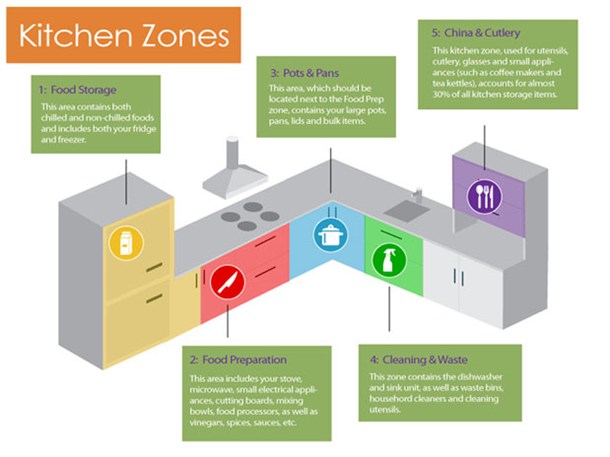
Arrange cooking appliances close to each other. Place the stove, oven, and microwave in one zone. This setup helps in quick meal preparation. Store pots, pans, and utensils nearby. Ensure easy access to ingredients. Keep the refrigerator within reach. It saves steps during cooking.
Accessible Cleanup Zones
Position cleaning appliances near the sink. Place the dishwasher close to the sink. This reduces the distance for dish transfer. Keep cleaning supplies nearby. Create a dedicated area for trash disposal. Ensure easy access to waste bins. This speeds up the cleanup process.
Safety And Accessibility
The kitchen is often considered the heart of the home, where meals are prepared and memories are made. However, it can also be a place where accidents happen if appliances are not placed thoughtfully. Safety and accessibility should be top priorities when arranging your kitchen appliances. Ensuring your kitchen is both child-proof and elder-friendly can prevent potential mishaps and make cooking a joy rather than a chore.
Child-proofing Tips
Young explorers have a knack for finding trouble, especially in the kitchen. To keep curious hands safe, consider installing appliance locks on your oven and refrigerator. These simple devices can prevent accidents when you’re not looking.
Place heavier and less-used appliances, like the mixer or slow cooker, on higher shelves. This keeps them out of reach of toddlers. You might even consider using corner guards on countertops to protect heads from sharp edges.
Don’t forget to secure cords out of sight. A dangling cord can be tempting for a child to pull, leading to potential disasters. Keep them neatly wrapped and out of reach.
Elder-friendly Designs
As we age, mobility and vision can decline, making kitchen navigation a challenge. To ensure your kitchen remains user-friendly for older adults, keep essential items within easy reach. This means placing frequently used appliances at counter height.
Consider installing pull-out shelves in cabinets. These can reduce the need to bend or stretch, minimizing strain and risk of injury. A simple addition can make a world of difference in accessibility.
Think about lighting too. Bright, well-placed lights can reduce shadows and improve visibility, making it easier to see dials and read labels. This is a small change that can enhance safety significantly.
Have you ever thought about how your kitchen layout impacts daily life? By prioritizing safety and accessibility, you can create a space that’s welcoming for everyone, young or old. What changes will you make for a safer kitchen environment?
Aesthetic Considerations
Designing a kitchen involves more than just functionality. The aesthetic appeal is crucial too. Placing appliances thoughtfully enhances the overall look. Appliances should not only serve their purpose but also complement the kitchen’s decor. This section explores how to achieve that harmony.
Blending Appliances With Decor
Consider the style of your kitchen. Is it modern, rustic, or traditional? Match appliance styles to the kitchen’s theme. Built-in appliances often offer a seamless look. They integrate well with cabinets and countertops. Freestanding appliances can also fit in. Choose designs that mirror the kitchen’s aesthetic.
Choosing Colors And Finishes
Colors and finishes play a significant role. Stainless steel is a popular choice. It offers a sleek and neutral look. For a warm feel, opt for matte or warm-toned finishes. Match appliance colors with cabinet hues. This creates a cohesive appearance.
Consider using bold colors for a statement. Red or blue appliances can add character. But balance is key. Too many colors can overwhelm the space. Choose one or two accent colors for harmony.
Budget-friendly Ideas
Transforming your kitchen on a budget can feel challenging. Yet, with creativity, you can create a functional space. Smart appliance placement can refresh your kitchen without breaking the bank.
Cost-effective Upgrades
Rearranging your appliances can make a big impact. Consider moving the fridge closer to the pantry. This reduces steps and adds convenience. Relocate the microwave to an open shelf. Free up valuable counter space and make it more accessible.
Invest in affordable rolling carts for extra storage. These can hold smaller appliances. They are easy to move and adjust as needed. Opt for energy-efficient appliances. They save money on bills over time.
Diy Installation Tips
DIY projects can save money. Ensure you have the right tools before starting. For a dishwasher, measure the space twice. This ensures a perfect fit. When installing a stove, check the gas line and connections carefully.
Seek help from online tutorials. They provide step-by-step guidance. Always turn off power or gas before starting. Safety should be a priority. Use adjustable brackets for wall-mounted microwaves. They provide strong support and easy adjustments.
Frequently Asked Questions
What Is The Triangle Rule For Kitchen Appliances?
The triangle rule for kitchen appliances involves positioning the sink, stove, and refrigerator in a triangular layout. This design ensures efficient workflow by minimizing walking distance between these key areas. Aim for each side of the triangle to be between 4 to 9 feet for optimal functionality.
How Do I Decide Where To Put Things In My Kitchen?
Organize your kitchen by grouping items based on their function. Store cooking tools near the stove, utensils near the eating area, and cleaning supplies under the sink. Keep frequently used items within easy reach to enhance efficiency. Arrange pantry goods by category and consider labeling for quick access.
What Is The 3×4 Kitchen Rule?
The 3×4 kitchen rule divides the kitchen into three work zones: preparation, cooking, and cleaning. Each zone should be accessible within four steps, maximizing efficiency and minimizing movement, enhancing workflow for a functional kitchen design.
Where Should A Refrigerator Be Placed In A Kitchen?
Place the refrigerator near the kitchen’s work triangle for convenience. Ensure easy access and door clearance. Avoid direct sunlight and heat sources to maintain efficiency. Keep it on a level surface for optimal performance. Make sure there’s enough ventilation space around it for proper airflow.
Conclusion
A well-organized kitchen improves cooking efficiency. Place appliances thoughtfully for ease of use. Keep the refrigerator near the entrance. This saves time when unloading groceries. Position the stove and sink close together. It helps with meal prep and cleanup. Store small appliances in accessible spots.
This ensures they are easy to reach when needed. Clear countertops of clutter. More space means more room to work. A tidy kitchen makes cooking enjoyable. Consider your routine and preferences. This helps create a personalized, functional space. Enjoy your kitchen’s new layout and the ease it brings.








