Affiliate Disclosure: This post may contain affiliate links. If you purchase through links on our site, we may earn an affiliate commission at no extra cost to you.
Are you tired of soggy crusts or overcooked edges on your homemade pizza? Finding the best oven setting for pizza can transform your kitchen into a pizzeria, delivering that perfect slice every time.
Whether you’re a seasoned chef or a home cook experimenting with new recipes, nailing the right oven temperature and mode is crucial. Imagine biting into a pizza with a crispy crust and bubbling, perfectly melted cheese—mouthwatering, right? In this guide, we’ll unlock the secrets to achieving pizza perfection in your own oven.
Stay with us, and you’ll never look at your oven settings the same way again.
Choosing The Right Oven Type
Discover the best oven setting for pizza by choosing a convection oven. This type circulates hot air evenly, ensuring a crispy crust and perfectly melted cheese. Adjust temperature and time settings for the ideal bake.
Choosing the right oven type is crucial for achieving that perfect pizza crust and melty cheese goodness. Whether you’re a seasoned home chef or a beginner, understanding the differences in oven types can greatly enhance your pizza-making skills. Each oven type offers unique benefits that can elevate your homemade pizza game.
Conventional Vs. Convection
Conventional ovens are the most common choice in many households. They use heating elements at the top and bottom, which can create a hot environment suitable for baking. However, these ovens may have uneven heat distribution, leading to inconsistent pizza crusts. On the other hand, convection ovens have a fan that circulates hot air, providing even heat distribution. This can result in a more evenly cooked pizza with a crispy crust. If your oven has a convection setting, try it for a more consistent bake.
Wood-fired Options
Wood-fired ovens are a dream for pizza enthusiasts. They can reach high temperatures quickly, often exceeding 800°F, which is perfect for Neapolitan-style pizzas. The high heat creates a unique, smoky flavor and a beautifully charred crust that you just can’t get from other ovens. But, wood-fired ovens require some skill to manage the fire and temperature. If you have access to one, it might be worth mastering. Ever tried baking a pizza in a wood-fired oven? The taste can be life-changing.
Electric Ovens
Electric ovens are a staple in many kitchens due to their ease of use. They provide consistent heat and are generally more efficient than gas ovens. Many electric ovens come with a broil setting, which can be used to get a nice golden top on your pizza. Consider using a pizza stone or steel to mimic the effect of a pizza oven. Preheat it before placing your pizza on top for a crispier crust. Do you have an electric oven? Experiment with these settings to get the best results. Choosing the right oven type can make a noticeable difference in your homemade pizza. Which oven do you use, and what results have you seen? Your choice could be the secret to your perfect pizza.
Temperature Settings For Crispiness
Achieving the perfect crispy pizza is an art. The right oven temperature plays a crucial role. Too hot and the crust might burn. Too cool and the crust will be doughy. Finding the sweet spot is essential.
Ideal Temperature Range
For a crispy crust, set your oven between 475°F and 500°F. This range ensures the crust cooks evenly. It also helps the toppings melt perfectly. Experiment within this range for your preferred texture.
Preheating Essentials
Preheating your oven is a must. It ensures even cooking. Let your oven preheat for at least 20 minutes. This step guarantees the temperature is consistent. A well-preheated oven gives the best results.
Adjusting For Different Crusts
Thick crusts need a lower temperature. They require more time to cook through. Set the oven to 450°F for these pizzas. Thin crusts benefit from higher heat. Opt for 500°F to ensure crispiness. Adjust according to your crust type for the best texture.
Baking Techniques For Perfect Crust
Achieving the ideal pizza crust involves mastering various baking techniques. The crust is the foundation of every pizza. Its texture and flavor can elevate or diminish the overall experience. With the right oven settings, you can create a crust that’s crispy on the outside and soft inside.
Several factors affect crust perfection. These include the surface used for baking, the material, and oven rack positioning. Each technique has its unique benefits. Understanding these can transform your homemade pizza into a culinary delight.
Using A Pizza Stone
A pizza stone is a popular choice for baking pizza. It helps distribute heat evenly across the crust. This results in a consistent, crispy texture. The stone absorbs moisture from the dough, enhancing crispiness. Preheat the stone for optimal results. Place it in the oven before you start preparing your pizza.
Ensure the stone is hot enough. A well-heated stone mimics the conditions of a traditional brick oven. This helps achieve that sought-after crust. It’s an affordable tool that many pizza enthusiasts swear by.
Benefits Of Baking Steel
Baking steel offers advantages over traditional pizza stones. It conducts heat more efficiently. This leads to faster baking times and a crispier crust. Baking steel maintains its temperature throughout the baking process. This consistency is crucial for the perfect crust. It’s durable and can last a lifetime.
Steel is versatile and can be used for other dishes. It offers a modern twist to classic pizza baking. Many chefs prefer it for its reliability and effectiveness. It’s an investment in quality baking.
Rack Positioning Tips
Rack positioning impacts how your pizza bakes. The middle rack is usually the best choice. It ensures even heat distribution. Placing the pizza too close to the heating element can overcook the toppings. Too far might leave the crust undercooked.
Experiment with different positions. Adjust based on the type of crust you prefer. Some ovens heat differently, so find the sweet spot. Proper positioning can make all the difference in achieving a perfect crust.
Time Management For Optimal Results
Achieving the perfect pizza requires choosing the best oven setting. Set your oven to 475°F for crispy crusts. Using a pizza stone enhances the texture, offering optimal results for a delicious homemade pizza.
When you’re making pizza at home, time management is crucial for achieving that crispy, golden crust and perfectly melted cheese. The right timing can mean the difference between a soggy base and a slice that rivals your favorite pizzeria. Whether you’re using a conventional oven or a pizza stone, understanding how to manage your time can enhance your pizza experience.
Determining Cook Time
Determining the cook time for your pizza is a balance of art and science. A typical pizza bakes at high temperatures, around 475°F (245°C), for about 10 to 15 minutes. However, various factors like dough thickness, toppings, and your oven’s efficiency can alter this. It’s important to start checking your pizza at the 10-minute mark.
Monitoring Progress
Keeping an eye on your pizza as it bakes is essential. Use the oven light and window to periodically check the progress without opening the door. Opening the oven door can cause heat loss, disrupting the baking process. If your oven doesn’t have a window, limit door openings to the absolute minimum.
Signs Of A Perfect Crust
How do you know when your pizza is done? A perfectly baked crust will be golden brown with a slight crispness. The cheese should be bubbly and lightly browned. Tap the crust lightly; it should sound hollow, indicating it’s cooked through. If you’re unsure, slide a spatula under the base to check for an even color. Time management in the kitchen can be a game-changer. Have you ever left a pizza in the oven too long? It’s all about being attentive and aware, ensuring every bite is as satisfying as the last.
Enhancing Flavor With Toppings
Enhancing the flavor of pizza with toppings can transform an ordinary slice into a masterpiece of taste. It’s all about the right combination, balance, and technique. Imagine biting into a slice where each ingredient complements the other, creating a symphony of flavors. Whether you’re a fan of classic pepperoni or adventurous with pineapple and jalapeños, understanding how toppings interact with each other and with the pizza itself is key. Let’s dive into the art of enhancing flavor with toppings.
Balancing Moisture Content
Moisture content plays a crucial role in the texture and taste of your pizza. Too much moisture can make your crust soggy, while too little can leave your toppings dry and unappetizing. Consider using fresh ingredients like tomatoes or mushrooms sparingly.
Drain them well before adding to your pizza. A personal tip: I once overloaded my pizza with wet toppings and ended up with a mushy mess. Learn from my mistake and balance your moisture levels.
Think about each topping’s moisture content. Are you combining ingredients that release water during baking? If so, adjust accordingly.
Layering Techniques
Layering your toppings is an art form that can enhance or detract from the flavor. Start with a base layer that complements your sauce. Think about how the flavors interact as you layer.
Consider adding cheese before and after your toppings for a more cohesive flavor profile. This technique helped me save a pizza that was lacking flavor.
A well-layered pizza ensures that each bite is flavorful and well-balanced. How do you usually layer your pizza? Experiment and find what suits your taste best.
Choosing Complementary Ingredients
The choice of ingredients is vital for a delicious pizza. Opt for ingredients that naturally pair well together. Basil and tomato, for instance, are a classic combination that never fails.
Think about the flavor profile you want to achieve. Do you want something spicy, savory, or sweet? Choose ingredients that will create the desired taste.
Don’t be afraid to get creative. Once, I added goat cheese and figs for a sweet-savory delight. It was unexpectedly delicious and has become a staple in my kitchen.
Enhancing your pizza with the right toppings is both an art and a science. By balancing moisture, layering effectively, and selecting complementary ingredients, you can elevate your pizza game. What toppings will you experiment with next?
Credit: cooking.stackexchange.com
Troubleshooting Common Issues
Perfecting pizza in your oven can be tricky. You might face common issues like a soggy crust, overcooked edges, or uneven cooking. Each of these can affect the taste and texture of your pizza. Here, we’ll explore solutions to these problems. Get ready to improve your homemade pizza experience.
Avoiding Soggy Crust
A soggy crust can ruin your pizza. Use a preheated pizza stone or steel. It absorbs moisture and ensures a crispy base. Set the oven to a high temperature, around 475°F (245°C). This helps the dough cook quickly. Don’t overload with sauce or toppings. This can add unwanted moisture. Keep it balanced for the best results.
Correcting Overcooked Edges
Overcooked edges often occur with thin crusts. Lower the oven temperature slightly. This allows the center to cook evenly. Use a pizza pan with holes. It ensures even heat distribution. Cover edges with foil halfway through baking. This prevents them from burning while the center finishes cooking.
Dealing With Uneven Cooking
Uneven cooking can leave parts of the pizza raw. Place the pizza in the center of the oven. Avoid placing it too close to the top or bottom. Rotate the pizza halfway through the cooking process. This ensures all sides receive equal heat. Check your oven’s calibration. An incorrect temperature can cause uneven cooking.
Frequently Asked Questions
Which Oven Mode Is Best For Pizza?
Use the convection mode for best pizza results. It ensures even heat distribution, creating a crispy crust. Preheat your oven to 475°F (245°C) and bake for 10-15 minutes. A pizza stone can enhance the texture further. Always monitor closely to avoid overcooking.
What Setting Should I Use For A Pizza Oven?
Set your pizza oven to 475-500°F (245-260°C) for optimal results. Preheat for 20-30 minutes before cooking. Use a pizza stone or steel for even heat distribution. Monitor closely to prevent burning and achieve perfect crust. Adjust settings based on oven type and pizza thickness.
Which Oven Symbol Is Best For Pizza?
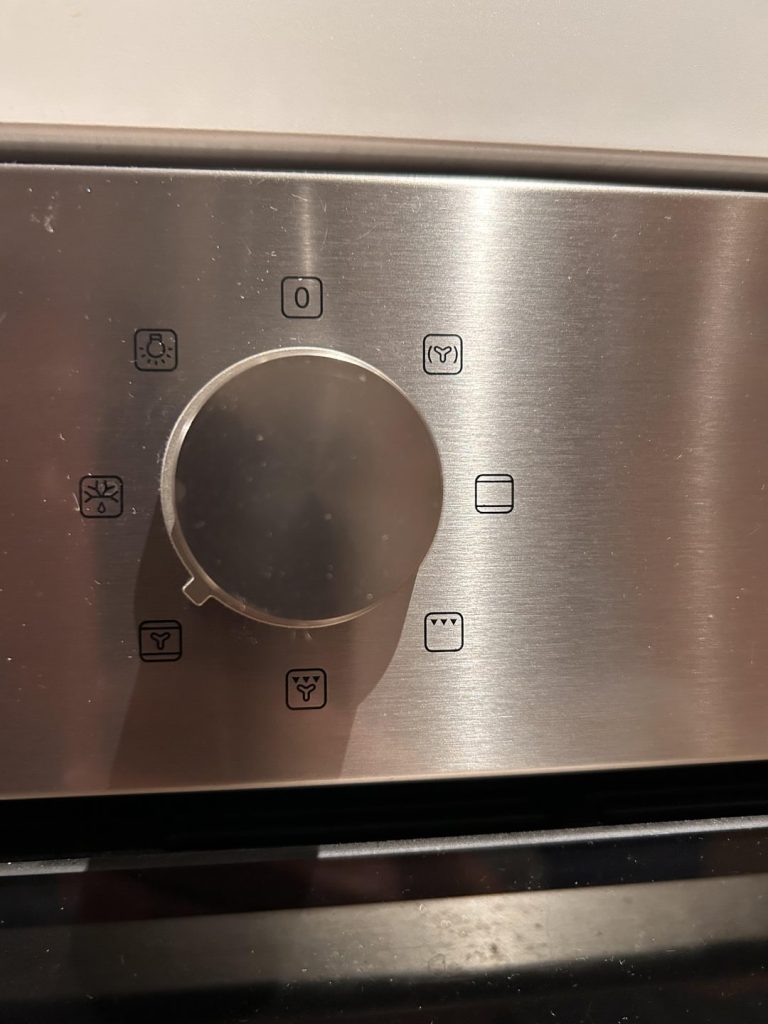
Use the fan oven symbol for pizza. It ensures even heat distribution and crisp crust. Preheat the oven to 220°C (428°F) for optimal results. Always place pizza on the middle rack for balanced cooking. This method enhances flavor and texture, making your pizza delicious and perfectly baked.
What Setting Do You Put The Oven On To Cook Pizza?
Set the oven to 475°F (245°C) for baking pizza. Use a pizza stone for best results. Preheat the oven to ensure even cooking. Adjust temperature slightly if using different recipes or types of crust. Always monitor to avoid burning.
Conclusion
Finding the best oven setting can elevate your pizza experience. Experimenting with temperature and time makes a big difference. Aim for a crispy crust and gooey cheese. Preheating the oven is crucial for even baking. High heat, around 475°F, often works best.
Keep an eye on your pizza, adjusting as needed. Try different settings to find what you love most. Enjoy the process of perfecting your homemade pizza. Each attempt brings you closer to the ideal slice. With practice, you’ll discover your perfect pizza setting.
Happy baking!








