Affiliate Disclosure: This post may contain affiliate links. If you purchase through links on our site, we may earn an affiliate commission at no extra cost to you.
Craving a juicy, perfectly cooked hamburger? You’re not alone.
Whether you’re planning a backyard barbecue or a simple weeknight dinner, nailing the right temperature is crucial for that mouthwatering bite. Picture this: the sizzle of the grill, the aroma wafting through the air, and the anticipation of sinking your teeth into a burger that’s just right—neither too raw nor overdone.
Getting the temperature spot-on can make the difference between a memorable meal and a disappointing one. Stick around, and you’ll discover the secrets to achieving burger perfection every time. Ready to take your burger game to the next level? Let’s dive in!
Choosing The Right Temperature
Choosing the right temperature for cooking hamburgers is essential. It ensures the burger is juicy, safe, and delicious. Different temperatures bring out different flavors and textures. Knowing the best temperature can elevate your burger game. Let’s explore the ideal cooking temperatures for hamburgers.
Understanding The Importance Of Temperature
Cooking burgers at the right temperature keeps them juicy. Too high and they dry out. Too low, and they might be unsafe. Proper temperature ensures the meat is cooked through. It maintains flavor and texture.
Recommended Cooking Temperatures
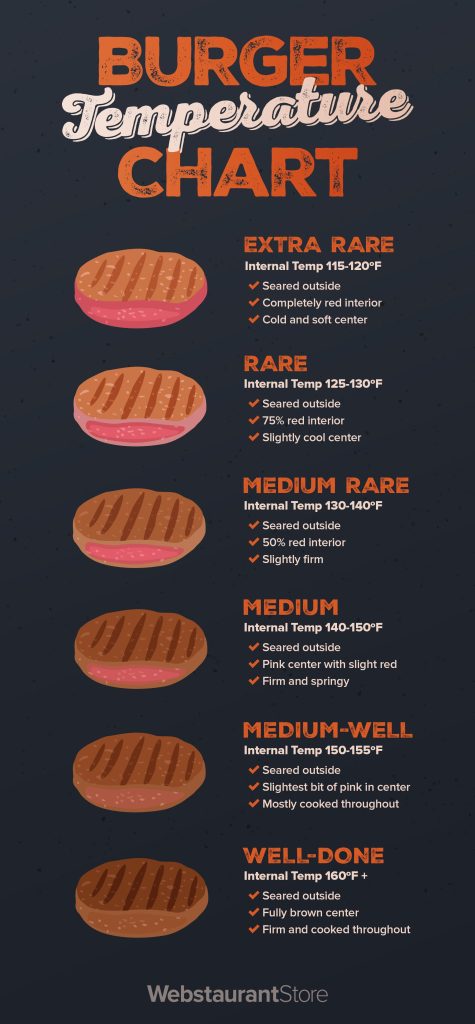
For medium-rare burgers, aim for 130°F to 135°F. This gives a warm, red center. Medium burgers should be cooked to 140°F to 145°F. They have a pink, firm center. For well-done burgers, the temperature should reach 160°F. This ensures a brown, firm center.
Using A Meat Thermometer
A meat thermometer is essential for accuracy. Insert it into the thickest part of the patty. Ensure it doesn’t touch the grill or pan. This guarantees an accurate reading.
Adjusting For Different Cooking Methods
Grilling often requires higher temperatures. This sears the burger, locking in juices. Pan-frying can be done at lower temperatures. It allows for even cooking and browning. Oven-baking provides a consistent heat source. It’s great for large batches of burgers.
Safety Tips For Cooking Hamburgers
Always prioritize food safety. Ground beef should reach 160°F for safety. This kills harmful bacteria. Let burgers rest for a few minutes after cooking. This helps redistribute juices.
Factors Affecting Cooking Temperature
When you’re aiming to cook the perfect hamburger, understanding the factors affecting cooking temperature is crucial. You might think it’s just about throwing a patty on the grill, but there’s more to it. The temperature you choose can make or break your burger experience. Let’s dive into the specifics: meat type, thickness of patties, and cooking equipment. Each element plays a unique role in determining the best temperature for cooking your burgers.
Meat Type
Ever noticed how beef, chicken, and lamb cook differently? That’s because each type of meat has its own characteristics. Beef, for instance, is forgiving and stays juicy even at higher temperatures. Chicken, however, requires careful attention due to its lower fat content. Consider what meat you’re using and adjust your temperature accordingly. Have you ever tried cooking a lamb burger? It’s a whole different ball game!
Thickness Of Patties
The thickness of your patty is another key player. Thicker patties need more time and often a lower temperature to cook evenly without burning. On the other hand, thinner patties can handle higher temperatures for a quick, delicious sear. Imagine biting into a perfectly cooked thick patty—it’s worth the patience. Are your patties too thin to stay juicy?
Cooking Equipment
Your grill or stove has a big impact on cooking temperature. Gas grills provide consistent heat, while charcoal grills can be unpredictable but add a smoky flavor. The equipment you use can change the outcome of your burger. Have you ever tried cooking burgers on a cast-iron skillet? It retains heat well and gives a fantastic crust. Which equipment do you prefer for the perfect sear?
Understanding these factors can transform your burger-cooking skills. Next time you fire up the grill, think about how these elements influence your cooking temperature. Are you ready to elevate your burger game?
Ideal Temperature Range
Cooking hamburgers requires a temperature between 350°F and 400°F. This range ensures juicy and well-cooked patties. Proper heat helps retain flavor and texture, making for a delightful meal.
Cooking the perfect hamburger is an art that hinges significantly on the temperature you choose. Whether you’re flipping burgers on a backyard grill or sizzling them on a stovetop, getting that juicy, flavorful bite means paying close attention to how hot you cook them. The ideal temperature range ensures your burgers are safe to eat while maintaining their desired taste and texture. Let’s dig into the specifics.
Rare To Medium Rare
Cooking hamburgers to a rare or medium-rare level involves temperatures between 120°F to 130°F. At this range, your burger remains quite pink inside, offering a juicy and tender bite. If you enjoy the texture and taste of rare meats, this range is your sweet spot. However, remember that eating rare ground beef carries a higher risk of bacteria. Are you willing to take that chance for ultimate flavor?
Medium To Well Done
Moving up to the medium and well-done spectrum, the temperature climbs from 140°F to 160°F. A medium burger will have a hint of pink and be juicy, while well-done ones are cooked thoroughly with no pink. Many opt for this range for peace of mind, knowing their burger is safer from harmful bacteria. Some folks swear by the crispy, slightly charred exterior of a well-done burger. How do you like yours? For those unsure, here’s a simple guide: – Medium Rare: Juicy and tender, but beware of safety. – Medium: Balance of flavor and safety. – Well Done: Thoroughly cooked, with a crispy exterior. Next time you cook hamburgers, consider how the temperature affects not only the taste but also the safety of your meal. What temperature will you choose for your next burger adventure?
Techniques For Temperature Control
Cooking hamburgers to perfection requires the right temperature. Aim for 160°F for juicy, safe-to-eat burgers. Use a meat thermometer for accuracy and maintain consistent heat on the grill or stovetop.
Cooking the perfect hamburger is an art, and mastering temperature control is a key part of it. Proper temperature management ensures a juicy, flavorful burger every time. Whether you’re grilling in the backyard or cooking on a stovetop, understanding how to control temperature can elevate your hamburger game.
Using A Thermometer
A meat thermometer is your best friend when cooking hamburgers. It takes the guesswork out of determining doneness. Insert the thermometer into the thickest part of the patty. You’re aiming for an internal temperature of 160°F (71°C) for a well-done burger. Why trust your gut when technology can give you precision? A thermometer gives you confidence that your burgers are safe and delicious.
Adjusting Heat Settings
Heat settings are crucial for achieving that perfect sear on the outside while keeping the inside juicy. Start with high heat to create a nice crust, then lower the temperature to cook the patties evenly. Adjusting heat is a skill that comes with practice. Pay attention to how your burgers react to different settings. Ever noticed your burgers are too charred on the outside but raw inside? That’s a sign to tweak your heat settings. Finding the right balance can transform your cooking experience and your final dish. Are your burgers ready to be the star of the dinner table?
Common Mistakes To Avoid
Cooking hamburgers seems simple, but common mistakes often ruin them. Many people struggle with finding the right temperature. This can lead to dry or raw burgers. Avoiding these mistakes ensures juicy, flavorful patties. Understanding temperature plays a key role.
Overheating
Overheating is a frequent mistake when cooking burgers. High heat dries them out quickly. The outside burns while the inside stays raw. Use medium heat to cook burgers evenly. This prevents charring and keeps the meat juicy.
Undercooking
Undercooking burgers is unsafe and unpleasant. Raw meat can harbor bacteria. Ensure the burger reaches an internal temperature of 160°F. This guarantees it is fully cooked and safe to eat. Use a meat thermometer for accuracy.
Safety Considerations
Cooking hamburgers to the right temperature is crucial for safety. Undercooked meat can cause foodborne illnesses. Understanding safe cooking practices ensures delicious and safe hamburgers. This section delves into key safety considerations.
Safe Internal Temperatures
The USDA recommends cooking ground beef to an internal temperature of 160°F. This temperature kills harmful bacteria like E. coli. Use a meat thermometer to check the temperature. Insert it into the center of the burger. Ensure each patty reaches the recommended temperature. Avoid relying on color or texture alone. They can be misleading indicators of doneness.
Food Handling Practices
Proper food handling prevents cross-contamination. Always wash hands before and after handling raw meat. Use separate cutting boards for raw and cooked foods. Clean utensils and surfaces thoroughly. Store raw meat away from other ingredients. Keep it refrigerated until ready to cook. Thaw frozen meat in the fridge, not on the counter. These practices reduce the risk of bacterial spread.
Tips For Perfectly Cooked Burgers
Cooking hamburgers at 160°F ensures juicy and safe patties. Use a meat thermometer to check the temperature. Achieving the right heat helps preserve flavor while preventing overcooking.
Creating the perfect hamburger isn’t just about the ingredients you choose; it’s also about how you cook it. Whether you like your burger rare or well-done, understanding the right techniques can make all the difference. Let’s dive into some tips that will help you achieve a perfectly cooked burger every time.
Resting The Meat
After cooking, resist the urge to serve your burgers immediately. Resting the meat for a few minutes is crucial to keep it juicy. This allows the juices to redistribute, ensuring each bite is flavorful. You might have experienced cutting into a burger only to find the juices spilling out onto the plate. By letting it rest, you prevent this common mishap. A good rule of thumb is to let the burger sit for about five minutes before serving.
Testing For Doneness
How do you know when your burger is cooked to perfection? Using a meat thermometer is the most reliable method. Insert it into the center of the burger to check the temperature. The USDA recommends an internal temperature of 160°F for ground beef to ensure it’s safe to eat. If you prefer a medium-rare burger, aim for 145°F. Trust your thermometer, not just your eyes, to get it right. Consider how you like your burger cooked, and adjust accordingly. Remember that the burger will continue to cook slightly even after you remove it from the grill or pan. Do you have a preferred cooking method or a secret tip for achieving the perfect doneness? Share your thoughts in the comments!
Frequently Asked Questions
What Is The Perfect Temperature To Cook A Hamburger?
Cook a hamburger at 160°F (71°C) to ensure safety and optimal taste. Use a meat thermometer for accuracy. Aim for juicy, well-cooked burgers while preventing undercooking. Adjust grill or pan heat to maintain this temperature consistently. Avoid pressing down on the burger to retain juices.
What Is The 5 6 7 Rule For Burgers?
The 5 6 7 rule for burgers refers to grilling times. Grill burgers for 5 minutes on one side, flip, and cook for 6 minutes. Let them rest for 7 minutes before serving. This method ensures juicy, perfectly cooked burgers every time.
Is It Better To Cook Burgers On High Or Low Heat?
Cook burgers on medium-high heat for a juicy inside and a crispy outside. High heat quickly sears the meat, locking in juices. Avoid low heat as it may dry out the burger. Ensure the internal temperature reaches 160°F for safety.
Enjoy perfectly cooked, delicious burgers!
What Is The 80/20 Rule For Burgers?
The 80/20 rule for burgers suggests using 80% lean meat and 20% fat for juicier, flavorful patties. This blend enhances taste while maintaining moisture during cooking, offering the perfect balance between texture and richness. Ideal for grilling, it ensures a delicious burger experience.
Conclusion
Cooking hamburgers to the right temperature is crucial. It ensures juicy and flavorful patties. Aim for medium heat to cook evenly. Avoid burning or undercooking by checking the internal temperature. A meat thermometer helps achieve the perfect doneness. The ideal temperature is 160°F for safety.
Enjoy burgers with family and friends. Make sure they are cooked well. Experiment with toppings and sauces for variety. Mastering the right temperature makes all the difference. So, fire up that grill. Cook delicious hamburgers every time. Happy grilling!








