Affiliate Disclosure: This post may contain affiliate links. If you purchase through links on our site, we may earn an affiliate commission at no extra cost to you.
Imagine coming home after a long day, eager to enjoy a mouthwatering meal that fills your home with comforting aromas. You’re ready to pop something delicious into the oven, but you’re stumped on what meat to choose.
The right choice can elevate your dinner from good to unforgettable. In this guide, we’ll explore the best meats to cook in your oven, ensuring tender, juicy results every time. You’ll discover options that are not only satisfying but also easy to prepare, making your cooking experience both enjoyable and stress-free.
Let’s dive in and find the perfect meat to transform your next meal into a culinary triumph. Trust us, your taste buds will thank you.
Choosing The Right Cut
Choosing the right cut of meat is crucial for roasting. The oven brings out the best flavors of meat. But not all cuts suit this cooking method. Some cuts become tender and juicy. Others may turn tough and dry. Understanding which cuts work best helps you make the right choice. Let’s explore the factors and popular cuts for roasting.
Factors To Consider
Several factors influence your choice of meat cut. Fat content plays a big role. Fat enhances flavor and moisture. Lean cuts may dry out quickly in the oven. The size of the cut matters too. Smaller cuts cook faster. Larger cuts need more time but can be more flavorful. Bone-in or boneless is another consideration. Bones add flavor but can lengthen cooking time. Always think about these factors before selecting a cut.
Popular Cuts For Roasting
Some cuts are favorites for oven roasting. The beef rib roast is a classic choice. It has enough fat for flavor and tenderness. The pork loin is another popular option. It cooks evenly and remains juicy. For lamb, the leg of lamb is preferred. It offers rich flavor and can be seasoned easily. Chicken lovers often choose the whole bird. It roasts beautifully and provides both dark and white meat.
Preparing Meat For The Oven
Roast beef, chicken, and pork offer great flavor when cooked in the oven. Each type of meat brings unique taste and texture. Preparing them properly enhances their natural juiciness and tenderness.
Preparing meat for the oven is a culinary art that can elevate your dining experience. It’s not just about choosing the right cut but also about how you prepare it. Whether you’re cooking a roast chicken or a beef brisket, the way you marinate, season, and rest your meat can make or break your dish. So, what can you do to ensure your meat turns out juicy and flavorful every time?
Marinating Techniques
Marinating is your secret weapon for adding depth of flavor to meat. A good marinade penetrates the meat, making it tender and flavorful. You might want to experiment with different combinations of herbs, acids, and oils. For chicken, try a yogurt-based marinade with garlic and lemon. Beef benefits from soy sauce and ginger. Timing is crucial. Give your meat enough time to absorb the marinade. Ideally, let it sit overnight in the fridge. But if you’re pressed for time, even a couple of hours can make a difference. What’s your favorite marinade mix?
Seasoning Tips
Seasoning is where you get to be creative. Salt is essential—don’t shy away from using it generously. It enhances the meat’s natural flavors and helps create a delicious crust. Pepper and herbs like rosemary and thyme are classics that work wonders. Consider adding a bit of heat with paprika or chili powder. Fresh garlic can add a punch to your dish. It’s all about balancing flavors. Taste as you go and trust your instincts. What spice combination will you try next?
Resting The Meat
Resting might be the most underrated step in preparing meat. After the meat is out of the oven, let it rest for at least 10-15 minutes. This allows the juices to redistribute, making each bite succulent. Resting also makes carving easier and ensures your dish looks as good as it tastes. A simple tip: cover the meat loosely with foil to keep it warm while resting. Have you noticed the difference in juiciness when you let your meat rest?
Cooking Methods For Juicy Roasts
Imagine pulling a perfectly roasted piece of meat from your oven, its juices glistening and aroma filling the air. Achieving that succulent roast is not just about choosing the right cut of meat; it’s also about using the right cooking method. Let’s dive into some tried-and-true techniques that will ensure your roast is always juicy and flavorful.
Slow Roasting
Slow roasting is the secret to tender meat that melts in your mouth. This method involves cooking the meat at a low temperature over an extended period. Have you ever tried slow roasting a beef brisket? The result is a savory dish with deep flavors that makes you wonder why you didn’t try it sooner.
To start, preheat your oven to around 300°F. Season your meat generously with salt, pepper, and herbs. Place it in a roasting pan and let the magic happen. The low temperature allows the meat’s collagen to break down, making it juicy and tender. Try this with a pork shoulder for an unforgettable meal.
High-temperature Roasting
High-temperature roasting is ideal when you want crispy skin and a juicy interior. This method involves blasting the meat with heat to seal in its juices. Have you ever cooked a chicken at 450°F? The skin crisps up beautifully, while the meat remains moist.
Set your oven to 450°F. Rub your chicken with butter and herbs for extra flavor. Roast it until the skin is golden and the meat is cooked through. This technique works wonders with turkey during holiday feasts. It’s quick, efficient, and delivers impressive results.
Combination Roasting
Sometimes, the best approach is a combination of methods. Combination roasting starts with a high temperature and finishes with a slow roast. Have you tried this with a leg of lamb? The initial high heat seals the juices, while the low finish ensures tenderness.
Begin with a 450°F roast for about 20 minutes. Then, reduce the temperature to 325°F and continue cooking until done. This method is perfect for large cuts of beef or lamb. It balances crispiness with a juicy interior, pleasing even the pickiest of eaters.
So, which method will you try next? Experiment with these techniques to discover your favorite way to enjoy a juicy roast straight from the oven.
Temperature And Timing
Choosing the best meat for oven cooking involves careful temperature and timing. Beef roasts benefit from slow roasting at lower temperatures for tenderness. Chicken is ideal at medium heat to ensure juicy results.
Cooking meat in the oven is an art that blends temperature and timing. These two elements are crucial for achieving the perfect roast. Whether you’re preparing a succulent roast beef or a juicy chicken, getting these factors right can elevate your dish from good to unforgettable.
Internal Temperature Guidelines
The key to perfectly cooked meat is monitoring the internal temperature. Each type of meat has its sweet spot where it reaches the optimal flavor and texture. – Beef: Aim for 145°F for medium-rare. It’s juicy and tender. – Pork: 145°F is perfect, ensuring it’s safe yet juicy. – Chicken: Always cook to 165°F to ensure safety. Using a meat thermometer can help you hit these precise temperatures. It’s a small investment with big returns. Have you ever sliced into a roast only to find it overcooked or underdone? A thermometer can save you from that disappointment.
Cooking Time Estimates
Timing is everything in the kitchen, especially when it comes to oven-cooked meats. – Beef Roast: Plan for about 20 minutes per pound at 350°F. Adjust according to your desired doneness. – Pork Loin: Approximately 25 minutes per pound at 350°F will yield a perfectly cooked roast. – Whole Chicken: Expect it to take about 20 minutes per pound at 375°F. Ensure it’s cooked through by checking the internal temperature. Remember, these are estimates. Your oven and the meat’s initial temperature can affect cooking times. Ever opened the oven to a beautifully browned roast only to find it’s still raw inside? It’s all about balancing time and temperature. Cooking meat in the oven requires attention to detail. Have you ever found yourself wondering if your roast is done? Trust in your thermometer and timing to guide you. With these guidelines, you’re set to create delicious, oven-cooked meats every time.
Tools And Equipment
Selecting the best meat for oven cooking enhances flavor and tenderness. Beef, chicken, and lamb are popular choices for roasting. Tools like meat thermometers ensure perfectly cooked dishes, while quality pans distribute heat evenly.
When you’re preparing the perfect piece of meat in the oven, having the right tools and equipment is crucial. It’s not just about the meat itself; your results depend heavily on what you use to cook it. The right tools can make your cooking process more efficient and your final dish more delicious. Let’s dive into some essential oven tools and equipment that can elevate your meat-cooking game.
Essential Oven Tools
Before you start cooking, make sure your oven is clean and preheated to the right temperature. This ensures even cooking and prevents flavors from being compromised by lingering odors. A sturdy roasting pan is indispensable. It should be heavy-duty and capable of holding the meat without warping. When I first started, I used a flimsy pan, and my roast ended up unevenly cooked. A good-quality pan distributes heat evenly, giving you a perfectly cooked meal. Another tool to consider is a rack for your roasting pan. It elevates the meat, allowing air to circulate underneath, which helps in achieving that crispy skin everyone loves. The first time I used a rack, I was amazed at how it improved the texture of my roast chicken.
Meat Thermometers
No matter how experienced you are, guessing the doneness of meat can be tricky. A meat thermometer is your best ally. It offers precision and peace of mind. Imagine pulling out a roast, only to find it undercooked. A thermometer saves you from this frustration. There are digital and analog meat thermometers available. Digital ones give quick, accurate readings, which is perfect when you need precision. I remember my disbelief when the digital thermometer showed my turkey was done, even when it looked slightly pale. After resting, it was moist and perfectly cooked. Consider an oven-safe thermometer if you want continuous monitoring without opening the oven door. It stays in the meat and shows real-time temperature changes. Have you ever wondered how restaurants achieve consistency? This tool is one of their secrets. Do you use a thermometer? If not, maybe it’s time to reconsider. It could be the key to transforming your oven-cooked meat from mediocre to magnificent. By choosing the right tools and equipment, you can enhance your cooking skills significantly. What tools do you rely on for that perfect oven roast? Share your thoughts and experiences!
Credit: livingthegourmet.com
Tips For Perfect Roasts
Choosing the right meat is key to perfect oven roasts. Beef, lamb, and pork are ideal choices for tender and flavorful results. These meats hold up well to slow cooking, ensuring juicy roasts every time.
Perfecting a roast in the oven can be a rewarding experience, offering a deliciously tender and flavorful dish that brings everyone to the table. Whether you’re new to cooking roasts or looking to refine your technique, understanding the intricacies of roasting can make all the difference. With a few simple tips, you’ll be well on your way to creating a mouthwatering masterpiece every time.
Avoiding Common Mistakes
Roasting meat is an art, but it’s also a science. One common mistake is not allowing your meat to reach room temperature before cooking. Cold meat can lead to uneven cooking. Ensure your oven is properly preheated. An accurate temperature ensures the meat cooks evenly, avoiding dry edges and an undercooked center. Resting the meat after cooking is crucial. It allows the juices to redistribute, making each bite juicy. Resist the urge to cut into it immediately.
Enhancing Flavor
Seasoning is key to a great roast. Generously apply salt and pepper to enhance the natural flavors of the meat. Consider adding garlic, rosemary, or thyme for an aromatic boost. Basting the meat during cooking can add extra flavor. Use the drippings from the pan or a bit of melted butter to keep the meat moist and flavorful. Experiment with marinades or rubs. A simple mixture of olive oil, lemon juice, and herbs can transform your roast into a flavorful sensation. Have you ever tried stuffing your roast? Adding ingredients like herbs, garlic, or even fruits can elevate its taste profile. Cooking a roast isn’t just about following a recipe; it’s about understanding the nuances of meat, heat, and flavor. What will you try to make your next roast unforgettable?
Serving Suggestions
Cooking meat in the oven brings out rich flavors and tender textures. Once cooked, the next step is serving it in a way that delights the senses. This involves pairing the meat with complementary side dishes and presenting it beautifully. Let’s explore some serving suggestions to enhance your oven-cooked meat experience.
Pairing With Side Dishes
Oven-cooked meats pair well with a variety of side dishes. Roast potatoes are a classic choice, adding a crispy contrast to the meat’s tenderness. Steamed vegetables like broccoli or carrots provide a fresh, vibrant touch. Consider a simple green salad with a light vinaigrette for a refreshing side. For a richer option, creamy mashed potatoes or a cheesy gratin can add a comforting element to your meal.
Presentation Tips
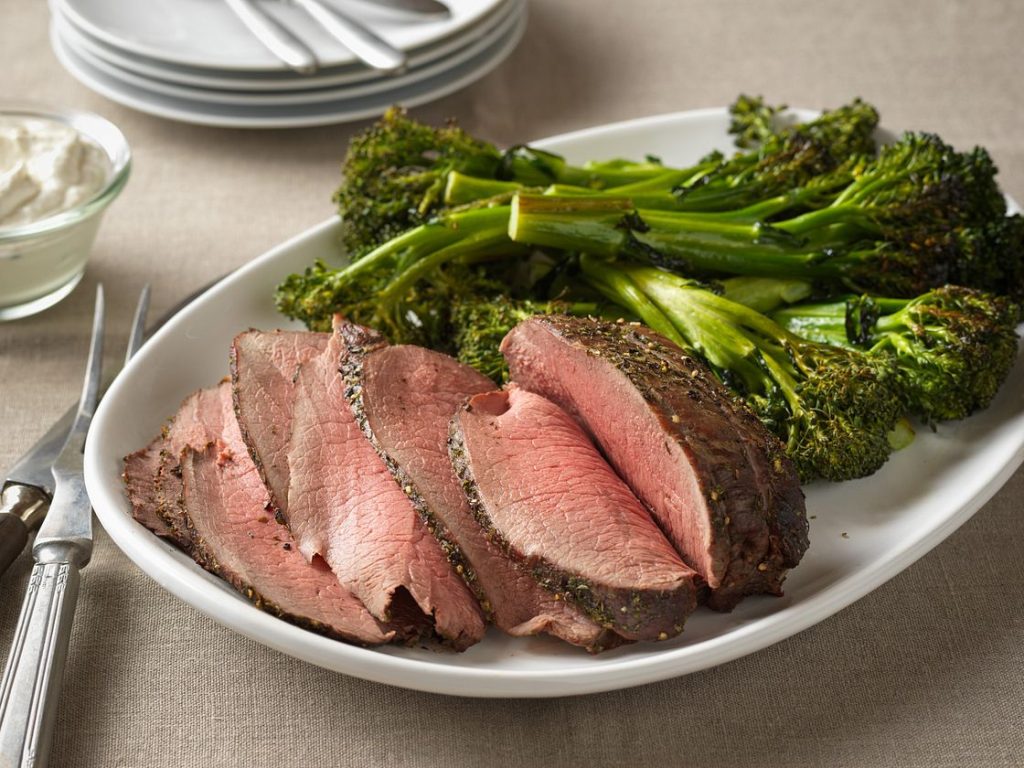
Presentation plays a key role in serving oven-cooked meat. Slice the meat neatly for a clean and elegant look. Arrange the slices on a warm platter to keep them at the right temperature. Garnish with fresh herbs like parsley or rosemary for a pop of color. Use a drizzle of sauce or glaze to add visual appeal and extra flavor. Serve on a large plate with sides arranged around the meat for a balanced presentation. These tips can elevate the dining experience and impress your guests.
Credit: copykat.com
Frequently Asked Questions
What’s The Best Meat To Cook In The Oven?
Chicken, beef, and pork are excellent choices for oven cooking. Roasting enhances flavors and retains juiciness. Chicken breasts and thighs, beef roasts, and pork tenderloin offer delicious results. Ensure even cooking by preheating the oven and using a meat thermometer for optimal doneness.
Enjoy tender, flavorful meals with these meats.
What Is The Best Cut Of Meat For An Oven Roast?
The best cut of meat for an oven roast is the ribeye. It offers rich flavor and tenderness. Sirloin is also a great choice, being lean yet flavorful. For a budget-friendly option, opt for the chuck roast. Each cut delivers a delicious roast when cooked properly.
Which Part Of Beef Is Good For The Oven?
Ribeye, tenderloin, and sirloin cuts are excellent for oven roasting. They offer tenderness and rich flavor. Choose these cuts for juicy, well-cooked beef dishes. Use proper seasoning and cooking time for best results. Enjoy perfectly roasted beef from the oven with these selections.
What Is The Best Cut Of Meat To Cook?
The best cut of meat depends on your cooking method. For grilling, choose ribeye or sirloin. For slow cooking, opt for brisket or chuck roast. Tender cuts like filet mignon are ideal for quick searing. Select the right cut for the best flavor and tenderness.
Conclusion
Choosing the right meat is key for a tasty oven meal. Each type offers unique flavors and textures. Chicken is juicy and cooks quickly. Beef brings rich taste and tenderness. Pork offers versatility with various cuts. Lamb delights with its distinct flavor.
Each option suits different recipes. Always consider cooking time and seasoning. Experiment to find your favorite. Enjoy exploring delicious meals with these meats. Your oven will become your best friend in the kitchen. Happy cooking!








