Affiliate Disclosure: This post may contain affiliate links. If you purchase through links on our site, we may earn an affiliate commission at no extra cost to you.
Are you ready to create the most delicious and juicy turkey you’ve ever tasted? Cooking a turkey in the oven can seem daunting, but with the right recipes, it can be a breeze.
Imagine the tantalizing aroma filling your kitchen and the satisfaction of serving a perfectly cooked turkey to your family and friends. Whether you’re preparing for a holiday feast or simply craving a succulent roast, mastering the art of oven-cooked turkey is within your reach.
In this guide, you’ll discover foolproof recipes that promise to make your turkey the star of the meal. With easy-to-follow steps, you’ll feel confident and excited to get started. Let’s transform your cooking experience and ensure your turkey is the talk of the table!
Choosing The Right Turkey
Finding the perfect turkey is a crucial step. Your choice impacts flavor and texture. It’s essential to consider size, weight, and type. These factors will determine cooking time and taste. Let’s explore how to make the best choice.
Size And Weight Considerations
Size matters when selecting a turkey. Larger turkeys feed more guests. Smaller ones are easier to manage. Consider the number of guests. A pound per person is a good rule. This ensures everyone gets a satisfying portion.
Weight affects cooking time. Heavier turkeys take longer to cook. Plan accordingly for a moist, delicious result. Check your oven’s capacity. Ensure your turkey fits comfortably.
Fresh Vs. Frozen
Fresh turkeys offer superior flavor. They’re often more tender. They require less thawing time. This can save you hours in the kitchen.
Frozen turkeys are more convenient. They’re available year-round. They need to be thawed properly. This requires advance planning. Thawing can take several days. Ensure you have enough time.
Both options have their benefits. Fresh turkeys bring out natural flavors. Frozen ones are practical and reliable. Decide based on your schedule and preference.
Essential Tools And Equipment
Turkey recipes require essential tools like a roasting pan and oven thermometer. A baster and carving knife enhance the cooking experience. These tools ensure your turkey is cooked perfectly in the oven.
Cooking a turkey in the oven can be a rewarding experience, but having the right tools and equipment is key to achieving that perfect roast. Investing in quality kitchen tools not only makes the process easier but also enhances the taste and texture of your turkey. Let’s explore some essential tools that can transform your turkey cooking experience from good to great.
Roasting Pans
A sturdy roasting pan is a must-have for any turkey recipe. It provides even heat distribution, ensuring your turkey cooks uniformly. Look for a pan with a rack that elevates the turkey, allowing hot air to circulate and crisp up the skin. When choosing a roasting pan, consider its size. It should be large enough to hold your turkey comfortably but not so big that the drippings burn. A pan with handles makes it easier to transfer in and out of the oven.
Meat Thermometers
A meat thermometer is an invaluable tool in your turkey-cooking arsenal. It ensures your turkey reaches the safe internal temperature of 165°F, preventing any guesswork. This tool not only guarantees safety but also helps you avoid overcooking, keeping the meat juicy. Opt for a digital instant-read thermometer for quick and accurate readings. Insert it into the thickest part of the turkey’s thigh without touching the bone for the best result. Have you ever experienced the disappointment of carving into a dry turkey? A meat thermometer can save you from that fate. Having these essential tools on hand can make a significant difference in your turkey preparation. Are you ready to elevate your turkey-cooking game with these indispensable tools?
Preparation Techniques
Preparing a turkey for the oven requires careful attention. The key to a delicious turkey lies in the preparation techniques. Whether it’s thawing, cleaning, or trimming, each step plays an important role. A well-prepared turkey ensures even cooking and flavorful results. Let’s dive into these essential techniques.
Thawing The Turkey
Thawing a turkey correctly prevents uneven cooking. For a frozen turkey, plan ahead. Thaw it in the refrigerator. Allow 24 hours for every 4-5 pounds. This slow process keeps the turkey’s texture intact. If short on time, use cold water. Submerge the turkey, changing water every 30 minutes. This method speeds up thawing but demands attention. Never thaw a turkey at room temperature. It increases the risk of bacteria.
Cleaning And Trimming
Cleaning the turkey removes unwanted parts. First, remove the giblets and neck from the cavity. Rinse the turkey under cold water. Pat it dry with paper towels. Ensure the skin is dry for better seasoning adherence. Trimming excess fat improves flavor. Use sharp kitchen scissors for precision. Trimming also enhances presentation. Check the cavity for remaining feathers or pins. Remove them for a smooth surface.
Marinades And Seasonings
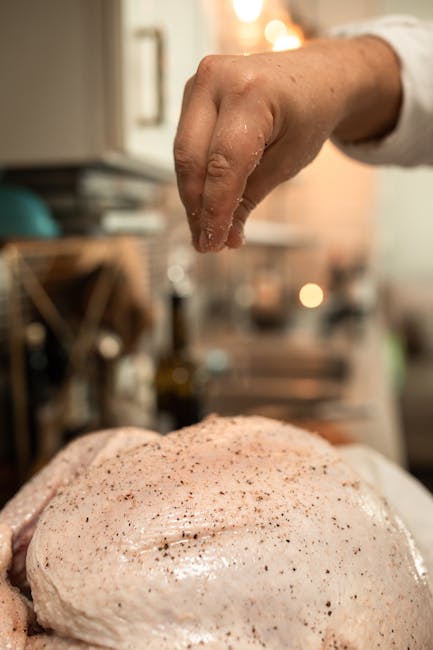
Enhance your turkey’s flavor with marinades and seasonings. Simple ingredients like garlic, herbs, and lemon create delicious recipes. Oven-cooked turkey becomes juicy and tasty, perfect for any occasion.
Cooking a turkey in the oven is a cherished tradition for many families, especially during festive seasons. The secret to a juicy and flavorful turkey often lies in the marinades and seasonings used. These can elevate your dish from ordinary to extraordinary, adding layers of taste that surprise and delight. Whether you prefer classic flavors or adventurous twists, a good marinade can be the game-changer your turkey needs.
Classic Herb Blend
The classic herb blend is a go-to for many home cooks. It’s simple yet packed with flavor. Start with fresh rosemary, thyme, and sage. Chop them finely to release their aromatic oils. Mix these with olive oil, salt, and pepper. You might be surprised how these basic ingredients transform your turkey into a savory masterpiece. I remember my grandmother’s turkey being the talk of every family gathering. Her secret? A generous rub of this classic herb blend.
Citrus And Spice Infusion
Looking to add a bit of zing to your turkey? The citrus and spice infusion might be your answer. Combine orange and lemon zest with a splash of their juices. Add paprika, cumin, and a pinch of cayenne for a spicy kick. Rub this vibrant mix all over the turkey. The citrus brightens the flavors, while the spices add depth. I tried this infusion one Thanksgiving, and the unexpected burst of tangy and spicy flavors had everyone asking for seconds. What kind of taste adventure are you willing to embark on with your turkey? Experimenting with marinades can be a delightful journey. Whether you stick to the classics or venture into new flavor territories, your turkey can be a culinary masterpiece.
Stuffing Options
Explore delicious stuffing options for your turkey. Consider classic bread stuffing with herbs or wild rice and cranberry mix. Enhance flavors with nuts, apples, or sausage for a unique twist.
Cooking a turkey in the oven can be a delightful experience, especially when you add a flavorful stuffing. Choosing the right stuffing option can elevate your turkey from good to unforgettable. Whether you’re a traditionalist or someone who loves to experiment with flavors, stuffing options provide a perfect canvas for creativity. Remember the times when you bit into a turkey, and the stuffing was the star of the show? Let’s make that happen again.
Traditional Bread Stuffing
Many people swear by traditional bread stuffing. It’s a classic choice that brings comfort and familiarity to the table. This stuffing typically includes cubes of bread, celery, onions, and a mix of savory herbs. You can use white bread, whole grain, or even a mix of both. Adding chicken broth keeps it moist and flavorful. Consider adding walnuts or cranberries for a twist. Imagine the aroma filling your kitchen, evoking memories of past holiday feasts.
Wild Rice And Mushroom Mix
Looking to try something different? Wild rice and mushroom stuffing can be a game-changer. This option is perfect if you prefer earthy flavors and want to offer something unique. Wild rice provides a nutty taste and chewy texture, complementing the mushrooms’ umami flavor. Adding fresh herbs like thyme or sage enhances the taste. Remember the time you tried a stuffing that left everyone asking for the recipe? This mix might just be that recipe for you. Which stuffing option will you choose to impress your guests this time?
Cooking Methods
Choosing the right cooking method can make your turkey delicious. Each method brings unique flavors and textures. Whether you prefer traditional techniques or modern twists, understanding each method is key. Let’s explore some of the best ways to cook a turkey in the oven.
Traditional Roasting
Traditional roasting is a classic method for cooking turkey. It involves cooking the turkey at a steady temperature. This method gives the turkey a crispy skin. The meat inside stays juicy and tender. To start, preheat your oven to 350°F (175°C). Place the turkey on a roasting rack. This helps air circulate and cook the bird evenly. Baste the turkey every 30 minutes for extra moisture. A meat thermometer ensures the turkey is cooked perfectly. Aim for an internal temperature of 165°F (74°C). This method is perfect for those who love a golden-brown turkey.
Low And Slow Technique
The low and slow technique is a gentle cooking method. It involves cooking the turkey at a lower temperature for longer. This process makes the meat incredibly tender. Set your oven to 250°F (121°C). Place the turkey in a roasting pan with some broth. Cover it with aluminum foil to keep the moisture in. Cook the turkey for about 30 minutes per pound. This might take longer than traditional roasting. But the result is worth the wait. The meat falls off the bone and is full of flavor. This method is great for those with extra time.
Tips For Juicy Meat
Preparing a turkey that is juicy and flavorful can seem daunting. But with a few tips, you can ensure delicious results. The key is to focus on basting and resting. These methods help retain moisture and enhance flavor. Let’s dive into these essential tips for juicy turkey meat.
Basting Strategies
Basting involves brushing the turkey with its juices. This process keeps the meat moist and flavorful. Use a baster or spoon every 30 minutes. Baste the breast and thighs for even coverage. Avoid opening the oven too often, though. This can reduce the oven’s temperature. Maintain a stable cooking environment for optimal results.
Resting The Turkey
Resting the turkey after cooking is crucial. It allows the juices to redistribute. Rest the turkey for at least 20 minutes. Cover it loosely with foil to keep it warm. This step ensures the meat stays juicy when sliced. Skipping this can lead to dry turkey. So, take your time and let it rest.
Flavor Enhancements
Discover the secrets to juicy turkey with flavorful enhancements. Spice rubs, citrus, and herbs elevate your oven-roasted turkey recipe. Enjoy a delicious, aromatic feast that impresses everyone at the table.
Cooking a turkey in the oven is an art that goes beyond just the basic roast. Flavor enhancements can turn your turkey from a simple main dish to a memorable masterpiece. By adding subtle yet impactful elements, you can elevate the taste and experience of your holiday meal. Let’s dive into how you can make your turkey the star of the table with unique flavor enhancements.
Using Aromatics
Imagine the scent of fresh rosemary and thyme filling your kitchen. These aromatics aren’t just for fragrance—they’re key to infusing your turkey with deep, earthy flavors. You can stuff the turkey cavity with a bouquet of herbs like sage and parsley. Adding chopped onions, garlic, and even citrus like lemon or orange can bring a bright note to the meat. Do you have a favorite herb or spice that reminds you of home? Try adding it to the mix and see how it transforms the turkey’s flavor profile.
Glazing Techniques
Glazing is a game-changer for turkey skin. A well-applied glaze can add depth and richness to each bite. Honey, maple syrup, or brown sugar can create a sweet, caramelized coating that complements the savory meat. Consider mixing these with soy sauce or balsamic vinegar for a tangy twist. What if you could taste a hint of coffee or bourbon in your turkey? Adding a splash of these to your glaze can introduce unexpected, delightful flavors. Experiment with different combinations and discover what makes your taste buds dance. Glazing is not just a method—it’s a canvas for your culinary creativity. By focusing on aromatics and glazing techniques, you can create a turkey that’s not only delicious but unforgettable. These flavor enhancements are simple yet effective ways to impress your guests and make your holiday celebration stand out. What new flavor twist will you try this year?
Serving Suggestions
Cooking a turkey in the oven can be a rewarding experience, but knowing how to serve it perfectly is key to impressing your guests. Serving suggestions go beyond just presenting the turkey; they enhance the overall dining experience. Whether you’re hosting a small family gathering or a festive celebration, understanding how to carve your turkey and pair it with delightful side dishes will elevate your meal.
Carving The Turkey
Carving a turkey is an art that requires patience and precision. Begin by letting the turkey rest for about 20 minutes after it’s out of the oven. This helps the juices settle, making it easier to slice.
Start by removing the legs. Hold the drumstick and cut through the joint. Next, slice the breast meat in even strokes, ensuring each piece has a bit of crispy skin.
Imagine the delight on your guests’ faces when they see perfectly carved slices. Have you ever noticed how a well-carved turkey can make the meal feel more elegant?
Pairing With Side Dishes
Choosing the right side dishes can transform your turkey dinner from ordinary to extraordinary. Think about flavors that complement the rich taste of turkey.
Consider classic options like creamy mashed potatoes or tangy cranberry sauce. These sides not only enhance the taste but also add color to your plate.
Why not try something unexpected, like a quinoa salad with roasted vegetables? What side dish do you think would surprise your guests the most?
Serving a turkey is not just about the main dish; it’s about creating a harmonious meal. With thoughtful carving and well-chosen sides, you’re setting the stage for a memorable gathering. What tips do you find most helpful when serving your turkey? Share your thoughts and let’s inspire each other!
Frequently Asked Questions
What Is The Secret To A Moist Turkey?
Brining the turkey before cooking ensures moisture and flavor. Use a meat thermometer to avoid overcooking. Basting with butter or broth during roasting helps maintain juiciness. Let the turkey rest after cooking to redistribute juices. Choose a fresh, not frozen, turkey for the best results.
Is It Best To Bake A Turkey, Covered Or Uncovered?
Bake the turkey uncovered for crispy skin. Cover it to prevent drying if it browns too quickly. Ensure it cooks evenly by covering initially, then uncovering for the final browning. Use a meat thermometer to check doneness. Adjust oven temperature if necessary for best results.
How Do You Keep Turkey Moist When Cooking In The Oven?
Baste the turkey regularly and cover it with foil. Use a roasting rack and cook at lower temperatures. Avoid overcooking by using a meat thermometer to check doneness. Let it rest before carving to retain juices.
Is It Better To Cook Your Turkey At 325 Or 350?
Cooking turkey at 325°F is preferred for a moist result. Cooking at 350°F can yield a quicker, crispier skin. Choose based on desired texture and cooking time. Lower temperatures ensure tenderness, while higher temperatures enhance crispiness. Always check internal temperature for safety.
Conclusion
Cooking a turkey in the oven can be easy and fun. With these recipes, your turkey will be juicy and tasty. Remember to choose fresh ingredients for the best flavor. Follow each step carefully for perfect results. Enjoy the process and savor the delicious outcome.
Your family and friends will appreciate your effort. Serve with your favorite side dishes for a complete meal. These recipes make any gathering special. Happy cooking and enjoy your meal!








