Affiliate Disclosure: This post may contain affiliate links. If you purchase through links on our site, we may earn an affiliate commission at no extra cost to you.
Are you ready to impress your dinner guests with a meal they’ll be raving about for weeks? Picture this: a perfectly cooked prime rib, juicy and tender with a beautiful crust.
It’s the kind of dish that makes your taste buds dance and your heart sing. If you’ve ever wondered how to achieve that restaurant-quality prime rib right in your own kitchen, you’re in the right place. We’ll guide you through the best recipe for prime rib in the oven, ensuring your roast is nothing short of spectacular.
Whether you’re a seasoned chef or a home cook trying something new, this recipe will become your go-to for special occasions. Get ready to turn your kitchen into a culinary haven and leave your guests craving more. Let’s dive in and discover the secrets to making the ultimate prime rib that will have everyone asking for seconds.
Selecting The Perfect Prime Rib
Selecting the perfect prime rib is crucial for an outstanding dish. This choice impacts flavor, tenderness, and overall satisfaction.
Choosing The Right Cut
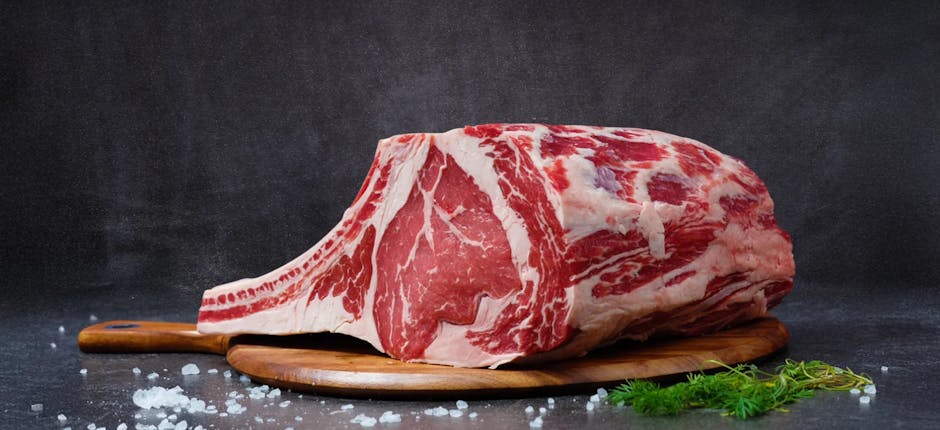
The first step is selecting the right cut. Prime rib comes from the primal rib section, offering rich flavor and tenderness. Look for a cut with good color, indicating freshness. Avoid any cut with a dull appearance or unpleasant odor.
Bone-in Vs. Boneless
Both bone-in and boneless prime rib have their advantages. Bone-in cuts retain moisture and flavor, offering a juicier outcome. The bones act as a natural rack, enhancing cooking. Boneless cuts are easier to carve and serve, perfect for simpler presentations.
Understanding Grades And Marbling
Grades and marbling greatly affect taste and texture. USDA Prime grade has abundant marbling, ensuring succulence. USDA Choice is a great alternative, offering quality at a lower price. Well-distributed marbling enhances juiciness and flavor.
Choose wisely for an unforgettable prime rib experience.
Essential Tools And Ingredients
Creating the best prime rib in the oven requires a meat thermometer and roasting pan. Quality beef, garlic, and fresh herbs form the essential ingredients. Properly seasoning and cooking ensures a tender, flavorful roast perfect for any occasion.
Cooking the perfect prime rib in the oven is an art that requires the right tools and ingredients. Getting these essentials correct can transform your meal into a culinary masterpiece. Whether you’re a seasoned chef or a kitchen novice, knowing what you need is half the battle. Let’s dive into the must-have kitchen tools and key ingredients that will elevate your prime rib to the next level.
Must-have Kitchen Tools
When preparing a prime rib, having the right kitchen tools is crucial for success. A meat thermometer is indispensable to ensure your roast reaches the perfect temperature. Without it, you’re just guessing, and that can lead to disappointing results. You’ll also need a sturdy roasting pan with a rack. The rack keeps the meat elevated, allowing heat to circulate and cook the rib evenly. A sharp carving knife is essential for slicing the roast without tearing the meat. Imagine serving beautifully cut slices instead of butchered chunks—it’s all about presentation.
Key Ingredients For Flavor
The right ingredients can make or break your prime rib. Start with a high-quality prime rib roast. Look for good marbling, as it adds flavor and tenderness. Remember, your dish is only as good as your main ingredient. Don’t underestimate the power of seasonings. A simple blend of kosher salt, freshly ground black pepper, garlic, and rosemary can do wonders. These create a crust that locks in juices and adds depth to every bite. Lastly, consider using butter or olive oil for basting. This keeps the meat moist and enhances its richness. Ever tried a dry prime rib? It’s not pleasant. Adding these fats ensures a luscious, melt-in-your-mouth experience. What tools and ingredients do you swear by when making prime rib? Share your tips in the comments below and let’s create the ultimate guide together!
Preparation Steps
Start by gathering your ingredients. Prepare a blend of herbs and spices for seasoning. Let the rib reach room temperature before roasting.
Preparing a prime rib in the oven is an art that requires precision and patience. The success of your prime rib starts long before it ever hits the heat. By focusing on the preparation steps, you set the stage for a mouthwatering centerpiece that will leave your guests in awe. Whether it’s your first time or you’re a seasoned cook, these steps ensure your prime rib turns out perfectly every time.
Trimming And Tying
The first step is trimming the fat. Although some fat adds flavor, too much can lead to a greasy dish. Trim it down to about a quarter-inch. This allows the seasoning to penetrate the meat, enhancing the flavor profile. Tying the rib is another essential step. Use kitchen twine to maintain its shape during cooking. This ensures even cooking and a uniform presentation. Tying might seem like an extra step, but it’s crucial for that picture-perfect prime rib.
Seasoning Techniques
Seasoning can make or break your prime rib. A simple blend of salt, pepper, and garlic often does the trick. Rub it generously over the meat, ensuring every inch is covered. Consider adding herbs like rosemary or thyme for an aromatic twist. You can even create a paste with olive oil to help the herbs and spices stick better. The key is to season well in advance, letting the flavors deeply infuse into the meat.
Bringing To Room Temperature
This step might be overlooked, but it is vital. Allowing the meat to come to room temperature ensures even cooking. Cold meat in a hot oven leads to uneven results. Take the rib out of the fridge at least an hour before cooking. This patience pays off in tenderness and juiciness. Have you ever wondered why some ribs are juicier than others? This step is often the secret. By carefully following these preparation steps, you’re not just cooking a meal—you’re creating a culinary masterpiece. Have you ever tried these techniques, or do you have your own secret methods? Share your thoughts!
Cooking Techniques
Roasting prime rib in the oven creates tender, juicy meat with a flavorful crust. Preheat the oven to 450°F, season the rib, and cook to desired doneness. Rest before slicing for best results.
Cooking a prime rib in the oven can be an art form. The methods you choose can greatly impact the tenderness and flavor of your roast. Whether you’re hosting a holiday gathering or simply indulging in a luxurious weekend meal, understanding the key cooking techniques is essential to ensure your prime rib turns out perfectly every time. Let’s dive into some proven methods and insights that will elevate your prime rib cooking game.
Low And Slow Method
The low and slow method is a classic approach for prime rib. Cooking at a lower temperature allows the meat to retain moisture, resulting in a juicy and tender texture. Picture this: you set your oven to 225°F, letting the prime rib cook gently over several hours. This patience pays off as the flavors deepen and the meat becomes incredibly succulent. You’ve probably heard that good things come to those who wait. This method embodies that philosophy, rewarding you with a melt-in-your-mouth experience.
Reverse Sear Technique
The reverse sear technique flips the traditional searing process. Instead of searing first, you cook the prime rib at a low temperature until nearly done, then finish with a high-heat sear. Imagine pulling your prime rib from the oven, almost ready to serve, and then giving it a quick sear in a sizzling hot pan. This final touch creates a caramelized crust that contrasts beautifully with the tender interior. This technique is perfect if you love a crisp, flavorful outer layer without sacrificing the juicy center.
Monitoring Internal Temperature
Monitoring the internal temperature is crucial for achieving the perfect doneness. Use a reliable meat thermometer to check the temperature at the thickest part of the roast. Are you aiming for medium rare? Target an internal temperature of 130°F. For medium, go for 140°F. This ensures that your prime rib is cooked to your liking. Avoid guesswork. This simple tool is your best friend in the kitchen, providing peace of mind and precision. Cooking prime rib can be intimidating, but with these techniques, you’ll feel confident and excited. Which method will you choose for your next culinary adventure?
Resting And Carving
Resting and carving are key steps for a tender prime rib. Allow the meat to rest for 20 minutes to seal in juices. Carve with a sharp knife for even slices. This method enhances flavor and texture, making it a delicious centerpiece.
Resting and carving play a crucial role in achieving the perfect prime rib. After cooking, the meat needs to rest. This step ensures juicy and tender slices. Carving, on the other hand, requires precision. Proper techniques guarantee beautiful slices ready for serving.
Importance Of Resting
Resting allows juices to redistribute throughout the meat. Cutting too soon can lead to dry slices. The wait time should be about 20 minutes. This period helps the prime rib retain its flavors. During resting, cover the meat lightly with foil. This keeps it warm without over-steaming.
Carving Tips For Perfect Slices
Use a sharp knife for clean cuts. Ensure the blade is long enough for smooth slicing. Begin by removing the bones if present. Slice against the grain for tenderness. This method results in easier chewing. Aim for even thickness in each slice. This enhances presentation and eating experience.
Serving Suggestions
Pair the oven-roasted prime rib with creamy mashed potatoes and fresh green beans for a classic dinner. Add a side of au jus or horseradish sauce to enhance the flavors. A crisp salad can offer a refreshing balance to the rich, succulent meat.
Serving a perfectly cooked prime rib is just the beginning of an unforgettable meal. The right accompaniments can elevate your dish, turning a simple dinner into a culinary celebration. Whether you’re hosting a holiday feast or a special family gathering, let’s look at some serving suggestions that will complement your prime rib and leave your guests asking for seconds.
Ideal Side Dishes
Selecting the perfect side dishes for your prime rib involves balancing flavors and textures. Classic choices like creamy mashed potatoes or roasted garlic potatoes work wonders. Their smooth texture pairs beautifully with the juicy, tender meat. Consider adding some vibrant greens to your spread. Steamed asparagus or sautéed green beans add a fresh crunch and a splash of color to your plate. They also provide a healthy balance to the richness of the prime rib. If you’re feeling adventurous, try a tangy horseradish sauce or a sweet cranberry relish. These condiments add a flavorful twist and can surprise your guests with their unique taste profiles. What unexpected side will you try next?
Wine Pairings
Pairing your prime rib with the right wine can enhance the dining experience. A robust red wine like Cabernet Sauvignon is a classic choice. Its bold flavors match the richness of the meat, creating a harmonious blend. Merlot is another excellent option. Its soft, fruity notes complement the savory flavors of the prime rib without overpowering them. This wine is perfect if you prefer something a bit smoother. For white wine lovers, a full-bodied Chardonnay can be a delightful surprise. Its buttery texture and subtle oakiness can balance the dish’s richness. Have you ever tried a white wine with red meat? It might just become your new favorite pairing. Incorporating these serving suggestions can transform your prime rib dinner into an exquisite meal. With the right sides and wine, you’ll create a memorable dining experience that your guests will cherish. What’s your go-to side or wine for prime rib? Share your insights in the comments!
Troubleshooting Common Issues
Preparing the best prime rib in the oven can face some common issues. Sometimes uneven cooking or dryness occurs. Adjust oven temperature and use a meat thermometer for perfect results.
Preparing the perfect prime rib in the oven can sometimes feel like a delicate balancing act. You want that beautiful crust on the outside and a juicy, tender inside. But what if things don’t go as planned?
Avoiding Overcooking
One moment can make all the difference between a succulent prime rib and a dry, chewy disappointment. Always use a reliable meat thermometer to track the internal temperature. Pull the rib roast from the oven when it reaches 5 degrees below your target temperature. Remember, the meat continues to cook even after you take it out. Letting it rest is crucial. Aim for a 20 to 30-minute resting period before carving. This allows the juices to redistribute, ensuring each slice is moist and flavorful. Have you ever impatiently cut into a roast only to find it’s too dry? Resist the urge next time and see the difference!
Handling Undercooked Meat
What if you carve into your prime rib, and it’s still too pink for comfort? Don’t panic. Simply return it to the oven at a lower temperature, around 300°F, and check every 10 minutes. Using foil can help retain moisture while it finishes cooking. This method prevents the dreaded overcooked exterior while bringing the inside up to the right doneness. Consider slicing and searing individual pieces in a hot pan if you’re in a pinch. This can quickly bring the meat to your desired doneness without overcooking the rest. How many times have you wished for a quick fix when guests are waiting? Now you have it! Cooking prime rib to perfection is an art, but with these tips, you can troubleshoot common issues like a pro. What are your go-to tricks for ensuring a flawless prime rib? Let’s hear them!
Frequently Asked Questions
What Is The Trick To Cooking Prime Rib In The Oven?
Start with a well-seasoned prime rib. Cook at 450°F for 15 minutes. Reduce to 325°F, and roast until desired doneness. Use a meat thermometer for accuracy. Let it rest for 15-20 minutes before carving. This ensures juicy, tender meat with a flavorful crust.
Should You Bake Prime Rib Covered Or Uncovered?
Bake prime rib uncovered for a perfect crust. This method allows the meat to brown evenly. Keep it uncovered in the oven at a consistent temperature for best results. Use a meat thermometer to ensure it reaches your desired doneness.
Enjoy a juicy, flavorful prime rib every time.
What Is The Most Important Thing To Do Before Roasting A Prime Rib Roast?
Let the prime rib roast reach room temperature before cooking. This ensures even cooking and better flavor.
How Do You Get The Best Flavor On Prime Rib?
Season the prime rib with salt and pepper generously. Let it rest at room temperature before roasting. Use a high-temperature sear, then cook slowly at a low temperature. Incorporate herbs like rosemary and thyme for added aroma. Let it rest before slicing to retain juices.
Conclusion
Cooking prime rib in the oven is easier than you think. This recipe ensures juicy and tender meat every time. Just follow the steps carefully. Your guests will love the rich flavors and mouth-watering aroma. Remember to let the meat rest before slicing.
This keeps the juices locked in. Serve with your favorite sides for a complete meal. Perfect for holidays or special occasions. Make your dinner unforgettable with this simple recipe. Enjoy the compliments from your satisfied guests. Happy cooking!








