Affiliate Disclosure: This post may contain affiliate links. If you purchase through links on our site, we may earn an affiliate commission at no extra cost to you.
Are your Brussels sprouts turning out less than delightful? The secret to achieving that perfect balance of crispy exterior and tender interior lies in the oven temperature.
You might be surprised at how a simple adjustment can elevate your dish from ordinary to extraordinary. Imagine the satisfaction of biting into perfectly roasted Brussels sprouts, with the right amount of crispiness and flavor that leaves you wanting more.
In this post, we’ll uncover the best oven temperature for Brussels sprouts to make sure they’re always a hit at your table. Get ready to transform your cooking routine and impress with every bite. Curious to know how? Keep reading to unlock the secrets of perfect roasting.
Ideal Temperature For Roasting
Roasting Brussels sprouts can transform this humble vegetable into a crispy, flavorful delight. But achieving that perfect texture and taste depends largely on the oven temperature. The right heat can make all the difference between sprouts that are tender and those that are charred or soggy.
Setting your oven to the right temperature is crucial for roasting Brussels sprouts. A temperature of 400°F (200°C) is often considered ideal. It allows the sprouts to cook evenly, while their edges crisp up to a golden brown.
Have you ever tried roasting at a lower temperature, like 350°F (175°C)? You might notice that while the sprouts cook through, they miss that delightful crunch. The higher heat ensures they caramelize perfectly, bringing out a sweet, nutty flavor.
Think about your preferred texture. Do you like them crispy? A higher temperature, around 425°F (220°C), can enhance the crispiness of the outer leaves. But be cautious; they can burn quickly at this temperature.
Why 400°f Is Often The Sweet Spot
At 400°F, Brussels sprouts have enough heat to cook internally while developing a crispy exterior. This temperature balances both the moisture inside and the desired texture outside.
Using this temperature, you can roast sprouts for about 20-30 minutes. Keep an eye on them and stir occasionally. This ensures even cooking and prevents burning.
Ever felt disappointed with mushy sprouts? Adjusting the temperature might be the key. If they seem too soft, try increasing the heat slightly. This can give them the crispiness you crave.
Adjusting For Personal Taste
Do you enjoy experimenting in the kitchen? You can tweak the temperature based on your taste preference. If 400°F isn’t yielding the results you want, try 375°F for a softer texture or 425°F for extra crunch.
Remember, oven temperatures can vary. If your sprouts aren’t turning out as expected, check your oven’s calibration. Sometimes, the oven doesn’t heat to the temperature it displays, affecting your results.
Have you ever considered adding a splash of balsamic vinegar before roasting? This can enhance the sprouts’ sweetness, especially at the ideal roasting temperature. Personal touches like this can elevate your dish.
Finding the ideal oven temperature for roasting Brussels sprouts can be a game-changer. Whether you prefer them tender or crispy, starting with 400°F and adjusting to your liking can make all the difference.
What temperature do you find works best for your Brussels sprouts? Share your thoughts and experiences in the comments below. Your insights might be the key to someone’s perfect roast!
Benefits Of Roasting At High Heat
Roasting Brussels sprouts at high heat enhances their flavor and texture. A temperature of 425°F creates crispy, caramelized edges while keeping the inside tender. This method brings out a nutty taste, making Brussels sprouts a delicious side dish.
Roasting Brussels sprouts at high heat can transform this humble vegetable into a delicious and crispy delight. High heat brings out the natural sweetness and nutty flavors, turning each bite into a mouthwatering experience. This cooking method not only enhances taste but also retains essential nutrients.
Why High Heat Works Wonders
High heat caramelizes the Brussels sprouts, creating crispy edges and a tender inside. This contrast in texture can make even the pickiest eaters fall in love with this veggie. The golden-brown crust is the result of Maillard reaction, a chemical reaction that occurs at high temperatures, enhancing flavor.
Quick Cooking Time
Roasting at high temperatures, such as 425°F (220°C), significantly reduces cooking time. Within just 20-25 minutes, you can have perfectly cooked Brussels sprouts on your table. This quick turnaround is perfect for busy weeknights or impromptu dinner parties.
Enhanced Flavor And Texture
High heat roasting helps to concentrate the flavors of Brussels sprouts, offering a deeper taste. The outer leaves become irresistibly crispy, while the inside remains soft. This balance makes them a perfect side dish for various main courses.
Retaining Nutrients
Contrary to boiling, roasting at high temperatures helps retain more nutrients. The quick cooking time ensures that vitamins and minerals are preserved, making roasted Brussels sprouts a healthy option. You’ll get to enjoy not only the taste but also the nutritional benefits.
Personal Touches Matter
I remember the first time I roasted Brussels sprouts at high heat. I was skeptical, but the crispy, caramelized edges won me over. Adding a sprinkle of garlic powder and a dash of lemon juice made them my family’s favorite side dish. Have you tried adding your own twist?
Experiment With Add-ons
Consider tossing your Brussels sprouts with different ingredients before roasting. A drizzle of balsamic vinegar or honey can add a sweet touch. Alternatively, sprinkle with parmesan cheese for a savory finish. What unique flavors will you try? Roasting Brussels sprouts at high heat doesn’t just cook them—it elevates them. Give it a try and see how this simple technique can enhance your meals. What are you waiting for? Get your oven ready and enjoy the benefits of high-heat roasting.
Low Temperature Roasting Effects
Roasting Brussels sprouts at a low temperature, around 350°F, enhances their flavor. This gentle heat retains nutrients and keeps them tender. Perfectly caramelized, they offer a delightful balance of sweetness and crunch.
Roasting Brussels sprouts at low temperatures can bring out a unique set of flavors and textures. This method can transform these little green gems into a soft, tender delight, with a subtle sweetness that surprises many. If you’re used to high-heat roasting, trying a lower temperature could be a game-changer for your dinner table.
The Science Behind Low Temperature Roasting
Roasting Brussels sprouts at a lower temperature, such as 300°F (150°C), allows for a slower cooking process. This slow roast can break down the natural sugars in Brussels sprouts more gradually, enhancing their sweetness. It also ensures they cook evenly, reducing the risk of burning and bitterness.
Achieving Tender Texture
Low-temperature roasting ensures that Brussels sprouts become tender all the way through. The slower heat allows the insides to soften without charring the outer leaves. This method is perfect if you prefer sprouts that are less crispy and more buttery.
Flavor Enhancement
Have you ever noticed how some Brussels sprouts can taste bitter? Low temperature roasting can minimize this. By cooking them slowly, you allow the sprouts’ natural flavors to develop more fully, offering a milder, more pleasant taste.
Cooking Duration
You’ll need to adjust your timing when roasting at a low temperature. Expect to leave your Brussels sprouts in the oven for about 40 to 50 minutes. Check them periodically to ensure they are cooking to your liking.
Personal Experience With Low Temperature Roasting
Once, I tried low-temperature roasting for a holiday meal, curious about the difference it might make. The sprouts turned out incredibly tender, with a sweetness that complemented the other dishes perfectly. It was a hit, prompting even the skeptics to reach for seconds.
Pairing With Seasonings
Low-temperature roasting pairs beautifully with a variety of seasonings. Try tossing your Brussels sprouts with olive oil, garlic, and a sprinkle of salt. You might be surprised at how much the flavors meld together over a longer roasting time.
Your Next Step
Are you ready to experiment with low-temperature roasting? It might just become your new favorite way to prepare Brussels sprouts. Give it a try and discover how this method can transform your meals.
Preparation Tips
Roasting Brussels sprouts at 400°F ensures a crispy outside and tender inside. This temperature enhances their natural flavors. For even cooking, spread them out on the baking sheet.
Getting the perfect oven temperature for Brussels sprouts is just one part of making them delicious. How you prepare them before they hit the oven can make all the difference. Let’s dive into some simple preparation tips that can elevate your Brussels sprouts from bland to brilliant.
Choosing Fresh Sprouts
Selecting fresh Brussels sprouts is your first step. Look for small, firm, and bright green sprouts. They should feel dense and compact when you hold them. Avoid any with yellowing leaves or black spots. These are signs that the sprouts are old and won’t have the best flavor. Trust your senses—if they smell off, they probably are.
Proper Cleaning And Trimming
Before cooking, give your Brussels sprouts a good rinse. You want to remove any dirt or pesticides. Even if you think they’re clean, a quick wash never hurts. After washing, it’s time to trim. Cut off the tough stem end and remove any discolored or loose outer leaves. This helps them cook evenly and ensures every bite is delicious. Now, a quick question for you: Do you slice them in half or leave them whole? Slicing them allows for a crispier finish, while whole sprouts maintain a tender inside. Consider your preference and experiment to find out what you love most. These small preparation steps might seem trivial, but they set the foundation for a great dish. Next time you prep your Brussels sprouts, try these tips and notice the difference.
Seasoning Suggestions
Brussel sprouts can be a divisive vegetable, but with the right seasoning, they can turn into a crowd-pleaser. Cooking them at the best oven temperature can make them crispy on the outside and tender on the inside, but seasoning is what gives them life. Let’s dive into some delightful seasoning suggestions that can elevate your brussel sprouts from ordinary to extraordinary.
Basic Salt And Pepper
Sometimes, simplicity is key. A generous sprinkle of salt and freshly cracked black pepper can enhance the natural flavors of brussel sprouts. This classic combination lets the earthy taste of the sprouts shine through. I remember the first time I tried this basic seasoning; it was a revelation in simplicity. Have you ever wondered why sometimes less is more?
Herbs And Spices
Adding herbs like thyme, rosemary, or basil can create a fragrant bouquet that pairs beautifully with brussel sprouts. Try a pinch of smoked paprika for a hint of smokiness. Or maybe some garlic powder for a savory kick. These additions can transform your dish into something aromatic and inviting. What herbs or spices would you choose to create your signature brussel sprout dish?
Adding A Crunch
Texture is as important as taste. To add a satisfying crunch, toss in some chopped nuts like almonds or pecans before roasting. Or sprinkle breadcrumbs on top for a crispy finish. I once threw in some sunflower seeds, and the added texture made the dish irresistible. How do you plan to add an unexpected crunch to your brussel sprouts?
Cooking Techniques
Cooking Brussels sprouts to perfection involves using the right techniques. The right oven temperature ensures they are crispy outside and tender inside. Achieving this balance elevates their natural flavors. Mastering these techniques is key to delicious results.
Using A Baking Sheet
A baking sheet is essential for roasting Brussels sprouts. It allows even cooking and browning. Choose a sturdy, non-stick sheet for best results. Arrange the sprouts with space between them. This helps them roast rather than steam.
Single Layer Importance
Place Brussels sprouts in a single layer for even cooking. Crowding the pan leads to steaming, not roasting. This affects texture and taste. A single layer ensures a crispy, golden finish. This method enhances flavor and appearance.
Checking For Doneness
Roasting Brussels sprouts to perfection requires checking for doneness. This step ensures they are cooked right. Brussels sprouts should be tender inside and crispy outside. Knowing when they reach this stage is crucial for flavor and texture. Let’s explore how to check for doneness using visual cues and taste testing.
Visual Cues
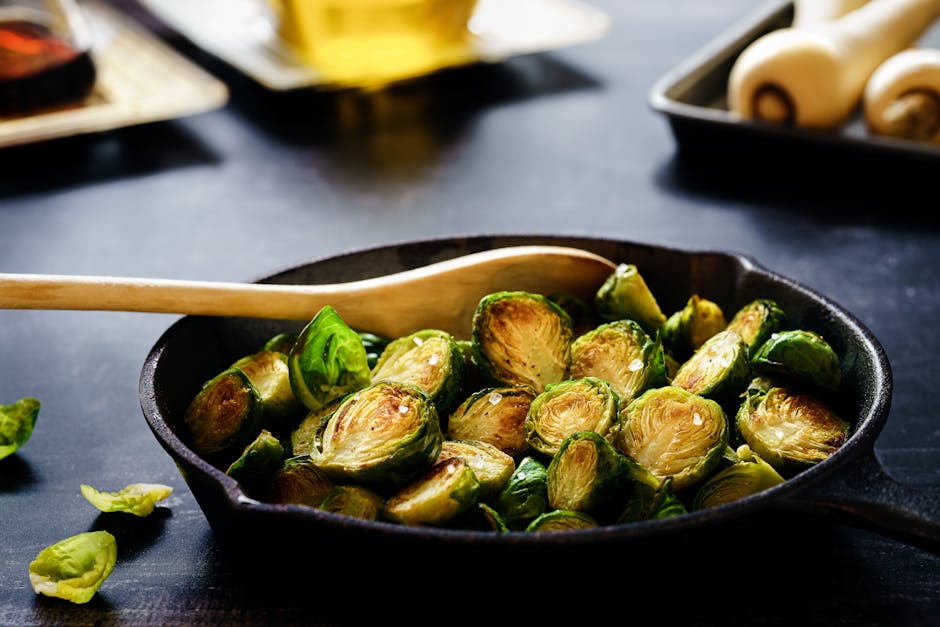
Visual cues help determine if Brussels sprouts are done. Look for a golden-brown color. This indicates caramelization, adding depth to their flavor. The outer leaves should appear crispy. Check for a slight char on the edges. This shows they are roasted well. Avoid sprouts that look too dark. Overcooking leads to bitterness.
Taste Testing
Taste testing is another way to check doneness. Take a small bite. The inside should be tender, not mushy. Sprouts should have a slight nutty flavor. A bit of crunch should remain in the center. This means they are roasted well. Ensure they are neither too firm nor too soft. A well-cooked Brussels sprout balances these textures.
Common Mistakes
Cooking Brussels sprouts to perfection can be a challenge, especially when it comes to oven temperature. Many people make common mistakes that can transform these delicious veggies into a soggy mess or leave them unevenly cooked. Let’s explore some of these pitfalls so you can avoid them and enjoy crispy, flavorful Brussels sprouts.
Overcrowding The Pan
One of the biggest mistakes is overcrowding the pan. When Brussels sprouts are packed too tightly, they steam instead of roast. This leaves them mushy rather than crisp.
Imagine trying to brown a steak while surrounded by other steaks. There’s no room to breathe!
Give each sprout enough space to ensure a golden, crispy exterior. Use a larger pan or roast in batches if needed.
Skipping Preheating
Another common error is skipping preheating. A cold oven means longer cooking times and uneven results.
Think about how you feel jumping into a cold shower instead of a warm one. It’s a shock to the system!
Preheating the oven helps Brussels sprouts start cooking immediately at the right temperature. You want that instant sizzle to achieve the perfect texture.
Have you ever found yourself making these mistakes? What changes can you make next time you roast Brussels sprouts?
Serving Suggestions
Brussels sprouts are delicious when roasted at the right oven temperature. Once cooked, they can be served in various ways to enhance any meal. Here are some serving suggestions to make your Brussels sprouts stand out.
Pairing With Proteins
Roasted Brussels sprouts pair well with grilled chicken. Their earthy flavor complements the smokiness of the meat. Serve them alongside baked salmon for a nutritious meal. The sprouts’ crunch adds texture to tender fish. Combine them with pork chops for a hearty dinner. Their slight bitterness balances the richness of the pork.
Incorporating Into Salads
Add roasted Brussels sprouts to a fresh salad. They bring depth to mixed greens and veggies. Toss them with spinach and walnuts for a crunchy delight. Their nutty taste complements the salad’s freshness. Mix them with arugula and feta cheese. The cheese’s creaminess contrasts with the sprouts’ crispiness. Use them to enhance a quinoa salad. Their unique flavor makes the dish more exciting.
Frequently Asked Questions
What Temperature Should I Cook My Brussels Sprouts At?
Cook Brussels sprouts at 400°F (200°C) for optimal results. This temperature ensures they roast perfectly. Toss with olive oil, salt, and pepper. Roast for 20-25 minutes until crispy and golden. Stir halfway for even cooking. Enjoy your delicious, healthy Brussels sprouts!
How Long To Keep Brussels Sprouts In The Oven At 400 Degrees?
Bake Brussels sprouts for 25-30 minutes at 400 degrees Fahrenheit. Ensure they turn golden brown and crispy. Toss them halfway through for even cooking. Adjust time based on sprout size and oven performance. Enjoy a delicious, healthy side dish that’s perfect for any meal.
How Long Do You Put Brussels Sprouts In The Oven At 350 Degrees?
Bake Brussels sprouts at 350 degrees for 25-30 minutes. Ensure even cooking by tossing halfway through. Aim for crispy edges and tender centers. Adjust time based on sprout size for best results. Enjoy delicious roasted Brussels sprouts with your favorite seasonings.
Is 450 Too Hot For Brussels Sprouts?
450°F is suitable for roasting Brussels sprouts. It helps achieve a crispy texture. Ensure even spacing on the baking sheet to prevent steaming. Toss with oil and seasonings for best results. Always monitor to avoid burning.
Conclusion
Finding the right oven temperature makes brussel sprouts taste amazing. Roasting at 400°F provides a crispy outside and soft inside. Experiment with different spices for more flavor. Garlic and olive oil are great choices. Try balsamic vinegar for a sweet touch.
Keep an eye on cooking time, around 20-25 minutes works best. Don’t overcrowd the pan. It helps them cook evenly. Enjoy your perfect brussel sprouts as a side dish or snack. Delicious and healthy. A simple way to enhance any meal.
Happy cooking!








