Affiliate Disclosure: This post may contain affiliate links. If you purchase through links on our site, we may earn an affiliate commission at no extra cost to you.
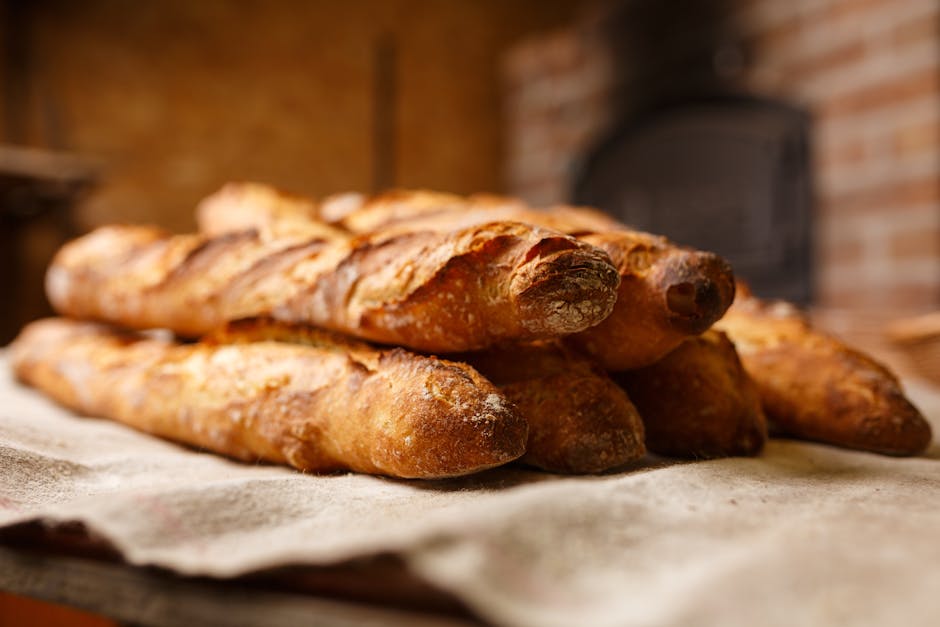
Imagine biting into a crusty, golden loaf of homemade bread, fresh out of the oven. The scent fills your kitchen, and your taste buds tingle in anticipation.
This delightful experience can be yours without the hassle of kneading dough. But first, you need the right tool: a Dutch oven. Choosing the best size Dutch oven for no-knead bread can transform your baking from good to extraordinary. You might be wondering which size will give you that perfect loaf.
Don’t worry; we’ve got you covered. We’ll guide you through the essential details to help you make the ideal choice. So, keep reading to discover how the right Dutch oven can elevate your bread-making skills and make every loaf a masterpiece.
Choosing The Right Size
Selecting the perfect Dutch oven size ensures delightful no-knead bread. A 5-7 quart Dutch oven suits most recipes. This size allows even baking and crust perfection, making it an excellent choice.
Choosing the perfect size Dutch oven for your no-knead bread can make all the difference in achieving that golden crust and airy crumb. It’s not just about the aesthetics of a beautifully baked loaf; the right size ensures even cooking and the best possible rise. So, how do you find the Dutch oven that will become your bread-baking ally?
Factors To Consider
First, think about the size of the bread you want to bake. A larger loaf needs more space to expand. If your Dutch oven is too small, you might end up with a dense and unevenly cooked bread. Consider the capacity in quarts. Generally, a 5 to 6-quart Dutch oven works well for a standard loaf. It provides enough room for the dough to rise without being too spacious, which can cause the loaf to spread too thinly. Also, think about your oven size. A Dutch oven that’s too big for your kitchen oven can be frustrating. Measure your oven before you commit to a larger pot.
Common Sizes Available
Dutch ovens come in various sizes, typically ranging from 3-quart to 7-quart. Each size has its own advantages. – 3-quart: Ideal for baking smaller loaves or if you’re cooking for one or two people. It’s also lighter and easier to handle. – 5-quart: This size is popular for many home bakers. It’s versatile enough for most bread recipes and other cooking needs. – 7-quart: Perfect for larger families or if you want to bake multiple loaves at once. Keep in mind, it’s heavier and requires more storage space.
Personal Experience Insight
I once used a 3-quart Dutch oven for a larger loaf, thinking it would suffice. The dough rose beautifully but ended up sticking to the lid. Lesson learned: always give your dough space to breathe. Is a 7-quart Dutch oven necessary for you? Probably not, unless you often entertain large groups. A 5-quart is usually the sweet spot for most bakers, balancing size and practicality. Next time you plan to bake, consider these points. A little forethought can lead to a perfectly baked, delicious no-knead bread. What size Dutch oven will you choose to elevate your baking game?
Benefits Of Using A Dutch Oven
Choosing the best size Dutch oven for no knead bread is essential for perfect baking. A 5 to 7-quart Dutch oven allows the dough to expand, ensuring a crispy crust and soft interior. This versatile cookware distributes heat evenly, making it ideal for baking bread.
When you’re on a quest to bake the perfect no-knead bread, the Dutch oven is your trusty sidekick. Its design is crafted for creating a crusty, artisan loaf right in your kitchen. But why is it so effective? Let’s dive into the key benefits of using a Dutch oven for bread-making.
Even Heat Distribution
A Dutch oven’s heavy construction means it heats uniformly. This ensures your bread bakes evenly, avoiding those dreaded burnt bottoms or doughy centers. Imagine your bread rising consistently, developing a beautiful crust all around. You can achieve this consistency thanks to the even heat a Dutch oven provides. Have you ever baked bread that was perfect on the outside but raw inside? This is often due to uneven heat, which a Dutch oven helps to mitigate.
Maintaining Moisture
The tight-fitting lid of a Dutch oven traps steam from your bread as it bakes. This steam is crucial for developing a crisp, crackly crust. Without the need for elaborate steam-injection methods, you get professional-quality crusts. It’s like having a mini steam oven in your kitchen! Think about the last time you baked bread without a Dutch oven. Did it lack that bakery-style crust? Using a Dutch oven can transform your homemade loaf into something extraordinary. Incorporating these benefits into your baking routine can elevate your bread-making game. Have you tried using a Dutch oven for your no-knead bread? What was your experience? Share your thoughts and let’s learn from each other.
Expert Recommendations
Choosing the best size Dutch oven for no-knead bread requires careful consideration. An ideal option is a 5 to 6-quart oven, offering enough space for dough expansion and even heat distribution. This size ensures perfect baking results, enhancing the bread’s texture and crust.
When baking no-knead bread, choosing the right Dutch oven size can significantly impact the outcome. Experts often recommend specific sizes to ensure the bread bakes evenly, develops a beautiful crust, and maintains a soft interior. But what makes a particular size the best option? Let’s dive into some expert recommendations and find out which size might work best for you.
Top Picks For No Knead Bread
Bread enthusiasts and seasoned bakers often suggest using a 5-quart Dutch oven for most no-knead bread recipes. This size is versatile, accommodating a standard loaf size with enough room for the dough to expand. A 6-quart Dutch oven is another popular choice. It offers a bit more space, which can be useful if you like to experiment with larger loaves or add extra ingredients like nuts or dried fruits. Some bakers prefer a 3.5-quart Dutch oven for smaller loaves. If you’re baking for one or two, this size can be more efficient, ensuring that your bread bakes quickly and evenly without any excess dough left over.
Pros And Cons Of Each Size
5-quart Dutch Oven – Pros: – Ideal for standard recipes. – Provides even heat distribution. – Versatile for other cooking needs. – Cons: – Might be too large for small batches. 6-quart Dutch Oven – Pros: – Perfect for larger loaves. – Offers more room for experimentation. – Retains heat well for consistent baking. – Cons: – Can be heavy and cumbersome for some users. 3.5-quart Dutch Oven – Pros: – Great for small households. – Heats up quickly. – Easy to handle and store. – Cons: – Limited space for larger or more complex recipes. Have you ever tried baking with a Dutch oven that’s too large or too small? It’s a common mistake that can lead to uneven crusts or undercooked centers. By understanding the strengths and limitations of each size, you can make an informed choice that suits your baking style and needs. Which size aligns with your bread-baking ambitions?
Tips For Using Your Dutch Oven
Choosing the right Dutch oven size is crucial for baking perfect no-knead bread. A 5-quart Dutch oven provides ample space for dough expansion, resulting in a nice crust and texture. Opt for a cast-iron model for even heat distribution and excellent baking results.
If you’re looking to bake the perfect no-knead bread, the size of your Dutch oven plays a pivotal role. But beyond choosing the right size, knowing how to use your Dutch oven effectively can make all the difference in your bread’s crust and texture. Below are some essential tips to help you make the most of your Dutch oven.
Preheating Techniques
Preheating your Dutch oven is a must for achieving that crispy crust. Place the empty Dutch oven in your oven before turning it on. Preheat it for about 30 minutes at the desired baking temperature. This ensures the pot is evenly heated and ready to work its magic on your dough. Consider this: when you drop your dough into a scorching hot pot, it starts baking immediately, locking in moisture and creating steam. Have you ever wondered why professional bakers get such amazing crusts? It’s all in the preheat.
Avoiding Common Mistakes
It’s easy to make simple mistakes that can affect your bread. One common error is forgetting to score the top of your dough. Scoring allows steam to escape and helps the bread expand gracefully. Without it, you might end up with a dense loaf. Another mistake is lifting the lid too early. The lid traps steam, which is crucial for a perfect crust. Wait until the last 10 minutes to remove it. This way, the crust can brown without losing its moisture. Lastly, avoid overcrowding your oven. It might be tempting to bake multiple loaves at once, but it can lead to uneven baking. Give your Dutch oven space to breathe, and you’ll be rewarded with beautifully baked bread. These tips can make your Dutch oven your best ally in the kitchen. Have you tried any of these techniques before? What were your results?
Care And Maintenance
A 5-quart Dutch oven is perfect for baking no knead bread, offering ideal space and heat distribution. Regular cleaning and seasoning ensure it lasts longer and performs well. Proper care enhances flavor and prevents rust.
When it comes to baking the perfect no-knead bread, choosing the best size Dutch oven is just the beginning. Proper care and maintenance of your Dutch oven ensure that it remains a reliable kitchen companion for years. With a little attention, your Dutch oven can continue to churn out delicious loaves, time after time.
Cleaning Tips
Cleaning your Dutch oven doesn’t have to be a chore. After each use, let it cool completely before washing. Use warm water and mild dish soap with a soft sponge to avoid scratching the surface. Stubborn bits of food can be gently scrubbed with a plastic scraper. Avoid using metal utensils or harsh abrasives, as they can damage the enamel coating. Dry it thoroughly to prevent rust, and never leave it soaking overnight.
Storage Suggestions
Storing your Dutch oven correctly can extend its lifespan significantly. Make sure it is completely dry before putting it away to prevent moisture buildup. If possible, store it with the lid off or slightly ajar to allow air circulation. Consider using a soft cloth or paper towel between the lid and the pot to protect the enamel from chipping. Storing your Dutch oven in a cool, dry place will keep it in pristine condition, ready for your next baking adventure. Your Dutch oven is more than just a cooking tool—it’s an investment in your culinary journey. Are you taking steps to ensure it serves you well for years to come?
Frequently Asked Questions
What Size Dutch Oven Is Best For No Knead Bread?
A 5 to 7-quart Dutch oven is ideal for baking no-knead bread. This size allows even cooking and perfect crust formation. Choose a heavy lid for better heat retention and steam. This ensures your bread bakes thoroughly and achieves a delightful texture.
Is A 4 Qt Dutch Oven Big Enough For Bread?
A 4 qt Dutch oven is suitable for baking bread. It provides ample space for a standard loaf. Ensure proper dough rising and preheat the oven for best results. This size is popular among home bakers for its versatility and efficiency in bread baking.
Should I Get A 5.5 Or 7 Quart Dutch Oven?
Choose a 5. 5-quart Dutch oven for small families or limited storage. Opt for a 7-quart Dutch oven for larger meals or batch cooking. Consider your cooking needs and kitchen space before deciding.
What Size Dutch Oven Should I Get For Making Sourdough Bread?
A 5-7 quart Dutch oven is ideal for baking sourdough bread. It allows ample space for dough expansion and heat circulation. Ensure it has a tight-fitting lid for steam retention, enhancing crust formation. Choose one with durable material for consistent baking results.
Conclusion
Choosing the right Dutch oven size impacts your no-knead bread success. A 5 to 6-quart Dutch oven fits most recipes well. This size provides even heat and ample space for rising. It’s versatile for other dishes too. Consider your oven’s capacity and storage space.
A good Dutch oven can enhance your baking experience. Enjoy warm, homemade bread with a golden crust. Savor the aroma and taste. Happy baking!








