Affiliate Disclosure: This post may contain affiliate links. If you purchase through links on our site, we may earn an affiliate commission at no extra cost to you.
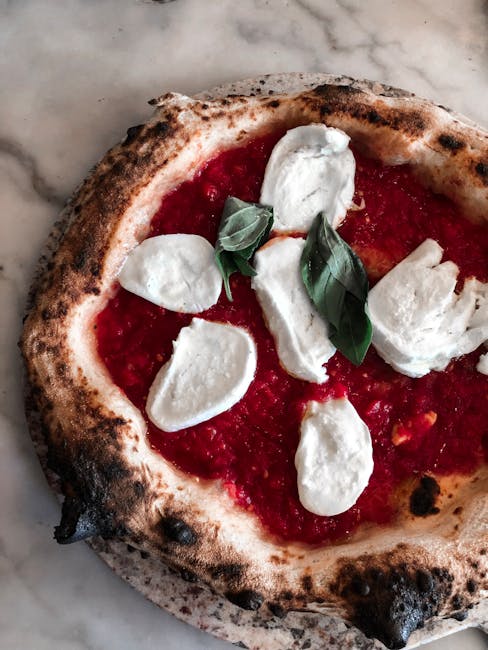
Imagine the aroma of freshly baked pizza wafting through the air, its crispy crust perfectly complemented by a soft, chewy center. Sounds delicious, right?
If you’re a pizza lover with an Ooni oven, you know that the secret to achieving that perfect pie lies in the dough. But with so many recipes and variations out there, how do you choose the best pizza dough for your Ooni oven?
This isn’t just about making pizza; it’s about crafting an unforgettable experience right in your backyard. With the right dough, every slice becomes an indulgence, and every bite is a step closer to pizza perfection. Are you ready to discover the magic formula for the best pizza dough that will elevate your Ooni oven creations? Let’s dive in and unlock the secrets to your new favorite recipe.
Choosing The Right Flour
Selecting the right flour is crucial for making the best pizza dough for an Ooni oven. Opt for high-protein flour, like bread flour or type 00, to achieve a crispy, chewy crust. Experiment with different flours to find your perfect dough consistency.
Choosing the right flour is crucial when crafting the best pizza dough for your Ooni oven. Flour impacts texture, chewiness, and flavor. But with so many options, how do you decide which one is perfect for that crispy, yet soft crust?
All-purpose Vs. Bread Flour
All-purpose flour is a versatile kitchen staple. It’s great for beginners and creates a nice, balanced dough. However, it may not give you that chewy texture some pizza lovers crave. Bread flour, on the other hand, has higher protein content, which means more gluten. This results in a chewier, more structured crust, ideal for those who like their pizza with a bit of bite. Have you ever noticed how some pizzas have that delightful chewiness? That’s often thanks to bread flour. Consider what you enjoy most about pizza. If it’s a softer crust, all-purpose might be your go-to. But if you’re aiming for a little more texture, bread flour could be your best friend.
Exploring Caputo 00
Caputo 00 flour is the darling of pizza aficionados, particularly for those using high-heat ovens like Ooni. It’s finely milled, creating a silky, smooth dough that is a dream to work with. This flour is famous for its ability to withstand high temperatures, giving you that perfect Neapolitan-style pizza. Using Caputo 00 can elevate your pizza game. It might be a bit pricier, but the results can be extraordinary. Have you tried making pizza with a flour that’s been perfected over generations? Balancing tradition with your personal taste is key. If you’re looking to replicate the authentic Italian pizza experience, Caputo 00 could be worth the investment. However, remember, the best pizza dough is the one that brings you joy and satisfaction. So, what’s stopping you from experimenting with these different flours to find your perfect match?
Yeast Selection
Choosing the right yeast is crucial for perfect pizza dough. It influences the dough’s texture and flavor. In this section, learn about yeast selection for the Ooni oven. Discover the differences between active dry and instant yeast. Explore the use of fresh yeast.
Active Dry Vs. Instant Yeast
Active dry yeast needs warm water for activation. It takes longer to rise. Instant yeast, on the other hand, can be mixed directly with flour. It rises faster than active dry yeast. Both types have unique advantages. Consider your time and convenience. For busy schedules, instant yeast is ideal. For traditional flavor, active dry yeast works best.
Using Fresh Yeast
Fresh yeast offers great flavor and texture. It comes in small blocks. It needs to be dissolved in lukewarm water. Fresh yeast requires careful storage. It has a shorter shelf life. Keep it refrigerated for freshness. Fresh yeast is less convenient but delivers rich taste. It is perfect for those seeking authentic pizza experiences.
Water And Hydration
Creating the perfect pizza dough for your Ooni oven is an art that relies heavily on the quality and quantity of water you use. The balance of hydration in your dough can make the difference between a crispy crust and a soggy mess. Water isn’t just an ingredient; it’s a crucial element that influences texture and taste. So, let’s dive into the essentials of water and hydration in your pizza dough recipe.
Importance Of Water Quality
Ever wondered why your pizza dough sometimes feels off? The answer might be in the water. Using clean, filtered water can elevate your dough’s quality. Tap water often contains minerals and impurities that can affect yeast activity. You want your dough to rise well and have a consistent texture.
Experiment with different water sources. Try bottled water for a noticeable difference. If your dough still feels lifeless, you might need to check the pH level of your water. A neutral pH helps maintain yeast health.
Optimal Hydration Levels
Have you thought about how hydration affects your dough? The amount of water in your dough determines its elasticity and crispiness. Too little water and your dough might turn tough. Too much, and it becomes sticky and unmanageable.
For Ooni ovens, aim for a hydration level between 60-65%. This range helps achieve a perfect balance. It gives you a dough that stretches easily and crisps up nicely in the high heat of an Ooni oven.
Try adjusting the hydration level based on your climate. In humid conditions, less water might be better. In dry conditions, a bit more might do the trick. Find what works best for you and your local environment.
Does your dough rise beautifully but lack that perfect texture? Maybe it’s time to rethink your hydration strategy. Making small tweaks can lead to big improvements in your pizza-making adventure.
Salt’s Role In Dough
Salt is more than a seasoning in pizza dough. It plays a crucial role in perfecting the texture and taste. Understanding its importance can elevate your homemade pizza experience with the Ooni oven.
Enhancing Flavor
Salt enhances the flavor of pizza dough. It brings out the natural taste of flour. Without salt, dough can taste flat and bland. The right amount adds depth to your dough. It balances the sweetness of the flour. This balance is essential for a delicious pizza.
Controlling Fermentation
Salt controls the fermentation process. It slows down the activity of yeast. This is crucial for achieving the perfect rise. A slow fermentation allows complex flavors to develop. It helps create a dough with great texture. Too much salt can stop yeast activity. Too little can speed up fermentation too much.
Kneading Techniques
Perfect pizza dough is essential for the Ooni oven experience. Kneading techniques play a vital role in achieving the right texture and flavor. This section explores two popular methods: Traditional Kneading and No-Knead Methods.
Traditional Kneading
Traditional kneading requires hands-on effort. It involves pushing, folding, and stretching the dough. This process develops gluten, giving the dough its elasticity. Begin by sprinkling flour on a clean surface. Place the dough in the center. Use your palms to press and fold the dough. Repeat for about 10 minutes. The dough should become smooth and elastic. A well-kneaded dough rises beautifully, resulting in a light, airy crust.
No-knead Methods
No-knead methods are less labor-intensive. Mix the ingredients in a bowl until combined. Cover with a damp cloth and let it rest. This method relies on time, not effort. The dough sits for several hours, allowing gluten to develop naturally. The result is a chewy, flavorful crust. This technique is ideal for busy schedules. It requires minimal hands-on time, yet delivers excellent results.
Fermentation Process
The fermentation process plays a key role in making perfect pizza dough. It impacts flavor, texture, and rise. For an Ooni oven, mastering fermentation is essential. This process transforms simple ingredients into a delicious pizza base. Let’s explore the benefits and methods of fermentation.
Cold Fermentation Benefits
Cold fermentation allows dough to develop deep flavors. It occurs in the refrigerator over a few days. This slow process enhances the dough’s complexity. The cold temperature slows yeast activity. This results in a richer taste. It also creates a chewy texture. Many pizza enthusiasts prefer cold fermentation for its taste. The dough becomes easier to handle. It stretches without tearing. This is ideal for Ooni ovens, which require quick baking.
Room Temperature Rising
Room temperature rising is faster than cold fermentation. It takes several hours instead of days. This method is great for same-day pizza making. The dough rises at a warmer temperature. Yeast activity speeds up. The dough becomes light and airy. This process suits those with limited time. It offers a different flavor profile. The taste is less complex but still delicious. Room temperature rising is convenient and effective.
Shaping And Stretching
Crafting the perfect pizza dough for an Ooni oven involves careful shaping and stretching. This ensures a crispy, evenly cooked crust. Achieving the right texture and thickness results in a delightful pizza experience.
Shaping and stretching pizza dough for your Ooni oven is an art that can elevate your homemade pizzas to a whole new level. Many pizza enthusiasts find this step both thrilling and challenging. It’s about achieving the right balance between thickness and stretchiness, resulting in a crust that’s crispy on the outside and tender on the inside. But how do you get it just right?
Achieving The Perfect Crust
To achieve that perfect crust, start with dough that’s been properly rested. Resting relaxes the gluten, making it more pliable and easier to shape. Press the dough gently with your fingers, working from the center outward to create a small rim. This helps form the classic pizza crust edge and ensures the center is thin enough to cook evenly in your Ooni oven. Next, use your hands to gently stretch the dough. Avoid using a rolling pin, as it can deflate the dough and remove the air pockets that create that wonderful texture.
Avoiding Common Mistakes
One common mistake is overworking the dough. If the dough feels too elastic and keeps springing back, let it rest for another 10 minutes. This pause allows the gluten to relax further, making it easier to stretch. Avoid making your dough too thin in the middle. A paper-thin center can lead to holes, which can be a nightmare when adding toppings. Aim for a uniform thickness, ensuring the dough can hold your favorite ingredients without tearing. Also, don’t forget to flour your hands and the surface lightly. This prevents sticking and makes it easier to handle the dough without tearing it. Have you ever struggled with shaping dough? Or do you have a secret technique that works wonders? Share your tips and tricks in the comments below, and let’s perfect our pizza-making skills together!
Baking In Ooni Oven
Baking in an Ooni Oven brings a unique pizza experience. The high heat cooks pizza quickly, giving a crispy crust. These ovens are ideal for making restaurant-style pizzas at home. Using the right dough is key to achieving perfect results.
Preheating Essentials
Preheat the Ooni Oven for a successful pizza bake. Ensure the oven reaches the recommended temperature of 932°F (500°C). Use a thermometer to check the stone temperature. Proper preheating ensures an evenly cooked pizza.
Managing Cooking Times
Cooking times vary based on dough thickness and toppings. Thin crust pizzas cook faster. Monitor the pizza closely to avoid burning. A typical pizza takes 60-90 seconds in the Ooni Oven. Rotate the pizza halfway through for even cooking.
Experimenting With Flavors
Crafting the best pizza dough for your Ooni oven opens a world of flavors. The Ooni oven’s high heat can bring out unique tastes in your dough. Experimenting with flavors takes your homemade pizza to new heights. Whether you’re adding herbs or trying different dough types, the possibilities are endless. Dive into these flavor experiments and elevate your pizza game.
Incorporating Herbs And Spices
Enhance your pizza dough with herbs like rosemary or thyme. These herbs add a savory touch that complements the cheese and toppings. Try garlic powder or onion flakes for a subtle kick. Spice lovers might enjoy crushed red pepper for added heat. A sprinkle of Italian seasoning can bring a traditional taste to your dough. Use fresh herbs for a more pronounced flavor.
Alternative Dough Variations
Explore different dough bases for your Ooni oven. Whole wheat dough offers a nutty flavor and added nutrients. For a gluten-free option, try almond or chickpea flour. Sourdough brings a tangy twist to your pizza base. Experiment with semolina flour for a different texture. Each variation offers a unique taste experience.
Varying dough types can also affect the crust’s texture. Thin crusts can become crispier, while thicker doughs might be chewier. Adjust flour and water ratios to find your perfect dough balance. Each type of flour reacts differently to high heat. This experimentation can lead to delightful discoveries in your pizza-making journey.
Frequently Asked Questions
What Is The Best Flour For Ooni Pizza Dough?
For Ooni pizza dough, use 00 flour for the best results. It creates a light, airy crust that’s perfect for high-heat cooking. This Italian flour’s fine texture allows for easy dough stretching. It also ensures a crispy exterior with a soft, chewy interior, enhancing your Ooni oven pizza experience.
How Long Should Pizza Dough Rise?
Let pizza dough rise for 1 to 2 hours at room temperature. This allows the dough to double in size. For deeper flavor, consider a cold fermentation in the fridge for 24 to 72 hours. This slow rise enhances the dough’s texture and flavor, making your Ooni pizza even tastier.
Can I Freeze Ooni Pizza Dough?
Yes, you can freeze Ooni pizza dough for later use. After kneading, portion the dough and let it rise. Then wrap tightly in plastic wrap and freeze. When ready to use, thaw in the fridge overnight. This method ensures you have fresh-tasting dough whenever you need.
How Do I Make Dough Stretchy?
To make dough stretchy, let it rest after kneading. This relaxes the gluten, making it more pliable. Use 00 flour and knead well to develop gluten structure. Adding a bit of olive oil can also improve elasticity. A well-rested dough stretches easily without tearing.
Conclusion
Crafting the perfect pizza dough is easier than you think. With the right ingredients, your Ooni oven will create delicious pizzas. Experiment with different flours and hydration levels. Find what suits your taste best. Remember, practice makes perfect. Each dough batch is a learning experience.
Enjoy the process and savor the results. Your homemade pizza will impress family and friends. Fresh, tasty, and just the way you like it. With patience and love, every pizza becomes a masterpiece. Happy baking with your Ooni oven!








