Affiliate Disclosure: This post may contain affiliate links. If you purchase through links on our site, we may earn an affiliate commission at no extra cost to you.
Imagine waking up to the irresistible aroma of sizzling bacon wafting through your home. It’s a comforting smell that promises a delicious start to your day.
But let’s face it, cooking bacon on the stovetop can be a greasy, time-consuming hassle. What if you could achieve perfectly crispy bacon without the mess and stress? That’s where the magic of oven-cooked bacon comes in. When it comes to cooking bacon in the oven, choosing the right pan is crucial.
The best pan can elevate your bacon game, ensuring each strip is evenly cooked and delightfully crispy. But with so many options out there, how do you know which one to choose? This article will guide you through finding the best pan for cooking bacon in the oven. You’ll discover how the right pan can transform your cooking experience and lead to a tastier, hassle-free breakfast. Get ready to revolutionize your bacon-cooking routine and never look back!
Benefits Of Cooking Bacon In The Oven
Cooking bacon in the oven ensures even crispiness and less mess. The best pan for this is a rimmed baking sheet. It catches grease and prevents drips. Simple, efficient, and tasty results every time.
Cooking bacon in the oven might seem unconventional, but the benefits are worth exploring. You might be used to the sizzling sound and aroma from a frying pan on the stove, but have you considered the simplicity and effectiveness of oven-cooked bacon? This method not only brings out the best flavors but also offers a cleaner and more consistent cooking experience.
Healthier Cooking Method
Cooking bacon in the oven allows the excess fat to drain away from the strips as they cook, leading to a healthier outcome. When you lay bacon on a wire rack over a baking sheet, the fat drips down, leaving you with leaner, crispier bacon. This method reduces the need for additional oils or butter, making your breakfast a bit more guilt-free. Unlike stovetop frying, where bacon sits in its grease, oven cooking minimizes the fat content on your plate. You can easily dispose of the drippings or save them for other recipes, adding flavor without the added fat. Isn’t it nice to enjoy your bacon without compromising your health goals?
Consistent Crispiness
Ever tried getting that perfect crisp on every piece of bacon? With oven cooking, achieving consistent crispiness becomes a breeze. The even heat distribution of an oven ensures that each strip is cooked uniformly, avoiding those frustrating soggy or overly burnt pieces. You can customize the crispiness to your liking by simply adjusting the cooking time. Whether you prefer a slight chew or a crunch that echoes, the oven gives you control. It’s like having a personal chef that knows your bacon preferences down to the crunch! Have you ever noticed how cooking bacon on the stove can lead to unpredictable results? The oven eliminates this guesswork, allowing you to enjoy a perfect batch every time. Plus, with the oven doing all the work, you can focus on preparing other dishes without worrying about flipping bacon or grease splatters. If you’ve never cooked bacon in the oven, why not give it a try? You might just find it becomes your go-to method for breakfast bliss.
Features To Look For In A Bacon Pan
Choosing the right pan for cooking bacon in the oven can make all the difference between crispy perfection and a greasy mess. With so many options available, it’s essential to know the features that can elevate your bacon-cooking experience. Whether you’re a breakfast enthusiast or simply love the aroma of sizzling bacon, focusing on specific pan qualities can enhance your culinary skills. Let’s dive into the essential features to look for in a bacon pan.
Heat Distribution
Even heat distribution is crucial for cooking bacon evenly. A pan that heats uniformly prevents those frustrating moments when some slices are crispy while others are limp. Look for pans made from materials like aluminum or stainless steel, known for their excellent heat conduction. Think about the last time you had unevenly cooked bacon and how disappointing that was. A good pan will save you from that disappointment and ensure every bite is perfectly cooked.
Non-stick Surface
A non-stick surface is a game changer when cooking bacon in the oven. It reduces the need for excess oil and makes flipping bacon hassle-free. Imagine the ease of sliding a spatula under perfectly cooked strips without them sticking or tearing. While ceramic and Teflon are popular choices, ensure the non-stick coating is durable and safe. It’s not just about convenience; it’s about preserving the quality and flavor of your bacon.
Easy Cleanup
No one enjoys scrubbing a greasy pan. Easy cleanup is a feature you’ll appreciate, especially after a hearty breakfast. A pan that’s dishwasher-safe or has a simple wipe-clean surface can save you time and effort. Consider those lazy Sunday mornings when you’d rather relax than engage in a post-cooking battle with stubborn grease. A pan that cleans easily allows you to enjoy your bacon without the cleanup dread.
When choosing a bacon pan, what matters most to you? Is it the crispiness, ease of use, or the after-cooking cleanup? With these features in mind, you’ll be well-equipped to make the right choice and enhance your bacon-cooking adventures. Remember, the right pan can transform your kitchen experience and make every bacon breakfast memorable.
Top Pans For Cooking Bacon
Choosing the right pan makes oven-cooked bacon crispy and delicious. Opt for a rimmed baking sheet for even cooking. Pair it with a wire rack to let excess fat drip away, ensuring perfectly cooked bacon every time.
Cooking bacon in the oven is a game-changer for anyone who loves crispy, evenly cooked strips without the mess. But, which pan should you use to get the best results? The right pan can make all the difference. Let’s explore the top contenders for this culinary task.
Aluminum Baking Sheet
The aluminum baking sheet is a favorite among many home cooks for its lightweight and efficient heat conduction. It offers a flat, expansive surface, allowing you to cook large batches at once. Pros: – Lightweight and easy to handle: You can easily slide in and out of the oven. – Great heat distribution: Ensures your bacon cooks evenly. – Affordable and widely available: A staple in many kitchens. Cons: – Not non-stick: Grease can stick if you don’t use parchment paper or a silicone mat. – Prone to warping: Sudden temperature changes can cause it to warp. I’ve often found myself reaching for my trusty aluminum baking sheet when hosting brunch. Its efficiency in cooking a dozen strips at once saves time and effort.
Cast Iron Skillet
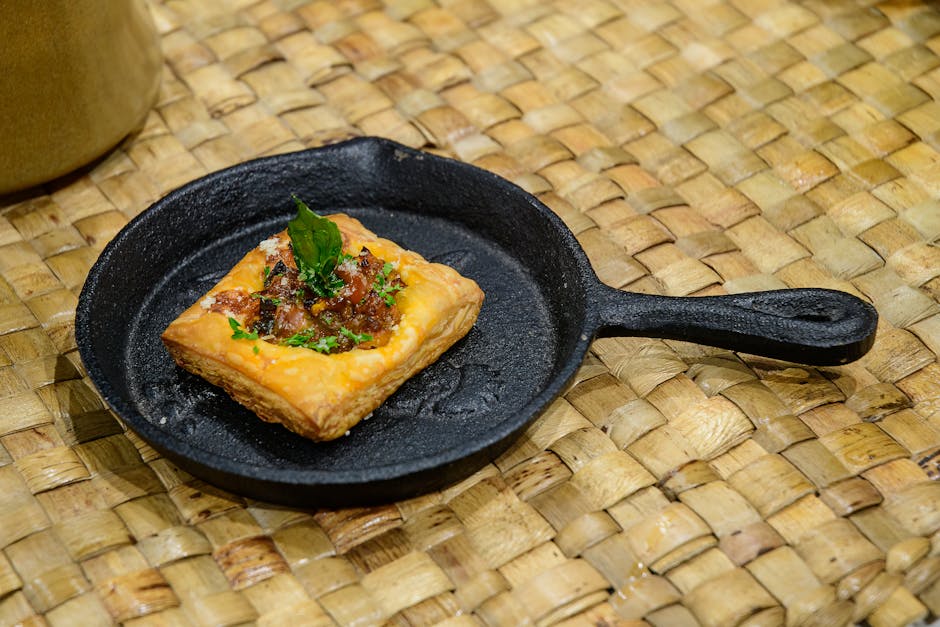
The cast iron skillet is a powerhouse in the kitchen, known for its durability and heat retention. It’s perfect for those who love a good sear on their bacon. Pros: – Excellent heat retention: Keeps bacon warm even after turning off the heat. – Adds flavor: The seasoning of the skillet can enhance the taste. – Versatile: Use it on the stovetop or in the oven. Cons: – Heavy and cumbersome: Can be challenging to maneuver, especially when hot. – Requires maintenance: Needs regular seasoning to prevent rust. Using a cast iron skillet, I’ve noticed the flavor depth it adds to bacon. However, it can be a bit of a workout to handle.
Ceramic Baking Pan
For those seeking a non-stick option with a touch of elegance, the ceramic baking pan is an excellent choice. It combines functionality with aesthetic appeal. Pros: – Non-stick surface: Easy to clean and prevents bacon from sticking. – Attractive design: Can go from oven to table, saving you dishes. – Even cooking: Distributes heat evenly, ensuring perfectly cooked bacon. Cons: – Fragile: Prone to chipping if not handled carefully. – Heavier than aluminum: Slightly less convenient to move around. I’ve used my ceramic pan for small gatherings, where presentation matters. It’s a stylish way to serve bacon while keeping it warm. Choosing the right pan can transform your bacon-cooking experience. What will you try next time you’re craving this breakfast staple?
Tips For Perfect Oven-cooked Bacon
Bacon lovers rejoice! Cooking bacon in the oven is easy and mess-free. Follow these tips to achieve crispy and delicious bacon every time. Whether you’re preparing breakfast or a savory dish, oven-cooked bacon enhances flavor without the fuss.
Preheating The Oven
Start by preheating the oven to 400 degrees Fahrenheit. This temperature ensures even cooking. A preheated oven helps the bacon become crispy. It prevents undercooking and soggy bacon. Place the oven rack in the middle for best results. This position allows heat to circulate evenly.
Arranging Bacon Strips
Lay bacon strips on a baking sheet. Make sure they don’t overlap. Overlapping causes uneven cooking. Each strip should lie flat for maximum crispiness. Use parchment paper for easy cleanup. This also prevents bacon from sticking. Arrange strips with a little space in between. This allows air to circulate and cooks bacon evenly.
Using A Cooling Rack
Place a cooling rack on the baking sheet. This elevates the bacon, allowing fat to drip away. The rack helps bacon cook evenly on both sides. It keeps bacon crispy without becoming greasy. Make sure the rack is oven-safe. Cleaning is easier too, as fat collects in the sheet below. This method also reduces splatter, keeping your oven clean.
Common Mistakes To Avoid
Choosing the right pan is crucial for baking bacon evenly. Avoid pans that warp under high heat. Opt for a rimmed baking sheet to prevent grease spills in the oven.
Cooking bacon in the oven is a game-changer. It’s less messy, and you get that crispy texture everyone loves. But, even the best methods can go wrong if you’re not careful. Let’s talk about some common mistakes you might make when using your pan to cook bacon in the oven.
Skipping The Foil Lining
You might think skipping the foil lining saves time, but it actually creates more work for you. Without it, bacon grease sticks to your pan, making clean-up a nightmare. Using foil also helps distribute heat evenly, giving you perfectly cooked bacon. So, grab that roll of foil and line your pan before placing the bacon. Have you tried this trick before?
Overcrowding The Pan
Putting too much bacon in one pan is tempting, especially when you’re cooking for a crowd. But overcrowding leads to uneven cooking. Bacon needs space to breathe and crisp up evenly. Try laying the strips side by side without overlapping. If you have a lot to cook, use two pans instead of cramming everything into one. Do you notice the difference when you give your bacon room to cook?
Ignoring Cooking Time
Leaving bacon in the oven for too long can turn your delicious strips into burnt crisps. Keep an eye on it and set a timer. Cooking time varies depending on your oven’s efficiency and the thickness of the bacon. Check it around 15 minutes to gauge progress. Do you have a favorite cooking time that works perfectly every time? Avoid these common pitfalls, and you’ll have bacon that’s not only tasty but also easy to clean up after. What’s your favorite bacon-cooking tip?
Maintaining Your Bacon Pan
For the best bacon, choose a sturdy, non-stick sheet pan. It ensures even cooking and easy cleanup. A rimmed design prevents grease spills, keeping your oven clean.
Maintaining your bacon pan ensures long-lasting performance and flavor. A well-cared-for pan delivers crispy bacon with ease. Proper maintenance keeps your pan in top shape, reducing the need for frequent replacements. Follow these simple tips to keep your bacon pan clean and ready for use.
Proper Cleaning Techniques
Clean your bacon pan after each use to prevent residue buildup. Use warm, soapy water and a soft sponge for gentle cleaning. Avoid abrasive scrubbers that can scratch the pan’s surface. Rinse thoroughly to remove all soap. For stubborn grease, soak the pan in warm water first. This loosens debris, making it easier to clean. Dry the pan completely to prevent rust.
Storage Tips
Store your bacon pan in a cool, dry place. Avoid stacking heavy items on top to prevent warping. If space is tight, consider using a pan rack. This keeps pans organized and prevents scratches. Ensure the pan is dry before storage. Moisture can lead to rust and other damage. Regular maintenance extends the life of your bacon pan, ensuring delicious results every time.
Frequently Asked Questions
Is Foil Or Parchment Paper Better For Cooking Bacon In The Oven?
Parchment paper is better for cooking bacon in the oven. It prevents sticking and makes clean-up easier. Foil can cause bacon to become greasy, while parchment allows fat to drain away. For crispy bacon, choose parchment paper over foil every time.
What Is The Best Way To Cook Bacon In Your Oven?
Preheat your oven to 400°F. Arrange bacon strips on a baking sheet lined with parchment. Bake for 15-20 minutes until crispy. Remove and drain on paper towels. Enjoy perfectly cooked bacon!
How To Make Bacon Not Stick To Pan In Oven?
Line the baking sheet with parchment paper or a silicone mat. Arrange bacon strips without overlapping. Bake at 400°F for crispy, non-stick results. Rotate the pan halfway through cooking for even crispiness. Enjoy perfectly cooked bacon without the hassle.
Is It Better To Bake Bacon At 350 Or 400?
Baking bacon at 400°F results in crispier texture and faster cooking. At 350°F, bacon cooks more evenly and is less crispy. Choose 400°F for quick, crispy bacon or 350°F for even cooking. Both temperatures work well, but preferences on texture and cooking time may vary.
Conclusion
Choosing the right pan makes oven-cooked bacon crispy and delicious. A rimmed baking sheet is a popular choice for many. It allows even cooking and easy cleanup. Cast iron skillets offer great heat retention. Ideal for those who love a rich flavor.
Wire racks ensure fat drips away, leaving bacon crispy. Experiment with these options to find your favorite. Remember, the pan’s material and design impact cooking results. Happy cooking! Enjoy your perfectly cooked bacon.








