Affiliate Disclosure: This post may contain affiliate links. If you purchase through links on our site, we may earn an affiliate commission at no extra cost to you.
Imagine the perfect bite of baked chicken: juicy, tender, and bursting with flavor. Sounds delicious, right?
But achieving that perfection is often easier said than done. If you’ve ever found yourself wondering why your chicken turns out dry or undercooked, you’re not alone. The secret lies in mastering the right oven temperature. Understanding the best oven temp for baked chicken can transform your cooking game and make every meal a hit.
We’ll unlock the secrets to perfectly baked chicken, ensuring each bite is as mouthwatering as you’ve always dreamed. Stick around to discover how you can effortlessly elevate your chicken dishes from ordinary to extraordinary.
Ideal Temperature For Baking Chicken
Finding the right oven temperature for baked chicken can be tricky. It ensures juicy, tender meat with perfect flavor. The ideal temperature is crucial for achieving the best results. Cooking chicken at the right temperature ensures safety and taste. It’s important to balance heat to avoid dryness or undercooking.
What Is The Ideal Temperature?
The ideal oven temperature for baking chicken is 375°F (190°C). This temperature cooks the chicken evenly. It ensures the inside is cooked without drying out the outside. Baking at 375°F provides a perfect balance of heat.
Why 375°f Works Best
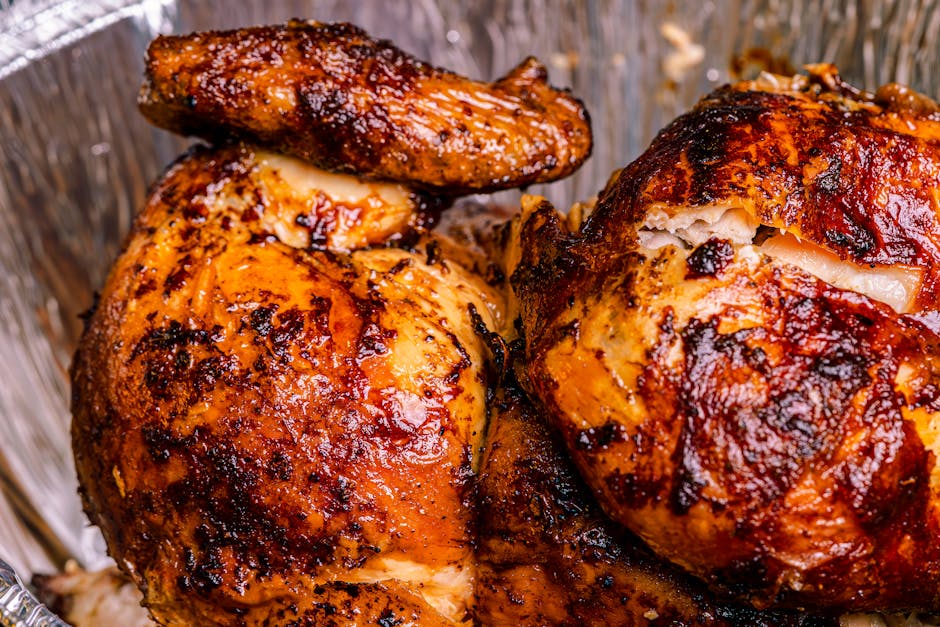
Cooking chicken at 375°F gives a golden, crispy skin. It keeps the meat juicy and flavorful. This temperature allows the chicken to cook thoroughly. It prevents the risk of bacteria by reaching a safe internal temperature.
Adjusting For Different Cuts
Whole chickens and chicken breasts require different times. Bone-in pieces might need more time than boneless cuts. Adjust cooking time based on the cut and thickness. Always use a meat thermometer to check doneness.
Importance Of Resting Time
After baking, let the chicken rest for a few minutes. This helps juices redistribute within the meat. Resting makes the chicken more tender and flavorful. It also ensures an even texture throughout each piece.
Factors Affecting Oven Temperature
Understanding the best oven temperature for baked chicken requires considering several factors. The temperature can vary depending on the chicken cut and whether the skin is on or off. Each factor plays a crucial role in achieving perfectly baked chicken. Let’s explore these factors to help you make the best choice for your next meal.
Chicken Cut Considerations
Different chicken cuts need different oven temperatures. Whole chickens require a lower temperature for even cooking. Smaller pieces like breasts or thighs need higher temperatures. This ensures they cook through without drying out. Boneless cuts also cook faster. So, adjust the temperature accordingly for juicy results.
Skin-on Vs. Skinless Options
Skin-on chicken benefits from higher temperatures. This crisps the skin and locks in moisture. A temperature around 400°F works well. Skinless chicken, on the other hand, needs a lower temperature. This prevents it from drying out. Aim for about 350°F for tender, moist results.
Tips For Achieving Juicy Chicken
To achieve juicy chicken, bake at 375°F for perfect results. This temperature ensures even cooking and tender meat. Keep an eye on cooking time to avoid drying out.
Cooking the perfect baked chicken can be a game-changer for your meals. But getting it just right—especially making it juicy—can seem elusive. The good news is, there are specific techniques you can apply to ensure your chicken comes out succulent every time. Let’s dive into some practical tips that will help you achieve that juicy perfection.
Brining Techniques
Brining is a simple yet effective method to keep your chicken juicy. It’s all about soaking your chicken in a saltwater solution before baking. This process helps the meat retain moisture, resulting in a juicier bite. Try a basic brine with water, salt, and a touch of sugar. You can also add herbs and spices to infuse extra flavor. Let your chicken sit in the brine for at least an hour, or overnight for the best results. Have you ever noticed how much juicier a brined chicken tastes? That’s because the salt in the brine breaks down some of the muscle proteins, allowing the meat to absorb more water. Experiment with different brine recipes to find the one that suits your taste.
Using Marinades Effectively
Marinades are a fantastic way to add flavor and moisture to your baked chicken. They typically consist of an acid (like lemon juice or vinegar), oil, and seasonings. The acid helps tenderize the meat, while the oil adds moisture. Always remember to marinate your chicken for at least 30 minutes. Longer marination, like a few hours or even overnight, can enhance the flavors even more. Next time you marinate, try adding a bit of yogurt or buttermilk. These ingredients contain enzymes that further break down the proteins, making your chicken even more tender and juicy. Do you feel your chicken could use more flavor and moisture? A well-chosen marinade might be the trick you’re missing. Test different combinations to see what flavors you love the most. By applying these techniques, you can consistently bake chicken that’s not only juicy but also packed with flavor. Whether you choose brining or marinating, the key is allowing the chicken to absorb those wonderful liquids. What’s your go-to method for keeping your chicken juicy?
Common Mistakes To Avoid
Setting the oven too high results in dry chicken. Lower temperatures cause uneven cooking. Aim for 375°F for moist, evenly baked chicken.
When baking chicken, the oven temperature is crucial to achieving that perfect balance of juicy and crispy. But even with the best intentions, common mistakes can turn your meal into a culinary disappointment. Understanding these pitfalls can elevate your chicken from ordinary to extraordinary.
Overcooking Pitfalls
One of the biggest mistakes in baking chicken is overcooking. We’ve all been there—waiting just a little too long, hoping for crispy skin, only to end up with dry, chewy meat. It’s easy to think a higher temperature will cook your chicken faster, but this often leads to an overcooked result. Instead, set your oven to 375°F to 400°F for a balanced approach. Consider using a meat thermometer. This tool can be your best ally, ensuring your chicken reaches the safe internal temperature of 165°F without overshooting it. Have you ever cut into a piece of chicken only to find it’s tough? A thermometer helps avoid this disappointment.
Neglecting Rest Time
Another common mistake is neglecting to let your chicken rest after baking. It’s tempting to dig in right away, especially when the aroma fills your kitchen. However, skipping this step can rob your chicken of its juiciness. Allowing it to rest for 10 minutes gives the juices time to redistribute, enhancing flavor and texture. Think of rest time as a final touch to your culinary masterpiece. Have you noticed how professional chefs always let their meat rest? This simple practice can transform your homemade dish into something worthy of praise. Have you ever wondered why your chicken feels dry despite following the right baking temperature? Sometimes it’s not about the heat but about patience in letting flavors settle. Don’t rush this step—your taste buds will thank you. Avoid these common mistakes, and you’ll find your baked chicken not only tastes better but also impresses family and friends. What other strategies do you use to perfect your chicken?
Testing Doneness
Baking chicken at 375°F ensures juicy and flavorful results. At this temperature, the meat cooks evenly and maintains moisture. Checking the internal temperature with a meat thermometer confirms doneness, aiming for 165°F.
Testing the doneness of baked chicken is crucial for both flavor and safety. No one wants to bite into a piece of chicken only to find it’s undercooked or dry as a bone. Achieving the perfect balance requires a bit of skill and know-how. Let’s explore how you can tell when your baked chicken is just right, using both tools and visual cues.
Using A Meat Thermometer
A meat thermometer is your best friend for checking doneness. It gives an accurate reading of the internal temperature, ensuring your chicken is safe to eat. Insert the thermometer into the thickest part of the chicken. It should register at least 165°F (74°C), which is the safe minimum for poultry. Have you ever pulled out your chicken too early? It’s a common mistake. Using a thermometer avoids the guesswork and ensures you never have to worry about undercooked chicken again.
Visual Cues For Perfect Results
While a thermometer is precise, visual cues can also be helpful. The juices running clear is a good sign that your chicken is done. Look at the color and texture. The chicken should be white or slightly golden, not pink. If it’s too pale, it might be undercooked. Ever noticed how the meat pulls away from the bone? That’s another indicator. When you see this, your chicken is likely cooked to perfection. Do you rely more on sight or tools? Combining both can turn you into a baked chicken pro.
Flavor Enhancements
Cooking baked chicken to perfection starts with the right oven temperature. Set it at 375°F for juicy, tender results. This ensures the chicken remains flavorful and moist, enhancing the overall taste experience.
Enhancing the flavor of baked chicken can transform a simple dish into a memorable meal. While cooking at the right oven temperature is crucial, the magic truly happens when you add the right flavor enhancers. You can elevate your dish with herbs, spices, and sauces that complement the natural taste of chicken. These additions can take your dish from bland to brilliant.
Herbs And Spices Suggestions
Imagine walking into your kitchen and being greeted by the aroma of rosemary and thyme. These classic herbs are perfect for chicken. They infuse the meat with earthy flavors and a fragrant aroma. Paprika adds a smoky depth that can be sweet or spicy, depending on your preference. Combine it with garlic powder for an irresistible rub. Don’t overlook the power of black pepper and salt. They might seem basic, but they enhance the other spices and bring out the chicken’s natural flavors. Experimenting with herbs like oregano or spices such as cumin can lead to delightful surprises. What’s your go-to spice blend?
Pairing With Sauces
Sauces can be the ultimate game-changer for baked chicken. They add moisture and a burst of flavor in every bite. Think about a tangy barbecue sauce that caramelizes in the oven, giving your chicken a delightful crust. It’s a crowd-pleaser at any gathering. A simple lemon butter sauce can add a zesty brightness that complements the savory chicken beautifully. A drizzle can go a long way. For a more exotic touch, try a soy-based marinade with ginger and honey. It offers a sweet and savory profile that will leave your taste buds tingling. Why not try mixing a few sauces to create a signature blend? It’s all about experimenting until you find the perfect match for your palate.
Serving Suggestions
Baking chicken at 375°F ensures juicy, tender meat with a crispy skin. Serve with roasted vegetables for a complete meal. Pair with a light salad for a refreshing contrast.
When you pull a perfectly baked chicken out of the oven, the next step is to think about how you’re going to serve it. Serving suggestions can elevate your meal from simple to sensational. With the right sides and presentation, you’ll turn an ordinary dinner into a memorable experience.
Side Dishes For Complementing Chicken
Choosing the right side dish can make your baked chicken shine. Roasted vegetables are a great choice, as they add a pop of color and flavor. Think carrots, Brussels sprouts, and potatoes. A fresh salad can lighten up your meal. A mix of greens, cherry tomatoes, and cucumbers with a light vinaigrette is refreshing. Rice or quinoa is perfect for soaking up any juices or sauces. They add texture and make the meal more filling. If you’re in the mood for something different, try serving your chicken with pasta tossed in olive oil and garlic. It’s simple yet satisfying.
Presentation Tips
How you present your chicken can impact how it’s perceived. Slice the chicken neatly and arrange it on a platter for an inviting look. Add a garnish of fresh herbs like parsley or thyme for a splash of color. It adds a fresh aroma too. Use a clean, white plate to make your dish look more vibrant. The colors of your food will stand out more. Consider the layout. Placing the sides around the chicken can make the meal look balanced and intentional. Think about how you can enhance your meal’s appeal with a little creativity. Would a sprinkle of sesame seeds or a drizzle of sauce add a final touch? Remember, the goal is to create a meal that’s not just delicious but also visually appealing. How you serve your baked chicken can make all the difference in your dining experience.
Frequently Asked Questions
Is It Better To Bake Chicken At 350 Or 400?
Baking chicken at 400°F gives a crispy skin and juicy meat, cooking faster. At 350°F, it cooks evenly, ideal for larger pieces. Both temperatures work, but choose based on your desired texture and cooking time. Adjust cooking times based on chicken size and type.
What Temperature Is Best To Cook Chicken In The Oven?
Preheat the oven to 350°F (175°C). Cook chicken until the internal temperature reaches 165°F (74°C). This ensures safety and juiciness. Use a meat thermometer for accuracy. Enjoy perfectly cooked chicken every time.
How Long To Keep Chicken In The Oven At 400 Degrees?
Bake chicken at 400°F for 20-25 minutes per pound. Check for an internal temperature of 165°F. Adjust time based on chicken size and type. Bone-in pieces may need longer cooking. Always ensure chicken is thoroughly cooked. Use a meat thermometer for accuracy and safety.
What Is The Ideal Oven Temperature For Baked Chicken?
The ideal oven temperature for baking chicken is 375°F (190°C). This temperature ensures the chicken cooks evenly without drying out. It allows the skin to become crispy while the meat remains juicy. For best results, check the internal temperature, which should reach 165°F (74°C).
Conclusion
Finding the right oven temperature makes baked chicken delicious. Cook at 375°F for juicy, tender meat. This temperature ensures even cooking without drying out. Always preheat the oven for consistent results. Use a meat thermometer to check doneness. It should read 165°F in the thickest part.
This avoids guesswork and ensures safety. Let the chicken rest after cooking. It helps juices redistribute, enhancing flavor. Experiment with seasonings for varied tastes. Enjoy your perfectly baked chicken with family and friends. Simple, tasty meals bring everyone together. Happy cooking!








