Affiliate Disclosure: This post may contain affiliate links. If you purchase through links on our site, we may earn an affiliate commission at no extra cost to you.
Are you craving perfectly roasted potatoes with that irresistible golden-brown crunch? You’re in the right place!
Achieving the ideal texture and flavor starts with setting the perfect oven temperature. Whether you’re cooking for a family dinner or preparing a feast for friends, knowing the best temp for potatoes in the oven can make all the difference.
Imagine serving a dish that not only looks appetizing but also delights everyone with its mouthwatering taste. Ready to discover the secret that will make your potatoes the star of any meal? Let’s dive into the science and art of baking potatoes to perfection, ensuring your culinary creations leave a lasting impression.
Ideal Temperature For Roasting
Roasting potatoes in the oven creates a delicious, crispy side dish. Achieving the perfect texture depends heavily on the right temperature. This section delves into finding that sweet spot for roasting potatoes to perfection. Understanding the ideal temperature ensures your potatoes are neither too soft nor too hard. Let’s explore the best temperature for a delightful roasted potato experience.
What Temperature To Set Your Oven?
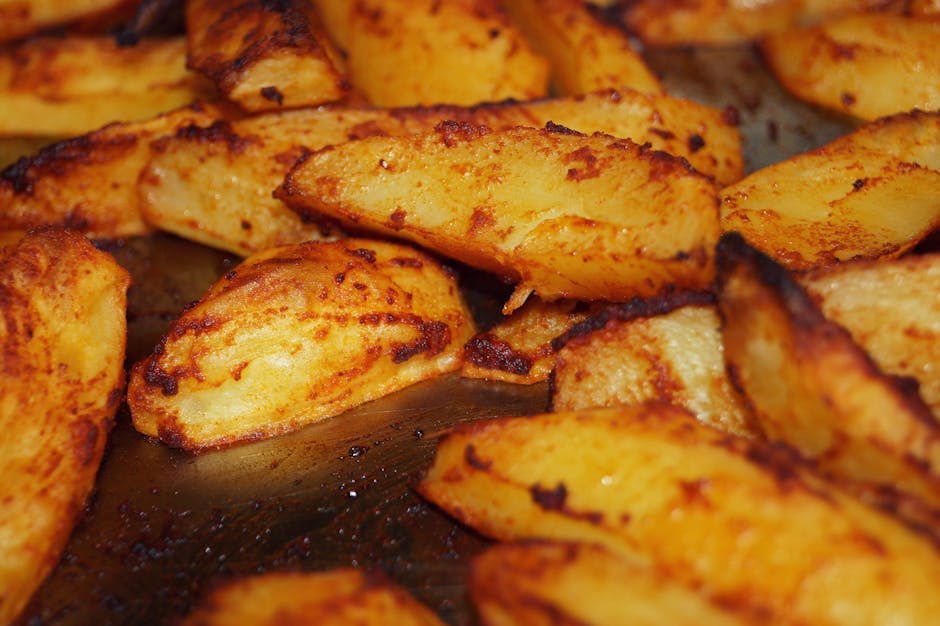
Set your oven to 425°F (220°C) for optimal results. This temperature strikes a balance between crispiness and tenderness. It helps the potatoes cook evenly inside and out. They become golden brown and deliciously crispy on the outside.
Why 425°f Is Ideal?
At 425°F, the potatoes caramelize beautifully. This high heat extracts natural sugars for a sweet, earthy flavor. The insides remain fluffy while the outsides turn perfectly crunchy. This temperature also reduces cooking time, making it efficient.
Tips For Even Roasting
Cut potatoes into even-sized pieces. This ensures uniform cooking. Use a single layer on the baking sheet. Crowding results in steaming rather than roasting. Turn them halfway through cooking. This promotes even browning on all sides.
Considerations For Different Potato Types
Different potatoes react differently to roasting. Russets are fluffy and absorb seasonings well. Yukon Golds are creamy and hold their shape better. Choose based on your preference for texture and taste.
Why Temperature Matters
Selecting the ideal temperature is crucial for baking potatoes perfectly. Achieving a crispy exterior and fluffy inside requires precision. A temperature of 400°F ensures evenly cooked, delicious potatoes.
When it comes to cooking potatoes in the oven, getting the temperature right is crucial. The right temperature can transform ordinary potatoes into a delightful dish. It affects texture, taste, and even cooking time. Have you ever wondered why sometimes your potatoes end up too soft or too hard? It’s all in the temperature. Let’s dive into why it matters and how it can make or break your dish. The oven temperature determines how evenly your potatoes cook. At the right temperature, the exterior crisps up perfectly while the inside remains fluffy and tender. If the oven is too hot, you risk burning the outside before the inside is cooked. Too low, and the potatoes become soggy instead of crispy.
The Perfect Temperature Range
Most recipes recommend 400°F (200°C) for roasting potatoes. This is a sweet spot for achieving that golden-brown crust and soft interior. But have you ever tried adjusting it slightly? Some cooks swear by 425°F (220°C) for an extra crispy texture. Experimenting within this range can lead to discovering your perfect potato.
Impact On Cooking Time
The temperature you choose directly influences cooking time. Higher temperatures might cook your potatoes faster, but watch out for dryness. Lower temperatures mean a longer cooking time, allowing flavors to develop slowly. But patience is key. So, what’s your priority: speed or savor?
Personal Experience: Trial And Error
I remember my first attempt at oven-roasted potatoes. I set the oven at 375°F (190°C), thinking it would be a safe bet. They ended up soft and lacked the crispiness I was hoping for. Adjusting the temperature to 400°F made all the difference. It was a small tweak with a big impact.
Tips For Success
– Preheat your oven: Always start with a preheated oven for consistent results. – Use a thermometer: If in doubt, use an oven thermometer to ensure accuracy. – Don’t overcrowd: Allow space between potatoes for even cooking. Are you ready to elevate your potato game by mastering the oven temperature?
Preheating The Oven
Preheating the oven is a crucial step in baking potatoes. It ensures even cooking. A preheated oven helps potatoes cook through without burning. This step can make or break your dish. Proper preheating makes potatoes crispy outside and soft inside. Get ready to learn the right way to preheat.
Why Preheat The Oven?
Preheating ensures the oven is at the right temperature. Potatoes need consistent heat to cook well. Starting with a cold oven affects the texture. It can lead to uneven cooking. Preheating avoids this common mistake.
How Long To Preheat?
Preheat the oven for at least 10-15 minutes. This time allows the oven to reach the desired temperature. Use a thermometer if unsure. Different ovens heat up at different speeds. Always check to be certain.
Ideal Temperature For Potatoes
Set the oven to 400°F (200°C) for most potatoes. This temperature gives a nice balance. It ensures the outside crisps while the inside stays fluffy. Adjust slightly based on your oven’s performance.
Checking The Temperature
Use an oven thermometer to verify the temperature. Built-in thermostats can be off by a few degrees. Accurate temperature improves cooking results. Make sure the oven is truly ready before adding potatoes.
Benefits Of Proper Preheating
Proper preheating saves time and energy. It makes cooking more efficient. It enhances the final taste and texture of potatoes. Preheating is simple yet vital for delicious results.
Choosing The Right Potato
Choosing the right potato is essential for a perfect oven bake. Different types have unique flavors and textures. Each variety suits specific cooking methods. Understanding these differences helps you make the best choice.
Understanding Potato Varieties
Potatoes come in many varieties. Russets are starchy and fluffy. They are ideal for baking. Yukon Golds are creamy and hold their shape well. Reds are waxy with a smooth texture. They are great for roasting.
Russet Potatoes For Baking
Russet potatoes work best for baking. Their high starch content gives a fluffy texture. They have a mild flavor that absorbs seasonings well. This makes them versatile for different recipes.
Yukon Golds For Versatility
Yukon Golds are versatile. They have a buttery flavor. This makes them great for roasting and mashing. They hold their shape well when cooked. This makes them ideal for dishes requiring texture.
Red Potatoes For Roasting
Red potatoes are perfect for roasting. They have a waxy texture. This helps them retain shape during cooking. Their smooth skin adds a nice finish to dishes. They provide a firm bite and mild taste.
Selecting Potatoes For Flavor
Consider flavor when choosing potatoes. Some have a mild taste. Others are richer and buttery. The right flavor enhances your dish. Choose based on your recipe needs.
Preparing Potatoes For Roasting
Preparing potatoes for roasting is a crucial step. It ensures even cooking and enhances flavor. Proper preparation helps achieve crispy exteriors and fluffy interiors. Each step plays an important role. From washing to cutting, these methods make a difference.
Washing And Peeling
Start by washing the potatoes under cold water. This removes dirt and debris. Use a vegetable brush for stubborn spots. Ensure every potato is clean. Peeling is optional. Some prefer the skin for texture. If peeling, use a sharp peeler. Remove all skin evenly.
Cutting Techniques
Cutting impacts cooking time and texture. Uniform pieces cook evenly. For wedges, slice potatoes lengthwise. Quarter each half for even results. For cubes, cut potatoes into thick slices. Then, dice each slice into equal squares. Try different shapes for variety.
Seasoning Tips
Perfectly seasoned potatoes can transform a simple dish into a delightful experience. The right blend of spices enhances the potatoes’ natural flavor. Whether you prefer classic or adventurous tastes, seasoning is key. Let’s explore some seasoning tips to make your oven-baked potatoes irresistible.
Basic Seasonings
Basic seasonings add a familiar taste to your potatoes. Start with salt and pepper for a foundational flavor. Olive oil helps these seasonings stick and adds richness. Add garlic powder for a savory touch. A sprinkle of dried herbs like rosemary or thyme enhances aroma. These simple ingredients create a comforting and satisfying dish.
Creative Flavors
Explore creative flavors to give your potatoes a unique twist. Try smoked paprika for a smoky and sweet note. Cumin adds warmth and earthiness, ideal for adventurous palates. Lemon zest provides a fresh and tangy contrast. For a spicy kick, include a dash of cayenne or chili powder. These innovative seasonings bring excitement to your meal.
Roasting Methods
Roasting potatoes at 400°F ensures a crispy outside and soft inside. This temperature helps achieve golden perfection. For best results, use evenly sized pieces.
Roasting potatoes in the oven is a culinary art that transforms humble spuds into crispy, golden delights. The technique you choose can significantly influence the flavor and texture of your roasted potatoes. Whether you prefer a straightforward approach or a more protective method, understanding these roasting methods can enhance your cooking experience.
Direct Roasting
Direct roasting is a simple and effective method to achieve crispy, flavorful potatoes. Preheat your oven to 425°F (220°C). This temperature helps the potatoes develop a golden crust while remaining tender inside. Cut your potatoes into uniform pieces to ensure even cooking. Toss them with olive oil, salt, and your choice of herbs or spices. Arrange them in a single layer on a baking sheet. Bake for about 30-40 minutes, flipping halfway through to promote even browning. You’ll know they’re done when they are fork-tender and have a crispy exterior. This method is perfect for those who love a crunchy bite.
Using Foil
Using foil is ideal if you prefer a softer texture with a concentrated flavor. Wrap your seasoned potatoes in aluminum foil packets. This technique traps steam, allowing the potatoes to cook in their own moisture. Set the oven to a slightly lower temperature, around 400°F (200°C). This helps in slowly steaming and roasting the potatoes without burning the edges. Bake for approximately 45 minutes to an hour. The result is a melt-in-your-mouth potato with deeply infused flavors. Plus, cleanup is a breeze with this method—simply discard the foil. Have you ever tried both methods and noticed the flavor difference? Direct roasting offers a crispy texture, while using foil locks in moisture and flavor. Experiment with both to find your favorite.
Monitoring Cooking Time
Cooking potatoes in the oven is an art that requires attention to detail, especially when it comes to monitoring cooking time. Getting the timing right ensures your potatoes are perfectly crispy on the outside and tender on the inside. The beauty of oven-baked potatoes lies in their versatility, but how do you ensure they are cooked to perfection? Let’s dive into the factors that affect cooking time and how you can test for doneness.
Factors Affecting Cooking Time
Several elements influence how long your potatoes should stay in the oven. The size and variety of the potato play a significant role. Smaller potatoes cook faster, while larger ones take more time.
The oven temperature is another key factor. Baking at higher temperatures, like 425°F, will cook your potatoes quicker compared to lower settings, such as 350°F. However, this might affect the texture. So choose wisely based on your desired outcome.
Adding foil can also affect cooking time. Wrapped potatoes may take longer because the foil traps moisture, creating a steaming effect. Consider removing the foil midway for a crispier skin.
Testing For Doneness
So, how can you tell your potatoes are ready? A simple method is the fork test. Insert a fork into the potato; it should glide through easily without resistance.
If you prefer precision, use a meat thermometer. Ideally, your potatoes should reach an internal temperature of around 210°F. This ensures they are fully cooked.
Another tip is to squeeze the potato gently. If it feels soft and gives a bit, it’s likely done. Be careful, though—potatoes can be hot!
Ever wondered why some potatoes take longer than others? Consider experimenting with different varieties or sizes next time. Monitoring cooking time is not just about setting a timer; it’s about understanding the nuances of your ingredients. How do you ensure your potatoes come out perfect every time?
Common Mistakes To Avoid
Cooking potatoes in the oven can be a delight. A crispy outside and soft inside make them irresistible. But many make mistakes that affect taste and texture. Understanding these errors can help achieve perfect results.
Not Preheating The Oven
Skipping oven preheat is common. It leads to uneven cooking. Potatoes need steady heat for the right texture. Always preheat the oven to the desired temperature.
Overcrowding The Baking Tray
Using a crowded tray limits air circulation. Potatoes end up soggy instead of crispy. Spread them in a single layer for best results.
Using The Wrong Temperature
Wrong oven temperature changes potato texture. High heat can burn them. Low heat makes them mushy. Stick to a moderate temperature for even cooking.
Not Using Oil
Oil helps potatoes crisp up. Without it, they can be dry. Toss potatoes with oil before baking for a golden finish.
Ignoring Cooking Time
Cooking time affects potato quality. Too long makes them dry. Too short leaves them raw. Check them periodically for doneness.
Not Turning Potatoes
Turning potatoes ensures even cooking. Skipping this step leads to uneven texture. Flip them midway through cooking for uniform results.
Serving Suggestions
Achieve perfectly baked potatoes by setting your oven to 400°F. This temperature ensures crispy skin and fluffy insides. Serve with butter or sour cream for a delicious side dish.
When you think of perfectly baked potatoes, what comes to mind first? Maybe it’s the crispy skin, or perhaps the fluffy interior. But once they’re out of the oven, how do you serve them to make the most of their delicious potential? Let’s explore some serving suggestions that will elevate your oven-baked potatoes to new heights.
Classic Toppings
Sometimes, simple is best. Butter, sour cream, and chives are timeless additions that enhance the natural flavor of potatoes without overwhelming them. For those who love a bit of zest, add a sprinkle of cheddar cheese and bacon bits for a loaded potato experience. If you’re watching calories, opt for Greek yogurt instead of sour cream. It provides a similar tangy taste with added protein.
Gourmet Twists
Why not impress your guests with something unexpected? Try adding roasted garlic and rosemary for an aromatic treat. Truffle oil and Parmesan cheese can turn your baked potatoes into a gourmet delight. Consider topping them with caramelized onions and blue cheese for a sophisticated flavor combination.
Vegan-friendly Options
Vegans don’t have to miss out on the fun. Nutritional yeast can add a cheesy flavor without the dairy. For a creamy texture, top with a homemade cashew cream or a dollop of hummus. Add some vibrant color with roasted red peppers or a sprinkle of fresh herbs like parsley or cilantro.
International Flair
Take a culinary trip around the world with your potatoes. Add salsa, avocado, and lime for a Mexican-inspired twist. Experiment with curry powder and coconut milk for a hint of Indian flavor. Or try soy sauce and sesame seeds for a touch of Asian cuisine.
Kid-friendly Creations
Kids can be picky, but potatoes are usually a hit. Create a potato bar where they can choose their toppings. Cheese, ham, and corn are usually popular choices. Or let them experiment with ketchup or ranch dressing for a fun twist. — Remember, the key to a successful serving is to cater to your taste buds and the preferences of your guests. What topping will you try next time? Maybe you’ll discover a new favorite combination!
Frequently Asked Questions
Is It Better To Bake A Potato At 350 Or 400?
Baking a potato at 400°F results in a crispier skin and a fluffier interior. This temperature shortens cooking time and enhances flavor. Cooking at 350°F is still effective but may take longer and result in softer skin. For best results, bake at 400°F.
What Temperature Is Best For Baking Potatoes?
Bake potatoes at 400°F (204°C) for crispy skin and fluffy interior. Choose russet potatoes for best results. Pierce with a fork, rub with oil, and bake directly on the oven rack for around 45-60 minutes. Enjoy perfectly baked potatoes!
How Long Should You Bake A Potato At 425 Degrees?
Bake a potato at 425°F for about 45 to 60 minutes. Check for tenderness by piercing with a fork. Larger potatoes may require more time. Ensure a crispy skin by rubbing with oil before baking. Serve hot and enjoy a delicious, healthy treat.
How Long Does It Take For Potatoes To Cook In The Oven At 400 Degrees?
Potatoes typically take 45 to 60 minutes to cook in the oven at 400 degrees Fahrenheit. Cooking time varies based on size. Test doneness by inserting a fork or knife easily. For crispy skin, rub with oil and season before baking.
Conclusion
Finding the right oven temperature for potatoes is simple. Aim for consistency and balance. A temperature of 400°F usually works best. This setting ensures crispy skin and fluffy insides. Cooking time may vary by potato size. Check for tenderness with a fork.
Adjust temperature slightly for larger or smaller potatoes. Experiment with seasonings to enhance flavor. Enjoy delicious potatoes every time. Follow these tips for perfect results. Happy cooking!








