Affiliate Disclosure: This post may contain affiliate links. If you purchase through links on our site, we may earn an affiliate commission at no extra cost to you.
Are you ready to transform your next meal into a feast with the best recipe for turkey breast in the oven? Imagine the aroma of perfectly roasted turkey wafting through your home, capturing everyone’s attention before they’ve even set foot in the kitchen.
This isn’t just any recipe—it’s your ticket to achieving a succulent, juicy turkey breast that will leave your taste buds dancing with delight. If you’ve ever felt intimidated by the thought of cooking turkey, fear not. This guide will walk you through each step with clarity and ease, ensuring you’re equipped to create a masterpiece that garners compliments from every corner of the table.
You’ll discover the secrets to achieving that golden-brown perfection on the outside while keeping the inside tender and flavorful. Stay with us, and you’ll gain the confidence to impress not just your family, but anyone who has the pleasure of joining you for a meal. Ready to elevate your culinary skills and create a memorable dining experience? Let’s dive into the details that make this the best turkey breast recipe you’ll ever need.
Choosing The Right Turkey Breast
Choosing the right turkey breast makes your oven-roasted dish delicious. A few factors help in this selection. Freshness and size are key. Both affect flavor and cooking time. Let’s explore these elements for a perfect turkey meal.
Fresh Vs. Frozen
Should you pick fresh or frozen turkey breast? Fresh turkey offers a rich taste. It doesn’t need thawing, saving time. But it should be used soon after purchase. Frozen turkey is convenient. It can be stored for months. Thawing takes time, though. Both options have benefits. Choose based on your schedule and taste preference.
Size Considerations
Size plays a crucial role in cooking. A small turkey breast cooks faster. It suits smaller gatherings. A larger breast feeds more guests. It takes longer to cook, so plan your time. Consider your oven size, too. Ensure the turkey fits well. Match the size to your dinner plans and equipment.
Ingredients For Flavor
Discover the delicious secrets to a perfect turkey breast. Fresh herbs, garlic, and a touch of lemon create a flavorful blend. Achieve juicy results by roasting slowly in the oven.
Cooking a turkey breast in the oven to perfection involves more than just the right temperature and timing. The secret lies in the ingredients you choose to enhance its flavor. Every seasoning, herb, and marinade plays a crucial role in transforming a simple turkey breast into a mouthwatering dish that your family and friends will love. Let’s dive into the essential ingredients that can elevate your turkey breast to new heights.
Herbs And Spices
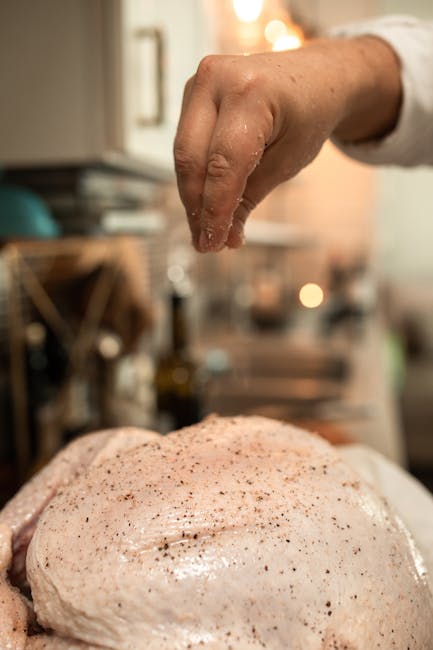
Herbs and spices are the backbone of any great turkey breast recipe. They add depth and complexity to the meat. Consider using rosemary and thyme for their earthy flavors that complement turkey well. Sage is another excellent choice, providing a slightly peppery taste with hints of mint and eucalyptus. You can also try paprika for a hint of smokiness and color that enhances the visual appeal of the dish. Have you ever tried adding garlic powder or onion powder? These two can provide an aromatic base that keeps your taste buds guessing. A sprinkle of black pepper and sea salt is essential to bring all these flavors together.
Marinades And Rubs
Marinades infuse the turkey with flavor from the inside out, while rubs create a flavorful crust on the outside. A simple marinade might include olive oil, lemon juice, and soy sauce. These ingredients not only tenderize the meat but also add a zesty kick. For a more robust flavor, consider a rub made with brown sugar, chili powder, and smoked paprika. This combination creates a sweet and spicy crust that is irresistible. You can also experiment with mustard powder and cumin for an added layer of flavor. Have you ever thought about using honey or maple syrup in your marinade? Their sweetness pairs beautifully with the savory spices, creating a delightful contrast. Think about your personal taste preferences and let them guide your choices. What flavors are you eager to try this time? The possibilities are endless, and the results are always delicious.
Preparation Techniques
Roasting turkey breast in the oven brings out rich flavors. Use olive oil, garlic, and herbs for seasoning. Cook until golden brown and juicy for the best taste.
Preparing a turkey breast for the oven is more than just a step in the cooking process—it’s the foundation for a delicious meal. The right preparation techniques can transform a simple turkey breast into a juicy masterpiece that leaves everyone craving more. Whether you’re a seasoned chef or a kitchen novice, understanding the nuances of preparation can elevate your turkey game to new heights. Here’s how to ensure your turkey breast is both flavorful and tender, starting with the essential steps of thawing and brining.
Thawing Methods
Proper thawing is crucial for even cooking. If you’re planning to cook a frozen turkey breast, patience is key. The safest method is to thaw it in the refrigerator. Allow approximately 24 hours for every 4-5 pounds of turkey breast. This slow and steady approach keeps the meat at a safe temperature and ensures it thaws evenly. In a pinch, you might need a faster method. Submerge the turkey breast in cold water, changing the water every 30 minutes. This method requires more attention, but it can thaw a small turkey breast in a few hours. Be careful not to use warm or hot water, as it can lead to uneven thawing and bacteria growth.
Brining For Juiciness
Brining is a game-changer for turkey breast. It infuses the meat with moisture and flavor, preventing it from drying out during roasting. A simple brine can be made with water, salt, and sugar. You can also add herbs and spices like rosemary or garlic for extra flavor. Immerse the turkey breast in the brine and refrigerate for several hours, or ideally overnight. You might wonder, is brining worth the effort? Absolutely. It acts like a magic potion, ensuring every bite is succulent and tasty. I remember my first brined turkey breast—it was a revelation. The meat was so tender and flavorful that I couldn’t believe it was the same cut I had cooked countless times before. What are your favorite flavors to add to a brine? Try experimenting with citrus peels or peppercorns to create a signature taste. Brining not only enhances juiciness but also allows you to personalize the dish to your taste buds.
Cooking The Turkey Breast
Roast turkey breast in the oven delivers juicy and flavorful meat. Use herbs and butter for extra taste. Perfect for family dinners or special occasions.
Cooking a turkey breast in the oven can be simple and satisfying. This method offers a juicy, flavorful result. Follow these steps to ensure your turkey breast is cooked to perfection.
Oven Temperature And Timing
Preheat the oven to 325°F for even cooking. Place the turkey breast in a roasting pan. Roast for about 20 minutes per pound. This ensures the meat stays moist. Cover the breast with foil for the first half of cooking. Remove the foil to let the skin crisp up nicely. Check the turkey every 30 minutes. Basting with its juices enhances flavor and tenderness.
Using A Meat Thermometer
Using a meat thermometer is crucial for safe cooking. Insert the thermometer into the thickest part of the breast. Avoid touching bone for an accurate reading. The turkey is done when it reaches 165°F internally. This temperature guarantees it’s safe to eat. Let the turkey rest for 15 minutes after removing from the oven. Resting allows the juices to redistribute. This results in a more succulent turkey breast.
Resting And Carving
Resting allows the turkey breast to retain its juices, ensuring tenderness. Carving the turkey properly enhances presentation and flavor. Together, these steps create the best oven-baked turkey breast experience.
Preparing a turkey breast in the oven is an art that balances flavor and tenderness. After roasting, the journey doesn’t end; resting and carving are crucial steps to elevate your dish. These moments can make or break the final taste. Imagine slicing into a turkey that has lost all its juices; resting prevents that. Carving is not just about serving; it’s about enhancing the presentation and texture of your meal. Let’s dive into how you can perfect these steps with ease.
Importance Of Resting
Resting is not just a culinary suggestion; it’s essential. Allowing your turkey breast to rest after cooking ensures that the juices redistribute throughout the meat. During cooking, the juices are forced to the center. Resting lets them seep back into every bite, making it tender and flavorful. Think of it as giving your turkey a moment to relax. Have you ever cut into a turkey too soon and watched the juices pool on the cutting board? Resting avoids this tragedy, ensuring every slice is juicy and delicious.
Carving Tips
Carving a turkey breast requires precision and patience. Start by using a sharp knife; this is non-negotiable for clean cuts. Place the turkey breast on a stable cutting board. Begin slicing against the grain for the most tender bites. Consider your presentation. Do you want thick, hearty slices or thin, delicate ones? Each choice affects the dining experience. Remember, it’s not just about cutting; it’s about showcasing the effort you put into cooking. What will your guests think as they see the perfectly carved slices? Take pride in your carving skills and let them reflect the care you put into the meal. — Whether you’re cooking for family or guests, mastering these steps can transform your turkey breast from ordinary to extraordinary. How will you elevate your next meal with these techniques?
Serving Suggestions
Turkey breast in the oven is a delicious dish. It shines on any dinner table. Serving it with the right sides elevates the meal. Let’s explore some delightful suggestions.
Accompaniments And Side Dishes
A warm, savory stuffing pairs well with turkey breast. Try a classic bread stuffing. Or experiment with wild rice and herbs. Mashed potatoes are another favorite choice. Creamy and smooth, they complement the turkey’s flavors.
Roasted vegetables add color and nutrition. Carrots, Brussels sprouts, and sweet potatoes are perfect options. A fresh salad can balance the richness. Consider greens with a light vinaigrette.
Presentation Ideas
Presentation matters. Slice the turkey breast evenly. Arrange the slices neatly on a platter. Garnish with fresh herbs like parsley or thyme. This adds a pop of color.
Use a beautiful serving dish. It enhances the meal’s appeal. Place side dishes in matching bowls. This creates a cohesive look. Add a small bowl of gravy on the side. It invites guests to pour as desired.
Set the table with care. Use elegant napkins and polished cutlery. These small touches make a big difference.
Troubleshooting Common Issues
Struggling with dry turkey breast? Discover simple tips for juicy results in the oven. Manage temperature and timing for perfect tenderness.
Cooking turkey breast in the oven can be a rewarding culinary adventure, but it’s not without its challenges. Common issues like dryness and overcooking can turn a promising meal into a disappointing one. Let’s tackle these head-on with practical solutions that ensure your turkey breast is juicy and flavorful every time.
Dryness Solutions
Dry turkey breast is a common pitfall. A key strategy is to brine the turkey breast before cooking. Brining involves soaking the turkey in a saltwater solution, which helps it retain moisture during roasting. Another tip is to use a meat thermometer. Insert it into the thickest part of the breast. Once it reaches 165°F (74°C), your turkey is done. This prevents drying out from overcooking. Consider covering the turkey breast with foil for most of the cooking time. This traps moisture, keeping the meat juicy. Remove the foil in the last 30 minutes to allow the skin to crisp up.
Avoiding Overcooking
Overcooking is a major culprit in robbing your turkey of its tenderness. To avoid this, pay close attention to the cooking time and temperature. Preheat your oven to the right temperature—around 325°F (163°C) is ideal. Cooking at a lower temperature ensures even cooking without drying out the edges. Set a timer based on the weight of the turkey breast. Generally, plan for 20 minutes per pound. Regular checks with a thermometer will help you stay on track. Have you ever tried resting your turkey after cooking? Allow it to rest for at least 15 minutes before carving. This lets the juices redistribute, ensuring each slice is perfectly moist. What other tricks have you found helpful in preventing common turkey cooking issues? Share your experiences in the comments!
Frequently Asked Questions
Should I Cook My Turkey Breast Covered Or Uncovered?
Cook turkey breast uncovered for crispy skin. Cover it if you prefer moist, tender meat. Adjust based on preference.
What Is The Secret To A Moist Turkey?
Brine your turkey to keep it moist. Use a saltwater solution and soak the turkey overnight. Roast it at a moderate temperature, basting regularly with juices. Let it rest before carving to retain juices. Use a meat thermometer to ensure it reaches 165°F for perfect doneness.
How Do You Cook The Turkey So That The Breast Doesn’t Dry Out?
Cook turkey breast-side down initially to retain moisture. Use a meat thermometer for precise cooking. Basting with butter or broth helps. Tent with foil during cooking. Let it rest before carving to preserve juices.
How Long Do Turkey Breasts Take To Cook In The Oven?
Turkey breasts typically take 20 minutes per pound to cook in the oven at 350°F. Always check with a meat thermometer to ensure an internal temperature of 165°F. Adjust cooking time based on size and oven variability for perfect results.
Conclusion
Cooking turkey breast in the oven can be simple and satisfying. Just follow the steps shared. Your family will enjoy the juicy flavors. It’s perfect for any occasion. The herbs and spices add warmth. Serve it with your favorite sides.
You’ll love the tenderness of each bite. Remember, practice makes perfect. Try different herbs to see what you like best. This recipe is easy to customize. So, get ready to impress your guests. Enjoy your delicious meal with loved ones.
Happy cooking!








