Affiliate Disclosure: This post may contain affiliate links. If you purchase through links on our site, we may earn an affiliate commission at no extra cost to you.
Are you ready to transform your dinner table into a feast of flavors with an oven roast that leaves everyone craving more? Choosing the right cut of pork can make all the difference between a good meal and a culinary masterpiece.
You deserve a dish that’s not only succulent but also bursting with savory goodness. Whether you’re planning a special gathering or simply elevating your weeknight dinner, finding the best pork cut is your secret ingredient to success. Dive into this article to discover the ideal pork cut for oven roasting that will tantalize your taste buds and impress your guests.
Keep reading, and unlock the secrets to a perfect roast that will have everyone asking for seconds!
Choosing The Perfect Pork Cut
Selecting a pork loin or shoulder cut ensures a juicy oven roast. These cuts offer rich flavor and tender texture. Perfect for family dinners or holiday feasts.
Choosing the perfect pork cut for oven roasting enhances your culinary experience. The right cut promises a flavorful and tender roast. Different cuts offer unique textures and flavors. Understanding these can elevate your dish to new heights. Let’s explore how to choose the best cut for your next roast.
Factors To Consider
Consider the size of your roast. Larger cuts feed more people. Small cuts cook faster. Think about the flavor profile you desire. Some cuts are lean and mild. Others are fatty and rich. Cooking time also matters. Some cuts need longer roasting. Others are quick to cook. Your budget is important too. Premium cuts cost more. Budget-friendly options can still be delicious.
Popular Cuts For Roasting
Pork loin is a popular choice. It’s tender and lean. Perfect for a classic roast. Pork shoulder is another favorite. It’s flavorful and juicy. Best for slow roasting. Pork belly offers rich flavor. Known for its crispy skin. Ideal for a special occasion. Pork tenderloin is also popular. It’s lean and cooks quickly. Suited for a quick meal. Each cut offers something unique. Choose based on your needs.
Pork Shoulder: A Flavorful Choice
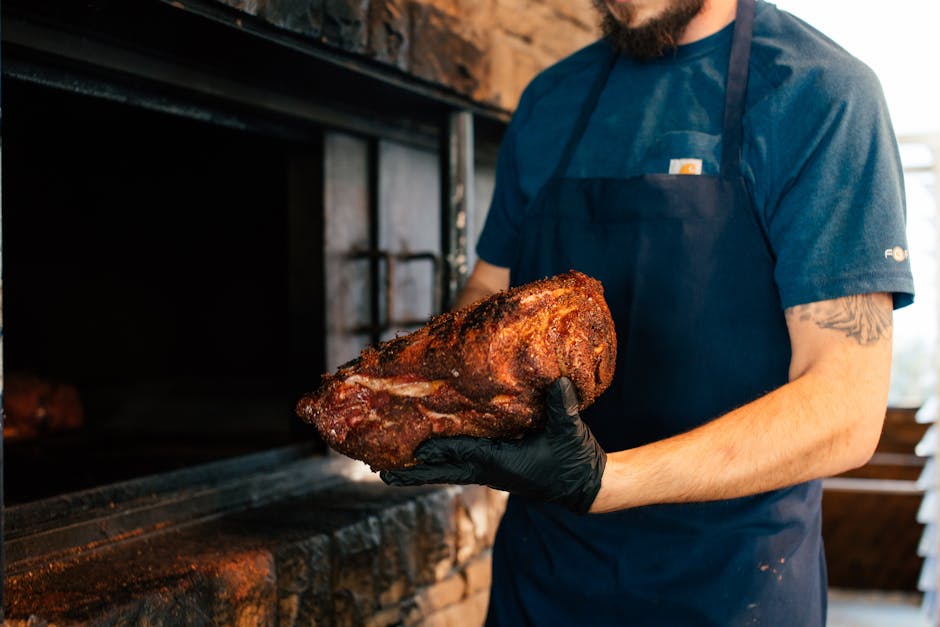
Pork shoulder offers rich flavor and tender texture, making it ideal for oven roasting. This cut retains moisture well, ensuring juicy results. Perfect for slow-cooking, it absorbs seasonings beautifully, creating a savory dish that delights every palate.
When you’re planning an oven roast, the pork shoulder stands out as a flavorful choice. Its rich taste and versatility make it a favorite among both professional chefs and home cooks. Imagine the aromas wafting through your kitchen as this delicious cut slowly roasts, promising a meal that’s both satisfying and memorable.
Texture And Marbling
The texture of pork shoulder is unique, offering a balance of tenderness and chewiness. Its marbling, or the fat interspersed within the meat, ensures that the roast remains juicy. This marbling melts during cooking, infusing the meat with flavor and moisture. Have you ever noticed how some roasts tend to dry out? Pork shoulder’s marbling prevents this, making it a reliable choice for your dinner table. The marbling also contributes to its rich, succulent flavor that can elevate your roast from ordinary to extraordinary.
Cooking Techniques
Cooking pork shoulder isn’t complicated, but it does require patience. Roasting it slowly at a low temperature allows the connective tissues to break down, resulting in a tender, mouthwatering dish. You can enhance its flavor with a simple rub of salt, pepper, garlic, and herbs. Or, try marinating it overnight for an added punch of flavor. Do you prefer a crispy exterior? Consider finishing it at a higher temperature for the last 30 minutes. Remember to let it rest after cooking. This helps the juices redistribute, making each bite as flavorful as the last. Whether you’re a seasoned cook or a kitchen newbie, mastering pork shoulder can transform your culinary skills and impress your guests.
Pork Loin: A Lean Option
If you’re looking for a lean and flavorful cut of pork for your next oven roast, the pork loin is a fantastic choice. It’s a versatile cut that doesn’t compromise on taste while being a healthier option compared to other pork cuts. Imagine a Sunday roast that’s not only delicious but also conscious of your health goals. The pork loin might just be your new best friend in the kitchen.
Health Benefits
Pork loin is known for being a lean cut, meaning it contains less fat than many other pork options. This makes it a great choice if you’re watching your calorie intake or looking to reduce fat in your diet. It’s packed with protein, which is essential for muscle repair and growth.
Additionally, pork loin provides important nutrients such as vitamin B6, thiamine, and potassium. These nutrients play a vital role in maintaining energy levels and supporting overall health. So, choosing pork loin isn’t just about reducing fat; it’s about boosting nutrition too.
Ideal Seasonings
Seasoning your pork loin can elevate its flavor profile significantly. A simple blend of salt, pepper, and garlic powder can do wonders. But why not get a bit adventurous?
Consider adding a rub of rosemary, thyme, and olive oil for a Mediterranean twist. If you like a bit of sweetness, try a glaze made from honey and Dijon mustard. Have you ever tried a spicy kick with paprika and cayenne? It might just surprise you with how well it complements the lean pork loin.
Remember, the key to a perfect roast is allowing the flavors to infuse by seasoning it at least an hour before cooking, or even better, overnight. What’s your favorite seasoning combo for pork loin?
Pork Belly: Rich And Juicy
Pork belly is a cut that promises a delightful oven roast. The layers of fat and meat create a rich and juicy experience that few other cuts can match. Every bite is a celebration of flavors, especially when prepared with attention to detail.
Crispy Skin Tips
Achieving that perfect crispy skin is a game-changer. Start by scoring the skin with a sharp knife to help the heat penetrate evenly. Pat it dry with paper towels to remove excess moisture, ensuring crispiness.
Sprinkle a generous amount of salt on the skin. This draws out moisture and enhances the crunch. A quick blast of high heat at the beginning or end of roasting seals the deal.
Flavor Enhancements
Looking to elevate the taste? Try marinating your pork belly overnight in a mix of soy sauce, garlic, and honey. This infusion adds depth and sweetness to the juicy meat.
Alternatively, consider rubbing a blend of spices like paprika, cumin, and chili powder. This brings a spicy kick that complements the rich texture. Have you tried experimenting with fresh herbs? Sage and thyme can offer a refreshing twist.
Imagine the aroma filling your kitchen as you roast. What flavors will you choose to make your pork belly unforgettable?
Preparing Pork For Oven Roasting
Choosing the best pork cut is essential for oven roasting. Pork loin offers a tender and juicy result. Its lean texture makes it ideal for roasting, ensuring a flavorful meal.
Preparing pork for oven roasting is a crucial step in achieving a succulent and flavorful dish. Whether you’re a seasoned chef or a home cook, understanding how to prep your pork can make all the difference. The process involves more than just seasoning; it’s about enhancing the natural taste and texture of the meat. You might have tried various methods, but have you ever considered brining or marinating? These techniques can elevate your roast to a whole new level.
Brining Methods
Brining is an excellent way to infuse flavor and moisture into your pork. A simple saltwater solution can dramatically change the texture and taste. You can start with a basic brine by dissolving salt in water, then add sugar, herbs, and spices. Have you ever tried adding apple cider to your brine? It adds a subtle sweetness that complements pork beautifully. For a more intense flavor, consider using a beer-based brine. This method can make your pork roast tender and deeply flavorful.
Marinade Ideas
Marinating pork is another effective technique to enhance taste. A good marinade can make your roast juicy and aromatic. Try using a mixture of olive oil, garlic, and rosemary for a classic Mediterranean flavor. If you prefer a bit of heat, a marinade with chili paste, soy sauce, and ginger might be your go-to option. Do you love Asian flavors? A marinade with hoisin sauce, honey, and sesame oil can give your pork a delightful twist. Experiment with different ingredients and discover what suits your palate. Which method will you try next time? The choice is yours, and each option promises a delicious result.
Cooking Times And Temperatures
Pork loin is ideal for oven roasting, offering tender meat and delicious flavor. Cook at 375°F for 20 minutes per pound. Rest the roast before slicing for juicy results.
Cooking the perfect pork roast in the oven is all about mastering the right cooking times and temperatures. Whether you’re preparing a juicy pork loin or a succulent shoulder, timing and heat are crucial. You might wonder, is it better to cook it fast or slow? The answer varies depending on the cut and your taste preferences. But one thing’s for sure: a well-cooked pork roast is a delight to the senses.
Internal Temperature Guidelines
Knowing the correct internal temperature is vital for a safe and tasty pork roast. Aim for a minimum of 145°F (63°C) for medium-rare, which is the USDA’s recommendation. This will ensure your pork is safe to eat while maintaining its juiciness. Use a meat thermometer to check the temperature at the thickest part of the cut. Cooking larger cuts like pork shoulder to 190°F (88°C) can make it fall-off-the-bone tender. If you prefer your pork roast with a bit more firmness, a lower temperature around 160°F (71°C) might be your target. Always remember, the thermometer is your best friend in the kitchen.
Resting Period Advice
Resting your pork roast after cooking is essential. This allows the juices to redistribute, making each bite more flavorful. Aim to let your roast rest for at least 15 minutes after removing it from the oven. This can be a great time to prepare your side dishes or set the table. During this resting period, the internal temperature can rise by up to 10 degrees. So, if you’re aiming for a specific doneness, consider pulling the roast out a bit earlier. Have you ever cut into a roast too soon and watched the juices spill out? Resting prevents this, ensuring a moist and delicious meal. Are you ready to roast the best pork dinner yet? Keep these tips in mind, and you’ll impress your guests with a dish that’s cooked to perfection.
Serving Suggestions
Roasting pork in the oven creates a delicious meal. Choosing the right sides and wine enhances the experience. The best pork roast deserves a well-thought-out presentation. Below are some serving suggestions. Make your meal unforgettable.
Side Dishes
Roast pork pairs well with many side dishes. Mashed potatoes offer a creamy contrast. Roasted vegetables add color and flavor. Consider carrots, Brussels sprouts, or green beans. A fresh salad can also balance the richness. Use crisp lettuce, tomatoes, and cucumbers. Dress it with a light vinaigrette.
Wine Pairings
Choosing the right wine elevates your meal. White wines, like Chardonnay, complement pork well. They bring out the flavors without overpowering. Red wines, such as Pinot Noir, also work. They add depth to the meal. Choose what suits your taste best. It makes the meal more enjoyable.
Frequently Asked Questions
What Cut Of Pork Is Best For Baking?
The pork loin is ideal for baking due to its tenderness and flavor. It cooks evenly and remains juicy. Ensure to season well for enhanced taste. Opt for bone-in loin for extra flavor. Baking at a moderate temperature ensures perfect results every time.
What Is The Best Cut Of Pig For Roasting?
The best cut of pig for roasting is the pork shoulder. It offers tender, flavorful meat with crispy skin. Opt for a bone-in, skin-on shoulder for optimal results. This cut is ideal for slow roasting, ensuring a juicy and delicious dish.
Remember to season well for enhanced taste.
What Is Better, Roast Pork Leg Or Shoulder?
Roast pork leg is leaner and ideal for slicing. Pork shoulder is juicier, perfect for pulled pork. Both cuts offer distinct flavors, depending on your preference and cooking method. Choose pork leg for a healthier option or pork shoulder for richer taste.
What Is The Most Tender And Moist Cut Of Pork?
The pork tenderloin is the most tender and moist cut. It is lean, flavorful, and cooks quickly. This cut is ideal for grilling, roasting, or pan-searing. For best results, avoid overcooking to retain its juiciness. Consider marinating for enhanced flavor.
Conclusion
Choosing the right pork cut ensures a flavorful oven roast. Pork loin is tender and juicy. It’s ideal for those special meals. Shoulder cuts bring rich flavor and moist texture. Perfect for hearty dinners. Belly cuts offer crispy skin and soft meat.
A favorite for roast lovers. Always consider your taste and occasion when selecting. Each cut offers unique benefits and taste. Try different cuts for varied experiences. Experimenting can lead to delightful discoveries. Enjoy your roasting adventures. Remember, the perfect roast begins with the right cut.
So, choose wisely and savor every bite.








