Affiliate Disclosure: This post may contain affiliate links. If you purchase through links on our site, we may earn an affiliate commission at no extra cost to you.
Have you ever wondered why your homemade pizza doesn’t quite hit the mark like the ones from your favorite pizzeria? You’re not alone.
The secret often lies in the temperature of your pizza oven. Getting the temperature just right can mean the difference between a soggy crust and a perfectly crispy slice that makes your taste buds dance. But what is the best temperature for a pizza oven?
We’ll explore the ideal temperature settings that can transform your pizza-making experience at home. Whether you’re a seasoned home cook or just starting out, understanding this key element will elevate your pizza game to a whole new level. Stick around to discover how you can achieve that restaurant-quality pizza right in your own kitchen.
Ideal Temperature Range
An ideal pizza oven temperature ranges between 450°F and 500°F. This heat ensures a crispy crust. It also melts cheese perfectly and cooks toppings evenly.
Achieving the perfect pizza is both an art and a science, and the temperature of your pizza oven plays a crucial role. The ideal temperature range ensures a crisp crust, melty cheese, and toppings that are cooked to perfection. Whether you’re using a traditional wood-fired oven or your kitchen’s electric one, understanding this temperature sweet spot can elevate your pizza-making game.
Understanding The Ideal Temperature Range
A pizza oven should be hot, but how hot is just right? The ideal temperature range for most pizzas is between 450°F and 500°F (232°C and 260°C). This high heat ensures a quick bake, resulting in a crispy crust with a chewy interior. Some traditional recipes, especially Neapolitan pizza, require even higher temperatures. Authentic Neapolitan pizzas are often baked in wood-fired ovens at around 800°F (427°C) for just 60 to 90 seconds. This intense heat creates a distinctive char and flavor that many pizza lovers crave.
Adjusting For Different Types Of Pizza
Different styles of pizza may require slight adjustments in temperature. For a classic New York-style pizza, aim for the lower end of the ideal range. This allows the crust to become slightly crispy while the center remains soft and chewy. In contrast, a thicker crust, like that of a deep-dish pizza, benefits from a slightly lower temperature. Cooking these at around 375°F (190°C) gives the dough time to cook through without burning the edges. Always consider the thickness and style of your pizza when setting your oven’s temperature.
Personal Experience: Finding Your Perfect Temperature
I once hosted a pizza night where each guest made their own pizza. We experimented with different temperatures, and the results were eye-opening. While 475°F (246°C) was perfect for a thin crust, it wasn’t ideal for a heavier, topping-laden pizza. The takeaway? Don’t be afraid to experiment and find what works best for your oven and your taste. Remember, every oven is different, and factors like humidity and altitude can also affect baking times and temperatures. What works in one kitchen might not in another, so stay flexible and attentive.
Practical Tips For Consistent Results
Consistency is key for achieving great pizza every time. Use an oven thermometer to ensure your oven is at the correct temperature. Preheat your oven for at least 30 minutes to achieve an even heat distribution. If using a pizza stone, allow it to heat up along with the oven. This helps in achieving a crispy bottom crust. Lastly, consider the positioning of your pizza. Placing it on the middle rack can help avoid burning the crust while ensuring even cooking. What temperature do you usually bake your pizzas at, and have you found your perfect range? Share your experiences and let’s learn from each other!
Factors Influencing Temperature
Ideal temperature for pizza ovens ranges between 450°F and 500°F. Heat distribution affects the cooking process. Crust texture and topping flavor depend on maintaining consistent heat levels.
When you’re crafting the perfect pizza, the temperature of your oven is crucial. It can make or break the texture and flavor of your pie. Factors like oven type, pizza style, and dough thickness all play a significant role in determining this ideal temperature. Let’s dive into these elements to help you achieve pizza perfection.
Oven Type
The type of oven you use has a significant impact on temperature settings. A traditional wood-fired oven, like the ones in Italy, can reach temperatures of up to 900°F (482°C). This high heat is perfect for cooking a Neapolitan pizza in just 60 to 90 seconds. In contrast, a standard home oven usually maxes out at around 500°F (260°C). This means you’ll need a longer cooking time, typically 10 to 12 minutes, to ensure your pizza is evenly baked. Have you ever thought about how your oven type could limit or enhance your pizza-making skills?
Pizza Style
Different pizza styles demand different baking temperatures. A New York-style pizza, known for its thin and crispy crust, bakes best at around 500°F (260°C). This temperature allows the crust to crisp up while keeping the toppings perfectly cooked. On the other hand, a deep-dish Chicago pizza needs a lower temperature, around 425°F (218°C), for a longer period. This ensures that the thick crust is fully baked and the cheese melts to a gooey perfection. Have you considered how varying your oven’s temperature could lead to experimenting with different pizza styles at home?
Dough Thickness
The thickness of your dough is another critical factor. Thinner doughs require higher temperatures for a shorter time to achieve that desired crispiness. A temperature of 475°F (246°C) is usually ideal for a thin crust to ensure it cooks swiftly without drying out. Thicker doughs, like those used in Sicilian pizzas, need a lower temperature, around 400°F (204°C), and a longer baking time. This allows the interior to cook thoroughly without burning the exterior. Adjusting your oven’s temperature based on dough thickness can significantly improve your pizza’s texture and taste. Have you tried experimenting with different doughs to find your preferred crust thickness? Understanding these factors can transform your pizza-making experience. By fine-tuning your oven temperature based on these elements, you can consistently create pizzas that are crispy, delicious, and tailored to your taste. Next time you make a pizza, consider these factors and watch your culinary skills soar.
Wood-fired Ovens
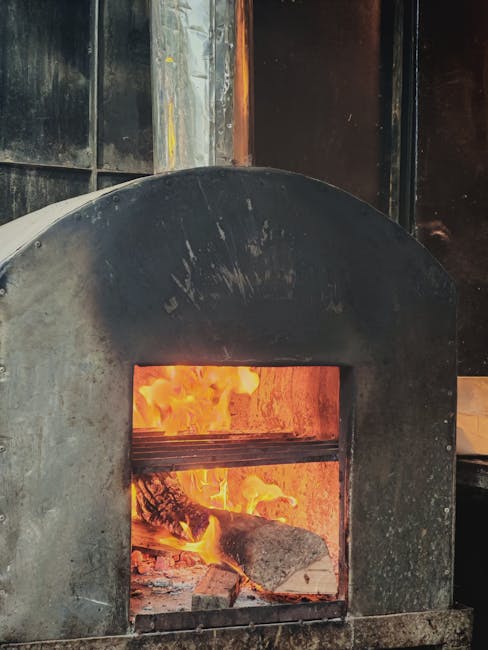
Wood-Fired Ovenshold a special place in the heart of pizza enthusiasts. They bring out flavors that are hard to replicate with any other method. The aroma of burning wood and the crispy, perfectly cooked crust can transport you to the rustic charm of an Italian countryside.
Traditional Techniques
Wood-fired ovens have been around for centuries. They were the original pizza ovens, used by generations of bakers who perfected their craft. These ovens rely on burning wood to generate heat, which creates a unique cooking environment.
The art lies in managing the fire. You need to know how much wood to add and when to stoke the flames. The right combination of heat and timing can turn a simple dough into a masterpiece.
Have you ever tried making pizza in a wood-fired oven? If not, you’re missing out on a sensory experience. Imagine the crackle of firewood and the sight of flames dancing around your pizza. It’s an adventure for your taste buds and your senses.
Optimal Heat Levels
The perfect temperature for a wood-fired pizza oven is usually between 750°F and 900°F. This high heat ensures that your pizza cooks quickly, giving it a crispy crust while keeping the toppings fresh.
It’s a delicate balance. Too low, and your pizza might end up soggy. Too high, and you risk burning it. Once you find the sweet spot, your pizza will emerge with a perfect blend of textures and flavors.
Remember, every oven is different. You might need a bit of experimentation to find the ideal heat level for your setup. But once you do, you’ll be rewarded with pizzas that your friends and family will crave.
Have you considered the impact of temperature on your pizza? Next time you fire up your oven, pay close attention to the heat. It might just be the secret ingredient you’ve been missing.
Electric And Gas Ovens
Electric and gas ovens are popular choices for home pizza enthusiasts. They offer convenience and versatility, but understanding the best temperature settings can transform your pizza from ordinary to extraordinary. Whether you’re a seasoned chef or a home cook experimenting with pizza recipes, mastering the temperature of your electric or gas oven is essential.
Temperature Settings
Finding the perfect temperature setting for your pizza is crucial. Electric ovens typically range between 450°F to 500°F, while gas ovens can reach higher temperatures around 500°F to 550°F. This might sound like a small difference, but it can significantly impact the crust’s texture.
Have you ever tried baking a pizza at 400°F, only to end up with a soggy middle? Cranking up the heat can make all the difference, giving you a crispy crust and perfectly melted cheese. Try experimenting within these ranges to find your sweet spot!
Consistency And Control
Electric ovens offer more consistency in temperature. You set it, and it stays there, which is great for beginners. This means fewer surprises and more predictable results. Perfect for when you’re hosting friends and want to impress with your pizza skills.
Gas ovens, on the other hand, provide quick heat adjustments. Imagine you’re halfway through baking, and you realize the crust isn’t browning evenly. With a gas oven, you can tweak the temperature and see immediate results. This flexibility is ideal for fine-tuning your pizza masterpiece.
What method suits you best? The steady reliability of an electric oven or the quick adaptability of a gas oven? Share your thoughts in the comments below!
Achieving Crispy Crust
Achieving a crispy crust requires the right oven temperature. Set the pizza oven between 475°F and 500°F. This high heat cooks the pizza evenly, creating a deliciously crispy base.
Achieving crispy crust is the holy grail for many pizza enthusiasts. Imagine biting into a slice with a perfect balance of crunch and chew. The secret lies in finding the right oven temperature. But what exactly is that magic number? Let’s dive into how temperature impacts your pizza and how baking time plays a role.
Temperature Impact
The temperature of your pizza oven is crucial in achieving a crispy crust. A home oven typically reaches around 500°F, while commercial pizza ovens can soar to 900°F. Higher temperatures lead to faster cooking, which helps to lock in moisture and create a crispy outer layer. If you’ve ever wondered why restaurant pizzas have that irresistible crunch, it’s because they use high-heat ovens. You might think turning up your oven to its highest setting will do the trick, but remember that not all ovens are created equal. Some may not distribute heat evenly, leading to uneven baking.
Baking Time
Baking time is another critical factor. While high temperatures are essential, leaving the pizza in the oven too long can dry it out. The ideal baking time varies depending on your oven’s temperature. In a home oven at 500°F, aim for about 10 minutes. In a wood-fired oven reaching 900°F, your pizza might be ready in just 90 seconds! Experiment with different baking times to find what works for your oven. Keep a close watch; slight variations can make a big difference. Have you ever pulled out a pizza that’s overcooked or underdone? It may be time to adjust your baking time based on your specific oven. Achieving the perfect crispy crust isn’t just about following a recipe; it’s about understanding your oven’s quirks. What steps will you take to master your next homemade pizza?
Heat Distribution
Finding the right temperature for a pizza oven ensures perfect heat distribution. Ideally, set the oven to 475-500°F (245-260°C). This range crisps the crust while melting cheese evenly.
Heat distribution is key to achieving the perfect pizza. If you’ve ever wondered why some pizzas are perfectly crisp while others are soggy or burnt, it’s all about how heat is spread throughout the oven. A well-distributed heat ensures that every inch of your pizza is cooked evenly, delivering that mouth-watering taste you crave.
Even Cooking
A pizza cooked evenly is a pizza done right. When heat is evenly distributed in your oven, each part of the pizza—from the crust to the toppings—receives the same amount of heat. This means no burnt crusts or undercooked centers. Think of a time when you enjoyed a slice with a perfectly golden crust and evenly melted cheese. That’s the result of even cooking. Consider using a pizza stone or a steel sheet in your oven. These tools help in spreading heat evenly, ensuring your pizza cooks uniformly.
Avoiding Hot Spots
Hot spots in your oven can be a real problem. They cause some areas to cook faster than others, leading to unevenly baked pizza. This can be frustrating when you pull out a pizza that’s burnt on one side and raw on the other. You can test for hot spots by placing slices of bread across the oven and observing how they brown. Adjust your pizza’s position during baking to ensure it avoids these areas. Have you ever rotated your pizza halfway through baking? This simple trick can help avoid those pesky hot spots, giving you a more consistent cook. Remember, achieving the best temperature for your pizza oven is not just about setting the right degrees. It’s about ensuring that the heat is distributed evenly to avoid hot spots and guarantee every slice is as delicious as the first. Have you tried any techniques to improve heat distribution in your pizza oven? Share your thoughts!
Adjusting For Toppings
Finding the best temperature for a pizza oven depends on various factors. The type of toppings plays a crucial role. Different toppings require different heat settings to cook properly. Adjusting the temperature ensures each ingredient cooks just right. This section explores how to balance ingredients and understand heat absorption.
Balancing Ingredients
Each topping has a unique cooking requirement. Vegetables like peppers and onions need high heat. This helps them cook quickly and retain crunch. Cheese melts well at moderate temperatures. Meats like sausage or pepperoni need thorough cooking. Adjusting temperature helps in balancing these needs. Ensure all toppings are perfectly cooked.
Heat Absorption
Oven heat absorption affects how toppings cook. Different materials absorb heat differently. Stone ovens retain heat longer. This helps in cooking thick crusts and multiple toppings. Metal ovens heat faster but cool quickly. Consider the oven type when adjusting temperature. It ensures toppings cook evenly without burning.
Common Mistakes
Getting the temperature right in a pizza oven can be tricky, and there are a few common mistakes that many make. These errors can lead to a disappointing pizza, leaving you wondering what went wrong. Let’s dive into these pitfalls and how you can avoid them.
Overheating Issues
One major mistake is overheating the pizza oven. It’s tempting to crank up the heat, thinking it will cook the pizza faster. But too much heat can burn the crust before the toppings are ready. Picture the frustration of pulling out a pizza with a charred bottom and raw cheese.
Keep the oven temperature between 475°F to 500°F. This range ensures a crispy crust and perfectly melted toppings. Have you ever rushed a pizza, only to have the edges blackened? Slow down and watch the magic happen at the right temperature.
Undercooked Centers
Another common issue is undercooked centers. You might be eager to serve your pizza, but a doughy center is a sign that the oven wasn’t hot enough. Have you ever bitten into a pizza expecting a delicious bite, only to find it’s still doughy?
A consistent temperature ensures the entire pizza cooks evenly. Consider using a pizza stone for better heat distribution. It’s a small investment for a big difference in your pizza’s texture. How often have you cut a slice, hoping for perfection, only to find the center lacking?
Remember, the right oven temperature is crucial for a pizza that’s crispy outside and perfectly cooked inside. Avoid these common mistakes, and you’ll be on your way to pizza perfection. Are you ready to transform your pizza game?
Monitoring Techniques
Achieving the perfect pizza involves careful temperature control in the oven. Ideal temperature ranges from 450°F to 500°F. This ensures a crispy crust and evenly cooked toppings. Monitoring techniques like using an oven thermometer can help maintain this optimal heat level.
Monitoring the temperature of your pizza oven is crucial to achieving that perfect crust and deliciously melted cheese. But how do you ensure your oven is just right? Let’s dive into some practical monitoring techniques that can help you master your pizza baking skills. Whether you rely on thermometers or keen observation, these approaches can significantly enhance your cooking experience.
Using Thermometers
Thermometers are your best friend in the kitchen when it comes to precision. A high-quality oven thermometer can give you real-time data, allowing you to adjust the heat to your desired level. Digital thermometers are especially handy, offering easy-to-read displays and quick measurements. Imagine setting up your pizza, only to find the oven is too cool or unbearably hot. A thermometer keeps you informed, helping you avoid such mishaps. Consider investing in an infrared thermometer for quick surface checks—it’s a game-changer for monitoring pizza stones!
Visual Cues
Sometimes, your senses are the best tools. Visual cues play a significant role in understanding your oven’s temperature. Look for the color change in the crust—golden brown usually means you’re in the right zone. Watch the cheese. Bubbling and slight browning indicate the oven is hot enough. Too fast, and the cheese might burn; too slow, and it won’t melt properly. Have you ever noticed the smell of baking pizza? It’s an excellent cue that your oven is hot enough. If you don’t smell anything, maybe it’s time to crank up the heat. Can you recall a time when your pizza didn’t quite turn out as expected? Maybe the cheese was too runny or the crust was too hard. Paying attention to these visual cues can prevent such disappointments. How do you ensure your pizza oven is at the perfect temperature? Share your techniques and experiences with us!
Frequently Asked Questions
What Is The Best Temperature To Cook Pizza In A Pizza Oven?
The ideal pizza oven temperature is 450-500°F (232-260°C). This ensures a crispy crust and even cooking. Preheat the oven for at least 30 minutes. Use a pizza stone for best results. Check the pizza frequently to avoid burning. Adjust temperature based on toppings and crust thickness.
Is It Better To Bake Pizza At 450 Or 500?
Baking pizza at 500°F typically yields a crispier crust and faster cooking time. It enhances flavors and textures. For a softer crust, 450°F is preferred. Always monitor to avoid burning. Adjust based on personal preference and oven performance for best results.
Is 500 Degrees Too Hot For A Pizza Stone?
500 degrees is suitable for a pizza stone. It helps achieve a crispy crust. Ensure your stone is preheated properly. Always check the manufacturer’s guidelines to avoid damage.
Is 350 Hot Enough For Pizza?
350°F is not ideal for pizza. Aim for 450-500°F for a crispy crust. Use a preheated pizza stone for better results.
Conclusion
Finding the right pizza oven temperature is crucial. It affects crust texture and flavor. For a crispy crust, aim for 700-900°F. This high heat cooks pizza quickly and evenly. Balance is key. Too hot, and toppings burn. Too cool, and crust turns soggy.
Experiment with your oven. Each has unique quirks. Practice makes perfect. Remember to check often. Adjust as needed. Enjoy making delicious, homemade pizza. Your perfect temperature depends on personal preference. Keep experimenting. Happy pizza baking!








