Affiliate Disclosure: This post may contain affiliate links. If you purchase through links on our site, we may earn an affiliate commission at no extra cost to you.
Imagine the perfect ribeye steak—juicy, tender, and bursting with flavor. It’s the kind of meal you dream about, and the good news is, you can achieve it right in your own kitchen using just your oven.
You don’t need to be a professional chef to master this; all it takes is a few simple steps and the right technique. Whether you’re planning a special dinner or simply craving a mouthwatering steak, knowing the best recipe for ribeye steak in the oven can transform your meal from ordinary to extraordinary.
Get ready to impress your taste buds and discover a foolproof way to enjoy a steakhouse-quality dish without ever leaving your home. Keep reading, because this recipe will not only satisfy your cravings but also make you the hero of your own culinary story.
Choosing The Perfect Ribeye
For the best ribeye steak in the oven, start with a thick, well-marbled cut. Season generously with salt and pepper. Cook at high temperature for a juicy, tender experience.
Choosing the perfect ribeye steak for your oven-cooked masterpiece can be the difference between a good meal and an unforgettable one. Understanding how to select the right cut and appreciate the intricacies of marbling is essential. Let’s dive into what makes a ribeye truly stand out and how you can choose the best one for your culinary adventure.
Selecting The Right Cut
When you’re standing at the butcher’s counter, it’s easy to feel overwhelmed by the variety of cuts. Always look for ribeyes that are at least one inch thick. This thickness is ideal for oven cooking, allowing for a juicy interior and a perfect crust. Consider the color of the meat. A bright, cherry-red hue is a good indicator of freshness. Avoid any steaks that look dull or have dark spots. Trust your senses; if a cut looks appealing, it’s likely a winner. If you have a local butcher, ask for their recommendation. They can often guide you to the best piece available, and you might even learn something new about their sourcing.
Understanding Marbling
Marbling refers to the white flecks of fat within the meat. This fat melts as the steak cooks, infusing it with flavor and tenderness. The more marbling, the richer and juicier your ribeye will be. Examine the distribution of marbling throughout the steak. Evenly distributed marbling ensures consistent flavor in every bite. Avoid steaks with large chunks of fat on the edges; they won’t enhance flavor as effectively as marbling within. Consider your taste preferences. If you prefer a leaner steak, opt for ribeyes with less marbling. However, if you’re a fan of rich, buttery flavors, embrace the marbled cuts. After all, choosing a ribeye is as much about your personal taste as it is about the cut itself. Have you ever chosen a steak based on marbling alone? It can be a game-changer, especially when aiming for that steakhouse-quality meal at home.
Prepping The Steak
Preparing a ribeye steak in the oven starts with seasoning. Use salt, pepper, and garlic powder for flavor. Ensure the oven is preheated to 375°F for even cooking.
Preparing a ribeye steak for the oven is an art that can transform a simple meal into a memorable dining experience. The key to achieving that perfect, mouthwatering steak lies in the prep work. Whether you’re a seasoned chef or a home cook, understanding the nuances of thawing and seasoning will set the stage for culinary success.
Thawing Techniques
Bringing your ribeye to the right temperature is crucial. A frozen steak won’t cook evenly, and you risk ruining its texture. Place your steak in the refrigerator 24 hours before cooking. This gradual thawing keeps the meat tender and juicy. If you’re pressed for time, submerge the sealed steak in cold water for a quicker thaw. Avoid using the microwave. It’s tempting but can start cooking the steak prematurely. Have you ever noticed unevenly cooked parts of meat? That’s usually the culprit.
Seasoning Essentials
Seasoning can make or break your ribeye. It’s not just about salt and pepper; it’s about enhancing the steak’s natural flavors. Pat your steak dry before adding any seasonings. This helps the spices stick better and creates a beautiful crust. Generously apply kosher salt and freshly ground black pepper. These basics amplify the steak’s taste without overpowering it. Want to experiment? Try adding garlic powder or a dash of smoked paprika for an extra kick. Let the seasoned steak sit at room temperature for about 30 minutes. This allows the spices to penetrate and the meat to relax, making it more tender when cooked. Prepping your ribeye with care ensures every bite is a celebration of flavors. What will you experiment with on your next steak night?
Oven Cooking Techniques
Preparing ribeye steak in the oven is simple and delicious. Season the steak with salt and pepper. Preheat the oven, sear the steak in a hot pan, and then bake until desired doneness. Rest before serving. Enjoy a juicy and flavorful meal.
Cooking a ribeye steak in the oven can seem intimidating, but with the right techniques, it transforms into a savory masterpiece. Oven cooking provides a consistent heat that ensures a perfectly cooked steak every time. Whether you’re a seasoned chef or a kitchen novice, mastering oven techniques for ribeye steak is easier than you might think. Let’s dive into the specifics of what makes oven cooking so effective for this delicious cut of meat.
Temperature Settings
Finding the right temperature is crucial for achieving that perfect sear and juicy interior. Preheat your oven to 450°F (232°C). This high heat gives the steak a beautiful crust while keeping the inside tender. A lower temperature around 375°F (190°C) can be used if you prefer a more even cook throughout. This might take a little longer, but it ensures every bite is cooked to perfection. Have you ever tried cooking with a two-step method? Sear the steak on the stove first, then finish in the oven. This technique offers the best of both worlds—crispy outside, tender inside.
Cooking Times
Timing is everything in cooking, especially with ribeye steak. A thick steak, about 1.5 inches, should be cooked for approximately 5-7 minutes per side for medium-rare. If you like your steak medium, aim for 8-10 minutes per side. Keep an eye on it to avoid overcooking, as ribeye can quickly go from perfectly cooked to dry. Using a meat thermometer is a game-changer. Aim for an internal temperature of 135°F (57°C) for medium-rare and 145°F (63°C) for medium. Ever noticed how some chefs can just feel when meat is done? A thermometer gives you that same confidence.
Additional Tips
– Let the steak rest: After cooking, let it rest for about 5 minutes. This allows the juices to redistribute, making each bite flavorful. – Use a cast-iron skillet: It retains heat well, ensuring an even cook. – Season generously: Salt and pepper are your best friends. They enhance the natural flavors without overpowering the meat. What’s your favorite oven technique for ribeye steak? Experiment with these tips, and you’ll soon find the method that works best for you. Cooking steak is an art, and with practice, your oven-cooked ribeye will be a culinary masterpiece.
Achieving Desired Doneness
Cooking a ribeye steak in the oven can be a delightful experience. Achieving the perfect doneness is crucial for a satisfying meal. Whether you prefer a rare steak or medium rare, understanding how to achieve your desired doneness is key. It requires careful attention to temperature and timing.
Rare Vs. Medium Rare
Rare ribeye steaks are juicy and red inside. The texture is soft and tender. To achieve rare, cook the steak until it reaches 120°F. Medium rare steaks have a warm red center. The texture is slightly firm yet tender. Aim for a temperature of 130°F for medium rare. Both options offer distinct flavors and textures.
Using A Meat Thermometer
A meat thermometer is your best tool for precision. Insert it into the thickest part of the steak. Ensure it’s not touching the bone. This guarantees accurate readings. Check the temperature regularly as the steak cooks. Remove the steak once it hits the desired temperature. Let it rest for a few minutes before serving. This allows juices to redistribute.
Resting And Serving
Cooking a ribeye steak in the oven is a culinary delight. But the magic happens in the resting and serving stages. These final steps make your steak juicy and flavorful. Understanding their importance can elevate your cooking skills.
Importance Of Resting
Resting allows the juices to redistribute within the steak. When heat is applied, juices move towards the surface. Resting helps them settle back into the meat. This process prevents dryness and enhances tenderness.
For optimal results, let the steak rest for 10 minutes. Use foil to cover it lightly. Avoid cutting immediately after cooking. This waiting period ensures a more enjoyable dining experience.
Serving Suggestions
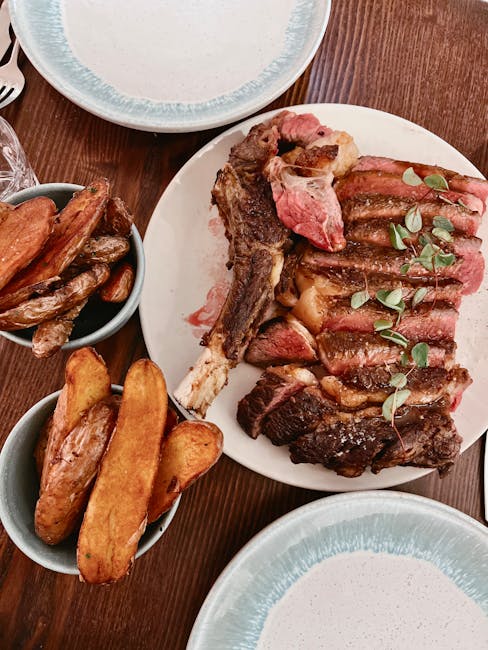
Serving ribeye steak can be a creative endeavor. Pair it with roasted vegetables. Potatoes and carrots complement its rich flavor. A fresh salad adds a refreshing contrast. Consider serving with a classic sauce. A garlic butter sauce enhances the steak’s savory taste.
Presentation matters. Slice the steak against the grain. This technique makes each bite tender. Arrange slices neatly on a platter. Garnish with fresh herbs. Parsley or thyme add a vibrant touch.
Pairing With Sides
Enhance your ribeye steak experience by pairing it with classic sides. Try roasted potatoes or a fresh green salad. These sides balance the rich flavors of ribeye steak cooked to perfection in the oven, ensuring a delightful meal.
When it comes to enjoying a perfectly cooked ribeye steak from the oven, pairing it with the right sides can elevate your dining experience from great to unforgettable. The sides you choose can complement the rich flavors of the steak, offering a balanced meal that delights your taste buds. Whether you’re hosting a dinner party or treating yourself to a gourmet night in, the right accompaniments make all the difference.
Classic Side Dishes
A ribeye steak is robust and flavorful, so simple, classic sides often work best. Consider a creamy mashed potato seasoned with butter and garlic. The creaminess contrasts beautifully with the steak’s texture. Roasted vegetables like asparagus or Brussels sprouts add a fresh, slightly crunchy element. Toss them in olive oil, salt, and pepper for easy preparation. A fresh salad with mixed greens and a light vinaigrette offers a refreshing palate cleanser. It balances the richness of the steak, leaving you satisfied but not overwhelmed.
Wine Pairing Tips
Choosing the right wine can enhance your ribeye steak experience. A full-bodied red wine, such as Cabernet Sauvignon, pairs well with the rich, marbled meat. Its tannins complement the steak’s flavors, creating a harmonious taste. If you prefer something lighter, try a Pinot Noir. Its subtle fruitiness and acidity can highlight the steak’s natural juices. Don’t hesitate to experiment with different wines. Your preference might surprise you, and it can lead to a new favorite pairing. Pairing your ribeye steak with the right sides and wine turns a simple meal into a culinary delight. What new combination will you try next time?
Troubleshooting Common Issues
Cooking a ribeye steak in the oven can be tricky. Many home cooks face common challenges. Overcooking and toughness are frequent issues. Knowing how to troubleshoot can save your dish. Here are some tips to help you out.
Avoiding Overcooking
Overcooking a ribeye can ruin its flavor. Always monitor the cooking time closely. Use a reliable meat thermometer. This ensures the steak reaches the desired temperature. Aim for medium-rare to medium for best results. Let the steak rest after cooking. This allows juices to redistribute.
Handling Tough Steaks
A tough steak can be disappointing. Start with a good quality cut. Choose USDA Prime or Choice grades. These have more marbling. Marbling adds tenderness. If the steak is still tough, try marinating it. Use an acidic marinade. Lemon juice or vinegar works well. This helps break down muscle fibers. Also, consider using a meat tenderizer tool. It can make a difference.
Frequently Asked Questions
How Is Ribeye Best Cooked In The Oven?
Preheat the oven to 400°F. Season the ribeye with salt and pepper. Sear it in a hot skillet for 2 minutes per side. Transfer to the oven and cook for 6-8 minutes for medium-rare. Rest for 5 minutes before serving.
Enjoy your perfectly cooked ribeye!
What Is The 3-3-3 Rule For Steaks?
The 3-3-3 rule for steaks involves grilling for 3 minutes on one side, rotating 90 degrees for grill marks, grilling another 3 minutes, flipping, and repeating the process. This technique ensures even cooking and attractive grill marks. Always check for desired doneness with a meat thermometer.
Is It Better To Cook A Ribeye In The Oven Or On The Stove?
Cooking ribeye on the stove gives a delicious sear and caramelization. The oven provides even cooking and juiciness. For best results, sear on the stove and finish in the oven. This method combines the benefits of both cooking techniques, ensuring a flavorful and tender steak.
How To Cook The Perfect Ribeye Steak At Home?
Season the ribeye with salt and pepper. Preheat a skillet on high heat. Sear the steak for 3-4 minutes per side. Use a meat thermometer to check for desired doneness. Let it rest for 5 minutes before serving. Enjoy your perfectly cooked ribeye steak!
Conclusion
Cooking ribeye steak in the oven is simple and delicious. Follow these steps for a juicy, flavorful meal. First, choose a quality ribeye. Next, season it well. Then, bake at the right temperature. Use a thermometer for perfect doneness. Let it rest before slicing.
Enjoy a restaurant-quality steak at home. This method is easy for anyone. Perfect for a special dinner or a casual meal. Share this recipe with friends and family. They’ll thank you for it. Happy cooking!