Affiliate Disclosure: This post may contain affiliate links. If you purchase through links on our site, we may earn an affiliate commission at no extra cost to you.
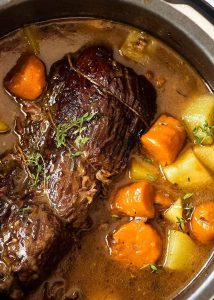
Imagine walking into your kitchen and being greeted by the irresistible aroma of perfectly roasted beef. The smell alone promises a meal that will delight your taste buds and satisfy your hunger.
If you’re looking to create a roast beef masterpiece in the oven, you’ve come to the right place. You might have tried various recipes before, but this one is bound to become your go-to favorite. Why settle for less when you can achieve tender, juicy, and flavorful roast beef with minimal effort?
By following this simple recipe, you’ll impress your family and friends, turning any occasion into a memorable feast. Curious about the secrets behind achieving the perfect roast? Let’s dive into the steps that will transform your cooking experience.
Choosing The Right Cut
Choosing the right cut of beef is crucial for a perfect roast. Each cut offers unique flavors and textures. Some cuts are tender, while others are more robust. Understanding these differences helps in achieving the desired taste and tenderness.
Top Cuts For Roasting
The ribeye roast is a popular choice. It is flavorful and tender. The sirloin roast is another excellent option. It is lean with a good beefy taste. The chuck roast is great for a budget-friendly meal. It is rich in flavor but requires slow cooking. The tenderloin roast offers a melt-in-your-mouth experience. It is the most tender of all cuts.
Factors To Consider
Consider the number of guests. Larger cuts serve more people. Look at the marbling in the meat. More marbling usually means more flavor. Think about the cooking time. Some cuts require longer cooking for tenderness. Price is also important. Select a cut that fits your budget.
Essential Ingredients
Roast beef is a classic dish that brings warmth and comfort to any meal. To achieve the perfect roast beef in the oven, understanding the essential ingredients is key. Each component plays a crucial role, elevating the flavor and texture of your dish. Whether you’re preparing a special family dinner or simply indulging in a culinary delight, choosing the right ingredients can make all the difference.
Seasonings And Herbs
Seasonings and herbs are your best friends when it comes to roast beef. They enhance the natural flavors of the meat, making each bite a savory experience. A simple mix of salt and pepper is a must; they help develop a flavorful crust on the beef.
Consider adding garlic powder and onion powder for depth and complexity. Fresh herbs like thyme and rosemary infuse the beef with aromatic notes. Have you ever tried using a bit of smoked paprika or cumin? These can add a subtle, smoky kick that surprises your taste buds.
Mix and match herbs according to your preference. You might discover a unique blend that becomes your signature seasoning mix. What’s your secret ingredient for seasoning roast beef?
Choosing The Right Oils
Oil is crucial for achieving the perfect crust and juiciness in roast beef. Olive oil is a popular choice due to its rich flavor and healthy fats. It helps the seasonings adhere to the meat, forming a delicious crust.
Some prefer using vegetable oil for its neutral flavor and high smoke point. If you enjoy experimenting, try avocado oil for its buttery texture. Have you considered using infused oils, like garlic or chili oil? They can add an exciting twist to your roast beef.
The right oil can make a significant difference in the final result. What oil do you prefer when roasting beef in the oven?
Remember, the choice of ingredients isn’t just about following a recipe; it’s about creating a dish that reflects your tastes and preferences. So, why not experiment a little and share your discoveries with others?
Preparing The Beef
Preparing roast beef in the oven requires choosing the right cut for tenderness and flavor. Season the beef with salt, pepper, and garlic for a tasty crust. Cook slowly at a low temperature to achieve juicy perfection.
Preparing the beef is a crucial step in achieving the perfect roast. It’s where you lay the groundwork for flavors and textures that will delight your taste buds. Whether you’re a seasoned chef or a home cook, paying attention to the details in this stage can elevate your roast beef from ordinary to extraordinary.
Trimming And Tying
Start by trimming any excess fat from the beef. While some fat is necessary for flavor, too much can overwhelm the dish. Aim to leave a thin layer, which will melt during roasting and enhance the meat’s richness. Tying the beef is equally important. Use kitchen twine to secure it into a uniform shape. This ensures even cooking and helps the beef maintain its structure. Do you remember the last time your roast was unevenly cooked? Tying can solve that.
Marinating Tips
Marinating adds depth to your roast beef, infusing it with flavors that will penetrate beyond the surface. A simple marinade can include olive oil, garlic, rosemary, and a splash of balsamic vinegar. Let the beef soak in these flavors for at least a few hours, or overnight for a more pronounced taste. Consider your favorite herbs and spices. Could a hint of thyme or a dash of peppercorns transform your roast into something memorable? Experimenting with marinades can lead to delightful surprises. Remember, preparation is more than just a step; it’s the foundation of your dish’s success. By giving attention to trimming, tying, and marinating, you’re setting your roast beef up for culinary greatness. So why not try it out and see how these simple steps can make a big difference in your roast beef recipe?
Preheating The Oven
Preheating the oven is crucial for a perfect roast beef. It ensures even cooking and locks in juices. Set the oven to the right temperature before placing the beef inside.
Preheating the oven is a crucial step in achieving the perfect roast beef. This initial process sets the stage for a successful cooking experience. Without the right preheat, your roast may not cook evenly, potentially leading to a disappointing meal. Have you ever wondered why professional chefs emphasize this step?
Optimal Temperature Settings
Setting the right temperature for preheating is essential. For roast beef, 375°F is often recommended. This ensures the meat is cooked thoroughly while maintaining its juiciness. If your oven has a digital display, you can easily set this temperature. A consistent temperature ensures even cooking. If your oven has hot spots, consider rotating the beef halfway through cooking. Have you ever had a roast that was crispy on one side but underdone on the other? The right preheat helps avoid that.
Using Convection Vs. Conventional
Choosing between convection and conventional ovens can affect your roast beef outcome. Convection ovens circulate hot air, cooking food evenly and faster. This can be beneficial if you’re short on time. However, conventional ovens have their perks. They provide a more traditional roast texture. If you prefer a crispy exterior, conventional might be your go-to. Have you tried both methods? You might find one suits your taste better. Preheating is more than just a step; it’s a foundation for culinary success. By understanding the nuances of temperature settings and oven types, you set yourself up for a delicious roast beef. What approach will you take for your next dinner?
Roasting Techniques
Roasting techniques can turn a simple piece of beef into a culinary masterpiece. The way you roast beef determines its flavor, texture, and juiciness. Whether you’re cooking for a special occasion or a casual family dinner, mastering the art of roasting can elevate your dish to new heights. Let’s dive into two key techniques that can make your roast beef unforgettable.
Searing For Flavor
Searing is a crucial step that locks in juices and enhances flavor. Start by preheating your oven to a high temperature, around 450°F (232°C). This initial heat will help form a crust on the beef, keeping the inside moist.
Before placing the beef in the oven, heat a bit of oil in a pan over high heat. Add the beef and let it sizzle for a few minutes on each side. This quick sear creates a delicious caramelized layer that adds depth to every bite.
Don’t skip this step, even if you’re in a hurry. Searing might seem like an extra hassle, but the flavor it adds is worth every second. Have you ever noticed how some dishes just explode with taste? Searing is often the secret.
Slow Roasting Method
Slow roasting is all about patience. Lower the oven temperature to 325°F (163°C) after searing. This gentle heat ensures the beef cooks evenly and stays tender.
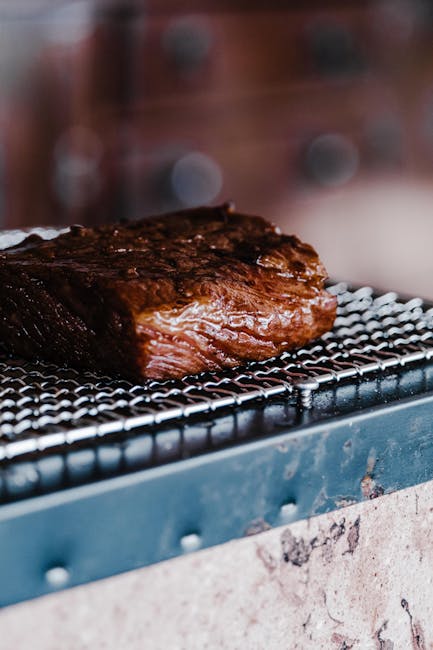
Place the seared beef on a rack in a roasting pan. This allows air to circulate around the meat, promoting even cooking. Add some herbs like rosemary or thyme to the pan for extra aroma.
Let the beef cook slowly. Depending on the size, this might take a few hours. Use a meat thermometer to check for doneness; aim for an internal temperature of about 135°F (57°C) for medium-rare.
Slow roasting might test your patience, but it also rewards it. The gradual cooking process allows flavors to develop fully, resulting in a melt-in-your-mouth experience. Are you ready to transform your roast beef into a tender delight?
Checking Doneness
Roast beef achieves perfect doneness with a golden crust and juicy inside. Check with a meat thermometer for accuracy. This ensures your roast beef is cooked just right.
Checking the doneness of your roast beef is crucial for achieving that perfect slice, whether you like it rare or well-done. It’s more than just a matter of taste—it’s about ensuring your meal is safely cooked and juicy. Have you ever cut into a roast only to find it undercooked or overdone? Understanding how to check the doneness can save you from that disappointment.
Using A Meat Thermometer
A meat thermometer is your best friend for roast beef. It provides an accurate reading of the internal temperature, letting you know precisely when your roast is ready. Insert the thermometer into the thickest part of the beef, avoiding bones and fat, for a true reading. Some thermometers are digital, making it easy to read and understand. If you don’t have one, it’s a worthy investment for any home cook. It’s a small tool with a big impact on your cooking success.
Desired Internal Temperatures
The internal temperature dictates how well your roast beef is cooked. For rare, aim for 125°F (51°C); medium rare, 135°F (57°C); medium, 145°F (63°C); medium well, 150°F (66°C); and well done, 160°F (71°C). Each temperature gives a different level of doneness and flavor. Remember, the beef continues to cook after you take it out of the oven. This is called carryover cooking. So, consider removing the roast a few degrees before it reaches your desired temperature. Checking doneness doesn’t just ensure safety, it also enhances flavor and texture. What’s your preferred level of doneness for roast beef? Using a thermometer can help you achieve it perfectly every time.
Resting The Roast
Resting the roast beef allows juices to redistribute, enhancing flavor and tenderness. A cozy oven setting ensures perfect results. Simple steps lead to a delicious meal, every time.
Resting the roast is a crucial step in achieving the perfect roast beef in the oven. You might be eager to slice into that juicy piece of meat as soon as it’s out of the oven, but patience is key. Allowing your roast beef to rest ensures that all your efforts result in a tender, flavorful, and satisfying meal.
Why Resting Is Important
Resting your roast beef is not just a suggestion; it’s an essential practice. When you cook meat, the juices move to the center. If you cut it immediately, those juices will spill out onto your cutting board, leaving your roast dry. Allowing the meat to rest gives the juices time to redistribute evenly. This results in a more flavorful and juicy roast. Have you noticed how chefs on cooking shows always let meat rest? That’s because they know it makes a significant difference in taste and texture.
How Long To Rest
The length of time to rest your roast beef can vary. A general rule is to let it rest for at least 15 to 20 minutes. This can change depending on the size of the roast. If you have a larger roast, you might need to wait longer—up to 30 minutes. But how do you know if it’s ready? Use the touch test: gently press the meat; if it feels soft yet firm, it’s probably ready to carve. Resting might feel like a test of patience, but it’s worth it. Do you want a juicy roast or a dry one? The choice is yours, and it starts with letting your roast beef rest.
Carving The Roast
Discover the best roast beef recipe for the oven, perfect for carving at family dinners. Season the beef, roast it slowly, and achieve tender, juicy slices every time. Ideal for celebrations or cozy nights in.
Carving the roast beef is a crucial step that transforms a deliciously cooked piece of meat into a visually appealing and easily served dish. It’s where your efforts in roasting shine as you reveal the juicy, tender slices hidden within. Whether you’re serving a family dinner or hosting a special event, mastering the art of carving can elevate your culinary presentation and impress your guests. You might recall the joy of watching your parents carve the roast during festive meals, the anticipation of that perfect slice. Let’s dive into some practical tips to make your carving experience smooth and rewarding.
Best Tools For Carving
Using the right tools can make a world of difference in how efficiently and precisely you carve your roast beef. Invest in a sharp carving knife and a sturdy carving fork. A sharp knife ensures clean cuts and prevents tearing the meat fibers, preserving the roast’s tenderness. Consider a knife with a long blade for smooth slicing. The carving fork helps stabilize the roast, giving you control over each slice. If you’ve ever struggled with a dull knife, you know how frustrating it can be. Avoid this by regularly sharpening your tools or using a whetstone.
Slicing Techniques
The technique you use for slicing can affect both the presentation and texture of the roast beef. Aim for slices that are about half an inch thick for a balance of tenderness and flavor. Begin by slicing against the grain; this shortens the meat fibers, resulting in more tender slices. Position your knife at a slight angle to create more surface area, which enhances the flavor profile. Have you ever noticed how restaurant slices seem to melt in your mouth? That’s the magic of slicing against the grain. Experiment with the angle to find what works best for your roast. Carving the roast beef is more than just serving food; it’s a moment where your culinary skills are showcased. Think about your next family gathering—how will you impress them with your carving prowess?
Serving Suggestions
Pair roast beef with creamy mashed potatoes and steamed vegetables for a hearty meal. Add a side of Yorkshire pudding for a classic touch. Serve with a rich gravy to enhance flavors.
Serving a perfectly roasted beef is an art, but what truly completes the experience is how you pair it with delightful side dishes and beverages. You have this beautiful roast beef, cooked to perfection in the oven; now, how do you make the meal extraordinary? Let’s dive into ideal side dishes and beverage pairings that will elevate your roast beef feast to a memorable culinary experience.
Ideal Side Dishes
A juicy roast beef demands sides that complement its rich flavors. Think of creamy mashed potatoes with a hint of garlic butter. The smooth texture contrasts beautifully with the beef’s hearty taste. Consider roasted vegetables like carrots and Brussels sprouts. Their caramelized sweetness offers a balanced counterpoint to the savory beef. You can’t go wrong with Yorkshire pudding. Its light, airy texture is a classic pairing with roast beef, soaking up the flavors perfectly.
Beverage Pairings
Choosing the right drink is like selecting the perfect accessory for your outfit. Red wines such as Cabernet Sauvignon or Merlot bring out the beef’s depth with their robust flavors. If you prefer beer, opt for a rich stout or porter. Their malty undertones complement the roasted meat beautifully. For non-alcoholic options, consider a refreshing iced tea with lemon. Its crispness cuts through the richness, offering a pleasant palate cleanse. What do you envision as the perfect pairing? Sometimes, experimenting with different combinations can lead to delightful surprises.
Troubleshooting Tips
Achieving perfect roast beef involves managing oven temperature and cooking time. Ensure the meat’s internal temperature reaches desired doneness. Resting the beef before slicing keeps it juicy and flavorful.
Roasting beef in the oven is an art that can lead to a mouth-watering masterpiece or a culinary mishap. You may have found yourself wondering why your roast beef didn’t turn out as expected. Whether it’s too dry, too tough, or simply lacking flavor, these troubleshooting tips can save your dish and your dinner plans. Let’s dive into some practical advice to help you avoid common mistakes and salvage overcooked beef.
Avoiding Common Mistakes
Roast beef can be tricky, but with the right steps, you can avoid common pitfalls. One major mistake is not letting the beef come to room temperature before cooking. This simple step ensures even cooking and prevents the outside from drying out before the inside is done. Consider using a meat thermometer. It’s your best friend in the kitchen. It will help you nail the perfect doneness without guesswork. Aim for a medium rare temperature of around 135°F for juicy results. Another tip is not overcrowding the pan. When your beef is crowded, it steams instead of roasts. Leave space around the beef to ensure a crispy, flavorful crust.
Salvaging Overcooked Beef
Overcooked beef can feel like a lost cause, but it’s not the end. One way to rescue it is by slicing thinly and serving with a flavorful sauce. Sauces can add moisture and mask any dryness. Try using beef broth to reheat the slices gently. This method helps regain some juiciness and adds depth to the flavor. You can also repurpose the beef into dishes like beef stroganoff or beef tacos. These recipes incorporate additional ingredients that enhance the taste and texture of the overcooked meat. Have you ever felt defeated by a dry roast beef? Remember, every cooking mistake is an opportunity to learn. What was your last roast beef mishap, and how did you handle it?
Frequently Asked Questions
How To Cook The Perfect Roast Beef In The Oven?
Preheat the oven to 375°F. Season the beef with salt and pepper. Place in a roasting pan. Cook for 20 minutes per pound. Let it rest for 15 minutes before slicing. Serve hot for optimal flavor.
How Do You Keep Roast Beef Moist In The Oven?
To keep roast beef moist in the oven, cover it with foil. Baste regularly using its own juices. Cook at a low temperature and let it rest before slicing. Use a meat thermometer to ensure it’s cooked perfectly.
How To Cook Roast Beef So It’s Tender?
To cook tender roast beef, sear it first to lock in juices. Roast at a low temperature for even cooking. Use a meat thermometer to ensure it reaches the desired doneness. Let it rest for 15 minutes before slicing, allowing the juices to redistribute.
What Is The Best Temperature To Cook A Beef Roast?
Cook a beef roast at 325°F (163°C) for optimal results. Ensure the internal temperature reaches 145°F (63°C) for medium-rare. Use a meat thermometer for accuracy. Adjust cooking time based on roast size and desired doneness. Rest the meat before slicing to retain juices.
Conclusion
Cooking roast beef in the oven is simple and delicious. This recipe ensures tender, juicy meat every time. Perfect for family dinners or special occasions. Preparing it is easy with common ingredients. Follow the steps for best results. Let the beef rest before slicing for maximum flavor.
Enjoy the rich taste with your favorite sides. Share this dish with loved ones and impress them. Roast beef brings warmth to any meal. Try this recipe and savor every bite. Remember, practice makes perfect. Happy cooking!