Affiliate Disclosure: This post may contain affiliate links. If you purchase through links on our site, we may earn an affiliate commission at no extra cost to you.
Have you ever baked bread that turned out too dense, too dry, or just not quite right? You’re not alone.
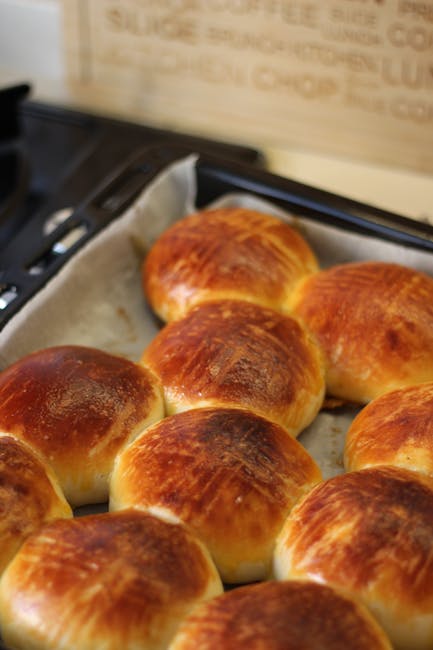
Finding the best oven temperature for bread can be a game-changer in your baking journey. The right heat can transform your dough into a loaf that’s perfectly crusty on the outside and soft and airy on the inside. Imagine slicing into a warm, golden-brown loaf, the aroma filling your kitchen, and each bite offering the perfect balance of texture and flavor.
Sounds heavenly, doesn’t it? By mastering the art of oven temperature, you can consistently bake bread that looks as good as it tastes. We’ll unravel the secrets of bread-baking temperatures, empowering you to bake like a pro. Ready to elevate your bread-baking skills? Let’s dive in!
Ideal Temperature Range
Baking bread is both art and science. The right oven temperature is key. It influences the crust, texture, and flavor. Too hot, and the crust burns. Too cool, and the bread stays dense. Understanding the ideal range helps you bake like a pro.
Understanding The Ideal Temperature Range
Most bread recipes suggest 350°F to 500°F. This range suits many bread types. Different breads need different temperatures. A soft loaf might need 350°F. Crusty bread often requires 450°F or more. Adjust based on your recipe.
Why Temperature Matters
Temperature impacts yeast activity. Yeast needs warmth to rise properly. Too high, and it dies. Too low, and the bread won’t rise well. A balanced temperature ensures perfect bread. Always preheat your oven for consistency.
Achieving The Perfect Crust
The perfect crust needs high heat. High temperatures caramelize the sugars. This creates a golden, crispy crust. For a softer crust, bake at a lower temperature. Cover with foil if needed to prevent over-browning.
Tips For Consistent Baking
Use an oven thermometer. Ovens often have inaccurate settings. Check your bread halfway. Rotate the pan for even baking. Keep an eye on color and texture. Each oven bakes differently. Adjust according to your results.
Factors Influencing Temperature
Baking bread requires the right oven temperature, usually around 350 to 375 degrees Fahrenheit. The heat allows the dough to rise properly, creating a perfect crust and soft interior. Factors like oven type and bread recipe can slightly alter this optimal temperature.
Baking the perfect loaf of bread is more than just following a recipe; it’s about understanding the factors that influence the temperature of your oven. The right oven temperature can make or break your bread, affecting its texture, flavor, and even appearance. But what exactly should you consider when setting your oven? Let’s explore the key factors that play a crucial role in determining the best oven temperature for bread.
Type Of Bread
Different types of bread require different baking temperatures. A crusty sourdough loaf might need a higher temperature to achieve that desirable crispy crust. In contrast, soft sandwich bread typically bakes at a lower temperature to maintain its tender crumb. Think about the bread you’re making. Is it dense or light? Sweet or savory? Adjusting your oven temp based on these characteristics can enhance the final product.
Altitude Considerations
Believe it or not, your geographic location can affect baking. At higher altitudes, the air pressure is lower, which can cause bread to rise faster and bake quicker. This often means you might need to increase the oven temperature or reduce baking time. Have you ever noticed your bread turning out different when you travel? Altitude might be the culprit. Adjust your settings accordingly for consistent results.
Oven Variability
Not all ovens are created equal. Some ovens might have hot spots, while others might not heat evenly. This variability can dramatically affect baking. Have you tested your oven’s accuracy? Using an oven thermometer can reveal discrepancies between the set temperature and the actual heat. Knowing this can help you tweak your settings for better bread every time. Understanding these factors can transform your bread-baking game. What adjustments will you make next time you bake? Share your experiences or tips in the comments!
Benefits Of Correct Temperature
Baking bread perfectly requires knowing the best oven temperature. The right temperature ensures your bread has a crispy crust and a soft crumb. It also enhances its flavor, making each bite delightful. Let’s explore the benefits of baking at the correct temperature.
Crust Formation
Temperature controls the crust’s crispiness. A hot oven gives bread a golden crust. It seals in moisture, preventing a soggy loaf. The crust protects the interior, keeping it tender and soft.
Texture And Crumb
Proper temperature impacts the bread’s texture. It ensures the crumb is airy and light. A consistent temperature allows even baking. This prevents dense or doughy bread. The result is a loaf that’s easy to slice and enjoy.
Flavor Development
The right temperature enhances flavor. It encourages caramelization in the crust. This adds a hint of sweetness. It also develops complex flavors within the crumb. A well-baked bread is rich and satisfying.
Common Mistakes
Choosing the wrong oven temperature often leads to dense or undercooked bread. Many bakers mistakenly set temperatures too low, resulting in a poor rise. Finding the perfect temperature ensures a golden crust and soft interior.
Baking bread is a delightful process that fills your home with the comforting aroma of fresh loaves. However, achieving the perfect bread isn’t always straightforward. Many home bakers encounter common mistakes with oven temperatures that can affect the outcome. Understanding these pitfalls can help you bake bread that’s not only delicious but also perfectly textured.
Too Hot Or Too Cool
Setting your oven temperature too high can cause your bread to brown too quickly on the outside while remaining undercooked inside. This often leaves you with a loaf that’s burnt on the exterior but doughy in the middle. Alternatively, using a temperature that’s too low might yield a loaf that lacks color and has a dense, gummy texture. Finding the sweet spot is crucial. Most bread recipes suggest a temperature range of 375°F to 475°F. It’s essential to follow the specific guidelines of your recipe. Have you ever noticed how some loaves seem to have a perfect crust but lack the desired fluffiness inside? This discrepancy often traces back to temperature issues.
Inconsistent Heat
An oven that doesn’t maintain a consistent temperature can turn your bread-baking efforts into a guessing game. If your oven’s heat fluctuates, your bread might bake unevenly, leading to uneven crusts or unevenly cooked interiors. Consider investing in an oven thermometer to ensure your oven is at the right temperature. It’s a small tool that offers big rewards, ensuring accuracy every time you bake. Have you ever thought about how unpredictable heat could be why your bread doesn’t always rise evenly? If you’ve ever had a loaf that rose beautifully on one side and sagged on the other, inconsistent heat might be the culprit. Ensuring your oven heats evenly is a practical step towards achieving bakery-quality bread at home. Avoid these common temperature mistakes, and you’ll be on your way to baking perfect bread every time. Wouldn’t it be nice to surprise your family with a picture-perfect loaf?
Temperature Adjustments
Baking bread is an art. The oven temperature plays a crucial role in achieving that perfect loaf. You might wonder how the oven setting can make or break your bread. Let’s dive into some adjustments that could elevate your baking game. Have you ever considered the impact of convection versus conventional ovens or thought about the magic of baking stones? These elements can transform your bread from good to great.
Convection Vs. Conventional
Convection ovens circulate hot air, ensuring even cooking. This can be a game-changer for your bread. With a convection setting, you might reduce the temperature by about 25°F. Why? Because the circulating air cooks the bread faster. This adjustment helps prevent over-browning while keeping the inside moist.
On the other hand, conventional ovens might require a slightly higher temperature. They rely on static heat, which can sometimes lead to uneven results. Have you ever opened your oven to find a beautifully browned crust but a soggy middle? Adjusting the temperature can minimize this risk, allowing your bread to bake evenly.
Using Baking Stones
Baking stones are like secret weapons in your kitchen. They retain heat well and distribute it evenly. When you preheat your oven with a baking stone, it provides a steady heat source. This can help achieve a crisp crust and a soft interior. Ever tried baking a pizza directly on a stone? The same principle applies to bread.
Placing your dough on a hot baking stone can mimic the conditions of a professional bakery. You might need to adjust your oven temperature slightly higher, as the stone absorbs a lot of heat. This ensures your bread cooks thoroughly. Have you felt the satisfaction of that first crunchy bite of homemade bread, using a stone?
So, what adjustments are you planning to make next time you bake bread? Consider these tips and discover the potential of your oven. Could a simple tweak in temperature be the secret ingredient to your best loaf yet?
Tools For Precision
Perfectly baked bread starts with the right oven temperature. Setting the oven at 350-375°F ensures a golden crust and soft interior. Consistent heat distribution is key for achieving bakery-quality results at home.
When baking bread, precision is key to achieving that perfect crust and soft crumb. Your oven’s temperature plays a crucial role in this. But how do you ensure that your oven is hitting the right temperature? This is where precision tools come in. By using the right tools, you can transform your baking experience and achieve consistently excellent results.
Oven Thermometers
An oven thermometer is a small investment with big returns. Many home ovens are notoriously inaccurate, sometimes off by as much as 25 degrees. This discrepancy can lead to bread that’s overbaked or underdone. By placing an oven thermometer inside, you can verify the actual temperature. This simple tool helps you adjust your settings to get the precise heat you need. I once discovered my oven was 15 degrees cooler than the dial indicated. After adjusting, my sourdough loaves turned out much better—crisp on the outside and perfectly cooked inside. Have you ever wondered if your oven’s reading is true? An oven thermometer might be the answer.
Infrared Thermometers
Infrared thermometers offer a modern solution for temperature accuracy. Unlike traditional thermometers, these devices allow you to measure surface temperatures without opening the oven door. This can be particularly useful for checking the temperature of your baking stone or the top of your bread. I remember the first time I used an infrared thermometer. It felt like magic to point and instantly know the temperature. This tool can help you maintain the heat level, even if you’re frequently opening the oven door to check your bread. Are you looking for a way to keep your baking environment stable? An infrared thermometer can provide that control. Precision tools are essential for consistent baking success. By understanding and utilizing these devices, you can elevate your bread-making skills. What’s your experience with these tools? Have they made a difference in your baking?
Experimentation Tips
Experimenting with oven temperatures can improve your bread baking skills. Each bread type might require a different temperature. Finding the right temperature ensures your bread rises well and gets a golden crust. Trying different approaches helps discover what works best for you.
Small Batch Trials
Baking small batches minimizes waste during experimentation. Use less dough to test different temperatures. This way, you can try more variations without using too many ingredients. Small batches also reduce baking time. It allows quicker adjustments for the next trial.
Keeping A Baking Journal
A baking journal records your experiments and results. Note down the oven temperature, time, and bread type. Include observations about crust color and texture. Write down any changes you make during the process. This information helps track your progress.
Reviewing your journal reveals patterns. Understanding these patterns improves future baking sessions. Over time, you will develop your perfect bread baking method.
Frequently Asked Questions
Is It Better To Bake Bread At 350 Or 400?
Bake bread at 350°F for a softer crust. Use 400°F for a crispier crust. Choose based on preference. Both temperatures work well for different textures. Adjust baking time as needed for perfect results.
What Is The Best Temperature To Bake Bread?
Bake bread at 350°F to 375°F for optimal results. This temperature ensures a golden crust and soft interior. Adjust based on recipe specifics and oven variations. Always preheat the oven for consistent baking. Experiment to suit your taste preferences and achieve perfect bread every time.
Do You Bake Bread At 425 Or 450?
Bake bread at 425°F for a softer crust. For a crustier finish, bake at 450°F. Adjust based on desired texture.
How Long To Bake Bread At 400 With Yeast?
Bake bread with yeast at 400°F for 25-30 minutes. Ensure the crust turns golden brown. Use a thermometer to check if the internal temperature reaches 190-200°F for perfect baking. Adjust baking time slightly based on your oven’s performance and bread size.
Conclusion
Finding the right oven temperature is key for perfect bread. It influences texture, crust, and flavor. Experiment with different settings to suit your recipe. A hotter oven gives a crispy crust. A lower temperature results in a softer loaf. Remember to preheat the oven for even baking.
Check your bread often to avoid over-baking. Pay attention to your bread’s color and aroma. With practice, you’ll know what works best. Baking bread is an art that improves over time. Enjoy the process and the delicious results. Happy baking!








