Affiliate Disclosure: This post may contain affiliate links. If you purchase through links on our site, we may earn an affiliate commission at no extra cost to you.
Imagine this: you’re hosting a cozy evening with friends, the crackling sound of a wood-fired oven in the background, and the mouthwatering aroma of freshly baked pizza wafting through the air. It’s the perfect setting for a memorable night, but there’s one thing that can make or break this experience—the pizza crust.
Getting the crust right is key to achieving that authentic, rustic flavor and texture that only a wood-fired oven can provide. But with so many options, how do you choose the best pizza crust for your wood-fired oven? This is where we come in.
In this guide, you’ll discover the secrets to selecting and crafting the perfect pizza base that will leave your guests raving and coming back for more. Don’t miss out on transforming your pizza nights into unforgettable culinary adventures!
Types Of Pizza Crusts
When it comes to crafting the perfect pizza in a wood-fired oven, choosing the right crust is crucial. Each type of crust offers a unique texture and flavor profile that complements the smoky aroma imparted by the wood fire. Understanding the characteristics of various pizza crusts can elevate your pizza-making game to new heights. So, let’s delve into some of the most popular types of pizza crusts.
Neapolitan Crust
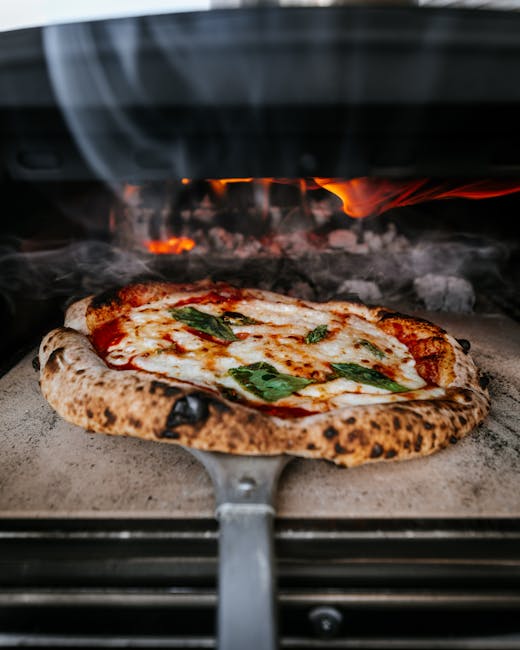
The Neapolitan crust is the quintessential choice for wood-fired ovens. Its light and airy texture, characterized by a soft, chewy center and slightly charred edges, is achieved by using high-hydration dough. This crust requires a short bake time at high temperatures, creating a pizza that bursts with flavor.
Have you ever wondered why Neapolitan pizza is so flavorful? It’s the simplicity of ingredients—flour, water, salt, and yeast—that lets the wood fire work its magic. A tip for you: ensure your dough rests long enough to develop its unique taste.
New York Style Crust
New York style crust is known for its thin, foldable slices and crispy edges. While it may traditionally be associated with gas ovens, it can adapt well to wood-fired cooking. This crust requires a lower hydration level, providing a sturdier base.
Imagine biting into a slice with the perfect balance of crispiness and chewiness. That’s the New York style. A practical tip: use a bit more oil in your dough to enhance its texture when baking in a wood-fired oven.
Sicilian Crust
Sicilian crust is thicker and bread-like, offering a delightful contrast to the typical thin pizza. It’s perfect for those who enjoy a hearty bite. The generous thickness allows the dough to absorb the rich flavors of your toppings.
Have you ever tried making a Sicilian pizza in a wood-fired oven? The intense heat creates a golden, crispy bottom while maintaining a soft interior. Consider experimenting with different toppings to see which flavors pop best.
Thin And Crispy Crust
Thin and crispy crust is ideal if you prefer the crunch in every bite. The dough is rolled out thin and bakes quickly in the wood-fired oven, achieving a cracker-like texture. It’s the kind of pizza you can savor without feeling too full.
Do you want a crust that doesn’t overshadow your toppings? This might be your go-to. Try dusting your dough with semolina flour for added crispiness. You’ll find it enhances the crust’s texture remarkably.
Now that you’ve got insights into different crusts, which one will you try next? Whether you prefer the traditional Neapolitan or the bold Sicilian, each crust offers a distinct experience that can be perfected in your wood-fired oven. Dive into your pizza-making journey and discover your favorite crust.
Benefits Of Wood Fired Ovens
Wood fired ovens are cherished by pizza lovers worldwide. They offer numerous benefits that enhance the pizza-making experience. These ovens bring out the best in your crust, making it crispy and flavorful. Let’s explore why wood fired ovens are a popular choice for pizza enthusiasts.
Unique Flavor Enhancement
Wood fired ovens impart a distinctive smoky flavor to the pizza crust. This flavor is hard to achieve with other cooking methods. The wood smoke creates a rich, savory taste that enhances the overall pizza experience. Every bite feels authentic and delicious.
Optimal Cooking Temperature
These ovens can reach temperatures above 800°F. Such high heat is perfect for cooking pizza. It ensures the crust is perfectly crisp while the toppings remain fresh. This temperature creates the ideal balance of crispy and chewy textures.
Fast Cooking Time
Wood fired ovens cook pizza in just a few minutes. The high temperature ensures a quick cooking process. This means you can enjoy your pizza faster. It also retains the freshness of the ingredients. Perfect for busy evenings or entertaining guests.
Choosing The Right Flour
Selecting the perfect flour is key for crafting a delightful pizza crust in a wood-fired oven. Opt for high-protein flour to achieve a crispy texture and robust flavor. Ensure it can withstand high temperatures, enhancing the crust’s chewiness and taste.
When crafting the perfect pizza crust for a wood-fired oven, the choice of flour is crucial. A well-selected flour can transform your pizza from ordinary to extraordinary. It’s not just about texture and taste; it’s about how your crust interacts with the intense heat of a wood-fired oven. You’ll need a flour that can withstand high temperatures and deliver that sought-after crispy, yet chewy bite. Let’s dive into how you can pick the ideal flour for your culinary masterpiece.
Caputo Tipo 00 Flour
Caputo Tipo 00 flour is a favorite among pizza enthusiasts. It’s finely milled, making it perfect for achieving a silky dough that’s easy to stretch. When you use Tipo 00 flour, your crust will have that delicate balance between softness and crispness. This flour is renowned for creating a pizza that’s airy and light, yet firm enough to hold toppings without sagging. Have you ever experienced the perfect bite that seems to melt yet gives a satisfying crunch? Tipo 00 flour is the key.
All-purpose Flour
All-purpose flour might be sitting in your pantry right now, ready to be transformed into a pizza crust. It’s versatile and can yield a decent crust in a wood-fired oven. Though it lacks the fineness of Tipo 00, it’s readily accessible and easy to work with. You might find that it can produce a crust with a slightly denser texture, which some pizza lovers prefer for a more substantial bite. Ever wondered if you could make a great pizza without special ingredients? Give all-purpose flour a shot and surprise yourself.
Whole Wheat Flour
Whole wheat flour offers a nutritional twist and a unique flavor profile. It brings a hearty taste and a denser texture, which can be a refreshing change from traditional pizza crusts. Using whole wheat flour, you may notice your crust has a rustic feel, perfect for pairing with fresh and earthy toppings. It’s a great choice if you’re looking to add a wholesome touch to your pizza. Do you crave a pizza that feels as nourishing as it tastes? Whole wheat flour could be your go-to for a health-conscious pizza night. Choosing the right flour can be the difference between a good pizza and a great one. So, what flour will you choose for your next wood-fired pizza adventure?
Preparing The Dough
Crafting the perfect pizza crust for a wood-fired oven involves balancing ingredients and technique. Start with high-quality flour and water, mixing until smooth. Let the dough rise slowly to develop flavor and texture.
Preparing the perfect dough is the foundation of creating a delicious pizza crust, especially when using a wood-fired oven. The high heat of the oven demands a dough that can rise to the occasion—literally. But what makes a pizza crust exceptional? It all starts with how you prepare your dough. It’s not just about mixing ingredients but also understanding the kneading techniques and fermentation process that ensure your crust comes out crispy and flavorful.
Mixing Ingredients
The magic begins with simple ingredients: flour, water, yeast, and salt. Choosing the right flour is essential; look for high-protein flour for a chewy texture. When mixing, ensure your water is warm, not hot, to activate the yeast. If it’s too hot, the yeast won’t survive; too cold, and it won’t activate properly. Combine the ingredients in a large bowl, ensuring everything is mixed thoroughly. The dough should be slightly sticky but not too wet. Have you ever tried adding a pinch of sugar? It can boost the yeast activity and add a subtle hint of sweetness.
Kneading Techniques
Kneading is where the dough starts to develop its structure. It’s not just about pressing down; it’s an art. Use the heel of your hand to push the dough away from you, then fold it back. A good kneading session lasts about 10 minutes. Your dough should transform from a sticky mess into a smooth, elastic ball. Have you ever noticed how the dough feels different after kneading? That’s the gluten working its magic, creating a stretchy network that traps air, giving your crust that perfect rise.
Fermentation Process
Fermentation is the secret to flavor. Once kneaded, let your dough rest and rise. This is where patience pays off. Place your dough in a lightly oiled bowl, cover it with a damp cloth, and let it sit at room temperature. Depending on the yeast and room temperature, this can take a couple of hours. Some pizza enthusiasts swear by a slow, cold fermentation in the fridge for 24 hours. This allows the flavors to develop more fully. Have you tried this method? It might just be the game-changer your pizza dough needs. Preparing the dough for a wood-fired oven is an art that requires attention to detail and a bit of experimentation. What have you discovered in your pizza-making adventures?
Shaping The Pizza Crust
Shaping the pizza crust is a crucial step for wood-fired ovens. A perfect crust enhances the flavor and texture. Several methods exist for shaping pizza dough, each with unique benefits. Explore the techniques below to find the best fit for your cooking style.
Hand Stretching
Hand stretching gives you full control over dough thickness. Begin by pressing the dough into a flat circle. Use your fingers to gently stretch the edges. Rotate the dough to ensure even thickness. This method helps maintain air pockets in the crust. These pockets add a delightful crunch when baked.
Rolling Pin Method
Using a rolling pin provides a uniform thickness. Place the dough on a floured surface. Roll it out evenly, applying gentle pressure. This method creates a smooth surface, ideal for even toppings. Make sure to roll from the center outward. This prevents tearing and keeps the dough intact.
Creating A Thin Base
A thin base is key for a crispy crust. Start with well-kneaded dough. Stretch or roll until you achieve the desired thinness. This base cooks quickly in a wood-fired oven. Its crispness complements the toppings. Ensure the dough is evenly stretched for consistent cooking.
Cooking Tips For Wood Fired Ovens
Cooking pizza in a wood-fired oven creates a unique flavor. It adds a smoky taste that many love. To achieve the best results, follow these cooking tips.
Managing Oven Temperature
A consistent temperature is key in a wood-fired oven. Aim for around 750°F. Use a laser thermometer to check the heat. Add more wood to increase temperature, or let it cool if too hot.
Using A Pizza Peel
A pizza peel helps to slide pizza in and out of the oven. Dust it with flour or cornmeal. This prevents the dough from sticking. Move quickly to avoid losing heat.
Rotating The Pizza
Rotate the pizza for even cooking. Use the peel to turn it halfway through. This ensures all sides cook evenly. A well-cooked pizza should have a crispy crust and melted cheese.
Pairing Toppings With Crusts
Thin, crispy crusts are ideal for wood-fired ovens, enhancing the smoky flavor. Pair with light toppings like fresh mozzarella and basil. These toppings complement the crust’s texture, creating a balanced and delicious pizza experience.
When you’re baking pizza in a wood-fired oven, the crust is your foundation. It sets the stage for the flavors you want to highlight. The right pairing of toppings and crust can elevate your pizza from good to unforgettable. Whether you’re a fan of classic Margherita or crave more unique combinations, choosing the best crust for your toppings is essential. Have you ever bitten into a pizza and felt the toppings didn’t quite match the crust? Finding the perfect balance can be a game changer.
Classic Margherita
A Margherita pizza calls for a thin, crisp crust. The simplicity of tomatoes, mozzarella, and basil shines on a traditional Neapolitan crust. This type of crust is soft yet chewy, providing the perfect base for the fresh flavors. Imagine the slight char from the wood-fired oven adding a smoky note. It complements the sweetness of the tomatoes beautifully. The airy texture balances the rich, creamy mozzarella, making each bite a delight.
Pepperoni And Cheese
Pepperoni and cheese require a sturdier crust. A New York-style crust is a great choice here. Its slightly thicker and chewy texture holds the weight of the toppings well. A personal favorite is the way the pepperoni curls and crisps in a wood-fired oven. The crust’s edge stays crunchy, providing a satisfying contrast to the gooey cheese. Have you ever noticed how a good crust can keep the oil from pepperoni from making the pizza soggy? It’s all about the right base.
Vegetarian Options
For a veggie-loaded pizza, go for a whole wheat crust. It adds a nutty flavor that pairs well with vegetables. Plus, it offers a bit more structure to handle the moisture from veggies like mushrooms or tomatoes. Consider how a thin crust might struggle with these toppings. The whole wheat option provides a satisfying chew without overpowering the fresh flavors. Have you tried a garden pizza with artichokes, bell peppers, and a sprinkle of feta on such a crust? It’s a combination that’s hard to beat. The next time you’re planning a pizza night, think about how your crust and toppings can work together. Choose wisely, and you’ll have a wood-fired delight that everyone will remember. What’s your favorite topping and crust combination?
Common Mistakes To Avoid
Choosing the right pizza crust is essential for wood-fired ovens. Avoid thick, dense doughs that won’t cook evenly. Thin, crispy crusts bake quickly and enhance flavor.
When you’re preparing to craft the perfect pizza in a wood-fired oven, the crust plays a pivotal role. It’s the foundation of your pizza, and getting it right can make or break your culinary masterpiece. However, there are common mistakes that many pizza enthusiasts, both new and seasoned, often encounter. Avoiding these pitfalls can elevate your pizza game to new heights.
Overloading Toppings
Adding too many toppings can be tempting, especially when you’re eager to combine flavors. Yet, overloading your pizza can result in a soggy crust that detracts from the overall experience. The weight and moisture from excess toppings prevent the crust from achieving that crispy, golden perfection. Consider this: a friend once tried to impress guests by piling on every topping imaginable. The result? A pizza that was more of a soup than a slice. Keep it simple. Choose quality over quantity and let the wood-fired oven work its magic on a balanced selection of toppings.
Incorrect Dough Thickness
The thickness of your dough is another crucial factor. Too thick, and your crust may not cook evenly, leaving you with a chewy, undercooked base. Too thin, and your pizza risks burning or tearing under the weight of toppings. Achieving the right thickness requires practice and attention. Experiment with different dough recipes and rolling techniques. A neighbor of mine swore by her grandmother’s pizza, only to discover the secret was a perfectly rolled, medium-thin crust. You might find that sweet spot where the dough complements the heat and flavor of the wood-fired oven.
Ignoring Oven Maintenance
A well-maintained oven is essential for the best pizza crust. Ignoring maintenance can result in uneven cooking, affecting the texture and taste. Regularly check the temperature and cleanliness of your oven. Imagine preparing for a pizza night, only to find your oven struggling to reach the desired heat because of accumulated debris. You wouldn’t want that, right? Keep your oven clean, ensure it’s reaching optimal temperatures, and remember: a little care goes a long way in preserving the integrity of your pizza crust. So, what common mistakes have you encountered while perfecting your pizza crust? By sidestepping these errors, you’re on your way to mastering the art of wood-fired pizza.
Frequently Asked Questions
Can You Use Regular Pizza Dough In A Wood-fired Oven?
Yes, you can use regular pizza dough in a wood-fired oven. Ensure the dough is thin and well-floured. High heat creates a crispy crust and quick cooking. Adjust ingredients and timing for the best results. Wood-fired ovens enhance flavor with a smoky touch.
Is Wood Fired Pizza Dough Different?
Wood fired pizza dough is typically thinner and has a crisp, charred crust. It uses high heat for a quick bake, enhancing flavor and texture. Fresh ingredients and traditional techniques often create a unique taste experience. This method is popular for its artisanal quality and rustic appeal.
What Is The 55 Rule For Pizza?
The 55 rule for pizza suggests baking at 550°F for 5 minutes. This technique aims for a crispy crust and evenly cooked toppings. It is popular among home pizza chefs seeking restaurant-quality results. Adjustments may be necessary based on oven performance and pizza size.
Is Apple Wood Or Hickory Better For Wood Fired Pizza?
Apple wood imparts a sweet, fruity flavor ideal for wood-fired pizzas. Hickory offers a stronger, smoky taste. Choose apple for a milder, aromatic profile, and hickory for robust, bold flavors. Both enhance pizza taste, but preferences vary. Experiment with each to find your favorite.
Conclusion
Choosing the right pizza crust enhances your wood-fired oven experience. Crisp edges and soft centers create perfect bites. Experiment with different dough recipes. Find what suits your taste. Authentic Neapolitan or rustic sourdough—options abound. Consider ingredients and flavors. Fresh herbs or garlic can elevate the crust.
Practice makes perfect. Don’t rush the dough-making process. Let it rise properly for best results. Enjoy sharing your creations with friends and family. The joy of pizza comes from great crust and good company. Happy baking!








