Affiliate Disclosure: This post may contain affiliate links. If you purchase through links on our site, we may earn an affiliate commission at no extra cost to you.
Have you ever taken a bite of homemade sourdough bread and wondered how to achieve that perfect crust and airy interior? If you’re nodding your head, you’re not alone.
Crafting the ideal loaf isn’t just about the right ingredients; it’s also about mastering the oven temperature. Understanding the best oven temperature for sourdough bread can transform your baking experience and elevate your bread to bakery-level perfection. We’ll dive into the science behind oven temperatures and how you can use this knowledge to impress your taste buds and guests alike.
Keep reading to unlock the secrets that will make your sourdough bread the talk of the table.
Ideal Oven Temperature
Baking sourdough bread requires an ideal oven temperature of 450°F. This heat helps achieve a crispy crust. A preheated oven ensures even baking and the right texture.
Finding the ideal oven temperature for sourdough bread can make a world of difference in your baking results. You want that perfect crust with a soft, airy interior, and getting the temperature just right is key. It’s not just about following a recipe; it’s about understanding how heat affects your dough.
Temperature Range For Sourdough
The right temperature can vary, but most bakers agree that a range between 230°C to 245°C (450°F to 475°F) works well. A higher temperature can enhance the crust, making it golden and crunchy. A lower temperature might result in a softer crust but can prolong baking time. Experimenting within this range can help you find the sweet spot for your particular oven and preferences.
Impact Of Temperature On Texture
Temperature influences not just the crust, but also the texture of your sourdough. A high temperature gives a rapid rise, creating those sought-after airy holes in the crumb. A lower temperature might produce a denser loaf, which some people prefer for its chewiness. Consider how you like your bread. Do you want a light, open crumb or a more compact, chewy texture? Adjusting the temperature can help you achieve your desired result. Remember that ovens can vary, so keep an eye on your first few bakes. Have you ever noticed how a slight tweak in temperature can change the entire character of your bread? It’s the small adjustments that often lead to the most satisfying results. Happy baking!
Baking Techniques
Achieving perfect sourdough bread involves setting the oven to the right temperature. Ideal baking starts at 450°F, ensuring crisp crusts and soft interiors. Adjusting temperatures slightly can enhance the texture and flavor, creating a delightful loaf every time.
Baking sourdough bread is both an art and a science, and mastering the right techniques can make a world of difference in your results. The key lies in the details, from how you prepare your dough to the environment inside your oven. By focusing on the proper baking techniques, you ensure that your sourdough bread not only tastes incredible but also boasts the perfect crust and crumb. Let’s dive into some essential strategies to elevate your sourdough baking game.
Preheating The Oven
Preheating your oven is crucial for achieving consistent results. An adequately preheated oven ensures that the heat is evenly distributed, leading to a well-risen loaf. Set your oven to the desired temperature at least 30 minutes before you plan to bake. A baking stone can be a game-changer here. Place it in the oven during preheating to retain heat and provide a stable baking surface. This step helps in creating the perfect oven spring, giving your bread that sought-after rise. Have you ever noticed how some bakers achieve that perfect golden-brown crust? Preheating is part of the secret. It primes your oven for action, ensuring that your sourdough gets the best start possible.
Using Steam For Crust
Adding steam to your baking process can significantly enhance your sourdough bread’s crust. Steam keeps the dough surface moist, allowing it to expand before setting. This results in a beautifully glossy and crispy crust. You can create steam in several ways. One method is to place a pan of hot water in the oven during the initial baking phase. Alternatively, spritzing water onto the oven walls can also do the trick. Why is steam important? It prevents the crust from forming too quickly, allowing the bread to rise fully and develop an even texture. This simple technique can transform your sourdough from good to unforgettable. Engage with these baking techniques and watch your sourdough bread improve dramatically. Have you tried any of these methods yet? What changes did you notice in your bread? Let us know in the comments below!
Common Mistakes
Baking sourdough bread is an art that requires precision. The oven temperature plays a crucial role in achieving the perfect loaf. Many bakers make common mistakes, affecting the bread’s quality. Understanding these errors can help in baking better sourdough.
Overheating Issues
Setting the oven too hot can ruin sourdough. High temperatures cause the crust to burn. This leaves the inside undercooked. The bread’s flavor suffers. A burnt crust is hard and unpleasant. It can make the bread tough to chew.
Overheating also affects the rise. Too much heat can kill yeast. Yeast needs moderate warmth to rise correctly. Without proper rise, the bread becomes dense. A dense loaf is not satisfying. Keep the oven temperature controlled to avoid these problems.
Underbaking Problems
Underbaking is another common mistake. A cool oven leads to pale crusts. The bread remains doughy inside. Doughy bread lacks the desired texture. It might taste raw and unpleasant.
Underbaked sourdough lacks structure. It can collapse when cut. The inside stays moist and sticky. This is not ideal for sourdough. Ensure the oven is at the right temperature. Proper baking time is essential for great sourdough.
Adjusting For Variability
Finding the best oven temperature for sourdough bread can be tricky. Each bread batch might need slight temperature changes. Adjusting for variability ensures a perfectly baked loaf every time.
Adjusting for variability is crucial in sourdough baking. Oven temperature can impact the final bread texture. Different factors like flour type and location affect how sourdough behaves. Understanding these variables helps achieve consistent results.
Different Flours And Hydration Levels
Flour type affects sourdough texture. Whole grain flours need different temperatures. They absorb more water than white flour. Whole grains may require slightly lower oven heat. Lower heat prevents overly dark crusts. Hydration levels also impact baking. Higher hydration doughs are common in sourdough. They need higher temperatures to set properly. Lower hydration doughs can bake at standard temperatures. Adjusting heat helps achieve desired crumb and crust.
High Altitude Baking
Baking at high altitudes presents challenges. Air pressure is lower, affecting dough rise. Sourdough may rise faster, affecting bake time. Adjust oven temperature to compensate. Lower temperatures may help control rapid rise. Humidity also varies at altitude. Dryer air can affect dough moisture. Adjusting hydration can help balance this. Slightly reducing oven heat can prevent dry crusts. Experiment to find the best combination. Understanding these variables improves sourdough baking. Tailoring oven settings enhances flavor and texture.
Equipment Considerations
When baking sourdough bread, the right oven temperature can make all the difference. But it’s not just about setting the dial to the perfect degree. Your equipment plays a crucial role in achieving that golden crust and airy crumb. From choosing the right oven to using baking stones and Dutch ovens, each tool has its unique benefits and considerations.
Choosing The Right Oven
Your oven type can significantly impact your sourdough’s outcome. If you’ve ever used a convection oven, you might have noticed how evenly it distributes heat. This can help your sourdough rise beautifully with a uniform crust. However, a conventional oven also does the trick, especially with a few tweaks. A conventional oven might require you to rotate your bread halfway through baking to ensure even browning.
Think about the space inside your oven. Is it large enough to fit your baking stone or Dutch oven? A cramped oven can lead to uneven heat distribution. If your oven is small, consider baking smaller loaves. You might be surprised how this simple adjustment can affect your bread’s texture.
Using Baking Stones And Dutch Ovens
Baking stones are fantastic for sourdough. They retain heat and mimic the effect of a traditional bread oven. If you’ve tried using one, you might have noticed how it helps create a crispy crust. Place the stone in the oven as it preheats to get the most out of it. The heat from the stone will transfer directly to the dough, enhancing the baking process.
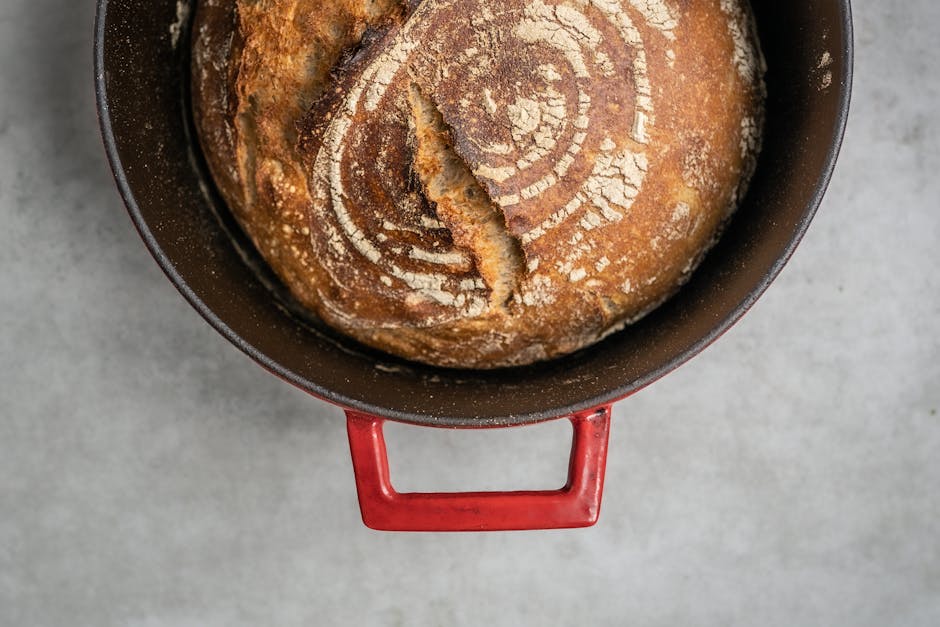
On the other hand, a Dutch oven provides a different advantage. It traps steam, which is essential for a good rise and crisp crust. Have you ever noticed how bakery sourdough has that glossy finish? A Dutch oven can help you achieve that at home. Just be sure to preheat it, and carefully transfer your dough inside for the best results.
So, which equipment will you choose for your next sourdough bake? Consider your oven’s capacity and the kind of crust you desire. Remember, experimenting with different tools can lead to delightful surprises in your baking journey.
Enhancing Flavor
Enhancing the flavor of sourdough bread relies heavily on oven temperature. The right heat can transform a simple dough into a delightful loaf. Sourdough’s unique taste comes from the fermentation process. But the bake also plays a critical role. The oven temperature can either highlight or diminish these flavors. By understanding this, bakers can create sourdough bread with rich, complex tastes.
Temperature Influence On Fermentation
The fermentation process defines sourdough’s flavor. At higher temperatures, fermentation speeds up. This can lead to a tangier taste. It also gives the bread a more pronounced sourness. On the other hand, lower temperatures slow fermentation. This results in milder flavors. Bakers often choose oven temperatures between 375°F and 475°F. This range allows fermentation to enhance the bread’s natural taste. It also helps maintain a balanced sourness.
Creating A Balanced Crumb
A perfect sourdough has a well-structured crumb. Oven temperature affects the crumb texture. A high temperature can create a crisp crust. It also helps form a soft and airy crumb inside. Baking at around 450°F typically achieves this balance. But going too high may burn the crust. It can also dry out the crumb. A balanced temperature ensures a moist, flavorful bread. It gives the crumb a pleasant chew. Adjusting the temperature even slightly can impact the final result.
Frequently Asked Questions
What Is The Best Oven Temperature To Bake Sourdough Bread?
Preheat the oven to 450°F (230°C) for optimal sourdough baking. This ensures a perfect crust and rise. Reduce to 400°F (200°C) after 20 minutes. Use steam for the initial phase to enhance crust quality. Adjust based on loaf size and personal preference.
How Long To Bake Sourdough In A Dutch Oven At 450 Degrees?
Bake sourdough in a Dutch oven at 450°F for 20 minutes with the lid on. Then, remove the lid and continue baking for 25-30 minutes until golden brown. Ensure the bread’s internal temperature reaches 200°F for perfect results. Adjust times slightly based on loaf size and oven variations.
Can Sourdough Be Baked At 350 Degrees?
Yes, sourdough can be baked at 350 degrees. Baking at this temperature results in a softer crust. Adjust time for desired doneness; typically, it takes 30-40 minutes. Ensure the bread reaches an internal temperature of 200 degrees Fahrenheit for proper baking.
Use a thermometer for accuracy.
How Long To Bake Sourdough Bread At 375 Degrees?
Bake sourdough bread at 375°F for 30-35 minutes. Ensure the crust is golden and sounds hollow. Adjust time based on your oven’s performance. Always let the loaf cool before slicing for best texture.
Conclusion
Finding the right oven temperature is key for perfect sourdough bread. The right heat gives your bread a golden crust. It also helps the dough rise well. Too hot can burn the crust, too cool can leave it doughy. Start with 450°F for the best results.
Every oven is different, so adjust as needed. Experiment to find what works best for you. Enjoy the process. Happy baking!








